Sauces & Condiments
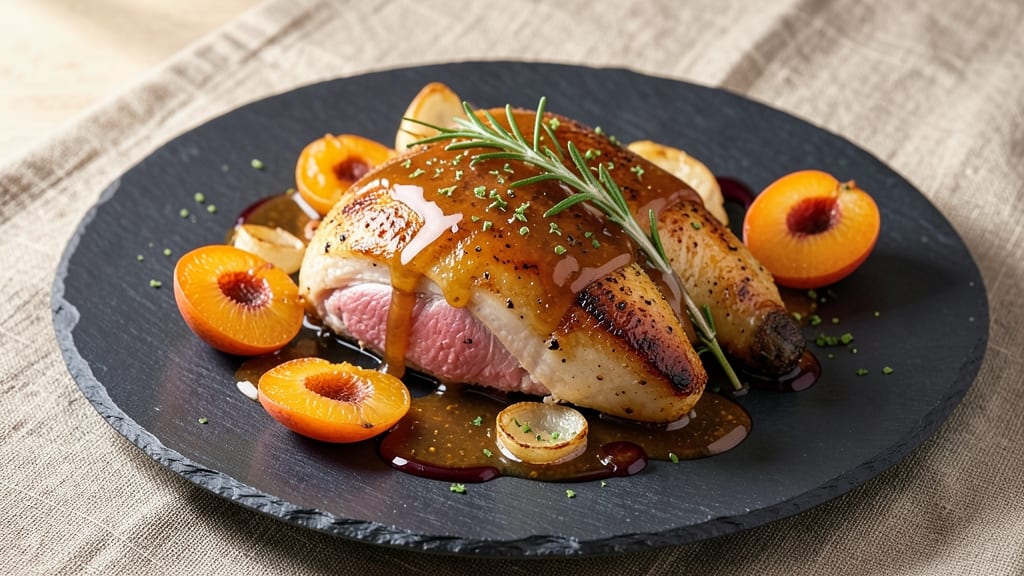
This apricot chicken sauce recipe transforms simple weeknight dinners into restaurant-worthy meals with just a few pantry staples. The balance of sweet, tangy, and savory flavors creates a glaze that caramelizes beautifully on roasted or grilled chicken, adding depth without overpowering the natural taste of the meat.
I developed this sauce after years of experimenting with Middle Eastern-inspired glazes, and it’s become my go-to for weeknight dinners and special occasions alike.
The secret lies in the slow reduction of apricot purée with vinegar, garlic, and ginger, which builds complex layers of flavor. Unlike store-bought sauces, this version uses real fruit for natural sweetness and tang, while a touch of honey or sugar ensures the perfect balance.
The sauce thickens as it simmers, creating a glossy, sticky finish that clings to chicken like a dream—no thin, watery glaze here.
What makes this sauce truly versatile is its ability to elevate any protein, from roasted chicken thighs to grilled skewers. It pairs equally well with rice, couscous, or even as a drizzle over flatbread for a quick appetizer.
The best part? It keeps beautifully in the fridge for up to a week, so you can make a big batch and use it all week long.
Once you try this sauce, you’ll never go back to bottled versions. The combination of apricot’s natural sweetness, vinegar’s bright acidity, and aromatic spices creates a flavor profile that’s both familiar and exciting. Let’s get cooking—your taste buds will thank you.
Ingredients for apricot chicken sauce
Sweet apricots meet tangy vinegar and aromatic spices for a sauce that transforms simple chicken into something extraordinary.
| Ingredient | Amount | Notes |
|---|---|---|
| Apricot Purée 🍑 | 1 cup | Unsweetened, from fresh or canned apricots |
| Red Wine Vinegar 🍷 | ½ cup | Dry variety for tanginess |
| Honey 🍯 | 2 tbsp | Adjust to taste for sweetness |
| Garlic Cloves 🧄 | 4 cloves | Minced for aromatic depth |
| Fresh Ginger 🌿 | 1 tbsp | Grated, for zesty kick |
| Ground Cumin 🌶️ | 1 tsp | Toasted for warmth |
| Ground Coriander 🌿 | ½ tsp | For citrusy brightness |
| Salt 🧂 | ½ tsp | Kosher or sea salt |
| Black Pepper 🌶️ | ¼ tsp | Freshly ground for heat |
| Olive Oil 🫒 | 2 tbsp | Extra-virgin for richness |
The apricot purée is the heart of this sauce—canned apricots work fine, but fresh is ideal if you can find them. I always grab Trader Joe's unsweetened purée when I’m in a pinch, but homemade is better. For the vinegar, dry red wine vinegar adds complexity, but apple cider vinegar works in a bind. Fresh ginger is non-negotiable here—dried just won’t cut it. Toast your cumin and coriander in a dry pan for 30 seconds before adding to the sauce; it deepens the flavor instantly. The honey balances the tang, so adjust to taste—some apricots are sweeter than others.
No honey? Maple syrup or agave work in a pinch, though they’ll change the flavor slightly. Running out of fresh ginger? Ground ginger at half the amount gets you close, but it’s not the same. For the garlic, I usually roast mine first—wrap the whole cloves in foil, toss in a 400°F oven for 15 minutes, then peel and mince. It adds a sweet, mellow depth. The olive oil is just for finishing, but if you’re making a big batch, use avocado oil for higher heat stability. And if you’re feeling fancy, a splash of orange juice at the end brightens everything up.
This sauce keeps beautifully—up to 1 week in the fridge sealed in a jar. The flavors actually improve as it sits, so make extra. For leftovers, reheat gently on the stove with a splash of water to loosen it up. It freezes well too, though the texture gets slightly thinner after thawing. I like to portion mine into small jars so I can grab just what I need for a quick weeknight dinner. The sauce thickens as it cools, so if it’s too thick when you’re done, just add a splash of water or vinegar to adjust.
Why You'll Love This Recipe
- Pantry-to-Table Magic: I swear by this sauce when I’m staring into my fridge wondering what to make for dinner. Three ingredients from my pantry shelf (apricot purée, vinegar, honey) and a handful of fresh stuff—boom, sauce is ready. No fancy shopping, no last-minute ingredient panic.
- Sweet-Savory Balance: The apricot purée gives it that luscious, jammy richness, but the ginger and garlic cut right through it—like a sophisticated hug in your mouth. Honestly, it’s the kind of flavor that makes you pause mid-bite and think, “Wait, is this even healthy?”
- Weeknight & Weekend Ally: Slather it on grilled chicken for a Tuesday dinner, drizzle it over rice bowls for a Friday lunch, or toss it with roasted veggies for a Sunday spread. It’s my go-to for when I need something that feels special but doesn’t demand hours in the kitchen.
- Leftovers That Don’t Suck: Between us, most sauces turn sad after day two—but not this one. The honey keeps it from drying out, and the vinegar adds a bright kick that actually improves over time. I’ve reheated this sauce three days later and still gotten compliments. (Yes, even on a Tuesday night.)
Step-by-step instructions for apricot chicken sauce
This sweet-tangy glaze brings bold flavor to any chicken dish—simple steps for perfect balance.
Sauté Aromatics in Olive Oil
Heat the 2 tablespoons olive oil in a medium saucepan over medium heat until shimmering. Add the 4 minced garlic cloves and 1 tablespoon grated fresh ginger, stirring constantly for 30 seconds until fragrant—you should smell that bright, zesty aroma. The garlic should turn golden without browning.
Here's the thing—don't walk away. Garlic burns in seconds, and burnt garlic ruins everything. Add the 1 teaspoon ground cumin and ½ teaspoon ground coriander next, stirring for another 20 seconds until the spices release their warm, earthy scent. This aromatic base is the flavor foundation for your sauce.
Deglaze with Red Wine Vinegar
Pour in the ½ cup red wine vinegar and bring to a gentle simmer over medium-high heat. The vinegar will bubble vigorously at first—let it reduce by about half (about 3-4 minutes), until it thickens slightly and clings to the pan. You're building depth here, so don't rush it.
I like to taste at this stage to check the acidity level. If it's too sharp, you'll balance it with sweetness later. If it's mild, you might want to add an extra splash of vinegar now. The goal is a bright, tangy backbone that won't get lost under the apricot's sweetness.
Sweeten and Thicken with Apricot Purée
Lower the heat to medium-low and stir in the 1 cup apricot purée and 2 tablespoons honey. The sauce will bubble gently as the apricot's natural pectin begins to thicken it. Let it simmer uncovered for 5-7 minutes, stirring occasionally, until it reaches your desired consistency—it should coat the back of a spoon but still be pourable.
If the sauce is too thick, add 1-2 tablespoons water to loosen it. If it's too thin, simmer another 2 minutes to reduce it further. The perfect balance is when you can see a glossy sheen on the sauce but it still flows smoothly. Taste and adjust sweetness with more honey if needed.
Season and Finish the Sauce
Remove the pan from heat and stir in the ½ teaspoon salt and ¼ teaspoon black pepper. Let the sauce sit for 2-3 minutes—this resting time allows the flavors to meld together. Give it a final taste and adjust seasoning if needed. The sauce should be sweet, tangy, and just slightly spicy from the ginger and cumin.
For best results, use the sauce immediately on roasted or grilled chicken. The warm sauce will cling beautifully to the meat, creating a glossy, flavorful glaze. If you need to store it, transfer to an airtight container and refrigerate for up to 5 days—just reheat gently before using.
Pro Tips For Making Apricot Chicken Sauce
- Simmer Slowly: Start with medium heat and let the sauce reduce gradually—this isn’t a race. I used to rush it, and the vinegar would just bite instead of mellowing, leaving a harsh edge. Give it 10-12 minutes to thicken properly, stirring occasionally.
- Peel Ginger Properly: Use a spoon to scoop out the fibrous center before grating fresh ginger—it’s the only way to avoid a gritty texture. I learned this the hard way after serving a sauce with tiny strings that made everyone pause mid-bite.
- Balance the Sweet: Add vinegar first, then honey, tasting as you go—this sauce needs both acid and sweetness to shine. If it tastes one-dimensional, adjust with a splash of vinegar or a drizzle of honey, but don’t overdo it or the flavors will clash.
- Infuse the Garlic: Sauté minced garlic in a dry pan for 30 seconds until fragrant before adding it to the sauce—this deepens the flavor without burning. I was skeptical until I tried it; the aroma alone makes the sauce taste more complex.
Flavor customization for apricot chicken sauce
Spicy Apricot Heat
Add ½ teaspoon cayenne pepper or 1 teaspoon chili flakes when sautéing the aromatics to introduce a fiery kick. I like to balance it with an extra ½ teaspoon honey to keep the sweetness intact.
This variation works beautifully with grilled chicken skewers or as a dipping sauce for naan bread. Trust me, the heat cuts through the richness and wakes up your taste buds. 🌶️
Citrus Brightness
Finish your sauce with 2 tablespoons fresh orange juice and the zest of 1 small orange for a zesty twist. The citrus acidity brightens the apricot's sweetness while adding a refreshing contrast.
I often use this version with roasted chicken thighs or as a glaze for baked salmon. The orange zest also adds beautiful color to your dish.
Herb-Infused Variations
Stir in 1 tablespoon chopped fresh thyme or rosemary leaves during the final simmer for an herbal depth. These herbs pair wonderfully with roasted chicken legs or as a drizzle over grilled vegetables.
For a Mediterranean touch, add 1 teaspoon dried oregano along with the other spices—it adds an earthy dimension that complements the apricot beautifully.
Smoky Depth
Add ½ teaspoon smoked paprika or ¼ teaspoon liquid smoke when sautéing the garlic for a subtle smoky flavor. This works especially well with slow-cooked chicken, like pulled chicken sandwiches or tacos.
The smokiness enhances the sauce's complexity without overpowering its natural sweetness. I love this version on cornbread as a sweet-savory topping.
Creamy Twist
For a richer texture, stir in 2 tablespoons heavy cream or Greek yogurt during the final simmer. This creates a velvety sauce perfect for drizzling over roasted chicken breasts or as a dip for pita chips.
The creaminess balances the tangy-sweet profile beautifully. Just be sure to add it at the very end to avoid curdling.
Spiced with Warm Cardamom
Replace the coriander with ½ teaspoon ground cardamom for a fragrant, slightly floral note. This spice pairs exceptionally well with the apricot's natural sweetness and adds a warmth that's perfect for fall or winter meals.
I use this version as a glaze for roasted chicken drumsticks or as a topping for couscous salads. The cardamom's aroma makes this sauce feel extra special. ✨
Nutrition facts
Frequently asked questions
Can I substitute apricot purée with other fruit purées?
Yes! For a similar sweet-tangy profile, try peach, mango, or plum purée (about 1 cup). Peach adds a lighter sweetness, while plum offers deeper fruitiness. Avoid overly acidic fruits like pineapple, as they can overpower the sauce's balance. Just adjust honey to taste—some fruits are naturally sweeter than apricots.
How do I prevent the sauce from getting too thin?
Simmer the sauce longer on medium-low heat to reduce it naturally. If it's still too thin, mix 1 teaspoon cornstarch with 1 tablespoon water, stir into the sauce, and cook for another 2 minutes until thickened. Avoid adding too much vinegar early—reduce it first to build body.
What’s the best way to use leftover sauce?
Leftover sauce is perfect for glazing roasted vegetables (like carrots or Brussels sprouts) or drizzling over grilled fish. Thin it slightly with water or vinegar if needed. For extra flavor, add a pinch of smoked paprika when reheating. It also makes a great marinade—just thin with 2 tbsp olive oil for 15 minutes before cooking.
Can I make this sauce without honey?
Use maple syrup or agave nectar (same amount) for a vegan option, or swap in brown sugar (reduce by 1 tbsp since it’s denser). For a fruitier sweetness, blend ½ cup pitted dates with ½ cup hot water until smooth, then strain. Taste and adjust—some substitutes need more acidity to balance.
Why did my sauce turn out too sweet?
This usually happens if your apricots were very sweet or if you didn’t reduce the vinegar enough. Next time, taste after adding the vinegar and reduce it until it’s tangy but not sharp. For a quick fix, stir in ½ teaspoon lemon juice or a pinch of salt to cut the sweetness. The sauce’s balance should have equal sweet, tangy, and savory notes.