

You have read a hundred of these
You’re right to be sceptical. Most recipe sites treat cooking like a puzzle where the pieces fit if you squint hard enough. We don’t. A recipe that ‘works’ but leaves you guessing why the crust cracked or why the meat turned out dry isn’t a recipe—it’s a guess.
We test until the guesses stop.
That means no vague terms like ‘cook until done.’ We time it, weigh it, and adjust it until the result matches the photo—and then we cook it again, this time with a beginner’s hands. If the first attempt fails, we don’t blame the reader. We blame the recipe.
The tagline says ‘where the bird becomes the lesson.’ That’s the point: the chicken isn’t just the dish. It’s the proof of whether the method holds up. And if it doesn’t? We say so.
It’s not. Every recipe here has been seared—literally and figuratively—until it works, even if that means throwing out three drafts and starting over.
Anyone can write that they test things
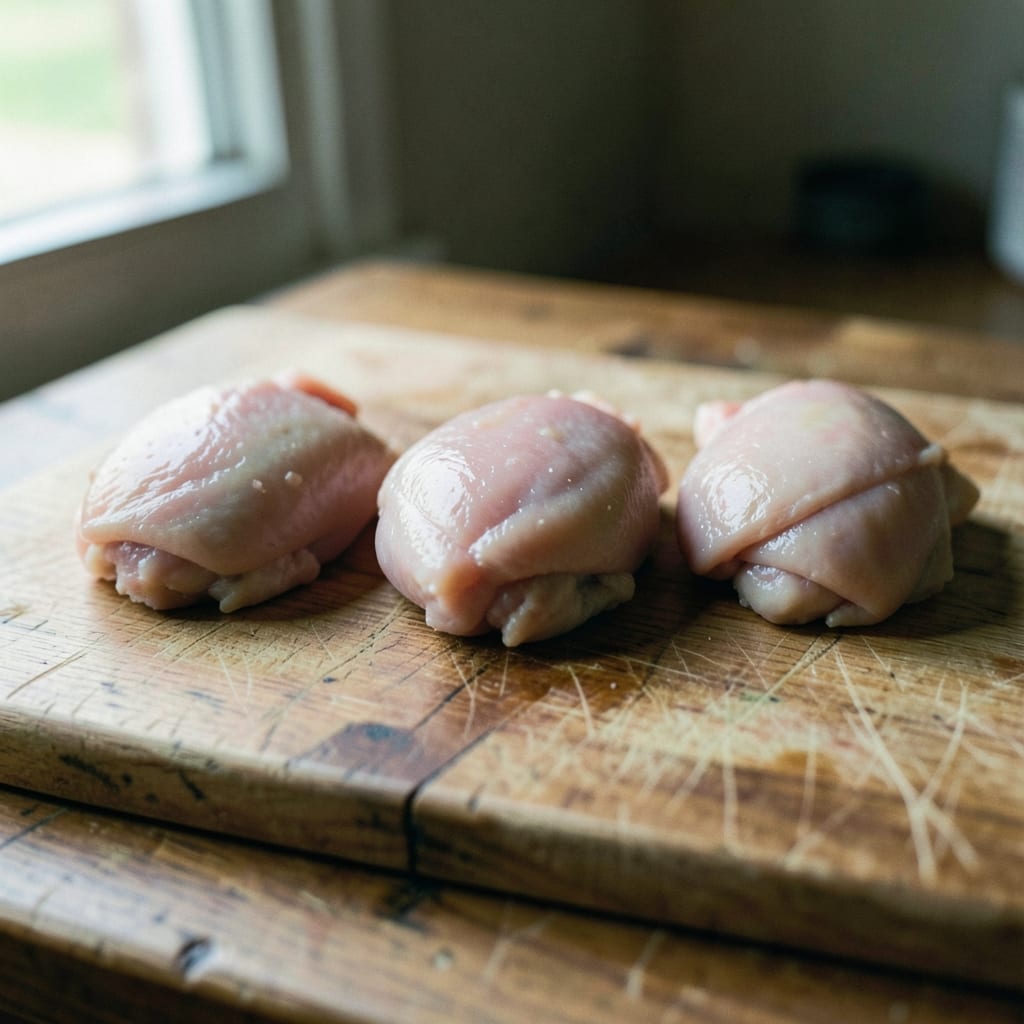
Testing here starts with the clock: every recipe is timed three times—once for prep, once for cook, and once for the ‘what if’ scenario (like forgetting to baste). If the second attempt takes 40% longer than the first, we adjust the steps.
If the third attempt still feels rushed, we add a note: *‘Skip the garnish if you’re in a hurry.’*
We track failures, too. Three batches of a dish scrapped? That’s not a fluke—it’s a red flag. The ‘perfect’ sear that looked golden in the photo turned out greasy in the pan? We rewrite the method. No shortcuts. No ‘close enough.’
And yes, we keep the receipts. Literally. Every test run gets logged: the oven temp, the resting time, even the humidity (because some days, the air itself fights you). If a recipe doesn’t work on a Tuesday in July, it doesn’t get published until it does.
It means burning through five batches of fried chicken before the oil temperature stabilised, or letting a whole roast go cold while we argued over the thermometer’s placement.
About the author

Dwight Ocampo is the founder and editor of *Chicken Recipes Sear*, where he turns kitchen chaos into recipes that actually work.
The rules we work by
- 1Fail first
Every recipe starts with a mistake—burnt edges, uneven sear, or a texture that’s all wrong. The first attempt isn’t the answer; it’s the proof of what needs fixing. This costs time, but it saves you from guessing.
- 2No ‘chef’s kiss’ shortcuts
If a step feels like it’s there just to sound professional, it gets cut. No ‘deglaze with a splash of red wine’ when a splash of water works just as well. This costs credibility, but it keeps the recipe honest.
- 3Test with bad tools
We use a $20 thermometer, a chipped cast-iron skillet, and a timer that beeps at random intervals. If it works there, it’ll work in your kitchen. This costs ego, but it earns trust.
- 4Admit what’s hard
Brining a turkey takes eight hours. Resting meat for 45 minutes isn’t optional. We don’t sugarcoat it, because pretending it’s easy makes it harder for you. This costs readers who want quick fixes—but those readers aren’t here for lessons.
- 5The photo must lie
If the real result looks different from the photo, we say so. ‘The sear will be darker than it appears here.’ ‘This glaze pools—here’s how to fix it.’ This costs pretty pictures, but it saves you from disappointment.
Breaking a rule doesn’t mean we’re wrong—it means the rule needed updating. The first version of our ‘crispy skin’ guide assumed a well-seasoned pan. When a tester used a nonstick skillet and the skin stuck, we rewrote the method. The rule didn’t fail; the assumption behind it did.
This will not be right for everyone
Close this page if you’re looking for recipes that sound good but won’t work in your kitchen. If you want a dish that ‘just needs’ a few tweaks from you to fix, or if you’d rather skim the steps and hope for the best, this isn’t the place.
We don’t do ‘approximate’ or ‘adjust to taste’—because those phrases are just excuses for recipes that didn’t work the first time.
This site is for people who’ve burnt a chicken before and want to know why. For cooks who’ve followed a recipe exactly and still ended up with something that didn’t taste right.
For anyone who’s tired of being told ‘it’s easy’ when the proof is in the pan—and the pan is a disaster.
You could just be told what you want to hear
We could say every recipe here is ‘foolproof,’ or that our methods are ‘revolutionary.’ But you’d know we were lying—or at least, that we’d never actually tested it. Instead, we tell you when a step is critical, when you can skip it, and what happens if you don’t.
That’s not sugarcoating. It’s giving you the tools to decide whether to follow the rule or break it—and why.
Worth telling us
- The one time a recipe *didn’t* work after three tests—and what we learned from it.
- The ingredient you’d think is optional but isn’t (and why it’s there).
- The kitchen tool you don’t need, and the one you’re probably using wrong.
The recipes are grouped by category: Appetizers, Beverages, Breakfast & Brunch, Desserts, Main Courses and Reviews.