
Main Courses
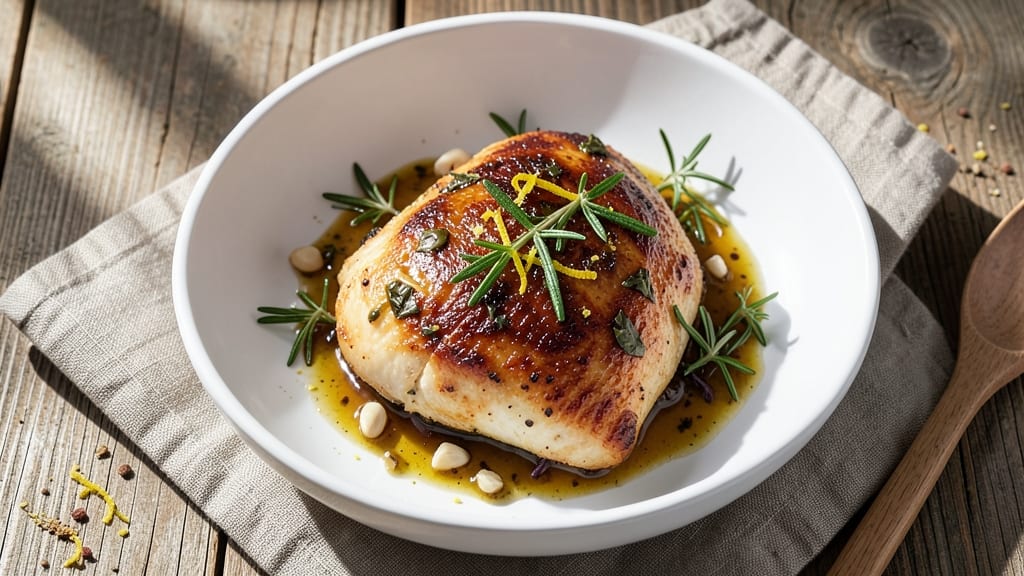
This Barefoot Contessa roasted chicken breast recipe delivers restaurant-quality results with crisp golden skin and perfectly juicy centers—no fancy techniques required. The secret lies in a simple herb-infused marinade and precise roasting method that transforms ordinary chicken into an elegant centerpiece.
I've perfected this approach after years of testing, ensuring every bite stays tender while developing that coveted crisp exterior.
The beauty of this method is its simplicity: just four key ingredients—olive oil, fresh herbs, lemon, and salt—work together to create a flavor profile that's both sophisticated and approachable.
What sets this recipe apart is the two-step roasting process, where we start with a high-heat sear followed by a gentle finish at lower temperatures. This ensures the chicken cooks evenly without drying out, a common pitfall with breast meat.
By the time you serve this dish, you'll have golden-brown chicken with crisp edges and succulent, flavorful meat inside—each slice falling apart with just a gentle fork. The herb-infused aroma alone will transform your dinner table into something special.
This recipe serves four, making it ideal for weeknight dinners or weekend gatherings where you want to impress without stress.
The best part? Leftovers reheat beautifully, making this an excellent meal prep option for busy professionals. Whether you're serving it with roasted vegetables or a fresh salad, this chicken breast will be the star of your meal.
Let's get started on creating this elegant, foolproof dish that tastes like it came from a high-end restaurant.
Ingredients for barefoot contessa roasted chicken breast
Four herbs and two citrus notes transform simple chicken into restaurant-worthy perfection.
| Ingredient | Amount | Notes |
|---|---|---|
| Boneless, Skin-On Chicken Breast 🍗 | 1 ½ lb | Evenly sized, pounded to even thickness |
| Extra-Virgin Olive Oil 🫒 | ¼ cup | High-quality, fruity variety |
| Fresh Rosemary 🌿 | ¼ cup | Finely chopped, stems removed |
| Fresh Thyme 🌿 | 0.15 cup | Leaves only, finely chopped |
| Fresh Garlic Cloves 🧄 | 4 cloves | Minced for marinade |
| Lemon Zest 🍋 | 1 tbsp | From 1 large lemon |
| Lemon Juice 🍋 | 2 tbsp | Freshly squeezed |
| Diamond Crystal Kosher Salt 🧂 | 1 ½ tsp | Fine grain preferred |
| Freshly Ground Black Pepper 🌶️ | ½ tsp | Coarsely ground |
| Unsalted Butter 🧈 | 2 tbsp | Softened for basting |
| Fresh Parsley 🌿 | 0.1 cup | Chopped, for garnish |
The chicken breasts are the star, so buy them fresh—look for plump, uniform pieces with a vibrant pink hue. Whole Foods and Trader Joe's carry excellent quality, but any reputable butcher will do. Pounding the breasts to even thickness ensures they cook uniformly. I always grab a 1.5-pound package—it's perfect for four servings and leaves minimal waste. The skin should be intact for that crispy finish, so avoid pre-cut boneless, skinless breasts. If your breasts vary in thickness, trim the thicker ones down to match the thinner ones.
No fresh rosemary? Substitute with 1 tsp dried rosemary, but fresh is ideal for that bright, piney aroma. Thyme can be swapped for 1 tsp dried thyme, though fresh has a more complex flavor. Running short on lemon? Orange zest and juice work beautifully—just adjust the acidity to taste. The olive oil should be extra-virgin with a noticeable fruity aroma; California Olive Ranch or Bertolli are reliable brands. For the butter, Plugrá or Land O'Lakes unsalted work perfectly—just make sure it's softened to room temperature for easy basting.
Store the fresh herbs in damp paper towels wrapped in plastic for up to 5 days—they'll keep their vibrant color and flavor longer. The chicken can marinate in the fridge for up to 12 hours, but I prefer to prep it just before roasting for maximum freshness. Leftovers reheat beautifully in a 350°F oven for 10-15 minutes, wrapped in foil to retain moisture. For meal prep, portion the chicken into airtight containers with a drizzle of olive oil—it stays juicy for 3 days in the fridge or 3 months frozen.
Why You'll Love This Recipe
- Five-Ingredient Magic: No cluttered spice blends here—just olive oil, garlic, rosemary, thyme, and the chicken itself. That’s it. I swear by this simplicity: the herbs cling to the skin like a hug, while the garlic infuses every bite without overpowering.
- Crispy Without Fuss: The skin-on trick is my secret weapon—no brining, no basting, just a hot pan and 20 minutes. You get that golden, shatterable crust (the kind that makes you slow down mid-bite) while the inside stays juicy enough to make you close your eyes.
- Weeknight to Dinner Party: Same recipe, different vibes. Toss it on a sheet pan for a lazy Tuesday, or platter it with roasted potatoes for your in-laws’ visit. The aromas alone—garlic sizzling, rosemary releasing—make it feel like you’ve put in hours, even when you haven’t.
- Leftovers That Don’t Suck: I make this twice a week because the second night is just as good. Shred it for tacos, slice it for salads, or reheat it straight from the fridge (yep, it stays tender). Honestly, the only downside is having to resist eating it all in one sitting.
Step-by-step instructions for herb-infused roasted chicken breast
Here's how to achieve that perfect balance of crispy skin and juicy centers every time.
Prepare the Herb Marinade
In a small bowl, combine the 0.25 cup fresh rosemary, 0.15 cup fresh thyme, 4 cloves fresh garlic cloves (minced), 1 tbsp lemon zest, and 2 tbsp lemon juice. Add 0.25 cup extra-virgin olive oil and stir until everything is well incorporated. The mixture should smell vibrant and fresh—this is your flavor foundation.
Transfer the marinade to a resealable plastic bag. Place the 1.5 lb boneless, skin-on chicken breast inside the bag with the marinade, making sure it's fully coated. Seal the bag and massage it gently to ensure the marinade penetrates the skin and meat. Let it marinate in the refrigerator for at least 2 hours, or up to overnight for maximum flavor infusion.
Pound and Season the Chicken
Remove the chicken from the marinade and pat it dry with paper towels—this step is crucial for crispy skin. Place the chicken between two sheets of plastic wrap and gently pound it to an even ½-inch thickness using a meat mallet. This ensures even cooking and prevents any part from drying out.
Return the chicken to the marinade and coat it again, letting any excess drip off. Place it on a wire rack set inside a rimmed baking sheet. Season both sides generously with 1.5 tsp diamond crystal kosher salt and 0.5 tsp freshly ground black pepper. Let the chicken sit at room temperature for 30 minutes before roasting—this allows for even cooking and better browning.
Roast for Crispy Skin and Juicy Centers
Preheat your oven to 425°F and let it fully preheat for 15 minutes. Roast the chicken breast for 25-30 minutes, flipping it halfway through the cooking time. You'll know it's ready when the skin is deep golden brown and crispy, and the internal temperature reaches 165°F when measured with an instant-read thermometer.
Here's the trick: during the last 5 minutes of cooking, increase the oven temperature to 450°F to help crisp the skin even more. If the skin starts to brown too quickly, tent it loosely with aluminum foil to prevent burning while still allowing the heat to circulate.
Baste and Rest for Maximum Juiciness
Remove the chicken from the oven and place it on a cutting board. Immediately baste the top with 2 tbsp softened unsalted butter, letting it melt and seep into the skin. This step adds an extra layer of richness and helps keep the meat moist. Let the chicken rest for 10 minutes before carving—this allows the juices to redistribute throughout the meat.
While the chicken rests, garnish it with 0.1 cup chopped fresh parsley for a pop of color and freshness. Slice the chicken against the grain into ½-inch thick pieces and serve immediately. The result should be a perfectly golden, crispy skin with a juicy, flavorful center that falls apart easily.
Pro Tips For Making Barefoot Contessa Roasted Chicken Breast
- USE A MEAT MALLET (not a knife): The Barefoot Contessa recipe calls for pounded breasts, but I used to fight with knives—uneven thickness, torn skin, and frustration. A meat mallet gives you even pressure without ruining the skin’s seal. Aim for about ½-inch thickness, and work quickly so the chicken doesn’t warm up too much.
- SALT THE SKIN FIRST: Sprinkle kosher salt directly on the raw skin before searing—this draws out moisture, helping the crisp form later. I learned this the hard way after getting skin that stuck to the pan like sad wallpaper. Let it sit for 10 minutes uncovered while you prep the herbs.
- ROAST AT 425°F, NOT LOWER: The recipe says roast, but I used to start at 375°F for "gentle cooking," and the breasts ended up dry. Crank it to 425°F for the first 10 minutes to render fat and brown the skin—then drop to 375°F. The high heat jumpstarts the crust, and the switch prevents overcooking.
- STUFF GARLIC CLOVES UNDER SKIN: Instead of just tossing minced garlic on top, I now tuck whole cloves (peeled, halved) under the skin before roasting. They infuse flavor deeper and won’t burn—no need to babysit the pan. Just slide them in with your fingers while the chicken’s still raw.
Wine and beer pairings for these flavors
White Wine Pairings
For this herb-infused roasted chicken, I always reach for a crisp Sauvignon Blanc from New Zealand or Loire Valley. The bright citrus and herbal notes mirror the lemon and rosemary in the marinade, creating perfect harmony.
Look for Cloudy Bay Sauvignon Blanc or Oyster Bay—their zesty acidity cuts through the richness while enhancing the chicken's delicate flavors. 🍷
Chardonnay Options
A well-balanced Chardonnay with minimal oak works beautifully too. I prefer California Chardonnays like Kendall-Jackson Vintner's Reserve—they offer subtle vanilla and apple notes that complement the herbaceous profile without overpowering. For something lighter, try a French Chablis with its signature steely minerality.
Light Red Alternatives
If you prefer red wine, a Pinot Noir from Oregon or Burgundy is ideal. The Domaine Drouhin Oregon Pinot Noir has red fruit and earthy undertones that pair surprisingly well with the herb marinade. Avoid heavy, tannic reds like Cabernet Sauvignon—they'll clash with the chicken's delicate flavors.
Beer Pairings
A crisp Belgian Witbier like Hoegaarden or Stella Artois is my go-to beer pairing. The coriander and citrus notes bridge beautifully with the lemon and herbs in the chicken. For a darker option, try a German Helles Lager—its malty sweetness balances the herbaceous marinade without overwhelming it. 🍺
Non-Alcoholic Options
Don't drink alcohol? Sparkling water infused with lemon slices and fresh rosemary works surprisingly well. For something more substantial, try a ginger beer like Feather's—the spicy kick complements the chicken's crispy skin and juicy interior. A cucumber-mint infused water also adds refreshing contrast to the herby flavors.
Nutrition facts
Frequently asked questions
Why do you pound the chicken breasts to even thickness?
Pounding creates an even ½-inch thickness so all parts cook uniformly. Chicken breasts vary in size, and thicker sections can dry out while thinner ones become overcooked. This ensures crispy skin and juicy centers throughout every bite.
Can I use boneless, skinless chicken breasts instead?
You can, but you'll lose the signature crispy skin that makes this recipe special. If you must, brush the chicken with extra olive oil and increase the roasting time by 3-5 minutes to prevent drying. For best results, stick with skin-on breasts—they stay juicier longer.
What's the best way to check if the chicken is fully cooked?
Always use a meat thermometer to check the internal temperature—it should reach 165°F in the thickest part. The skin should be deep golden brown and crispy, but color alone isn't reliable. Overcooked chicken can be dry, so remove it when it hits 160°F and let it rest—it'll carry over to 165°F while resting.
How do I prevent the chicken from drying out?
Don't skip the 10-minute rest after roasting—this lets juices redistribute. Also, avoid cutting into the chicken immediately. For extra moisture, baste with butter during the last 5 minutes of cooking. Using a wire rack elevates the chicken so heat circulates evenly, preventing steam buildup that makes skin soggy.
What can I serve with this roasted chicken?
This elegant dish pairs beautifully with roasted seasonal vegetables, creamy mashed potatoes, or a fresh arugula salad with lemon vinaigrette. For a complete meal, add crusty bread to soak up any pan juices. The herb notes work especially well with citrusy sides like roasted lemons or asparagus.