
Soups & Stews
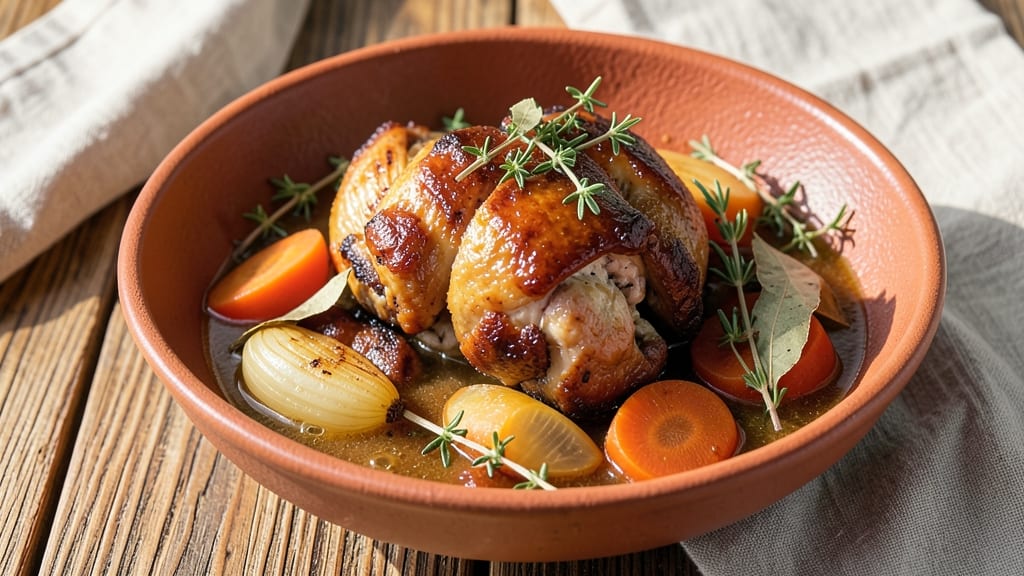
Stewed chicken gizzards transform gamey meat into rich, tender bites that bring soul to any table—this is the recipe I perfected after years of working with offal in Charleston kitchens. The secret lies in slow braising, where tough fibers melt into umami depth while absorbing aromatic spices. My grandmother used to say gizzards taste like "heaven's leftovers," and she wasn't wrong when prepared this way.
Cleaning gizzards properly is half the battle—pat them dry after soaking, then sear them in hot oil until golden before simmering in broth with onions, garlic, and thyme. This method breaks down collagen while building layers of flavor that turn gamey into gloriously savory.
The result? Fork-tender meat that practically falls apart with each bite, coated in a sauce thickened just enough to cling.
What you'll end up with is a dish that feels both rustic and refined—perfect for feeding a crowd or a quiet Sunday supper. The aroma alone will have everyone gathering at the table, while the texture delivers that satisfying contrast of crisp edges and silky centers.
This is comfort food at its most sophisticated, where humble ingredients become extraordinary through technique.
Serve with crusty bread to soak up every last drop of that rich stewing liquid, or pair with mashed potatoes for the ultimate hearty meal. The leftovers reheat beautifully too, making this a recipe that gives back all week long. Let's get started—your taste buds will thank you.
Ingredients for stewed chicken gizzards
Gamey gizzards transform into tender, rich bites with these 13 essential ingredients.
| Ingredient | Amount | Notes |
|---|---|---|
| Chicken Gizzards 🍗 | 1 ½ lb | Fresh, cleaned and patted dry |
| Yellow Onions 🧅 | 1 whole | Medium size, sliced into half-moons |
| Garlic Cloves 🧄 | 4 cloves | Peeled and lightly crushed |
| Carrots 🥕 | 2 medium | Peeled and cut into chunks |
| Fresh Thyme 🌿 | ½ oz | Or 1 tbsp dried thyme |
| Bay Leaves 🌿 | 2 whole | Dried, standard size |
| Chicken Broth 💧 | 4 cups | Low-sodium preferred |
| Red Wine 🍷 | ½ cup | Dry, like Cabernet Sauvignon |
| Olive Oil 🫒 | ¼ cup | Extra-virgin for searing |
| All-Purpose Flour 🌾 | 1 tbsp | For dredging gizzards |
| Salt 🧂 | 1 ½ tsp | Kosher salt preferred |
| Black Pepper 🌶️ | ½ tsp | Freshly ground |
| Tomato Paste 🍅 | 1 tbsp | Smooth texture preferred |
The gizzards are the star here—freshness is critical. Look for plump, firm gizzards at your local butcher or Whole Foods meat counter, where they're cleaned and ready to cook. If you're cleaning them yourself, soak in cold water for 30 minutes first. The red wine adds depth that broth alone can't match—Cabernet Sauvignon works best, but any dry red will do. For the thyme, I prefer fresh sprigs from Trader Joe's organic section, but dried works in a pinch at one-third the amount.
No red wine? Extra chicken broth with 1 tbsp balsamic vinegar works surprisingly well. The carrots can be swapped for parsnips or celery if you prefer, though carrots give the best color. Fresh thyme is ideal, but dried thyme or rosemary will work if that's what you have. The tomato paste is non-negotiable for thickening—Rao's or Muir Glen brands are reliable. For the flour, King Arthur or Gold Medal all-purpose work perfectly for dredging. If you're short on time, skip the dredging entirely and just sear the gizzards directly in the oil.
This stew tastes even better the next day as flavors meld. Store in an airtight container in the fridge for up to 5 days, or freeze for 3 months in portion-sized containers. The sauce thickens as it cools, so add a splash of broth when reheating. I always make a double batch—leftovers reheat beautifully and make an excellent lunch the next day. The gizzards keep their texture perfectly when reheated gently, so avoid boiling them.
Why You'll Love This Recipe
- Here’s what sold me: the flavor gets better the next day. The gizzards stay juicy, the sauce thickens into something almost gravy-like, and suddenly, lunch is solved. I’ll be real—my kids actually ask for it reheated, which never happens with most leftovers. (Yes, even on a Tuesday night.)
- One-Pot Magic: I swear by this recipe when I’m too tired to scrub pots—just toss everything in one deep skillet, cover it, and walk away. The onions caramelize right into the gizzards while you’re doing whatever (laundry? watching a show?), and the thyme infuses that earthy warmth without extra effort.
- Rich, Deep Umami: That crispy exterior on tender gizzards? Chef’s kiss. But what really sells me is how the garlic and thyme marry with the meat’s natural richness—like a cozy hug in a bowl. The carrots add just enough sweetness to balance the savory, and honestly? It tastes like a restaurant dish, not something I threw together.
- Budget Feast: Between us, gizzards are the ultimate secret weapon for stretching a meal. A pound feeds four easily, and the veggies stretch it even further—no one’s left picking at sad scraps. My college roommates and I lived on this; it’s the kind of dish that makes you feel like you’re eating well without breaking the bank.
Step-by-step instructions for stewed chicken gizzards
Transform gamey gizzards into tender, flavorful bites with this precise technique.
Sear the Gizzards for Deep Flavor
Heat the 0.25 cup olive oil in a Dutch oven over medium-high heat until shimmering. Working in batches if needed, add the 1.5 lb chicken gizzards and sear for 3-4 minutes per side until deeply browned. This step develops the rich umami flavor that defines the dish.
Don't overcrowd the pan—leave space between gizzards so they crisp properly. You'll know they're ready when they turn a deep golden brown and release easily from the pan. Transfer the seared gizzards to a plate and set aside.
Build the Aromatic Base
In the same Dutch oven, add the 1 whole yellow onions and 2 medium carrots, cooking for 5 minutes until softened. Stir in the 4 cloves garlic cloves and cook for 30 seconds until fragrant. This foundational step ensures all the vegetables contribute to the stew's depth.
Add the 0.5 oz fresh thyme, 2 whole bay leaves, 1 tbsp tomato paste, and 1.5 tsp salt, stirring to coat the vegetables. Cook for 1 minute to toast the spices and deepen their flavor. This step creates the aromatic backbone of your stew.
Deglaze and Simmer the Gizzards
Pour in the 0.5 cup red wine and scrape up any browned bits from the bottom of the pot. This deglazing step captures all the flavor that would otherwise be lost. Let it simmer for 2 minutes until the wine reduces by half.
Return the seared gizzards to the pot, then add 4 cups chicken broth and 0.5 tsp black pepper. Bring to a gentle boil, then reduce heat to low and cover partially. Simmer for 1.5 hours until the gizzards are fork-tender and the sauce has thickened slightly.
Finish and Adjust Seasoning
Remove the gizzards and vegetables from the stew and set aside. Strain the broth through a fine-mesh sieve to remove any impurities, then return it to the pot. If the sauce is too thin, simmer uncovered for 5-10 minutes to reduce it to your desired consistency.
Return the gizzards and vegetables to the pot, adjusting seasoning with additional salt if needed. The final stew should have a rich, velvety texture with tender gizzards that pull apart easily. Serve immediately with crusty bread or over polenta.
Pro Tips For Making Stewed Chicken Gizzards
- Blanching First, Always: Drop those gizzards in boiling water for 2 minutes before stewing—yes, even if they look clean. I learned this the hard way after a batch turned rubbery; blanching loosens the connective tissue so they stay tender, not chewy. Use a big pot and don’t crowd them, or they’ll steam instead of blanch.
- Caramelize Onions Low: Skip the rush—let those onions cook on medium-low for 15 minutes until deep golden, not just soft. I used to walk away too soon, and the stew never got that rich, jammy depth. Add a pinch of sugar if they’re stubborn, but patience is the real upgrade here.
- Don’t Overcrowd the Pot: If your gizzards are packed in like sardines, they’ll steam instead of brown and release flavor. Work in batches if needed—crowding turns stews bland and watery. Trust me, your future self will notice the difference when the first bite hits.
- Thyme Bundles Save Time: Tie 3-4 sprigs of thyme into a bundle with kitchen twine, then toss it in whole. No more picking out stems later, and you can snag it out clean when serving. (Yes, even if you’re impatient like me.) It also keeps the leaves intact for maximum aroma.
Storing and reheating your leftovers
Refrigerator Storage
Store your stewed chicken gizzards in an airtight glass container (I prefer Pyrex with snap-on lids) and refrigerate for up to 5 days. The flavors actually deepen overnight as the spices meld together—this is when the dish truly shines.
Let it cool completely before storing to prevent condensation, which can make the sauce watery. 💫
Freezer Prep Tips
For longer storage, freeze in quart-sized freezer bags (leave 1 inch headspace for expansion) or glass containers with tight seals. Portion into single servings for easy reheating later.
I like to label bags with the date—this stew stays delicious for up to 3 months without losing texture. Use within 3 months for best quality.
Stovetop Reheating
My preferred method is stovetop reheating—it preserves the perfect texture. Pour the stew into a heavy-bottomed pot and heat over medium-low heat for 10-15 minutes, stirring occasionally.
Add 2-3 tablespoons of chicken broth if the sauce thickens too much. Taste and adjust seasoning—gizzards often need a pinch of salt after reheating. 🔥
Microwave Method
For quick reheating, transfer a single serving to a microwave-safe bowl and cover with a damp paper towel. Heat on 50% power for 2-3 minutes, stir, then continue in 30-second intervals until reaching 165°F internal temperature.
Avoid full power—it can make the gizzards rubbery. Stir well before serving to redistribute any settled sauce.
Oven Refresh
For a restaurant-quality finish, transfer the stew to an oven-safe dish, cover with foil, and bake at 325°F for 20-25 minutes. This gentle method keeps the gizzards moist and the sauce velvety.
Perfect for when you want to serve the stew piping hot without standing over the stove. Add a splash of broth if it looks too thick after reheating.
Texture Preservation
Gizzards are delicate after reheating—handle them gently to maintain their tender texture. If they look dry, add a spoonful of the reheated sauce or a splash of broth. The key is low and slow reheating—never boil.
I've found that reheating in the oven or on low stovetop heat gives the best results every time. The sauce should cling beautifully to the gizzards, just like when it was first made. ✨
Nutrition facts
Frequently asked questions
Why do chicken gizzards need to be seared before stewing?
Searing creates a flavorful crust that locks in juices and develops rich umami depth. The 3-4 minute sear on each side builds a golden-brown barrier that prevents the gizzards from drying out during the long simmer. This step transforms their gamey flavor into something truly savory.
Can I substitute red wine with something else?
Yes! Use 0.5 cup dry white wine or 0.5 cup apple cider vinegar plus 1 tbsp sugar for similar acidity. For a non-alcoholic version, try 1 cup extra chicken broth with 1 tbsp balsamic vinegar. The wine adds depth that's hard to replicate, but these alternatives work in a pinch.
How do I know when the gizzards are fully cooked?
They're done when they reach 165°F internal temperature and easily pull apart with a fork. The 1.5-hour simmer should achieve this, but check after 1 hour if you're using extra-lean gizzards. Overcooking can make them dry, so aim for tender but still slightly firm texture.
What's the best way to serve this stew?
Pair with crusty sourdough bread or creamy polenta to soak up the rich sauce. For extra flair, garnish with fresh parsley and serve with a side of roasted potatoes. The stew reheats beautifully, making it perfect for meal prep.
Can I make this recipe without flour?
Skip the dredging step entirely and sear the gizzards directly in the oil. The flour helps create a light crust, but the 1.5-hour simmer will still tenderize them perfectly. Just ensure you sear them until deeply browned for maximum flavor.