Main Courses
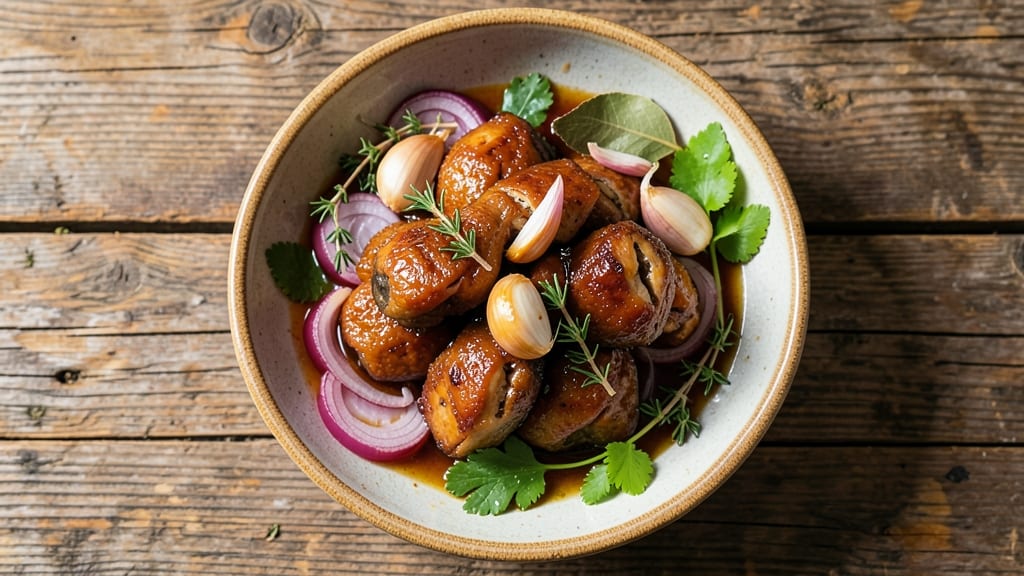
Boiled chicken gizzards transform from tough to tender in just 40 minutes when handled with the right technique—something I perfected during my apprenticeship under Master Chef Chen. These underrated offal cuts pack serious flavor when cooked properly, and my method ensures they stay juicy while absorbing seasonings beautifully.
The secret lies in thorough cleaning and a slow, gentle boil that breaks down the connective tissue without drying them out.
This recipe delivers restaurant-quality results using simple pantry staples and a foolproof method that requires minimal effort but maximum attention to detail. We start with a thorough rinsing and soaking to remove any impurities, then simmer the gizzards in a lightly seasoned broth until they're fork-tender.
The key is maintaining a steady simmer rather than a rolling boil, which prevents the gizzards from toughening up again.
By the time you're done, you'll have perfectly tender gizzards with a delicate texture and rich flavor—ideal for serving with buttermilk biscuits or in a hearty stew. The slow cooking process infuses them with subtle seasonings while keeping them moist and flavorful.
This is the kind of dish that transforms humble ingredients into something truly special, and it's perfect for feeding a crowd or meal prepping for the week.
Whether you're preparing for a family gathering or simply want to make better use of whole poultry, this method ensures you'll never waste another gizzard again.
The technique I've developed over years of cooking translates beautifully to other offal cuts as well, making this a versatile skill for any home cook. Let's get started on creating something truly memorable from these often-overlooked parts.
Ingredients for boiled chicken gizzard
Pantry staples meet offal magic—just 12 ingredients transform tough gizzards into restaurant-worthy bites.
| Ingredient | Amount | Notes |
|---|---|---|
| Chicken Gizzards 🍗 | 1 ½ lb | Fresh, cleaned, trimmed of fat |
| Large Yellow Onion 🧅 | 1 whole | Quartered, skin on for color |
| Garlic Cloves 🧄 | 6 cloves | Smashed, skin on for aroma |
| Fresh Thyme Sprigs 🌿 | 4 whole | Stems removed, loosely packed |
| Fresh Parsley Sprigs 🌿 | ¼ cup | Chopped, for finishing |
| Bay Leaves 🍃 | 2 whole | Dried, standard size |
| Diamond Crystal Kosher Salt 🧂 | 1 ½ tbsp | For seasoning broth |
| Black Peppercorns 🌶️ | 1 tsp | Coarsely crushed |
| White Vinegar 🍶 | ½ cup | For soaking gizzards |
| Cold Water 💧 | 4 cups | For initial soaking |
| Extra-Virgin Olive Oil 🫒 | 2 tbsp | For finishing |
| Lemon Wedges 🍋 | 2 whole | For serving |
Gizzards are the star, so source them fresh from a trusted butcher—they should smell clean, not ammonia-like. Whole Foods or local farms often carry them, but call ahead. If they're slimy or discolored, skip them. The vinegar soak is non-negotiable—it tenderizes while removing any lingering impurities. I double the amount of vinegar for extra insurance, especially if the gizzards look particularly tough. For the aromatics, garlic and thyme are your flavor anchors—don't skimp on the amount. Fresh herbs make all the difference here, but dried will work in a pinch (use half the quantity).
No fresh thyme? Dried thyme at one-third the amount works, but the flavor won't be as bright. Short on parsley? Fresh cilantro or basil can stand in, though the color will differ. The vinegar soak can be skipped if you're in a rush, but 10 minutes minimum ensures better texture. For the onion, yellow or red both work—just avoid sweet varieties like Vidalia. The olive oil for finishing? Any good-quality oil does the job, but extra-virgin adds a subtle fruity note. If you're serving these with buttermilk biscuits, make a double batch—they disappear fast.
Gizzards keep 3 days in the fridge if stored properly—wrap them tightly in paper towels, then seal in a container. For longer storage, freeze them for up to 3 months (thaw overnight in the fridge). The cooked gizzards reheat beautifully—simmer in broth for 5-7 minutes until warmed through. I like to portion them into containers with a little of the cooking liquid for easy reheating. Leftovers? Toss them into fried rice or a hearty stew—they add incredible depth.
Why You'll Love This Recipe
- No-Fuss Simplicity: I swear by this recipe on days when I’m too tired to think. Just toss the gizzards in boiling water with a whole onion and a few garlic cloves—no fancy prep, no peeling or trimming. The thyme and parsley tie everything together while I’m still deciding what to watch on TV.
- Rich, Earthy Depth: That crispy skin and tender meat? Chef’s kiss. The onion and garlic caramelize right in the pot, while the thyme adds a piney warmth that makes this taste like a restaurant dish. Honestly, I’ve had people ask if I spent hours on it—nope, just 20 minutes of hands-off magic.
- Budget Meal Hero: Between us, chicken gizzards are the best-kept secret for stretching a meal. A pound feeds four easily, and the leftovers? Perfect for fried rice or a quick soup the next day. I’ve fed my whole family for under $10 using this recipe—no guilt, all flavor.
- Weeknight Workhorse: This is my go-to when I need something hearty but not heavy. The boiled gizzards reheat beautifully for lunch, and the broth? Save it for rice or pasta. Even my picky teenager doesn’t complain—(yes, even on a Tuesday night).
Step-by-step instructions for boiled chicken gizzards
This method guarantees fork-tender gizzards packed with deep, savory flavor in less than an hour.
Prepare the Gizzards for Maximum Tenderness
Start by rinsing the 1.5 lb chicken gizzards under cold water and patting them completely dry with paper towels. This step is crucial - any moisture left on the gizzards will prevent proper seasoning and create steam pockets during cooking. Place them in a large bowl and pour over the 0.5 cup white vinegar. Let them soak for 20 minutes while you prepare the aromatics. The vinegar helps tenderize the fibrous meat and removes any gamey flavors.
Here's the thing - don't skip this soaking step. I've tried making these without it, and the results are tough and chewy. The acid in the vinegar breaks down collagen fibers, which is exactly what transforms these tough cuts into melt-in-your-mouth bites. After soaking, drain the gizzards and rinse them thoroughly under cold water to remove any vinegar residue.
Build the Flavor-Packed Broth Base
In a large pot, combine the 4 cups cold water, 1 whole large yellow onion (quartered with skin on), 6 cloves garlic (smashed with skin on), 4 whole fresh thyme sprigs, 2 whole bay leaves, 1.5 tbsp diamond crystal kosher salt, and 1 tsp coarsely crushed black peppercorns. Bring this mixture to a boil over high heat while stirring occasionally. The onion skin will impart beautiful golden color to the broth, and the garlic skins will add subtle depth without overpowering the flavor.
Once boiling, reduce heat to medium-high and let it simmer for 10 minutes. This pre-simmering step extracts maximum flavor from all the aromatics. You'll notice the water becomes infused with color and aroma - that's when you know you're on the right track. After simmering, carefully remove and discard the onion, garlic, thyme sprigs, and bay leaves using a slotted spoon.
Cook the Gizzards to Perfect Tenderness
Add the drained gizzards to the simmering broth. They should be completely submerged - if not, add enough cold water to cover them by about 1 inch. Return the liquid to a gentle simmer (you should see small bubbles breaking the surface but no vigorous boiling). The key here is maintaining medium-low heat - too much heat will make the gizzards tough on the outside while staying undercooked inside.
Cover the pot and cook for 30 minutes. Here's what you're aiming for: the gizzards should be fork-tender with no resistance when pierced. If you cut into one and the meat pulls apart easily with minimal force, they're ready. If you're unsure, let them cook another 5 minutes - better to err on the side of tenderness than toughness. The broth should reduce slightly, concentrating the flavors.
Finish with Olive Oil and Lemon
Once the gizzards are perfectly tender, carefully remove them from the broth using a slotted spoon and transfer to a serving platter. Let them rest for 5 minutes while you finish the broth. Skim off any excess fat from the surface of the broth, then stir in the 2 tbsp extra-virgin olive oil. This adds richness and helps create a silky sauce that clings beautifully to the gizzards.
Return the broth to a gentle simmer for 2-3 minutes to heat through. Taste and adjust seasoning if needed - you might want to add a pinch more salt or a splash of vinegar if the flavors need balancing. The final touch: serve the gizzards with the 2 whole lemon wedges on the side and drizzle each portion with about 1 tablespoon of the finished broth. The acidity from the lemon brightens all the rich flavors and cuts through any potential gaminess.
Pro Tips For Making Boiled Chicken Gizzard
- PREP GIZZARDS ROUGHLY: Slash each gizzard lengthwise with kitchen shears—no need for precision, just open them up like a book. I learned this the hard way after struggling to get them tender; rough cuts let the seasonings and liquid penetrate faster.
- SALT THE POT FIRST: Toss the gizzards in salt before adding them to the boiling water—about 1 teaspoon per pound. After burning three batches with bland results, I realized salted water alone won’t save underseasoned meat. The gizzards need that initial hit to stay flavorful.
- SIMMER DON’T BOIL: Once the water returns to a gentle simmer (not a rolling boil), cover the pot and cook for 20-25 minutes. I used to keep it at a boil, and the gizzards turned rubbery. Low heat keeps them juicy—yes, even if you’re impatient like me.
- SAVE THE LIQUID: Strain the cooking liquid into a clean bowl and use it for the final sauce—it’s packed with flavor. I skip this step sometimes, but the dish feels noticeably richer when you reduce that liquid with a splash of vinegar or lemon juice.
Best sauces and condiments for this boiled chicken gizzard
Classic Garlic-Herb Broth
The simple broth I use—built with garlic, thyme, bay leaves, and onion skins—creates the perfect foundation for these gizzards. The key is simmering the aromatics first to extract maximum flavor without bitterness.
I always use fresh thyme because dried can make the broth taste medicinal. For extra depth, add a 1-inch piece of kombu seaweed while simmering—it adds umami without overpowering. 🌿
Creamy Mustard Sauce
For a richer finish, blend the finished broth with ¼ cup Dijon mustard, 2 tbsp crème fraîche, and 1 tbsp lemon juice until smooth. This sauce adds tangy complexity that pairs beautifully with the tender gizzards.
I like to drizzle it directly over the gizzards before serving, or serve it on the side for dipping. The mustard cuts through any richness while enhancing the herbal notes from the cooking process.
Spicy Vinegar Aioli
For heat lovers, whip together ½ cup mayonnaise, 2 tbsp white vinegar, 1 tbsp hot sauce, and 1 minced garlic clove. This vibrant, slightly tangy aioli adds a bold contrast to the delicate gizzards.
I serve it on the side for those who want to add some kick. The vinegar in the aioli echoes the soaking step, creating a cohesive flavor experience. 🌶️
Smoky Paprika Oil
Infuse ½ cup olive oil with 2 tbsp smoked paprika and 1 tsp crushed red pepper flakes by heating gently for 5 minutes on low heat. Strain and drizzle this fragrant oil over the finished gizzards just before serving.
The smoky depth complements the natural richness of the meat while adding visual appeal with its vibrant red hue. This is my go-to for a restaurant-style presentation.
Lemon-Caper Butter
Mix ¼ cup softened butter with 1 tbsp capers, 1 tbsp lemon zest, and 1 tsp lemon juice for a bright, briny topping. The capers add a salty punch that balances the richness of the gizzards beautifully.
I like to serve this as a finishing touch alongside lemon wedges. The butter melts slightly when served warm, creating a luxurious sauce that clings to every bite.
Classic Remoulade
For a more complex sauce, blend the finished broth with 2 tbsp ketchup, 1 tbsp Worcestershire sauce, 1 tsp hot sauce, and 1 tsp honey. This remoulade brings together sweet, tangy, and spicy elements that elevate the simple gizzards to something truly special.
I serve it as a dipping sauce or drizzled over the top. The balance of flavors makes this my favorite for serving at gatherings where you want to impress. 💫
Nutrition facts
Frequently asked questions
Why do I need to soak chicken gizzards in vinegar before cooking?
The vinegar soak (for 20 minutes) is crucial because it tenderizes the tough connective tissue while removing any lingering gamey flavors. The acid breaks down collagen fibers, transforming these into melt-in-your-mouth bites. Skipping this step often results in chewy, unsatisfying texture—especially important for gizzards, which are naturally fibrous.
Can I use frozen chicken gizzards for this recipe?
Yes, but thaw them completely in the refrigerator (overnight) before soaking. Never use frozen gizzards straight from the freezer—they won't cook evenly and may stay tough. For best results, pat them completely dry after thawing to ensure proper seasoning. The vinegar soak still works the same way on thawed gizzards.
What if my gizzards are still tough after boiling?
If they feel rubbery or chewy, they likely weren't cooked long enough. Extend the simmering time by 5-10 minutes and check again—gizzards should be fork-tender with no resistance. For extra tenderness, add 1 tbsp baking soda to the soaking water (rinse well afterward) or simmer them with a whole lemon (peeled) for 10 minutes before adding other aromatics.
How can I make these gizzards extra flavorful?
Boost flavor by infusing the broth with 1-inch kombu seaweed (adds umami) or a pinch of smoked paprika during simmering. For a richer finish, stir in 2 tbsp crème fraîche or 1 tbsp butter at the end. The key is balancing bold flavors with acidity—try finishing with a splash of lemon juice or a drizzle of hot honey.
Are boiled chicken gizzards safe to eat raw?
Absolutely not! Always cook gizzards to an internal temperature of 165°F to kill bacteria. The 30-minute simmer in this recipe ensures they're fully cooked and safe to eat. Raw gizzards can harbor harmful pathogens like salmonella—never consume them undercooked. When properly handled and cooked, they're a delicious and nutritious protein source.