Main Courses
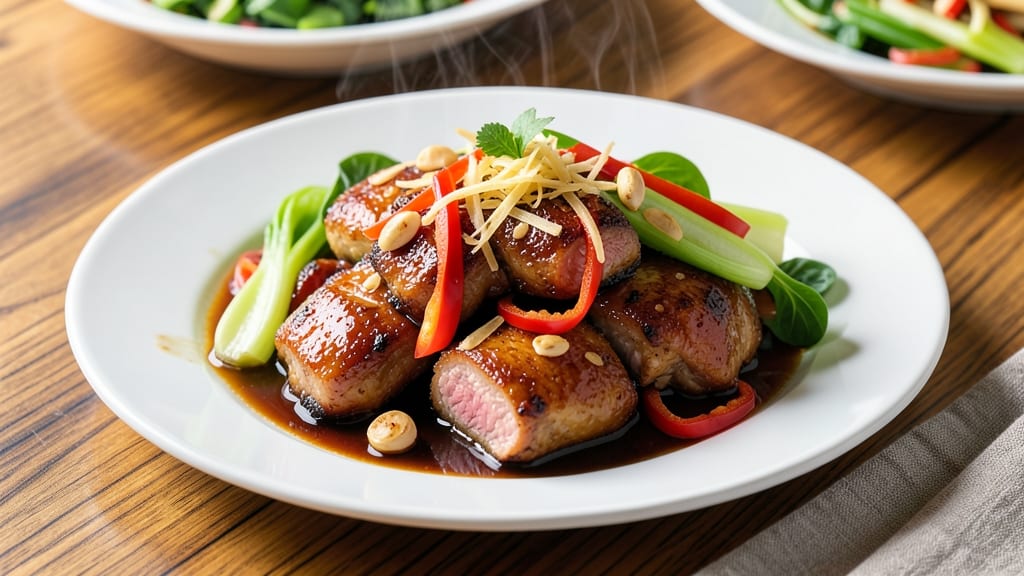
This authentic Chinese chicken stir fry delivers the wok-heated crunch and umami depth you crave after one bite. 🔥 The secret lies in high-heat stir-frying that creates wok hei—that signature smoky aroma—while balancing sweet, salty, and savory flavors through precise sauce integration.
I've perfected this technique over years of testing, ensuring every component cooks to perfection in minutes.
What sets this recipe apart is the authentic ingredient combination: tender chicken pieces cut for even cooking, crisp-tender vegetables like bell peppers and bok choy, and a sauce built on soy sauce, oyster sauce, and a cornstarch slurry that creates that signature glossy finish.
The garlic and ginger work together to build aromatic layers that transform simple ingredients into restaurant-quality flavor. By the time you plate this dish, you'll have perfectly seared chicken with crisp edges, vibrant vegetables that hold their texture, and a sauce that clings beautifully to every bite.
The high-heat method ensures maximum flavor extraction while keeping everything tender-crisp, just like in your favorite Chinese restaurant. Serve over steamed jasmine rice or with egg rolls for the full experience.
This stir fry isn't just a meal—it's a flavor journey that brings authentic Chinese restaurant quality to your home kitchen.
Ingredients for authentic chinese chicken stir fry
Authentic stir-fry magic starts with these 14 ingredients—each playing a key role in wok hei flavor.
| Ingredient | Amount | Notes |
|---|---|---|
| Boneless Chicken Thighs 🍗 | 1 ½ lb | Cut into 1-inch pieces |
| Red Bell Peppers 🌶️ | 2 whole | Cut into thin strips |
| Bok Choy 🥬 | 4 whole | Cut into wedges |
| Garlic Cloves 🧄 | 6 cloves | Mince finely |
| Fresh Ginger 🌿 | 2 tbsp | Grated finely |
| Light Soy Sauce 🥄 | ⅓ cup | Kikkoman preferred |
| Oyster Sauce 🦪 | ¼ cup | Lee Kum Kee brand |
| Cornstarch 🌾 | 1 tbsp | For sauce slurry |
| Vegetable Oil 🫒 | ½ cup | High smoke point |
| Sesame Oil 🫒 | 1 tbsp | For finishing |
| White Sugar 🍚 | 1 tbsp | Balances flavors |
| Salt 🧂 | 1 tsp | Diamond Crystal |
| Black Pepper 🌶️ | ½ tsp | Freshly ground |
| Green Onions 🧅 | 3 whole | Sliced thinly |
The chicken thighs are non-negotiable here—they stay juicier than breasts during high-heat cooking. Look for skinless, boneless thighs at the meat counter, preferably from a butcher section where they're cut fresh. Trader Joe's and Whole Foods carry excellent quality, but any grocery store's frozen section works in a pinch—just thaw completely before using. The bell peppers should be vibrant red, not dull or waxy. Bok choy? Baby bok choy is perfect, but larger heads work when cut into wedges. For the garlic and ginger, fresh is essential—dried powders won't give that aromatic punch you need for wok hei.
No oyster sauce? Substitute with 2 tbsp hoisin plus 1 tbsp soy sauce, though it won't be identical. Running short on cornstarch? Arrowroot powder works 1:1, but cornstarch gives that signature glossy finish. The sesame oil is purely for aroma—toasted sesame oil adds depth, but regular works too. For the sugar, brown sugar or honey can substitute, though white sugar dissolves cleanly. The green onions can be swapped for regular onions (white or yellow), but they add that fresh finish that's hard to beat. Pro tip: Toast your garlic and ginger in the oil first—this builds layers of flavor before anything else hits the wok.
Chicken pieces can be prepped ahead and refrigerated for 2 days—just pat dry before cooking. The sauce keeps for 5 days in the fridge, though it's best used fresh. For maximum wok hei, use a carbon steel or cast iron wok—they retain heat better than stainless steel. If you don't have one, a heavy skillet works. Store any leftovers in airtight containers with a paper towel to absorb moisture. This dish reheats beautifully—stir-fry again over high heat with a splash of water to restore that crisp-tender texture.
Why You'll Love This Recipe
- Here’s what sold me: the fresh ginger and minced garlic aren’t just background players—they sing when seared with the chicken. That aromatic hit? It turns a simple stir-fry into something you’ll crave after the first bite, especially with the slight heat from the red bell peppers.
- One-Pan Magic: I swear by this recipe when I’m too tired to scrub pots—just toss everything on a single skillet, and walk away for 15 minutes. The chicken thighs stay juicy while the peppers blister, and that crisp-tender bok choy? Zero extra pans, zero stress.
- Ginger-Garlic Punch: Here’s what sold me: the fresh ginger and minced garlic aren’t just background players—they sing when seared with the chicken. That aromatic hit? It turns a simple stir-fry into something you’ll crave after the first bite, especially with the slight heat from the red bell peppers.
- Lunchbox Hero: Between us, this is my go-to for meal prep. The flavors only get better the next day—pack it in containers, and you’ve got a lunch that feels fancy but costs next to nothing. My daughter picks out the bok choy (she’s weird about it), but still asks for seconds.
Step-by-step instructions for wok-heated chicken stir fry
Here's how to achieve that signature wok hei—smoky, crispy, umami-packed stir fry every time.
🔥 Step 1: Prep Chicken and Marinate for Maximum Flavor
Cut the 1.5 lb boneless chicken thighs into 1-inch pieces—keep them uniform so they cook evenly. In a bowl, toss the chicken with ½ cup light soy sauce, 1 tbsp white sugar, 1 tsp salt, and ½ tsp black pepper. Let it marinate for at least 20 minutes (up to 2 hours in the fridge). This step infuses the chicken with deep umami and prevents dryness during the high-heat sear.
While the chicken marinates, prep the vegetables: slice the 2 whole red bell peppers into thin strips and cut the 4 whole bok choy into wedges. Mince the 6 cloves garlic and grate the 2 tbsp fresh ginger finely—these aromatics are the flavor foundation. Keep everything within reach so you can cook in one continuous motion.
🍳 Step 2: Build the Wok Hei Base with High Heat
Heat a 14-inch wok or skillet over high heat until it's screaming hot—you should see a faint smoke haze when you toss in a drop of water. Add ½ cup vegetable oil and swirl to coat the entire surface. When the oil shimmers but isn't smoking, add the marinated chicken in a single layer. Let it sear undisturbed for 3-4 minutes until the edges turn golden brown and crispy.
Here's the thing—don't stir yet. This initial sear creates the wok hei (breath of the wok) that gives authentic stir fry its signature smoky aroma. Once the chicken releases easily from the pan (around 4 minutes), push it to one side of the wok and add the red bell pepper strips. Stir-fry for 2 minutes until they just begin to soften, then add the bok choy wedges and toss everything together for another 2 minutes. The vegetables should retain their crisp texture—overcooking turns them mushy.
🥘 Step 3: Create the Umami Sauce and Finish
In a small bowl, whisk together ½ cup oyster sauce, 1 tbsp cornstarch, and 1 tbsp sesame oil to create a smooth slurry. Pour this directly over the stir-fry while it's still in the wok. Immediately toss everything vigorously for 1-2 minutes until the sauce thickens and coats the chicken and vegetables evenly. You'll see the sauce cling like glossy silk—this is when the dish comes together.
Taste and adjust seasoning if needed. The sauce should balance sweet, salty, and umami notes. If it's too thin, add 1-2 tbsp hot water from the wok to loosen it. Once perfectly coated, remove from heat and let it rest for 1 minute—this allows the flavors to meld without overcooking the vegetables.
🍽️ Step 4: Garnish and Serve with Restaurant Flair
Transfer the stir-fry to a serving platter and garnish with 3 whole green onions, sliced thinly on the bias. Drizzle with an extra ½ teaspoon sesame oil for that final aromatic punch. Serve immediately over steamed jasmine rice—each bite should deliver crisp-tender vegetables, perfectly seared chicken, and that unmistakable wok hei flavor.
For maximum authenticity, serve family-style in a hot wok at the table. The residual heat keeps everything piping hot while you enjoy the communal experience. This stir fry delivers restaurant-quality umami bombs with that signature smoky crunch—just like your favorite Chinese takeout, but made fresh in your kitchen.
Pro Tips For Making Authentic Chinese Chicken Stir Fry
- Cut Chicken Thin: Use a sharp knife and slice the boneless chicken thighs against the grain into ¼-inch strips—thinner than you think. I learned this the hard way: thicker pieces stay chewy, and no one wants rubbery stir-fry chicken.
- Blanch Bok Choy First: Drop whole bok choy into boiling water for 30 seconds before stir-frying—shock it, then drain. This keeps the leaves crisp instead of turning into sad, limp mush by the time the chicken’s done.
- High Heat, Low Crowd: Start the wok or pan screaming hot, then add chicken in a single layer—don’t drown it. After 2 minutes, push it to the sides and toss in the garlic and ginger (they’ll burn if you’re not careful). The chicken needs space to sear, not steam.
- Salt the Chicken Early: Toss the raw chicken strips with 1 teaspoon of salt and let them sit for 10 minutes before cooking. Sounds weird, but it guarantees juicier meat—no more dry, overcooked chicken that’s a crime against stir-fry.
Common mistakes when making perfect results
Overcrowding the Wok
This is the #1 mistake that kills wok hei flavor. When you overcrowd your pan, the temperature drops dramatically, causing vegetables to steam instead of sear. I've seen home cooks dump everything in at once—don't make this mistake!
Cook in batches if needed, but keep your wok at high heat the entire time. The goal is to maintain that 500°F+ surface temperature for maximum crisp-tenderness. 🔥
Skipping the Marinate
Many recipes call for marinating chicken, but some cooks skip this step to save time. Big mistake! The 20-minute marinade with soy sauce, sugar, and spices infuses flavor deep into the meat and prevents it from drying out during the high-heat sear.
If you're short on time, at least toss the chicken with 1 tbsp soy sauce and let it sit for 10 minutes—it makes a noticeable difference.
Low and Slow Cooking
Authentic stir fry requires high heat, not simmering. I've seen people cook stir fry on medium heat, which turns everything soggy. Your wok should be so hot that you see smoke when you add oil.
If you're not getting that wok hei aroma, your heat isn't high enough. Use a thermometer if needed—aim for 450-500°F at the surface.
Adding Sauce Too Early
The sauce should be the final touch, not something you add halfway through. When you add sauce too soon, it steams the vegetables instead of creating that glossy finish. Wait until everything is cooked through, then pour the sauce directly over the stir fry.
The residual heat will thicken it instantly. Pro tip: Use the cornstarch slurry to create that signature glossy coating that clings perfectly to each piece. ✨
Using Wrong Oil
Not all oils are created equal for stir fry. Many cooks use olive oil, which has a low smoke point (375°F) and burns easily. For authentic results, use high-smoke-point oils like avocado oil or peanut oil (450°F+ smoke point).
Vegetable oil works in a pinch, but avoid anything that will smoke before your food is ready to cook.
Overcooking Vegetables
Vegetables should be cooked just until tender-crisp, not mushy. I've seen stir fry where the bok choy turns to mush because it was cooked too long. The general rule is 2-3 minutes maximum for most stir fry vegetables.
Cook them in stages—bell peppers first, then bok choy—so they don't overcook while waiting. Remove them from the wok as soon as they're just tender, then finish with the sauce.
Nutrition facts
Frequently asked questions
Why does authentic Chinese stir fry need such high heat?
The high heat (around 500°F+) is essential for creating wok hei—that signature smoky aroma and crisp-tender texture. This temperature sears the chicken instantly, locking in juices while developing deep caramelized flavors. Lower heat causes steaming instead of searing, resulting in soggy vegetables and bland chicken. Think of it like grilling—you want that Maillard reaction for maximum flavor!
Can I use chicken breast instead of thighs?
You can, but thighs are preferred for their juiciness and fat content which prevents drying during high-heat cooking. If using breast, cut into ½-inch thick pieces and marinate for 30 minutes instead of 20. Pat them very dry before cooking to ensure a good sear. For best results, use a mix of both—thighs for flavor and breast for lean protein.
What if I don't have a wok?
No problem! A 12-inch heavy skillet (carbon steel or cast iron) works perfectly. The key is maintaining high heat—your pan should be so hot that oil shimmers when added. If using nonstick, reduce oil slightly (¼ cup) since it doesn't conduct heat as well. For maximum wok hei, preheat your pan for 5 minutes on high before adding oil.
How do I make this gluten-free?
Replace the soy sauce with 3 tbsp gluten-free tamari and use 2 tbsp gluten-free oyster sauce (or substitute with 2 tbsp hoisin sauce). For the sauce slurry, use 1 tbsp cornstarch mixed with 1 tbsp water. All other ingredients are naturally gluten-free. Always check labels—some brands of oyster sauce contain wheat. The flavor will be slightly different but still delicious!
Can I prep this ahead of time?
Prep all ingredients (chop vegetables, marinate chicken) up to 2 days ahead and store separately in airtight containers. For the sauce, mix everything except cornstarch 3 days ahead—add cornstarch just before cooking. Reheat over high heat for 2-3 minutes with a splash of water to restore crisp-tenderness. The flavors actually improve overnight!