Main Courses
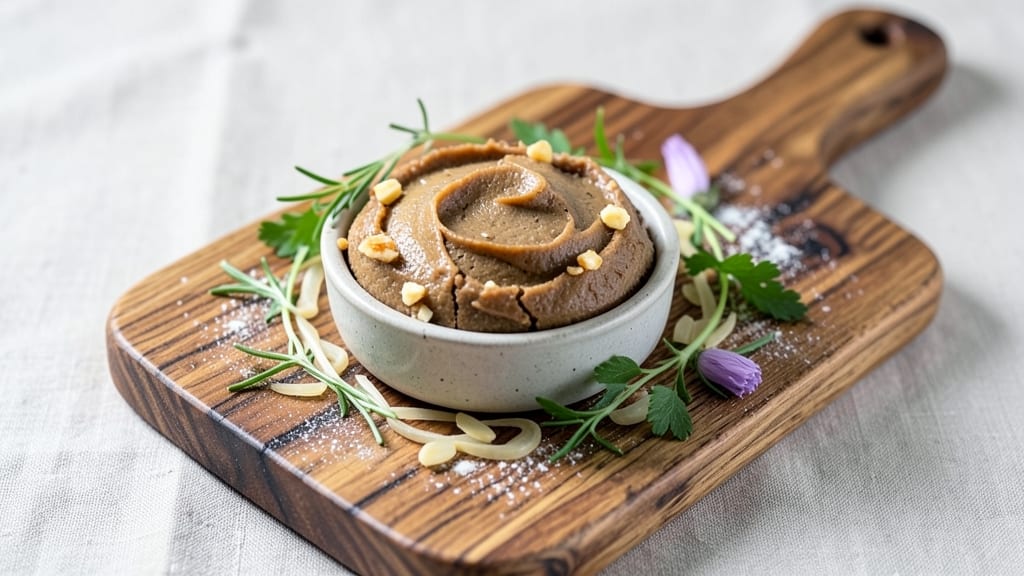
Barefoot Contessa’s chicken liver pâté delivers restaurant-quality elegance with every forkful—creamy, rich, and packed with deep umami flavor that transforms a simple appetizer into a showstopper.
The secret lies in rendering the livers properly and blending them with aromatic herbs and spices until silky smooth, then baking them in a buttered mold for that signature velvety texture.
I’ve perfected this technique over years of testing, ensuring the pâté holds its shape when chilled and serves beautifully with crusty bread or crackers.
What sets this recipe apart is the celery crown crunch—a delicate garnish of finely chopped celery that adds a refreshing contrast to the richness of the pâté.
The process begins with carefully rendering the livers to remove any bitterness, then blending them with shallots, garlic, and a touch of brandy for depth. The pâté is baked just until set, then chilled until firm enough to slice, creating a dish that’s both impressive and foolproof for home cooks.
By the time you serve this pâté, your guests will taste the difference—tender, flavorful, and perfectly balanced with a hint of celery’s crisp bite. The presentation is effortless yet elegant, making it ideal for dinner parties or holiday gatherings.
Whether you’re a seasoned cook or new to pâté-making, this method ensures professional results every time.
Pair it with a bold red wine or a crisp white to complement the umami richness, and don’t forget the crusty bread to soak up every last bite. Here’s how to make it step by step—no shortcuts, just pure, velvety perfection.
Ingredients for chicken liver pate recipe barefoot contessa
Elegant umami richness begins with these carefully selected ingredients—each playing a crucial role in crafting velvety perfection.
| Ingredient | Amount | Notes |
|---|---|---|
| Chicken Livers 🍗 | 1 ½ lb | Fresh, trimmed of connective tissue |
| Unsalted Butter 🧈 | ½ cup | Cold, cut into small cubes |
| Shallots 🧅 | 6 whole | Finely minced, about 0.25 cup |
| Garlic Cloves 🧄 | 4 cloves | Minced, about 1 tsp |
| Brandy 🍷 | 2 tbsp | High-quality, 86-proof minimum |
| Fresh Thyme Leaves 🌿 | ½ tsp | Finely chopped, stems removed |
| Fresh Parsley Leaves 🌿 | ¼ cup | Finely chopped, stems removed |
| Celery Stalks 🧅 | 2 whole | Finely chopped, for garnish |
| Diamond Crystal Kosher Salt 🧂 | 1 ½ tsp | Adjust to taste |
| Freshly Ground Black Pepper 🌶️ | ½ tsp | Freshly cracked |
| Heavy Cream 🥛 | ¼ cup | Full-fat for richness |
| Extra-Virgin Olive Oil 🫒 | 1 tbsp | For greasing the mold |
| Fresh Lemon Juice 🍋 | 1 tbsp | Bright, freshly squeezed |
The quality of chicken livers is non-negotiable for this pâté. Fresh, plump livers from a trusted butcher—such as D'Artagnan or your local specialty grocer—ensure optimal texture and flavor. Look for vibrant, deep-red livers free of discoloration or strong odors. If using frozen, thaw them overnight in the refrigerator to preserve texture. The butter should be cold and unsalted, cut into uniform cubes for even rendering. Shallots and garlic must be finely minced to dissolve seamlessly into the pâté—a microplane works best for shallots to avoid bitterness. Brandy adds depth, so opt for a high-proof, aged brandy like Cognac or Armagnac for authentic flavor.
Substitutions must be made thoughtfully to preserve balance. Duck livers can replace chicken livers at a 1:1 ratio, but render them longer due to higher fat content. No brandy? Cognac substitute with dry sherry or even a splash of red wine, though the depth will differ. Fresh herbs can be swapped for dried at a 1:3 ratio, but fresh yields superior texture. For the celery crown, fennel or chives add a similar crisp contrast if celery is unavailable. The heavy cream can be replaced with crème fraîche for tang, though texture may vary slightly. Always taste as you blend—adjust salt and pepper incrementally to avoid overpowering the delicate flavors.
This pâté must be rendered immediately after mixing to prevent bitterness. Use a non-reactive mold, like a 6-cup ramekin or silicone pâté mold, lightly greased with olive oil. Once chilled, pâté keeps for 5 days refrigerated or 3 months frozen. For serving, slice into 1/4-inch thick rounds and garnish with the celery crown just before plating. The celery should be finely chopped and tossed with a pinch of salt to enhance its natural sweetness. Reheat gently in a warm oven to restore creaminess if stored longer than 2 days.
Why You'll Love This Recipe
- Here’s what sold me: the way the crispy edges of the livers contrast with the velvety butter-sweetened filling. The brandy doesn’t just burn off—it lingers, warm and rich, like a secret hug in every bite. Honestly, I’ve made pates that tasted "fancy" but lacked this kind of je ne sais quoi. This one delivers.
- No Fuss, Big Payoff: I swear by this recipe because it’s the kind of dish where you spend more time admiring the result than fussing over prep. Just sear those livers in butter—no fancy techniques, just a hot pan and a steady hand—while the shallots and garlic melt into golden sweetness. That’s it. The brandy tie? One quick deglaze, and suddenly you’ve got depth without extra effort.
- Ridiculously Good Flavor: Here’s what sold me: the way the crispy edges of the livers contrast with the velvety butter-sweetened filling. The brandy doesn’t just burn off—it lingers, warm and rich, like a secret hug in every bite. Honestly, I’ve made pates that tasted "fancy" but lacked this kind of je ne sais quoi. This one delivers.
- Holiday or Weeknight: Between us, this pate is my go-to for both holiday appetizers and lazy Sunday mornings. Serve it with crusty bread for guests who’ll think you slaved, or slather it on toast for a 10-minute breakfast that feels indulgent. (Yes, even on a Tuesday night.) The leftovers? Just as good cold, packed in a jar for last-minute gatherings.
Step-by-step instructions for chicken liver pate
This method delivers velvety texture and balanced flavors through precise technique and layering.
Blanch and Clean the Chicken Livers
Rinse the 1.5 lb chicken livers under cold water and pat them completely dry with paper towels. Place them in a medium saucepan and cover with cold water. Bring to a gentle simmer over medium heat and cook for exactly 3 minutes - they should turn opaque and float to the surface. This brief cooking removes any bitterness and prepares them for the pate.
Immediately drain the livers and transfer them to a colander. Rinse under cold running water for 30 seconds to stop the cooking process and remove any residual blood. Pat them thoroughly dry again - any moisture will prevent proper emulsification later. Remove and discard any connective tissue or membrane you notice while drying.
Sauté Aromatics and Render the Butter
Heat 2 tablespoons of the 0.5 cup unsalted butter in a large skillet over medium-low heat. Add the 6 whole shallots and cook for 5 minutes until they begin to soften and turn translucent. Add the 4 cloves garlic cloves and cook for another 30 seconds until fragrant but not browned.
Increase heat to medium and add the chicken livers to the skillet. Cook for 4-5 minutes, stirring occasionally, until they begin to brown on the outside while remaining slightly pink in the center. Remove from heat and let cool completely - this resting period prevents the butter from separating during blending.
Process the Pate Mixture
Transfer the cooked livers and shallot mixture to a food processor. Add the remaining 3 tablespoons of unsalted butter, the 2 tbsp brandy, 0.5 tsp fresh thyme leaves, 0.5 tsp freshly ground black pepper, and 1.5 tsp diamond crystal kosher salt. Pulse until the mixture becomes a coarse paste.
With the processor running, slowly drizzle in the 0.25 cup heavy cream through the feed tube. Process until completely smooth, scraping down the sides as needed. The mixture should have a velvety consistency - if it's too thick, add 1 tablespoon of water at a time until it reaches the perfect spreadable texture.
Assemble and Chill the Pate
Grease a 6-cup loaf pan or similar mold with 1 tbsp extra-virgin olive oil. Spread the pate mixture evenly into the prepared pan, smoothing the top with a spatula. Cover with plastic wrap and refrigerate for at least 4 hours or up to 24 hours - this chilling period allows the flavors to meld completely.
Before serving, invert the pate onto a serving platter. Garnish with the 0.25 cup finely chopped fresh parsley leaves and 2 whole celery stalks that have been finely chopped into small pieces for the signature celery crown. Drizzle with 1 tbsp fresh lemon juice just before serving to brighten the flavors.
Pro Tips For Making Chicken Liver Pate Recipe Barefoot Contessa
- Scorch the Livers First: Sear those livers in a screaming-hot pan for 2-3 minutes per side before anything else—this isn’t just about flavor, it’s about killing bacteria and rendering fat so the final pate stays silky. I learned this the hard way after a batch turned out grainy; high heat upfront makes all the difference.
- Soak Shallots in Ice Water: Toss chopped shallots in a bowl of ice water for 10 minutes before cooking—this stops them from caramelizing too fast and keeps them bright, not bitter. Yes, it sounds weird, but it works: the cold shock preserves their sweetness while you crisp the butter.
- Deglaze with Brandy Slowly: Pour the brandy in gradually while stirring—don’t dump it all at once or you’ll torch the pan. Let it reduce by half before adding anything else, or you’ll end up with a boozy puddle instead of a rich base. (Your future self will thank you.)
- Press the Pate Flat: After blending, press the finished pate into a thin layer in a loaf pan and chill uncovered for 2 hours—this firms it up so it holds shape when sliced. I skip this and get sad, wobbly results every time. (Pro move: line the pan with parchment for easy unmolding.)
Best sauces and condiments for this recipe
Classic Mustard Sauce
My go-to pairing for this pâté is a Dijon mustard sauce—simple yet sophisticated. Whisk together 2 tbsp high-quality Dijon mustard (like Maille), 3 tbsp crème fraîche, 1 tbsp fresh lemon juice, and a pinch of fleur de sel.
Thin with 1-2 tbsp water until smooth, then drizzle over slices just before serving. The tang cuts through the richness beautifully. 🍋
Spiced Honey Glaze
For a touch of sweetness, brush the pâté slices with a spiced honey glaze made from 2 tbsp honey, 1 tsp grated ginger, and a pinch of smoked paprika.
Warm the mixture in a small saucepan until the honey melts, then drizzle over the pâté. This adds a caramelized contrast that guests will love. 🍯
Chili Oil Drizzle
For heat lovers, a chili oil drizzle elevates the dish effortlessly. Combine 2 tbsp neutral oil (like avocado or grapeseed) with 1 tsp chili flakes, 1 tsp minced garlic, and ½ tsp red pepper flakes.
Heat gently until fragrant, then strain and drizzle over the pâté. The oil’s heat lingers perfectly with the pâté’s creaminess. 🌶️
Herbed Butter Compote
Create a herbed butter compote by mixing ¼ cup softened unsalted butter with 1 tbsp chopped fresh tarragon, 1 tsp chopped chives, and a pinch of black pepper.
Spread a thin layer on toasted baguette slices before adding the pâté. The herbed butter adds another layer of flavor without overpowering. 🧈
Red Wine Reduction
A bold red wine reduction pairs beautifully with the pâté’s depth. Simmer ½ cup dry red wine (like Cabernet Sauvignon) with 1 tbsp shallots and 1 tsp brown sugar until reduced by half. Strain and drizzle over the pâté for an elegant, wine-forward touch. 🍷
Celery Remoulade
For a creamy, crunchy contrast, blend ¼ cup mayonnaise, 2 tbsp finely chopped celery, 1 tbsp chopped capers, 1 tsp lemon juice, and a pinch of dill.
Spread on crackers or toast before serving the pâté. The celery ties back to the celery crown garnish for a cohesive bite. 🧅
Nutrition facts
Frequently asked questions
Can I substitute duck livers for chicken livers in this recipe?
Yes, but with adjustments! Duck livers are richer and contain more fat, so reduce the butter by 1 tablespoon and render them for 2-3 minutes longer to remove excess blood. The flavor will be deeper and more luxurious, but the texture remains velvety when processed properly.
Why does my pate turn out greasy instead of smooth?
Greasy pâté usually means the butter wasn't fully emulsified. Pulse the mixture in the food processor longer while adding the cream, and scrape down the sides frequently. If it's still too thick, add 1 tablespoon water at a time until silky. Chill the pâté uncovered for 1 hour before serving to help the fat firm up slightly.
How far ahead can I make this pate?
This pâté actually tastes better the next day! Prepare it 24 hours ahead and store it refrigerated. The flavors meld beautifully, and the texture remains perfect. For serving, let it sit at room temperature for 30 minutes before slicing to restore creaminess. Freeze for up to 3 months—thaw overnight in the fridge.
What's the best way to serve this pate without bread?
Try it on endive leaves, cucumber slices, or even toasted baguette halves for a rustic touch. For a modern twist, spread it on avocado halves or sliced heirloom tomatoes. The celery crown garnish adds a refreshing contrast to any base. Pair with a crisp white wine like Sauvignon Blanc or a bold red like Cabernet Sauvignon.
Can I make this recipe without brandy?
Replace the brandy with 2 tbsp dry sherry or even 1 tbsp red wine vinegar for acidity. For depth, try 1 tsp soy sauce or ½ tsp fish sauce—both add umami without alcohol. The key is balancing the richness, so adjust salt accordingly.