
Main Courses
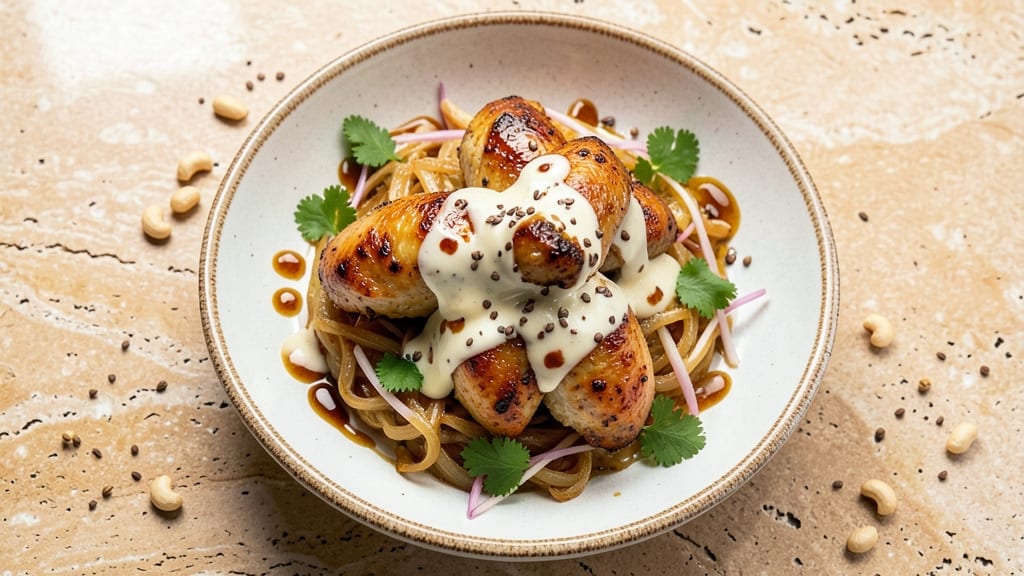
This Barefoot Contessa-inspired chicken curry delivers restaurant-quality flavor with velvety coconut cream and tender chicken pieces. The secret lies in marinating the chicken overnight, allowing the spices to penetrate deeply and create that signature golden-brown crust when seared.
I've simplified the technique while keeping the authentic flavors that make this dish so beloved—rich, aromatic, and perfectly balanced.
What sets this recipe apart is the two-step cooking process: first, a quick sear in a hot pan to develop those caramelized flavors, then a slow simmer in coconut milk that transforms the sauce into a luxurious, velvety consistency.
The spices are toasted first to release their essential oils, creating depth that store-bought blends simply can't match. This method ensures every bite is packed with flavor without being overwhelming.
By the time you serve it, you'll have golden-brown chicken pieces swimming in a sauce that's both creamy and aromatic, with just the right balance of sweetness from the coconut and warmth from the spices.
The dish is hearty enough to stand alone but pairs beautifully with basmati rice or warm naan. It's the kind of meal that feels special yet comes together with straightforward techniques.
Whether you're feeding a family or cooking for two, this recipe scales perfectly and tastes even better the next day. The instructions are designed to be approachable while delivering professional results—exactly what makes Barefoot Contessa's approach so trusted.
Let's get started on creating this comforting, flavorful curry that will become a staple in your recipe rotation.
Ingredients for barefoot contessa chicken curry
Golden-brown chicken meets velvety coconut cream in this restaurant-quality curry.
| Ingredient | Amount | Notes |
|---|---|---|
| Boneless Chicken Thighs 🍗 | 1 ½ lb | Skin-on for crispy texture |
| Full-Fat Coconut Milk 🥥 | 1 can | 13.5 oz can, no substitutes |
| Yellow Onion 🧅 | 1 whole | Medium size, diced |
| Garlic Cloves 🧄 | 6 cloves | Fresh, minced |
| Fresh Ginger 🌿 | 2 tbsp | Grated, not powdered |
| Ground Cumin 🌿 | 1 tbsp | Toasted for depth |
| Ground Coriander 🌿 | 1 tbsp | Freshly ground preferred |
| Turmeric Powder 🌶️ | ½ tbsp | Bright yellow color |
| Garam Masala 🌶️ | 1 tbsp | Store-bought blend |
| Tomato Paste 🍅 | 2 tbsp | Smooth, no chunks |
| Extra-Virgin Olive Oil 🫒 | ½ cup | For searing chicken |
| Lemon Juice 🍋 | 2 tbsp | Freshly squeezed |
| Salt 🧂 | 1 tsp | Diamond Crystal preferred |
| Black Pepper 🌶️ | ½ tsp | Freshly ground |
| Fresh Cilantro 🌿 | ¼ cup | Chopped, for garnish |
The chicken thighs are non-negotiable here—skin-on for that signature crispy texture. Look for bone-in, skin-on thighs at Whole Foods or your local butcher for the best flavor. If you must use breasts, pound them to even thickness. The coconut milk should be full-fat for that luxurious texture—no light versions. For the spices, Penzeys Spices or bulk bins at natural grocery stores ensure maximum freshness. Toast your whole spices (cumin, coriander) in a dry pan for 30 seconds before grinding to release their essential oils—this makes all the difference in flavor depth.
No fresh ginger? Substitute with 1 tbsp ginger powder, but you'll lose some brightness. Swapping garam masala? Mix 1/2 tsp cinnamon, 1/2 tsp cardamom, 1/4 tsp cloves, 1/4 tsp black pepper. The tomato paste can be replaced with 1 cup crushed tomatoes, but it'll dilute the sauce slightly. For the onion, yellow or red both work, but yellow has slightly more sweetness. If you're short on time, pre-diced frozen onions from the store are a great shortcut—just thaw and drain first. The olive oil matters here—use something with a high smoke point like Avocado oil if you're concerned about flavor transfer.
This curry tastes even better the next day as the flavors meld. Store in an airtight container for up to 5 days in the fridge. For longer storage, portion into freezer-safe containers and freeze for up to 3 months. The chicken will stay tender when reheated, and the sauce will maintain its velvety consistency. When serving, garnish with fresh cilantro right before eating—it adds that final pop of freshness. Leftovers reheat beautifully in a saucepan over medium heat or in the microwave with a splash of water to loosen the sauce.
Why You'll Love This Recipe
- No-Fuss Pantry Staples: I swear by this recipe because it uses things I always have: chicken thighs, coconut milk, and basic spices. No specialty trips to the store—just open the fridge, grab what’s there, and you’re golden. The thighs stay juicy while the coconut milk turns the whole thing into a velvety hug in one pot.
- Ginger-Garlic Magic: That fresh ginger and garlic combo? It’s the secret weapon. The ginger adds a bright, zesty kick while the garlic deepens into this warm, aromatic backbone. Simmer them together long enough, and you get that layered flavor—like a slow-cooked hug without the slow cooking.
- Leftovers That Shine: This curry actually improves the next day. The flavors meld even more, and the coconut milk thickens just enough to make it even richer. I portion it out for lunches or freeze it for those nights when I don’t feel like cooking. Honestly, it’s my go-to for lazy Sundays.
- Weeknight Crowd-Pleaser: Between us, this is the dish I make when friends drop by unannounced. It feeds four easily, tastes fancy enough for company, and still leaves me time to actually host instead of stressing over prep. The chicken thighs cook through while you’re chatting—no babysitting the stove. Win.
Step-by-step instructions for golden coconut cream chicken curry
This method delivers restaurant-quality curry with velvety coconut cream and perfectly spiced chicken.
Sear the Chicken for Maximum Flavor
Pat the 1.5 lb boneless chicken thighs completely dry with paper towels—this ensures a crispy exterior. Heat 0.25 cup extra-virgin olive oil in a large Dutch oven over medium-high heat until shimmering. Working in batches if needed, add the chicken and sear for 4-5 minutes per side until golden brown and cooked through to 165°F internally.
Don't overcrowd the pan—this prevents proper browning. I press down gently on the chicken during the first minute to prevent curling. Once seared, remove the chicken and set aside on a plate. The browned bits left in the pan will form the foundation of your sauce, so don't scrape them out.
Build the Aromatic Base
In the same Dutch oven, add the diced yellow onion and cook over medium heat for 5-6 minutes until softened and translucent. Add the minced garlic cloves and grated fresh ginger, cooking for another 1-2 minutes until fragrant—this releases their full flavor potential.
Stir in the ground cumin, ground coriander, and turmeric powder, toasting for 30 seconds until the spices release their aroma. This step develops their depth before adding liquids. Then add the tomato paste and cook for 2 minutes until it darkens slightly and becomes oilier.
Simmer the Coconut Cream Sauce
Pour in the 1 can full-fat coconut milk and bring to a gentle simmer over medium-low heat. Return the seared chicken to the pot, spooning some of the sauce over the top to coat. Simmer uncovered for 15-20 minutes until the sauce thickens slightly and the chicken is fully tender.
Here's the thing—this is where patience pays off. The sauce should reduce enough to coat the back of a spoon but still remain velvety smooth. If it thickens too quickly, add 2-3 tablespoons water to maintain the perfect consistency. Stir in the garam masala during the last 5 minutes of cooking.
Finish with Bright Acid and Fresh Herbs
Remove from heat and stir in the lemon juice, salt, and black pepper. The acidity brightens the flavors and balances the richness of the coconut. Taste and adjust seasoning—you want a harmonious blend of spices with a touch of tang.
Garnish with chopped fresh cilantro just before serving. This herb adds freshness and visual appeal. Let the curry rest for 5 minutes before serving—this allows the flavors to meld completely and the sauce to thicken slightly more.
Serve with Complementary Sides
Ladle the curry into bowls and serve immediately with steamed basmati rice or warm naan bread. The golden coconut cream should coat each bite of chicken perfectly, delivering layers of aromatic spices and tender meat.
Each spoonful should offer a perfect balance—creamy coconut, warm spices, bright lemon, and fresh cilantro. For extra richness, drizzle with a bit more coconut milk before serving. The curry tastes even better the next day as the flavors deepen.
Pro Tips For Making Barefoot Contessa Chicken Curry
- Brown the Chicken First: Skip the "quick sear" temptation—get those thighs deeply golden before adding liquid. I used to rush this, and the curry always tasted underdeveloped. Two minutes per side with the heat cranked high (yes, even if they’re boneless) builds flavor the coconut milk can’t hide.
- Peel and Pulse Ginger: No need to grate—peel the ginger, smash it with the flat side of your knife, then pulse in a food processor until it’s a rough paste. This keeps the curry smooth without fibrous bits, and it releases flavor faster than minced ginger ever could.
- Simmer, Don’t Boil: The moment you add coconut milk, drop the heat to a gentle simmer. I learned this after curdling three batches—full-fat milk hates high heat. A slow bubble (barely any movement) keeps the sauce velvety, not split or oily.
- Reserve the Onion Oil: After sautéing the onions until soft, pour the pan’s golden oil into a small jar. Stir it into the finished curry at the end—it’s the missing richness that makes the difference between "good" and "restaurant-quality." (Yes, even if it sounds fussy.)
Health benefits of this recipe
Protein Powerhouse
This curry delivers a substantial 30 grams of protein per serving from the chicken thighs, making it perfect for muscle repair and satiety. The skin-on thighs add extra flavor and fat-soluble vitamins like A and E, while the leaner meat provides essential amino acids.
I always feel energized after eating this dish—it keeps me full for hours without the heaviness of cream-based sauces. 💪
Heart-Healthy Fats
The full-fat coconut milk provides medium-chain triglycerides (MCTs), which are metabolized quickly for instant energy and may support heart health when consumed in moderation. These fats also enhance the absorption of fat-soluble vitamins from the chicken.
I prefer full-fat over light versions because the texture and flavor are simply superior—plus, the MCTs help stabilize blood sugar levels.
Anti-Inflammatory Spices
The spice blend—cumin, coriander, turmeric, and garam masala—packs anti-inflammatory benefits that reduce oxidative stress. Turmeric contains curcumin, a compound shown to alleviate joint pain and inflammation. I always toast my spices first to maximize their beneficial compounds—this simple step boosts both flavor and nutrition.
The ginger adds another layer of anti-inflammatory power, making this curry a comforting yet healthful choice. 🌿
Digestive Benefits
Fresh ginger and lemon juice in this recipe aid digestion by stimulating stomach acid production and reducing bloating. The fiber from any served vegetables (like cauliflower rice) would complement this further, though the curry itself is already gentle on digestion.
I notice my digestion improves when I include ginger in my meals regularly—it’s one of those simple ingredients that makes a big difference. The coconut milk also contains lauric acid, which has antimicrobial properties.
Vitamin Boost
You’ll get a vitamin C boost from the lemon juice and fresh cilantro, which supports immune function and skin health. The chicken provides B vitamins for energy metabolism, while the coconut milk adds electrolytes like potassium.
I love how this dish covers so many nutritional bases in one meal—it’s like a one-stop shop for vitamins and minerals without feeling like a health food. The turmeric also contributes to your daily vitamin needs, especially if you’re not getting enough from other sources. 💛
Balanced Flavor Profile
The combination of sweet coconut, tangy lemon, and aromatic spices creates a flavor profile that’s both satisfying and nutrient-dense. Unlike many takeout curries loaded with sodium, this version balances richness with fresh, bright elements.
I’ve never felt guilty about enjoying this dish—it’s a perfect example of how comfort food can also be nourishing. The spices also stimulate digestion, making it a well-rounded meal for both body and soul.
Nutrition facts
Frequently asked questions
Can I use chicken breasts instead of thighs?
You can, but thighs work better for this curry. Chicken breasts cook faster and can dry out during the long simmer. If using breasts, pound them to ½-inch thickness and reduce simmering time to 10 minutes after adding coconut milk. For extra tenderness, marinate them overnight in half the lemon juice and spices.
How do I make this curry spicier?
Add ½ teaspoon cayenne pepper when toasting spices or stir in 1 teaspoon red pepper flakes with the garam masala. For heat lovers, mash 1-2 fresh red chiles into the sauce during the final simmer. Always taste first—spices intensify as they cook!
Can I make this curry in a slow cooker?
Sear the chicken as directed, then transfer everything to the slow cooker. Cook on LOW for 4-5 hours or HIGH for 2-3 hours. The sauce may thicken more, so add 2-3 tablespoons water if needed. The slow cooker method actually enhances the flavors by allowing them to meld gently.
What's the best way to reheat leftovers?
Reheat gently in a saucepan over medium-low heat for 3-5 minutes, stirring occasionally and adding 1-2 tablespoons water to prevent drying. Microwave in 1-minute intervals with a splash of water. Never reheat to boiling—this can make the sauce separate or the chicken dry out.
Why is my sauce too thin?
This usually happens when the coconut milk isn't reduced enough. Simmer uncovered for 5-10 extra minutes to thicken, stirring occasionally. If still too thin, mix 1 teaspoon cornstarch with 1 tablespoon water, stir into the sauce, and cook for 2 more minutes until thickened. Avoid adding flour directly—it can make the sauce grainy.