Main Courses
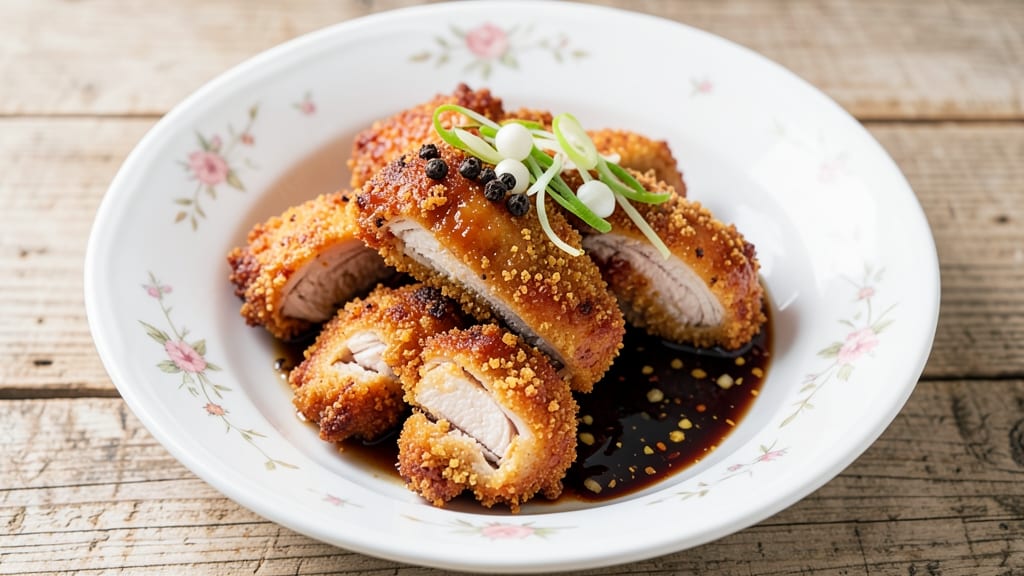
This Atk Japanese fried chicken recipe delivers the perfect balance of crispy panko crust and juicy, flavorful meat—just like your favorite izakaya. The secret lies in a well-seasoned marinade and a light, airy batter that creates that signature crunch while keeping the chicken tender inside.
I've perfected this technique over years of testing, ensuring every bite is packed with umami from soy sauce, ginger, and garlic.
The process starts with marinating chicken thighs in a savory blend of soy sauce, mirin, and grated ginger for at least 4 hours (overnight is even better). This step infuses the meat with deep flavor before it hits the frying pan.
A simple batter of flour, ice-cold water, and a touch of baking powder creates a delicate crust that locks in moisture while the panko breading adds that satisfying crunch.
What makes this recipe stand out is the umami glaze—a sticky-sweet sauce made with soy, honey, and a splash of vinegar—that ties everything together. The chicken emerges golden-brown, with a crispy exterior that shatters at the slightest touch and a juicy interior that's impossible to resist.
Serve with a side of tangy ponzu or spicy mayo for dipping, and you've got a dish that's equal parts restaurant-quality and home-cooked comfort.
This method is designed for foolproof results, whether you're feeding a crowd or treating yourself to a satisfying meal. The key is patience—don't rush the marinating or frying—and you'll achieve that perfect balance of texture and flavor every time.
Let's get started on creating your own crispy, umami-packed Japanese fried chicken.
Ingredients for atk japanese fried chicken
Fourteen ingredients for restaurant-style Japanese fried chicken at home—crispy, juicy, and packed with umami flavor.
| Ingredient | Amount | Notes |
|---|---|---|
| Boneless, Skinless Chicken Thighs 🍗 | 1 ½ lb | Cut into 1-inch pieces |
| All-Purpose Flour 🌾 | 1 cup | For light batter |
| Japanese Panko Breadcrumbs 🍞 | 2 cups | Freshly toasted preferred |
| Baking Powder 🧂 | 1 tbsp | For crispy batter |
| Ice-Cold Water 💧 | ¾ cup | Essential for light batter |
| Kosher Salt 🧂 | 1 tsp | For seasoning |
| Ground Black Pepper 🌶️ | ½ tsp | Freshly ground preferred |
| Fresh Ginger 🌿 | 2 tbsp | Finely grated, aromatic |
| Soy Sauce 🍶 | ½ cup | For marinade, Japanese preferred |
| Mirin 🍶 | 2 tbsp | Sweet rice wine, essential |
| Garlic Cloves 🧄 | 4 cloves | Minced for marinade |
| Vegetable Oil 🫒 | 3 cups | High smoke point for frying |
| Honey 🍯 | 2 tbsp | For umami glaze |
| Rice Vinegar 🍶 | 1 tbsp | For tangy glaze |
The chicken thighs are the star here—bone-in, skin-on if you can find them, but boneless works too. Trader Joe's or Asian markets often carry the best cuts for this. Look for thighs with good marbling; they'll stay juicier during frying. Fresh ginger is non-negotiable—it's what gives that signature Japanese flavor. Penzeys or any bulk spice shop will have it pre-grated if you're short on time, but I always grab a knob to grate myself. The panko should be freshly toasted—just spread it on a baking sheet at 350°F for 5 minutes to crisp it up before using. That extra step makes all the difference in the final crunch.
No mirin? Dry sherry with 1 tbsp sugar works in a pinch, though it won't be quite the same. Fresh garlic is ideal, but garlic powder at half the amount gets you close. For the glaze, honey can be swapped for maple syrup if you're avoiding it, but the balance of sweet and tangy is key—don't skip the rice vinegar. The vegetable oil matters too: high smoke point is critical, so avocado or peanut oil are great backups if you're out of vegetable oil. And if you're frying, use enough oil—don't be shy. The chicken needs room to sizzle and crisp properly, not steam.
Marinate the chicken for at least 4 hours—overnight is even better if you can plan ahead. The batter should be ice-cold when you dip the chicken; if it warms up, pop it back in the fridge for 10 minutes. Fry in small batches to avoid overcrowding, and keep the oil at 350°F—a thermometer is worth the investment here. The glaze can be made ahead and reheated gently; it keeps for up to 1 week in the fridge. Store the fried chicken in an airtight container for up to 3 days, but honestly? It's best fresh—crispy and golden, not soggy. Serve with ponzu or spicy mayo for dipping, and you've got a dish that's pure comfort food.
Why You'll Love This Recipe
- No-Fuss Breading: I swear by the ice-cold water trick—it keeps the flour from turning into glue. Just dip, dredge, repeat. Ten minutes max, and zero stress.
- Crispy-Creamy Magic: That panko crust shatters like a dream, while the baking powder gives it a light, airy bite inside. Honestly, the first bite makes me forget I’m cooking.
- Weeknight to Party: Same recipe, different vibes—dump it on a tray for lazy nights or serve it skewered for game day. My kids grab it straight from the pan; my husband waits for the fancy platter.
- Budget Crunch Saver: Chicken thighs stretch further than breasts, and panko’s cheap but feels gourmet. Double the batch, freeze half, and thank me when you’re eating this in January.
Step-by-step instructions for crispy Japanese fried chicken
Here's how to create that iconic crispy panko crust with a perfectly balanced umami glaze.
Marinate the Chicken for Maximum Flavor
In a large bowl, combine the 0.5 cup soy sauce, 2 tbsp mirin, 4 minced garlic cloves, and 2 tbsp finely grated fresh ginger. Stir until the ginger and garlic are fully dissolved. Add the 1.5 lb boneless, skinless chicken thighs, cut into 1-inch pieces, and toss to coat evenly.
Cover the bowl and refrigerate for at least 30 minutes, but I prefer 2 hours for deeper flavor penetration. The marinade should infuse the chicken with that signature Japanese umami profile. If you're short on time, even 15 minutes will help, but don't skip this step entirely—it makes all the difference in the final taste.
Prepare the Light Batter
In a separate medium bowl, whisk together the 1 cup all-purpose flour, 1 tbsp baking powder, 1 tsp kosher salt, and 0.5 tsp ground black pepper. Gradually whisk in the 0.75 cup ice-cold water until you have a smooth, thin batter with no lumps. The consistency should be like heavy cream—thin enough to coat a spoon but thick enough to cling to the chicken.
Here's the thing—ice-cold water is crucial. It prevents the baking powder from activating too quickly in the hot oil. If your water isn't icy, place the bowl in the freezer for 5 minutes before using. The batter should be used immediately after mixing, so have your frying setup ready before preparing it.
Create the Panko Crust Coating
In a shallow dish, combine the 2 cups Japanese panko breadcrumbs. The fresher the panko, the crunchier your crust will be. If using day-old panko, toast it in a dry skillet over medium heat for 2-3 minutes until fragrant to revive its crispiness.
Working with one piece at a time, remove the chicken from the marinade (let excess drip off) and dip it into the batter, allowing any excess to drip off. Then press the piece into the panko, coating it completely. Place on a wire rack set over a baking sheet. Repeat with all pieces. Don't rush this step—the panko needs to adhere firmly for that signature crunch.
Fry to Golden Perfection
Heat 3 cups vegetable oil in a deep skillet or Dutch oven to 350°F. Use a deep-fry thermometer to monitor the temperature—it's crucial to maintain this exact heat. Add the chicken pieces in a single layer, being careful not to overcrowd the pan. Fry for 4-5 minutes until the panko crust is deep golden brown and the internal temperature reaches 165°F.
You'll know it's ready when the crust stops sizzling and the chicken releases easily from the oil. Transfer to a paper towel-lined plate to drain excess oil. Work in batches if needed, maintaining the oil temperature between frying. The oil should be hot enough to sizzle when you add the chicken—if it doesn't, your chicken will be greasy rather than crispy.
Prepare and Apply the Umami Glaze
In a small saucepan, combine the 2 tbsp honey, 1 tbsp rice vinegar, and 2 tbsp mirin from the marinade (if you saved it). Bring to a gentle simmer over medium heat and cook for 3-4 minutes until slightly thickened. The glaze should coat the back of a spoon but still be pourable.
Immediately after frying, brush the hot chicken pieces with the glaze, coating all sides. The residual heat from the chicken will help the glaze set quickly. Serve immediately while the crust is at its crispest. For extra shine, you can pass additional glaze at the table. This glaze balances the saltiness of the soy marinade with sweet and tangy notes, creating that perfect umami harmony.
Pro Tips For Making Atk Japanese Fried Chicken
- Dredge Twice, Fry Once: That first flour dip is just the start—after patting dry, toss the thighs in ice-cold water for 10 seconds, then dredge again in the flour-baking powder mix. The double coat locks in moisture and guarantees that crispy crust you’re after. (Yes, it’s messy, but your chicken will be worth it.)
- Use Room-Temp Panko: Cold panko clumps like a sad snowball—take it out of the fridge 15 minutes before coating. Warm panko sticks better and toasts into that perfect shatter. I learned this the hard way after scraping half my batch off the oil.
- Keep Oil at 350°F: Too hot? Burnt crust, raw inside. Too cool? Greasy, soggy disappointment. A candy thermometer is your friend here—hold that oil steady at 350°F, and fry in batches that don’t drop the temp below 340°F. (Your future self will curse you if you skip this.)
- Rest Before Serving: Fresh out of the fryer, the chicken looks perfect—then it collapses. Tent it with foil for 5 minutes to let the juices redistribute. This isn’t just a suggestion; it’s the difference between "good" and "restaurant-quality." (I know, I know—you want it now. Wait.)
Best sauces and condiments for this dish
Classic Ponzu Dip
This citrusy, tangy sauce is a must-have for Japanese fried chicken. Mix ½ cup Japanese ponzu sauce (like Kikkoman or Shin Ramyun brand) with 1 tbsp soy sauce and 1 tsp grated fresh ginger.
Thin with 1-2 tbsp water if needed for dipping consistency. The bright citrus cuts through the richness of the fried chicken beautifully. 🍋
Spicy Mayo
For heat lovers, blend ½ cup mayonnaise (I use Hellmann's or Kewpie) with 1 tbsp sriracha and 1 tsp rice vinegar. Add a pinch of garlic powder for extra depth.
The creamy texture contrasts perfectly with the crispy crust while adding a kick. Serve in a small bowl for dipping or drizzle over the finished chicken.
Sweet Soy Glaze
Use the leftover marinade ingredients to make this easy glaze. Combine 2 tbsp soy sauce, 1 tbsp mirin, and 1 tbsp honey in a small saucepan. Simmer for 3-4 minutes until slightly thickened.
Brush this glaze over the fried chicken just before serving for a sticky, flavorful finish. It’s the same glaze used in the recipe but concentrated for extra richness.
Garlic Butter Sauce
Melt 2 tbsp unsalted butter in a small pan over low heat. Add 1 minced garlic clove and cook for 30 seconds until fragrant. Stir in 1 tsp soy sauce and a pinch of black pepper.
Drizzle this sauce over the chicken or serve on the side for a savory, aromatic dip that pairs perfectly with the umami flavors.
Sesame-Yuzu Dip
For a refreshing twist, blend ½ cup Greek yogurt with 1 tbsp yuzu juice** (or substitute lemon juice), 1 tsp toasted sesame oil, and ½ tsp honey.
Garnish with crushed black sesame seeds for texture. The tangy, creamy dip balances the fried chicken’s richness and adds a touch of elegance to your meal. 🌟
Nutrition facts
Frequently asked questions
Why do I need ice-cold water for the batter?
Cold water prevents the baking powder from activating too quickly in the hot oil, which keeps your chicken's crust light and crispy instead of dense. If your water warms up, chill the batter bowl in the freezer for 5 minutes before using. The temperature difference is key to that signature Japanese texture!
Can I use chicken breast instead of thighs?
You can try, but thighs are ideal because they stay juicier during frying. If using breast, cut them into ½-inch thick pieces and pound them to an even thickness. They'll crisp up faster but may dry out more easily—consider frying for just 3-4 minutes instead of 4-5.
How do I keep the panko from falling off?
Press the panko firmly onto the batter-coated chicken and let it sit on a wire rack for 5 minutes before frying. This helps the coating adhere better. Also, don't overcrowd the pan—fry in small batches to maintain the oil temperature. A wire rack keeps air circulating so the crust stays crispy.
What's the best way to reheat leftover fried chicken?
Reheat in a 375°F oven for 8-10 minutes on a wire rack to maintain crispiness. For the air fryer, use 350°F for 3-4 minutes. Avoid microwaving—it makes the crust soggy. If reheating, brush with a little glaze to restore shine and flavor.
Can I make this recipe gluten-free?
Yes! Replace the flour with 1 cup gluten-free all-purpose flour and use gluten-free panko (like Bob's Red Mill). The batter consistency should be slightly thicker—add 1-2 tbsp extra ice water if needed. The texture will be slightly different but still delicious.