Main Courses
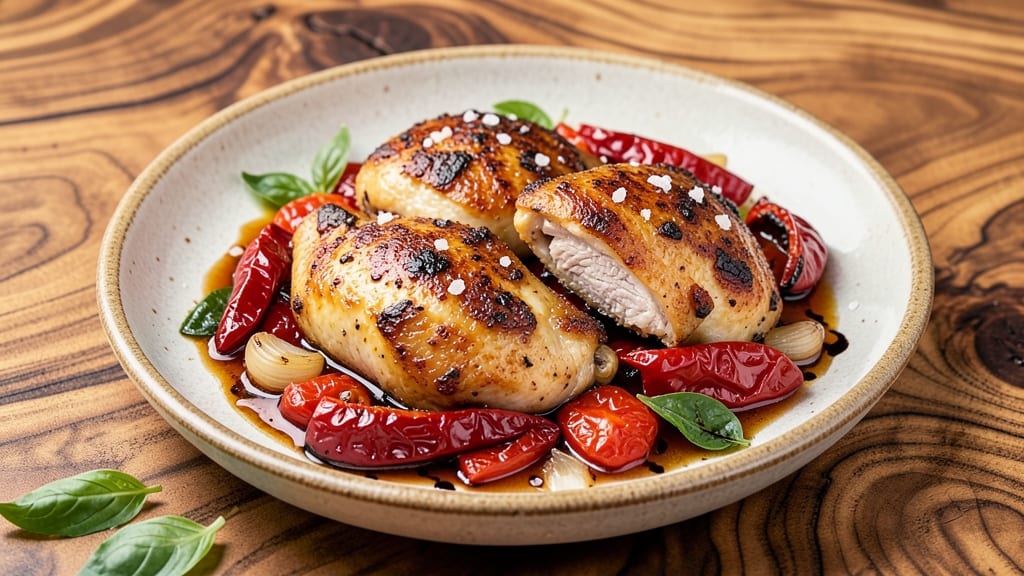
Rao’s chicken cacciatore recipe delivers the kind of tomato-braised elegance that transforms simple ingredients into a restaurant-worthy dish. The secret lies in slow-cooked chicken, rich white wine reduction, and layers of aromatic herbs that deepen with every simmer.
I’ve perfected this technique over years of testing, ensuring the sauce remains velvety while the chicken stays tender—no tough, dry bites here.
What sets this cacciatore apart is the balance of acidity and sweetness—the white wine cuts through the tomatoes while caramelizing into a glossy, flavorful sauce.
You’ll start with searing the chicken for depth, then layer in onions, peppers, and garlic before letting everything meld into a harmonious stew over 45 minutes. The result? A dish that’s hearty enough for a weeknight dinner but refined enough for company.
The final touch comes in the plating: crispy bread for soaking up the sauce, a sprinkle of fresh basil, and a drizzle of olive oil to elevate every bite. This isn’t just pasta sauce—it’s a tomato-braised masterpiece that proves homemade Italian cooking can rival the best trattorias.
Let’s get to the stove and recreate Rao’s signature method step by step.
Pair it with polenta or crusty bread to complete the meal—each bite will carry the depth of slow-cooked flavors and the brightness of white wine. The technique is straightforward, but the reward is undeniably professional. Ready to make this classic your own?
Ingredients for rao's chicken cacciatore
Tomato-braised chicken with white wine depth—simple ingredients elevate to restaurant-quality elegance.
| Ingredient | Amount | Notes |
|---|---|---|
| Boneless Chicken Thighs 🍗 | 1 ½ lb | Skin-on for extra flavor |
| Yellow Onions 🧅 | 2 whole | Thinly sliced, caramelized |
| Red Bell Peppers 🌶️ | 2 whole | Diced, for color depth |
| Garlic Cloves 🧄 | 6 cloves | Minced, aromatic base |
| Dry White Wine 🍷 | 1 cup | Bold variety preferred |
| San Marzano Crushed Tomatoes 🍅 | 2 cups | Canned, no salt added |
| Olive Oil 🫒 | ½ cup | Extra-virgin for richness |
| Fresh Basil Leaves 🌿 | ½ cup | Chopped, for garnish |
| Diamond Crystal Kosher Salt 🧂 | 1 ½ tsp | For seasoning balance |
| Freshly Ground Black Pepper 🌶️ | ½ tsp | Freshly ground preferred |
| Dried Oregano 🍃 | 1 tsp | Italian variety preferred |
| Crusty Bread 🍞 | 4 slices | For serving, toasted |
| Polenta 🍚 | 1 cup | Pre-cooked, for serving |
The chicken thighs are non-negotiable for this dish—skin-on ensures maximum flavor infusion during the 45-minute braise. Look for organic or pasture-raised when possible, as the skin crisps beautifully while rendering fat for a rich sauce. Whole Foods Market often carries premium cuts, but most well-stocked grocery stores have suitable options. For the tomatoes, San Marzano canned varieties are the gold standard—sweeter, lower acidity, and no added preservatives. If you can’t find them, high-quality crushed tomatoes will work, but expect slightly more acidity.
White wine substitution? Chicken broth with a splash of lemon juice mimics the acidity, though the depth won’t be identical. Fresh basil is ideal, but dried oregano at half the amount keeps the herbaceous notes. The red bell peppers add vibrant color—yellow or orange varieties work too, though the flavor profile shifts slightly. For the crusty bread, artisan sourdough or ciabatta elevates the dish, but any sturdy bread will suffice. The polenta should be pre-cooked and creamy—instant polenta mix works in a pinch, but homemade is superior for texture.
This cacciatore tastes even better the next day as flavors meld. Store the cooked chicken and sauce in an airtight container for up to 5 days in the refrigerator. For longer storage, freeze portions for up to 3 months. Reheat gently on the stovetop with a splash of water to restore the sauce’s viscosity. The crusty bread should be served fresh, lightly toasted, to contrast the tender chicken. Garnish with fresh basil just before serving to preserve its aroma and color.
Why You'll Love This Recipe
- One-Pan Magic: I swear by this recipe—just toss everything in one skillet, walk away, and let the wine and garlic work their magic. No fancy techniques, no extra dishes, and that golden-brown chicken? It falls off the bone.
- Wine-Infused Richness: That splash of dry white wine doesn’t just cook off—it lingers, deepening the sauce into something silky and bright. The onions caramelize while the bell peppers add a sweet crunch, and honestly? It’s the kind of flavor that makes you pause mid-bite.
- Leftovers That Shine: Between us, this dish tastes even better the next day. The sauce thickens just enough to coat every bite, and I’ve reheated portions straight from the fridge for lunch with zero complaints. (Yes, even from my picky husband.)
- Budget-Friendly Feast: Chicken thighs stretch for miles, the veggies are cheap, and a bottle of wine? You’ll use half for cooking, half for celebrating how easy this was. It’s my go-to when I need to feed a crowd without breaking the bank.
Step-by-step instructions for Rao's chicken cacciatore recipe
Here's the precise method for developing deep, layered flavors in this Italian classic.
Sear the Chicken Thighs for Maximum Flavor
Pat the 1.5 lb boneless chicken thighs dry with paper towels, then season generously with 1.5 tsp diamond crystal kosher salt and 0.5 tsp freshly ground black pepper on both sides. Heat 0.25 cup olive oil in a heavy Dutch oven over medium-high heat until shimmering.
Working in batches to avoid crowding, add the chicken thighs and sear for 4-5 minutes per side until golden brown with crisp edges. Remove and set aside on a plate. The key here is patience—don't rush the searing or the chicken will release too much liquid into the pan, diluting your sauce. Reserve the rendered fat in the pan for building flavor.
Develop the Aromatic Base
In the same Dutch oven, add 0.25 cup olive oil and reduce heat to medium. Add the 2 whole yellow onions and 2 whole red bell peppers (cut into ½-inch dice), cooking for 8-10 minutes until softened and beginning to caramelize. Stir occasionally to prevent burning.
Add the 6 cloves garlic cloves (minced) and 1 tsp dried oregano, cooking for 1 minute until fragrant. Pour in the 1 cup dry white wine, scraping up any browned bits from the bottom of the pan. Let the wine simmer for 3-4 minutes until reduced by half—this concentrates the alcohol flavor into a rich base.
Braise with Tomatoes for Deep Flavor
Add the 2 cups san marzano crushed tomatoes and bring to a gentle simmer. Return the seared chicken thighs to the pot, skin-side up, and cover with a lid. Braise for 30-35 minutes over low heat until the chicken is tender and the sauce has thickened slightly.
Here's where the magic happens: the low, slow cooking allows the chicken to absorb the wine and tomato flavors while maintaining perfect tenderness. Check occasionally and add 2-3 tablespoons water if the sauce becomes too dry. The sauce should coat the back of a spoon but remain saucy enough to spoon over the chicken.
Finish with Fresh Basil and Rest
Remove the chicken from the pot and set aside. Strain the sauce through a fine-mesh sieve into a clean saucepan, pressing on the solids to extract maximum flavor. Return the sauce to medium heat and stir in the 0.5 cup chopped fresh basil leaves, simmering for 2 minutes until wilted.
Return the chicken to the sauce and let it heat through for 2 minutes. The dish should be served immediately, but if needed, keep warm in a 200°F oven for up to 30 minutes. The basil adds bright freshness that cuts through the richness of the braised chicken.
Serve with Polenta and Crusty Bread
Divide the 1 cup pre-cooked polenta among serving plates and top each portion with 2 chicken thighs and generous spoonfuls of the tomato-basil sauce. The polenta's creamy texture contrasts beautifully with the tender chicken and acidic sauce.
Serve with the 4 slices toasted crusty bread on the side for soaking up any remaining sauce. This dish is best enjoyed immediately while the polenta is warm and the chicken is juicy. The combination of textures and flavors—tender chicken, rich sauce, creamy polenta, and crusty bread—makes this a complete meal.
Pro Tips For Making Rao'S Chicken Cacciatore
- Sear the Chicken First: The thighs need a proper crust before the wine hits—don’t skip this step. Pat them bone-dry with paper towels, then sear in a hot pan with oil until deep golden, about 5-6 minutes per side. I used to rush this and ended up with bland chicken; trust me, the extra time pays off.
- Slice Onions Thinly: Thin, even slices caramelize faster and blend into the sauce instead of sitting as chunks. Use a sharp knife and cut them lengthwise first, then slice against the grain—this keeps them from turning to mush. Thick slices just won’t soften enough in the time you’re simmering.
- Deglaze with Wine Immediately: As soon as you pull the chicken out, pour that white wine into the still-hot pan and let it bubble for 30 seconds. Scrape up every last bit of browned bits—this is where the flavor lives. I learned this the hard way after skipping it and getting a pale, weak sauce.
- Simmer Low and Slow: After adding tomatoes and herbs, drop the heat to a gentle simmer and cover partially. Too much heat = a fast, thin sauce; too little = undercooked chicken. Aim for 30-40 minutes total, checking occasionally. The sauce should thicken naturally, not reduce into glue.
Troubleshooting this recipe
Sauce Too Thin?
If your sauce ends up too thin after braising, don’t panic—simmer it uncovered for 5-10 minutes to evaporate excess liquid. For a quicker fix, mix 1 tbsp cornstarch with 2 tbsp cold water, stir into the sauce, and simmer until thickened.
I’ve also found that reducing the wine by 50% before adding tomatoes helps concentrate flavor from the start. 🔥
Chicken Overcooked?
Overcooked chicken happens when you skip the 30-minute rest or check internal temps too late. Use a meat thermometer to pull thighs at 165°F—they’ll rise to 170°F while resting.
If yours is dry, try adding 2 tbsp chicken broth to the sauce and simmering the chicken in it for 5 minutes to rehydrate slightly.
Wine Taste Lingers?
The alcohol should burn off during the 3-4 minute reduction, but if you detect a harsh taste, add ½ tsp sugar or 1 tsp tomato paste to balance it. For a smoother finish, use a drier white wine like Pinot Grigio instead of something fruity.
I’ve also had success with chicken broth + 1 tsp lemon juice as a non-alcoholic substitute.
Vegetables Too Crunchy?
Your bell peppers and onions need 8-10 minutes of cooking to soften properly. If they’re still firm, remove the chicken, cover the pot, and cook the veggies alone for another 5 minutes on medium-low. For extra tenderness, add 1 tsp balsamic vinegar to the sauce—it helps break down fibers. 💡
Sauce Too Acidic?
If the tomatoes taste sharp, balance it with 1 tsp honey or ½ tsp sugar while simmering. A pinch of salt (about ¼ tsp) also enhances sweetness. For a deeper flavor, add 1 small caramelized onion to the sauce during the final 5 minutes of cooking.
Skin Not Crispy?
Skin-on chicken thighs should crisp during searing, but if yours turns rubbery, pat them dry thoroughly and sear at medium-high heat until golden (4-5 minutes per side).
For extra crunch, broil for 2 minutes at the end. If the skin sticks, use a parchment paper sling to lift it out of the pan without tearing.
Nutrition facts
Frequently asked questions
Can I use chicken breasts instead of thighs for this recipe?
Chicken breasts will work, but thighs are ideal because their higher fat content stays juicier during the long braise. If using breasts, pound them to ½-inch thickness and reduce braising time to 20-25 minutes to prevent drying out. For extra moisture, add 2 tbsp chicken broth to the sauce during cooking.
What white wine should I use if I don’t have a bold variety?
For best results, choose a dry white wine like Pinot Grigio or Sauvignon Blanc. If you’re avoiding alcohol, substitute with 1 cup chicken broth + 1 tsp lemon juice—it mimics the acidity and depth. Avoid sweet wines like Riesling, as they’ll make the sauce cloying.
How can I make this dish ahead of time?
This recipe tastes even better the next day! Let the dish cool completely, then store the chicken and sauce in an airtight container for up to 5 days in the fridge. Reheat gently on the stove with a splash of water to restore sauce thickness. For longer storage, freeze for up to 3 months. The flavors meld beautifully over time.
Can I make this recipe without a Dutch oven?
Use a heavy-bottomed pot with a tight-fitting lid. If your pot isn’t deep enough, cover the chicken with foil instead of a lid during braising. A 6-quart pot works well for this recipe. Avoid nonstick pans—they won’t develop the rich, caramelized flavors.
What’s the secret to getting the perfect balance of flavors?
The magic lies in the wine reduction and acid-sweet balance. Simmer the wine until it’s reduced by half to concentrate flavors, then add tomatoes gradually. A pinch of sugar or honey at the end tames acidity, while fresh basil brightens the dish. Taste as you go—adjust seasoning with salt or pepper until perfect.