
Main Courses
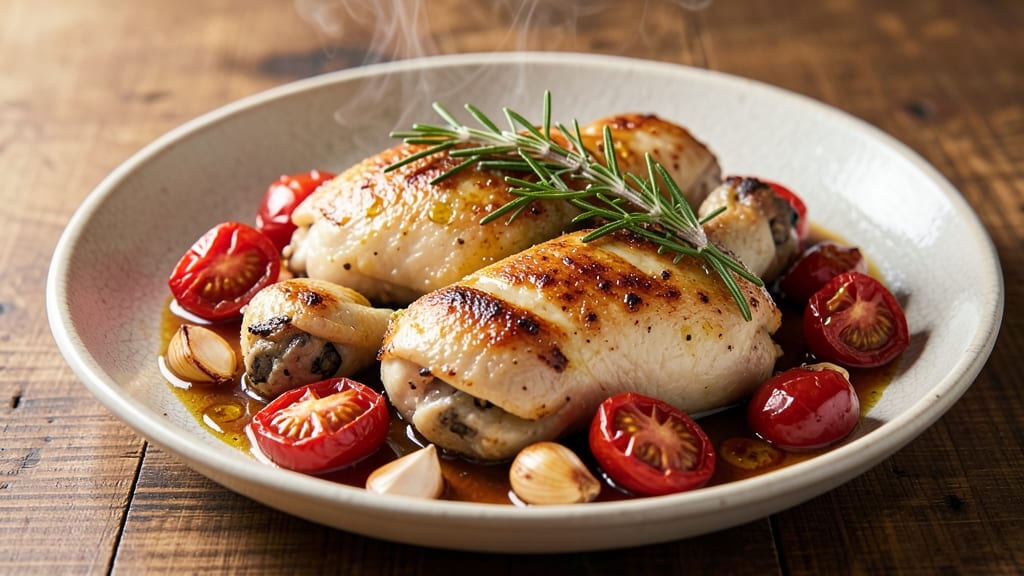
Ina Garten’s chicken cacciatore recipe transforms simple ingredients into a restaurant-worthy dish with just a few key techniques—browning the chicken, deglazing the pan, and letting a rich tomato-wine sauce simmer until it’s velvety and full of flavor.
This is the kind of recipe that makes weeknight dinners feel like a special occasion, where every bite delivers layers of tender chicken, caramelized vegetables, and a sauce so balanced it’s impossible to overcook.
The secret lies in patience: letting the sauce develop its depth while the chicken becomes fork-tender without drying out.
What sets this version apart is Ina’s signature approach—no shortcuts that compromise flavor, but smart adaptations that make it achievable at home.
You’ll start with chicken thighs (their fat keeps them juicy) and brown them in batches to avoid crowding, then deglaze with white wine to capture every bit of flavor in the pan.
The sauce builds gradually with canned tomatoes, herbs, and a splash of broth, all simmered until it coats the back of a spoon. This isn’t just a dish; it’s a lesson in how to let ingredients shine with minimal fuss.
The result is a plate that looks as elegant as it tastes: golden-brown chicken nestled in a glossy, aromatic sauce with tender vegetables peeking through. The wine brightens the acidity of the tomatoes, while garlic, rosemary, and a touch of sugar round out the flavors.
Serve it over polenta or crusty bread to soak up every last drop of that silky sauce—because this is the kind of meal that disappears faster than you can say "Barefoot Contessa."
Whether you’re hosting dinner guests or treating yourself to a cozy night in, this recipe delivers professional-quality results with steps that feel intuitive, not intimidating. Let’s get cooking—your kitchen will smell like Italy in no time.
Ingredients for ina garten chicken cacciatore
Simple ingredients elevate to restaurant quality with Ina Garten’s patient cooking techniques.
| Ingredient | Amount | Notes |
|---|---|---|
| Chicken Thighs, Bone-In 🍗 | 1 ½ lb | Skin-on for juiciness |
| White Wine 🍷 | 1 cup | Dry variety preferred |
| Canned San Marzano Tomatoes 🍅 | 28 oz | Crushed by hand |
| Garlic Cloves 🧄 | 6 cloves | Peeled and smashed |
| Fresh Rosemary 🌿 | ¼ cup | Chopped, stems removed |
| Olive Oil 🫒 | ¼ cup | Extra-virgin for richness |
| Chicken Broth 💧 | 1 cup | Low-sodium preferred |
| Red Wine Vinegar 🍋 | 1 tbsp | For brightness |
| Granulated Sugar 🍚 | 1 tsp | Balances acidity |
| Salt 🧂 | 1 ½ tsp | Kosher or sea salt |
| Ground Black Pepper 🌶️ | ½ tsp | Freshly ground |
| Carrots 🥕 | 2 medium | Peeled and sliced |
| Celery Stalks 🥬 | 2 whole | Chopped, with leaves |
| Onion 🧅 | 1 medium | Diced, yellow or red |
The chicken thighs are the foundation—bone-in, skin-on for maximum flavor and moisture. Look for plump, well-marbled thighs at your local butcher or grocery store’s meat counter. Whole Foods or Trader Joe’s often carry high-quality cuts, but don’t overlook the regular supermarket selection. If using frozen, thaw overnight in the fridge—never under running water, as it can dry out the meat. The wine matters too: any dry white like Sauvignon Blanc or Pinot Grigio works, but avoid sweet varieties that’ll throw off the sauce’s balance.
No white wine? Chicken broth with a splash of apple cider vinegar mimics the acidity, though it’ll lack the wine’s depth. Fresh rosemary is ideal, but dried at one-third the amount works in a pinch. The San Marzano tomatoes should be crushed by hand for texture—jarred crushed tomatoes are fine if you’re short on time, but avoid the watery canned varieties. For the vegetables, carrots and celery can be swapped for zucchini or bell peppers if you prefer, but keep the onion as it’s the flavor base. The sugar might seem odd, but it rounds out the acidity in the sauce—don’t skip it, even if you’re watching your intake.
This sauce tastes even better the next day, so make a double batch if you’re feeding a crowd. Store leftovers in an airtight container in the fridge for up to 5 days, or freeze for 3 months. The chicken reheats beautifully—just warm through gently with a splash of broth. For meal prep, portion the sauce separately and reheat it with the chicken to maintain texture. The flavors meld beautifully over time, so don’t rush it—this is the kind of dish that rewards patience.
Why You'll Love This Recipe
- One-Pan Magic: I swear by this recipe because it’s that kind of dish—just chicken, tomatoes, garlic, and rosemary simmering together while you sip your wine. No chopping mountains of veggies, no fussing with multiple pans. The bone-in thighs stay juicy, the sauce thickens effortlessly, and honestly? I’m left wondering why I ever made anything more complicated.
- Wine & Tomato Bliss: That first sip of white wine deglazing the pan? It’s the moment this dish becomes ridiculously good. The San Marzano tomatoes melt into a velvety sauce, and the rosemary—just a few sprigs—adds this bright, herbal punch that makes it taste like you’ve been cooking all day (even if you haven’t). The garlic? Oh, it’s there, but in the best way—layered, not overpowering.
- Leftovers That Beg for More: Between us, this recipe makes way more than you’ll eat in one sitting. The next day, the flavors only deepen—perfect for quick lunches or tossing into pasta (yes, I do that). I’ll be real: my freezer is full of these leftovers because reheating them is just as good as the first bite. Budget-friendly? Absolutely. Delicious? Even more so.
- Weeknight Crowd-Pleaser: This is my go-to when friends drop by or the family’s starving after soccer practice. Bone-in thighs mean richer flavor, and the dish feeds a crowd without breaking the bank. Plus, it’s one of those recipes where even picky eaters go back for seconds—the sauce is just that good. Not the prettiest, but the taste makes up for it every time.
Step-by-step instructions for Ina Garten chicken cacciatore
This classic Italian dish comes together with simple, reliable techniques for rich, balanced flavors.
Sear the Chicken Thighs for Maximum Flavor
Pat the 1.5 lb chicken thighs, bone-in completely dry with paper towels. Season generously with 1.5 tsp salt and 0.5 tsp ground black pepper on both sides. Heat 0.125 cup olive oil in a large Dutch oven over medium-high heat until shimmering.
Working in batches if needed, add the chicken thighs skin-side down and cook undisturbed for 5-6 minutes until the skin is golden brown and crispy. Flip and cook another 4-5 minutes until the chicken reaches an internal temperature of 160°F. Remove the chicken and set aside on a plate, tented loosely with foil.
Build the Aromatic Vegetable Base
In the same Dutch oven, add 0.125 cup olive oil (the remaining amount) and reduce heat to medium. Add the 1 medium onion (diced), 2 medium carrots (peeled and sliced), and 2 whole celery stalks (chopped). Cook for 6-8 minutes, stirring occasionally, until the vegetables soften and begin to brown.
Add the 6 cloves garlic (peeled and smashed) and 0.25 cup fresh rosemary (chopped). Cook for 1 minute until fragrant—this is where the foundation of your sauce begins. Pour in the 1 cup white wine and scrape up any browned bits from the bottom of the pan. Let the wine simmer for 3-4 minutes until reduced by half.
Simmer the Tomato Sauce to Perfection
Add the 28 oz canned San Marzano tomatoes (crushed by hand), 1 tbsp red wine vinegar, 1 tsp granulated sugar, and 1 cup chicken broth. Stir well to combine, then bring to a gentle simmer. Return the chicken thighs to the pot, skin-side up, and cover partially with a lid.
Simmer for 45-50 minutes on medium-low heat, turning the chicken occasionally, until the sauce thickens slightly and the chicken is tender. The sauce should coat the back of a spoon and the chicken should easily pull away from the bone. If the sauce becomes too thick, add 2-3 tablespoons water to loosen it.
Finish and Rest for Optimal Texture
Once the chicken is fully cooked, remove it from the sauce and transfer to a cutting board. Tent loosely with foil and let rest for 10 minutes. This resting period ensures the juices redistribute, keeping the meat moist and flavorful.
Skimming any excess fat from the sauce if needed, return the chicken to the pot and simmer uncovered for an additional 5 minutes to allow the flavors to meld. Taste and adjust seasoning with additional salt or pepper if needed. Serve immediately with crusty bread or over pasta to capture every drop of that rich tomato-wine sauce.
Pro Tips For Making Ina Garten Chicken Cacciatore
- CRISP THE THIGHS FIRST: High heat for 5-6 minutes on each side—don’t skip this even if the chicken looks raw inside. The Maillard reaction on the skin is what gives Ina’s version that deep, savory punch, and it’ll render fat that flavors the sauce.
- DEGLAZE WITH WINE IMMEDIATELY: As soon as you remove the chicken, pour in that white wine hot—it’ll loosen the browned bits (fond) instantly. Let it reduce by half before adding tomatoes; otherwise, you’re just thinning the sauce early and losing flavor.
- CHOP GARLIC FINE, NOT MINCED: Thin slivers (almost like confit) toast slower and sweeter than minced garlic, which burns in 30 seconds flat. Toss them in with the tomatoes at the end—just before serving—so they perfume the dish without turning bitter.
- SAVE THE TOMATO JUICE: Drain the San Marzanos but reserve ¼ cup of the juice—it’s the acidity that brightens the sauce. Skip this, and your cacciatore will taste flat, even if the tomatoes are ripe. (Yes, it’s worth the extra splash.)
Flavor customization for these flavors
Herb Variations
Swap rosemary for thyme or oregano to match your pantry. I love adding ½ tsp dried thyme alongside the fresh rosemary for an earthier depth. For a Tuscan twist, include ½ cup chopped sage with the garlic—it caramelizes beautifully in the sauce.
Always balance fresh herbs with ¼ tsp salt to enhance their natural oils.
Spice Level Adjustments
For heat lovers, add ½ tsp crushed red pepper flakes when deglazing with wine. I also like a pinch of cayenne pepper (start with ¼ tsp) to warm up the sauce without overpowering.
If you prefer smoky notes, stir in ½ tsp smoked paprika with the tomatoes. Adjust gradually—you can always add more later.
Vegetable Swaps
Replace carrots and celery with zucchini slices or bell peppers> for a lighter spring version. I’ve also used mushrooms (8 oz sliced cremini)> in place of half the onion for an umami boost.
For heartier meals, add 1 cup diced potatoes> with the carrots—they absorb the sauce perfectly.
Protein Alternatives
Swap chicken thighs for bone-in pork chops> (simmer 10 minutes> longer) or hearty white beans> (½ cup, added with tomatoes).
For seafood fans, use firm white fish like cod> (cook 8-10 minutes> total) or shrimp> (add in the last 5 minutes> to avoid overcooking). Adjust simmering time accordingly.
Tomato Base Upgrades
Boost umami by adding 1 tbsp tomato paste> to the vegetable base before deglazing. For a smoky depth, use ½ cup fire-roasted crushed tomatoes> instead of San Marzano.
I’ve also blended ½ cup fresh basil> into the finished sauce for a brighter, more vibrant flavor—just add it in the last 5 minutes> of simmering.
Wine & Acid Balance
No white wine? Use 1 cup chicken broth + 1 tbsp apple cider vinegar> for acidity. For extra brightness, add ½ tsp lemon zest> with the tomatoes.
If your sauce tastes too sharp, stir in ½ tsp sugar> or a splash of heavy cream> (2 tbsp) to round out the flavors. Always taste as you go!
Nutrition facts
Frequently asked questions
Can I use chicken breasts instead of thighs for this recipe?
While you can use chicken breasts, thighs are ideal because they stay juicier during long simmering. If using breasts, trim excess fat and reduce simmering time to 25-30 minutes—they cook faster and dry out more easily. For best results, cut them into even pieces and avoid overcrowding the pan.
How do I prevent the sauce from getting too acidic?
The sauce relies on white wine and vinegar for brightness, but acidity can overwhelm if not balanced. Taste as you go and adjust with ½ tsp sugar or a splash of heavy cream (2 tbsp) to round out flavors. Ina Garten’s recipe includes 1 tsp sugar precisely for this reason—don’t skip it!
Can I make this recipe in a slow cooker?
Brown the chicken and sauté the vegetables as directed, then transfer everything to a 6-quart slow cooker. Add the remaining ingredients and cook on LOW for 6-7 hours or HIGH for 3-4 hours. The slow cooker’s gentle heat ensures tender chicken without drying it out, and the sauce will develop beautifully.
What’s the best way to serve leftover chicken cacciatore?
Leftover chicken cacciatore tastes even better the next day! Serve it over creamy polenta, crusty bread, or fresh pasta to soak up the sauce. For a quick meal, assemble into sandwiches with provolone cheese or toss with mashed potatoes for a hearty dish. Store leftovers in an airtight container for up to 5 days.
Why does my sauce look too thin or watery?
A watery sauce often means the tomatoes weren’t simmered long enough or the heat was too low. Increase simmering time by 10-15 minutes on medium-low heat and stir occasionally to thicken. If needed, mix 1 tbsp cornstarch with 2 tbsp cold water, stir into the sauce, and simmer for 2-3 minutes until thickened.