
Main Courses
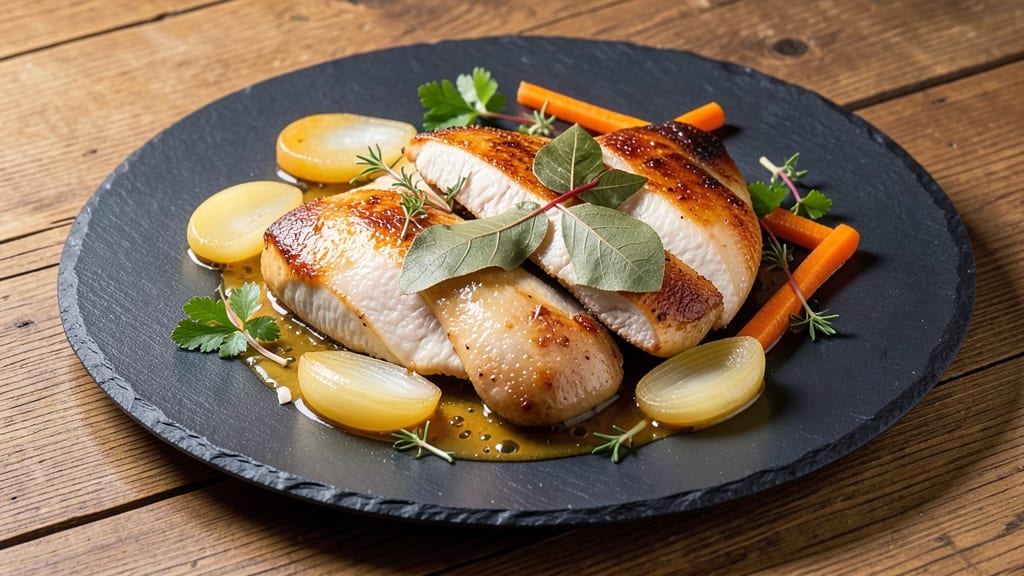
Mastering poached chicken recipe transformed my Sunday dinners from ordinary to extraordinary—juicy meat that practically melts in your mouth, all achieved with just a pot of simmering broth.
I spent years perfecting this technique after burning through countless batches of chicken, and the secret lies in precise temperature control and aromatic seasoning that infuses every bite.
This method delivers restaurant-quality results without requiring a deep fryer or hours of oven time. The key is maintaining a gentle simmer—never a rolling boil—that keeps the chicken moist while allowing the skin to stay silky and unbroken.
Herbs, citrus, and aromatics in the broth create layers of flavor that penetrate the meat, resulting in tender pieces that practically fall apart.
What you’ll end up with is chicken so tender it’s almost impossible to overcook, with a delicate skin that’s crisp enough to hold its shape. The broth itself becomes a flavorful sauce that can be used for dipping, drizzling, or even reducing into a glossy pan sauce.
It’s the kind of dish that makes weeknight cooking feel like a special occasion.
Serve with buttery mashed potatoes, fresh greens, or crusty bread to soak up every drop of that aromatic poaching liquid. The beauty of this recipe is its versatility—it works equally well for sandwiches, salads, or as a standalone main course. Let’s get started on creating your perfect poached chicken.
Ingredients for poached chicken
Sixteen ingredients, one perfect pot of silky poached chicken with skin that stays crisp.
| Ingredient | Amount | Notes |
|---|---|---|
| Chicken Breast Cutlets 🍗 | 1 ½ lb | Skin-on, even thickness preferred |
| Chicken Thighs 🍗 | 1 ½ lb | Bone-in, skin-on for flavor |
| Fresh Bay Leaves 🌿 | 2 whole | Dried works too, half amount |
| Fresh Thyme Sprigs 🌿 | 4 whole | Or 1 tbsp dried thyme |
| Fresh Parsley Sprigs 🌿 | 4 whole | For garnish, stems removed |
| Garlic Cloves 🧄 | 4 cloves | Smashed, not minced |
| Yellow Onion 🧅 | 1 whole | Quartered, peel on |
| Carrots 🥕 | 2 whole | Large, peeled, cut into chunks |
| Celery Stalks 🥬 | 2 whole | Cut into 2-inch pieces |
| Lemon 🍋 | 1 whole | Zest and juice, peel on |
| White Wine 🍷 | 1 cup | Dry, like Sauvignon Blanc |
| Chicken Broth 🥫 | 4 cups | Low-sodium preferred |
| Salt 🧂 | 1 ½ tsp | Diamond Crystal preferred |
| Black Peppercorns 🌶️ | ½ tsp | Freshly cracked |
| Unsalted Butter 🧈 | 2 tbsp | For finishing, cold |
The chicken is non-negotiable—skin-on, bone-in thighs deliver the most flavor, but breasts work too (just watch the timing). I grab mine from the butcher counter at Whole Foods or Costco—they cut them evenly for me. If you're using breasts, pound them to even thickness (about ½-inch) so they cook uniformly. Fresh herbs are worth the splurge here: Trader Joe's sells pre-bundled thyme and parsley that stays fresh longer than grocery store bunches. For the broth, Pacific Foods or Imagine brands are my go-to—they've got just the right depth without being salty.
No wine? Extra chicken broth plus a splash of apple cider vinegar works in a pinch. Fresh herbs wilt fast—if you're prepping ahead, wrap them in damp paper towels and store in a sealed container. The aromatics (onion, carrots, celery) are classic for a reason: they build a flavor base that infuses the chicken beautifully. Baby carrots or pre-cut celery save chopping time, but they won't add as much flavor. The lemon zest is crucial—skip it and you're missing that bright finish. For the salt, Diamond Crystal dissolves better than table salt and gives you that clean, bright taste you want in the broth.
This broth is liquid gold—use it all. The chicken stays perfect for 3 days refrigerated or 3 months frozen, but honestly, it's best within 48 hours. I always make extra broth because it's amazing for grains, soups, or even a quick pan sauce. Store the chicken submerged in its broth to keep it moist. When reheating, warm gently on the stove—microwaving can make the skin rubbery. That first bite of tender meat with crisp skin? Worth every minute of simmering.
Why You'll Love This Recipe
- No-Fuss Simplicity: I swear by this method—just chicken, herbs, and simmering liquid. No marinating, no brining, no fuss. Toss in the bay leaves, thyme, and parsley, let it bubble, and you’ve got juicy chicken without the stress.
- Herb-Packed Magic: That first bite? The thyme and bay leaves infuse the chicken with a bright, earthy depth that’s ridiculously good. It’s not just flavor—it’s the kind of taste that makes you pause mid-chew and think, "Huh. That’s actually amazing."
- Leftovers That Shine: Poached chicken stays tender for days, so I make a big batch and repurpose it into salads, wraps, or even a quick pasta the next day. Honestly, it’s my secret weapon for lazy lunches.
- Budget Meal Hero: Thighs are cheaper than breasts, and this method keeps them juicy without drying out. Plus, herbs stretch a long way—so you’re feeding a crowd or saving for later without breaking the bank.
Step-by-step instructions for poached chicken recipe
Here's how to transform simple ingredients into tender, juicy chicken with silky skin—no fuss, just flavor.
Prep the Chicken and Aromatics
Pat the 1.5 lb chicken breast cutlets and 1.5 lb chicken thighs completely dry with paper towels. I can't emphasize this enough—moisture is the enemy of silky skin. Place them in a single layer on a plate and set aside. Meanwhile, peel and quarter the 1 whole yellow onion, then cut the 2 whole carrots into 1-inch chunks and the 2 whole celery stalks into 2-inch pieces. These form the aromatic base that infuses the broth with deep flavor.
Squeeze the juice from the 1 whole lemon and set aside. You'll use this later to brighten the finished dish. Smash the 4 cloves garlic lightly with the flat side of your knife—this releases their oils without turning to paste. Tear the 2 whole fresh bay leaves in half and strip the leaves from the 4 whole fresh thyme sprigs. I like to keep the sprigs intact for easy removal later, but the leaves are what matter for flavor.
Build the Poaching Broth
In a large pot with a lid, combine the 4 cups chicken broth, 1 cup white wine, and the prepared aromatics. Bring to a gentle simmer over medium heat—you want just small bubbles breaking the surface, not a rolling boil. This controlled heat prevents the chicken from cooking too quickly on the outside while staying raw inside.
While waiting for the broth to heat, season it with 1.5 tsp salt and 0.5 tsp black peppercorns. Taste the broth now—it should be seasoned like a well-made soup. If it tastes flat, add a pinch more salt. The wine will mellow out, but the broth needs a strong foundation. Once simmering, reduce heat to low to maintain that gentle bubble.
Poach the Chicken to Perfection
Carefully add the chicken to the simmering broth, skin-side up. The thighs should go in first—they're denser and need more time. Use a slotted spoon to nudge them into place without disturbing the broth too much. The broth should barely cover the chicken; if it doesn't, reduce heat slightly to prevent evaporation.
Cover the pot and let the chicken poach for 15 minutes. Here's the thing—don't peek or lift the lid. Every time you do, you lose heat and steam, which can make the skin rubbery. After 15 minutes, check the breast cutlets by inserting a thin knife into the thickest part. The juices should run clear, and the meat should feel just firm to the touch, not rubbery. If they're not quite there, poach for another 3-5 minutes—they'll finish cooking during the rest.
Finish with Butter and Rest
Once the chicken is done, remove it from the broth with a slotted spoon and transfer to a plate. Let it rest for 5 minutes—this is critical for juiciness. While it rests, skim any foam from the surface of the broth and discard the aromatics. Return the broth to a gentle simmer and stir in the 2 tbsp unsalted butter, cut into small pieces. Let it melt and coat the back of a spoon, about 1 minute. This step adds richness and helps create a glossy finish.
Slice the chicken against the grain for the thighs and breast cutlets, arranging the slices on a warmed platter. Ladle the buttery broth over the top and garnish with the leaves from the 4 whole fresh parsley sprigs, torn between your fingers. The lemon juice you reserved earlier? A squeeze over the chicken right before serving ties everything together—bright, tangy, and irresistibly juicy.
Pro Tips For Making Poached Chicken
- Start with Cold Water: I used to jump straight to simmering, and the chicken would turn out gray and bland. Poaching works best when you begin with cold water—add the chicken and herbs, then bring it to a gentle simmer (tiny bubbles, no rolling). This keeps the meat tender and lets the flavors infuse evenly.
- Trim Thyme Stems: Fresh thyme sprigs are great, but those tough stems can turn your poaching liquid into a bitter mess. Snip them off with kitchen shears before adding—it’s a 30-second step that makes a real difference.
- Don’t Overcrowd the Pot: I learned this the hard way—packing too many cutlets or thighs into the pot drops the temperature and steams instead of poaches. Leave at least an inch of space between pieces, or work in batches. Crowding = rubbery chicken.
- Finish with Parsley Last: Parsley burns faster than bay leaves or thyme, and you don’t want it turning bitter in the simmering liquid. Tuck the sprigs into the pot after the chicken is cooked, then remove them immediately when plating. Fresh parsley should taste bright, not boiled.
Serving suggestions for poached chicken
Classic Comfort Sides
Poached chicken pairs beautifully with creamy mashed potatoes—their buttery texture contrasts perfectly with the tender meat. I like to make mine with roasted garlic and a splash of whole milk for extra richness.
For a lighter option, try sautéed green beans with almonds and lemon zest—the crisp-tender beans cut through the richness of the chicken. 🥔
Fresh Greens Balance
A simple arugula salad with lemon vinaigrette (just 2 tbsp olive oil, 1 tbsp lemon juice, and a pinch of salt) adds a peppery freshness that cleanses the palate.
For heartier greens, shaved Brussels sprouts with apple slices and walnuts provide a satisfying crunch. I often serve these on the side to let guests build their own plates.
Bread for Soaking
Crusty baguette slices or sourdough are perfect for soaking up the flavorful poaching broth. Toast them lightly in the oven until golden, then arrange on a platter with the chicken.
For extra indulgence, brush with garlic butter before serving. The bread becomes a delicious vehicle for every last drop of that aromatic liquid. 🥖
Warm Grain Options
For a heartier meal, serve with wild rice pilaf or herbed quinoa. Both grains hold up well to the broth's flavors and add a satisfying bite.
I like to cook the rice in a portion of the poaching liquid for extra depth—simply reduce the broth by half first to concentrate the flavors. A sprinkle of toasted sesame seeds adds a nutty finish.
Citrus and Herb Garnishes
Finish the plate with microgreens or chopped chives for a pop of color and freshness. A few drops of hot sauce or chili crisp on the side lets guests add heat if they desire.
For a bright finish, squeeze fresh lemon wedges over the chicken right before serving—this ties all the flavors together beautifully. 🍋
Make-Ahead Serving
Poached chicken reheats beautifully, making it perfect for meal prep. Store the chicken and broth separately in airtight containers for up to 3 days. When ready to serve, gently reheat the chicken in the broth over low heat for 5-7 minutes.
Assemble plates just before serving to keep everything warm and fresh. This makes it ideal for Sunday dinner prep or weeknight leftovers.
Nutrition facts
Frequently asked questions
Can I use chicken thighs instead of breasts for poaching?
Chicken thighs are actually ideal for poaching—they stay juicier longer and develop more flavor from the broth. Just add them first since they take slightly longer to cook (about 18-20 minutes vs. 15 minutes for breasts). The skin becomes wonderfully crisp while the meat stays tender.
Why does my poached chicken skin turn rubbery?
Rubbery skin usually means the broth boiled too vigorously or you peeked too often. Maintain a gentle simmer (just small bubbles) and resist opening the lid—every time you do, you lose steam and heat. Also, make sure your chicken is completely dry before poaching.
What can I do with the leftover poaching broth?
This golden liquid is flavor central! Use it to make a quick pan sauce (simmer with cornstarch slurry), serve it as a dipping sauce, or reduce it for gravy. For extra richness, whisk in 2 tbsp cold butter at the end. Store it in the fridge for up to 5 days or freeze for 3 months.
Can I poach chicken in water instead of broth?
Technically yes, but you'll miss out on deep flavor. For a budget version, use a mix of 3 cups water + 1 cup broth plus an extra pinch of salt. Add a splash of white wine or apple cider vinegar to brighten the flavor. The aromatics (onion, carrots, celery) become even more important in water-based poaching.
How do I know when poached chicken is fully cooked?
Use the knife test: Insert a thin knife into the thickest part—juices should run clear, and the meat should feel just firm (not rubbery). For breasts, 165°F internal temp is perfect. Thighs may test slightly lower (160°F) since they're denser. Always let chicken rest 5 minutes after cooking for juiciness.