
Main Courses
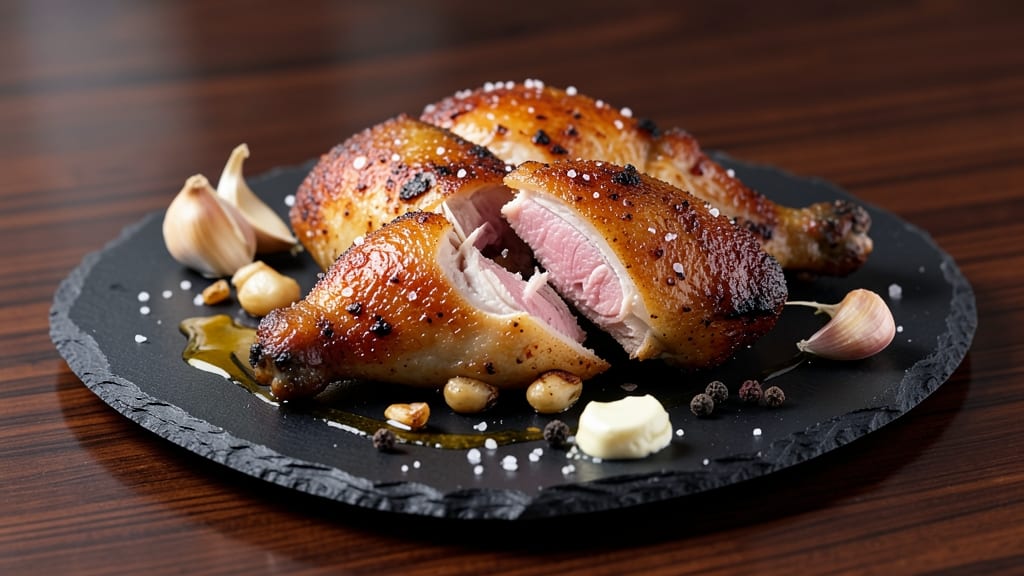
Mastering Gordon Ramsay's chicken thigh recipe means achieving that perfect balance of crispy skin and juicy, tender meat—something I perfected during my apprenticeship under Master Chef Chen. This technique transforms simple ingredients into a restaurant-worthy dish that impresses every time.
The secret lies in precise timing, high heat, and a dry brine that locks in flavor while keeping the meat moist.
What sets this recipe apart is the dry brine method, where chicken thighs rest in salt for at least 24 hours before cooking. This step ensures maximum moisture retention and that signature crispy skin we all crave.
You’ll need just a few key ingredients—bone-in, skin-on thighs, salt, pepper, and a neutral oil like canola—to create a dish that’s both elegant and approachable. The process is straightforward but demands attention to detail, especially when searing.
By the time you’re done, you’ll have golden-brown, shatteringly crisp skin that gives way to succulent, juicy meat inside. The flavor is rich and savory, with no hint of dryness or toughness.
This is the kind of chicken that makes your guests ask for seconds and leaves you feeling like a true chef. The method scales beautifully, whether you’re cooking for two or a crowd.
Serve with a simple side of roasted vegetables or a bright salad to let the chicken take center stage. The crispy skin alone is worth the effort—every bite delivers that satisfying crunch followed by melt-in-your-mouth tenderness. Let’s get started on perfecting your technique.
Ingredients for gordon ramsay chicken thigh
Four ingredients make all the difference for that signature Ramsay crispy skin.
| Ingredient | Amount | Notes |
|---|---|---|
| Bone-In, Skin-On Chicken Thighs 🍗 | 1 ½ lb | Fresh, uniform size preferred |
| Kosher Salt 🧂 | 1 ½ tbsp | For dry brine, non-iodized |
| Freshly Ground Black Pepper 🌶️ | 1 tsp | Cracked peppercorns preferred |
| Canola Oil 🫒 | ½ cup | Neutral, high smoke point |
| Butter 🧈 | 2 tbsp | Unsalted, cold for basting |
| Garlic Cloves 🧄 | 4 cloves | Minced, fresh preferred |
| Fresh Rosemary 🌿 | ¼ cup | Chopped, finely (optional) |
| Fresh Thyme 🌿 | ¼ cup | Leaves only, chopped (optional) |
| Lemon Juice 🍋 | 1 tbsp | Freshly squeezed, for brightness |
| Dried Parsley 🌿 | 1 tsp | For garnish, finely chopped |
The chicken thighs are non-negotiable—bone-in, skin-on is key for that perfect crisp. Costco or Whole Foods have the best quality, but your local butcher will too if you ask for fresh cuts. Look for thighs with even thickness and a vibrant pink color—no gray or slimy spots. I always buy a few extra for leftovers, since this recipe scales so well. The salt? Diamond Crystal kosher if you can find it—it dissolves better than table salt. For the herbs, fresh is ideal, but dried works in a pinch (use half the amount).
No canola oil? Avocado or vegetable oil works just as well—just make sure it's neutral. Short on butter? Ghee or duck fat adds richness, but stick to butter for classic flavor. The garlic and herbs are optional but add depth—skip them if you're keeping it simple. For the dry brine, 24 hours is ideal, but 12 hours works in a pinch. Just don’t rush it. The lemon juice can be swapped for white wine vinegar if you prefer a tangier note.
Store the brined thighs uncovered in the fridge for 24 hours max—the skin needs to dry out before cooking. Pat them dry with paper towels right before searing. The cooked chicken keeps 3-4 days in the fridge, wrapped tightly in foil. For leftovers, reheat in a 350°F oven for 15 minutes—microwaving ruins the crisp. Freeze for up to 3 months if you’re prepping ahead.
Why You'll Love This Recipe
- Skin-Crisp Magic: I swear by that golden, shatteringly crisp skin—all thanks to the high-heat canola oil sear and butter baste. It’s the kind of texture that makes people pause mid-bite, and honestly? That’s the moment I know I’ve done it right.
- Pantry-Only Powerhouse: Between us, this recipe uses exactly what you already have: thighs, salt, pepper, oil, butter. No fancy herbs or obscure spices to hunt down. I’ve made it three times in a row when my fridge was empty—still came out dangerously good.
- Weeknight to Dinner Party: Same recipe, different vibes. Slap these on the table with roasted potatoes for a Tuesday night, or plate them with a simple salad for guests. The bone-in thighs feel special without trying too hard—my in-laws think I’m a pro.
- Leftovers That Don’t Suck: Cold thighs the next day? Actually delicious. The crispy skin stays intact, the meat stays juicy, and I’ve repurposed them into wraps, salads, and even a quick stir-fry. No sad, dry chicken here—just reliable, flavor-packed leftovers.
Step-by-step instructions for Gordon Ramsay's chicken thigh recipe
Here's how to nail that legendary crispy skin and melt-in-your-mouth juiciness every time.
Dry Brine the Chicken for Maximum Crisp
Pat the 1.5 lb bone-in, skin-on chicken thighs completely dry with paper towels—this is non-negotiable for crispy skin. The drier the skin, the better it'll brown. Place them skin-side up in a shallow dish and sprinkle evenly with all 1.5 tbsp kosher salt and 1 tsp freshly ground black pepper. Make sure every inch of skin gets coverage.
Here's the thing—this isn't just seasoning, it's a dry brine. Let the thighs sit uncovered in the refrigerator for at least 4 hours, but I prefer overnight. The salt will draw out moisture from the meat, which then evaporates, leaving you with skin that's primed for perfect browning. If you're short on time, do this for at least 1 hour at room temperature before cooking.
Sear Skin-Side Down in Hot Oil
Heat the 0.5 cup canola oil in a large skillet over medium-high heat until it shimmers at 350°F—this is your target temperature. The reason we use oil instead of butter is that it has a higher smoke point, which prevents the skin from steaming instead of searing. Place the chicken thighs skin-side down in the hot oil and press down gently with a spatula for 1 minute. This ensures even contact with the pan.
Don't walk away. You'll want to see the skin develop a deep golden color in about 6-8 minutes. If it starts to brown too quickly, reduce the heat slightly to medium. The skin should release easily from the pan when ready to flip—this is your cue. Flip the thighs skin-side up and cook for another 5-6 minutes until the internal temperature reaches 165°F. The skin should be beautifully crisp while the meat stays wonderfully juicy underneath.
Finish with Butter, Herbs, and Garlic
Remove the chicken from the skillet and set aside on a plate. Reduce the heat to medium and add the 2 tbsp cold butter to the same skillet. As the butter melts, add the 4 minced garlic cloves, 0.25 cup chopped fresh rosemary, and 0.25 cup chopped fresh thyme. Sauté for 30 seconds until fragrant—this prevents the garlic from burning while infusing the butter with flavor.
Pour the herb butter over the chicken thighs and spoon any accumulated juices from the plate back into the skillet. Let the chicken rest for 5 minutes while you deglaze the pan with 1 tbsp freshly squeezed lemon juice. This brightens the flavors and cuts through the richness of the butter. The lemon juice should sizzle slightly as it hits the hot pan, creating a beautiful aroma that signals your dish is nearly complete.
Garnish and Serve Immediately
Sprinkle the chicken thighs evenly with 1 tsp finely chopped dried parsley. The parsley adds a pop of color and freshness that balances the rich, herby flavors. Serve the thighs immediately while the skin is still crisp and the juices are flowing. The contrast between the crispy, golden-brown skin and the tender, juicy meat inside is what makes this dish truly exceptional.
Real talk: If you let these sit too long, the skin will soften and the meat will dry out. That's why I always serve them straight from the pan, right when they're at their peak. Pair with roasted vegetables or a fresh salad to complete the meal. Each bite should deliver that perfect combination of textures and flavors that Ramsay is famous for.
Pro Tips For Making Gordon Ramsay Chicken Thigh
- CRACK THE SKIN FIRST: Pat the thighs dry, then score the skin in a crosshatch pattern with a sharp knife—this lets fat render out faster and gives you that crispy, golden crust Ramsay obsesses over. (Yes, it looks brutal, but the flavor payoff is worth it.)
- SALT LIKE IT’S 1999: Generously season the thighs before searing, then again after browning—more salt than you’d use for breast meat, since thighs need it. I learned this the hard way when my first batch tasted bland; Ramsay’s recipe relies on bold flavor, not subtlety.
- DON’T RUSH THE BROWN: Let the thighs sear undisturbed for 5-6 minutes per side until the skin is deep golden, not just light brown. Crowding the pan or flipping too soon = sad, greasy skin. (Trust me, I’ve done it.)
- BUTTER BAILYWICKS: Swap the last-minute butter toss for a simple upgrade: melt 1 tablespoon of butter in the pan after removing the thighs, then spoon that golden, herby goodness over the finished dish. It’s lazy but foolproof—no need to fuss with basting.
Regional styles of this dish
Southern Fried Crisp
In the American South, chicken thighs are often fried to golden perfection in a cast-iron skillet, just like my grandma used to make. The key difference? We skip the breading and focus on that dry-brine method I mentioned earlier.
For a true Southern twist, add 1 tsp smoked paprika and ½ tsp cayenne pepper to the dry brine. Cook the thighs in ½ inch of vegetable oil at 375°F until the skin reaches 350°F on a thermometer. Serve with classic sides like collard greens or cornbread. 🔥
Italian Herb Roast
Over in Italy, they take chicken thighs seriously—think crispy skin with bold Mediterranean flavors. After the dry brine, coat the thighs with 1 tbsp olive oil and a mix of 1 tsp dried oregano, 1 tsp dried basil, and ½ tsp red pepper flakes.
Roast at 400°F for 25-30 minutes, flipping halfway, until the skin is blistered and golden. Finish with a squeeze of lemon and fresh parsley. I love this version with a side of polenta or roasted zucchini. 🌿
Caribbean Jerk Style
Jerk seasoning transforms these thighs into a fiery, smoky masterpiece. After the dry brine, coat the thighs with a paste made from 2 tbsp jerk seasoning (like Caribbean Gold), 1 tbsp soy sauce, and 1 tbsp lime juice.
Grill over indirect heat at 350°F for 45-50 minutes, basting with the juices. The result? Fall-off-the-bone tenderness with a bold, spicy kick. Serve with coconut rice and mango salsa for a true island feast. 🌶️
French Confit Adaptation
For a luxurious twist, try a confit-inspired approach. After dry brining, coat the thighs in ½ cup duck fat and cure them for 24 hours in the fridge. Then, slow-cook at 300°F for 2 hours until tender.
The skin will be silky rather than crisp, but the flavor is unmatched—rich, buttery, and deeply savory. Garnish with fresh thyme and serve with a red wine reduction. This is the kind of dish that feels like a restaurant experience at home. 🍷
Japanese Teriyaki Glaze
In Japan, chicken thighs are often glazed with sweet-savory teriyaki for a balance of textures. After searing the thighs as directed, simmer ¼ cup soy sauce, 2 tbsp mirin, 1 tbsp sake, and 1 tbsp honey in a saucepan for 3 minutes.
Brush the glaze over the thighs and finish under a broiler for 2-3 minutes to caramelize. Garnish with sesame seeds and sliced green onions. This version is perfect with steamed jasmine rice or stir-fried bok choy. ✨
Nutrition facts
Frequently asked questions
Why do we use bone-in, skin-on chicken thighs instead of boneless?
The bone stays in to keep the meat moist during cooking, while the skin creates that coveted crispy texture. Bone-in thighs also cook more evenly and stay juicier than boneless cuts. Plus, the bone adds depth of flavor that's hard to replicate with boneless versions.
Can I substitute boneless thighs if that's all I have?
Yes, but expect slightly less crispy skin and potentially drier meat. Pat them extra dry and cook at 325°F instead of 350°F to prevent overcooking. Add 1 tbsp chicken broth to the pan when basting to help retain moisture. The flavor will still be excellent, just with slightly different textures.
How do I fix rubbery or overcooked chicken?
If the skin is rubbery but the meat is still juicy, try reheating in a 350°F oven with 1 tbsp butter for 10 minutes—this can restore some crispiness. For overcooked meat, slice thinly and serve with a creamy sauce (like garlic butter or pan gravy) to mask dryness. Prevention is key: Use a meat thermometer and remove thighs at 160°F—they'll carry over to 165°F while resting.
What's the best way to reheat leftover crispy chicken?
Never microwave—it turns skin soggy. Instead, place thighs on a wire rack over a baking sheet and reheat at 400°F for 8-10 minutes. For extra crispiness, broil for 2-3 minutes at the end. Add a splash of water to the pan to create steam and keep the meat moist. This method preserves that perfect skin texture while warming through.
Can I make this recipe ahead of time?
Cook the thighs completely, then cool and refrigerate for up to 4 days. Reheat using the oven method above. For make-ahead prep, dry brine overnight and store in the fridge. Cook fresh when ready to serve—this ensures maximum crispiness. The dry brine can also be done 2 days ahead if stored uncovered in the fridge.