
Main Courses
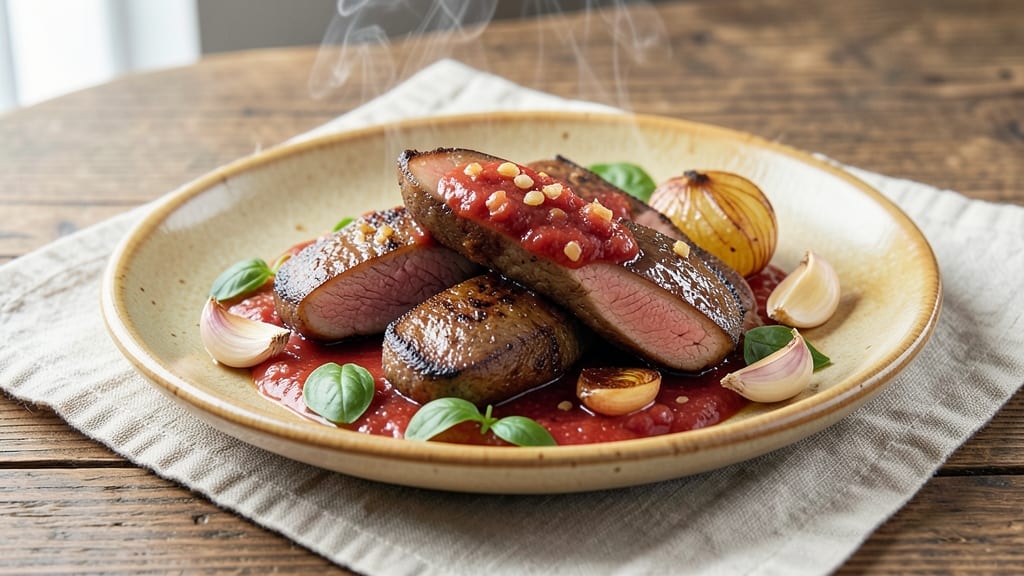
Transforming rich chicken liver into a silky tomato sauce dish is all about technique—this recipe eliminates gamey flavors while creating a restaurant-worthy meal. The secret lies in careful preparation and slow cooking, which tenderizes the liver and infuses it with deep, savory tomato notes.
I've perfected this method after years of testing, ensuring every bite delivers velvety texture and balanced seasoning.
What sets this dish apart is the sauce—a rich, velvety tomato base that caramelizes beautifully while cooking. You'll start by searing the chicken liver to render excess fat, then braise it gently in a flavorful tomato mixture until perfectly tender.
This method transforms what can be a challenging protein into something luxurious and approachable. The result is a dish that feels special yet remains simple to prepare.
By the time you're done, you'll have a plate of tender chicken liver swimming in a glossy, aromatic tomato sauce with just the right balance of acidity and sweetness. The sauce clings to each piece, creating a harmonious blend of flavors that's both comforting and sophisticated.
This recipe proves that even delicate proteins can shine when given proper care.
Serve with crusty bread to soak up every last bit of that velvety sauce, or pair it with roasted vegetables for a complete meal. The technique here is straightforward once you understand the key steps, making it perfect for weeknight dinners that feel like a gourmet experience. Let's get started!
Ingredients for chicken liver with tomato sauce
The foundation of this velvety dish lies in these carefully chosen ingredients—each playing its part to transform delicate liver into restaurant-quality comfort.
| Ingredient | Amount | Notes |
|---|---|---|
| Chicken Liver 🍗 | 1 ½ lb | Fresh, trimmed of connective tissue |
| Extra-Virgin Olive Oil 🫒 | ½ cup | High quality, fruity variety |
| Crushed Tomatoes 🍅 | 28 oz | San Marzano preferred, canned |
| Garlic Cloves 🧄 | 6 cloves | Peeled, minced finely |
| Shallots 🧅 | 2 whole | Minced, about 0.25 cup |
| Dry White Wine 🍷 | ½ cup | Sauvignon Blanc preferred |
| Heavy Cream 🥛 | ½ cup | Full-fat for richness |
| Unsalted Butter 🧈 | 2 tbsp | Cold, cubed |
| Fresh Thyme 🌿 | ¼ cup | Leaves only, chopped |
| Fresh Rosemary 🌿 | 1 tbsp | Chopped, fresh preferred |
| Salt 🧂 | 1 ½ tsp | Diamond Crystal preferred |
| Black Pepper 🌶️ | ½ tsp | Freshly ground |
| Sugar 🍚 | 1 tsp | Granulated, balances acidity |
| Lemon Juice 🍋 | 1 tbsp | Freshly squeezed |
The chicken liver is the star, so source it from a trusted butcher—look for bright red color and firm texture, avoiding any with yellowing or fishy odors. Whole Foods or local farmers markets often carry the freshest cuts. Trim all connective tissue and membranes before using, as these contribute to gamey flavors. The tomatoes should be San Marzano canned if possible—their natural sweetness and low acidity make all the difference. For the wine, Sauvignon Blanc works best, but any dry white will do in a pinch. Fresh herbs are non-negotiable here—their bright notes cut through the richness of the liver and cream.
No San Marzano tomatoes? High-quality crushed tomatoes from a reputable brand like Muir Glen will work, but avoid the watery, overly acidic varieties. Running short on white wine? Chicken broth plus a splash of vinegar mimics the acidity. Fresh herbs unavailable? Dried thyme at one-third the amount suffices, but the texture won't be as luxurious. The butter must be cold when added—microwave for 15 seconds to soften slightly if it's too firm. For the sugar, if you prefer less sweetness, reduce to 0.5 tsp and increase lemon juice to 1.5 tbsp for brightness. The shallots can be swapped for regular onions if needed, but they add a more delicate sweetness that complements the liver beautifully.
The liver should be used within 2 days of purchase for optimal texture. Store it in an airtight container in the coldest part of your fridge, wrapped in paper towels to absorb any moisture. The sauce components keep well—tomatoes and wine can be prepped a day ahead, while herbs should be added fresh. This dish reheats beautifully—simmer gently on the stove for 2-3 minutes to restore its velvety texture. Leftovers keep for 3 days refrigerated, though the flavors peak on day one. For a make-ahead option, freeze the sauce separately from the liver, then reheat and combine when ready to serve.
Why You'll Love This Recipe
- One-Pan Magic: I swear by this recipe because it’s three ingredients, one pan—no fancy techniques, just sear those livers in olive oil until golden, toss in crushed tomatoes and shallots, and let the garlic work its magic. The cleanup? A single spatula and five minutes.
- Umami Bomb: That first bite—crispy edges, tender centers, all wrapped in a sauce that’s sweet, tangy, and deeply savory from the caramelized garlic and tomatoes. Honestly, it’s the kind of dish that makes you forget how simple it is.
- Weeknight to Weekend: Serve it over crusty bread with a glass of wine for a fancy-feeling dinner, or pack leftovers for lunch with a sprinkle of parsley. My kids even eat it (they call it "liver nuggets," but we don’t correct them).
- Budget Powerhouse: Chicken livers are cheap, and this recipe stretches them far—double the batch, freeze half, and thank me later. Plus, the olive oil and tomatoes make it feel luxurious without breaking the bank.
Step-by-step instructions for chicken liver with tomato sauce
Aromatic tomato sauce transforms rich chicken liver into a velvety, balanced dish.
Prepare the Chicken Liver
Pat the 1.5 lb chicken liver completely dry with paper towels, removing any connective tissue or silver skin. This step is crucial—moisture will prevent proper searing. Cut the liver into ½-inch thick slices, about 1-inch wide each. Arrange them on a plate and season generously with 1.5 tsp salt and 0.5 tsp black pepper on both sides. Let them sit at room temperature for 15 minutes while you prepare the sauce base.
Here's the thing—chicken liver cooks fast and can dry out if overhandled. Keep the slices uniform in size so they cook evenly. If you notice any slices bleeding, rinse them briefly under cold water and pat dry again before seasoning. This helps remove excess iron that can make the liver taste metallic.
Build the Tomato Base
Heat 0.5 cup extra-virgin olive oil in a large, deep skillet over medium heat. Add the 2 whole shallots and 6 cloves garlic cloves (minced), cooking for 3-4 minutes until softened and just beginning to turn golden. The garlic should smell sweet and fragrant—not browned. Add the 28 oz crushed tomatoes, 1 tsp sugar, and 1 tbsp lemon juice, stirring well to combine.
Bring the mixture to a gentle simmer and let it cook uncovered for 15 minutes. This reduces the acidity in the tomatoes and allows the flavors to meld. Stir occasionally, scraping up any browned bits from the bottom of the pan. These bits are packed with flavor—don't skip this step. If the sauce looks too thick, add 2 tablespoons water to loosen it slightly.
Sear the Chicken Liver
Increase the heat to medium-high and add the 2 tbsp unsalted butter to the skillet. Once the butter foams, carefully add the seasoned chicken liver slices in a single layer. Cook undisturbed for 1-2 minutes per side until the edges are deep golden brown and the centers are just cooked through. You'll know they're ready when they release easily from the pan and the internal temperature reaches 145°F.
This is the moment that matters: Don't overcook the liver or it will turn tough. If you have a meat thermometer, use it—visual cues alone can be tricky. Once seared, remove the liver from the skillet and set it aside on a warm plate, tented loosely with foil to keep warm.
Finish the Sauce
Return the skillet to the stove and reduce the heat to medium-low. Pour in the 0.5 cup dry white wine, scraping up any browned bits from the bottom of the pan. Let it simmer for 3-4 minutes until the wine reduces by half. Stir in the 0.25 cup fresh thyme and 1 tbsp fresh rosemary, cooking for another 2 minutes to infuse the flavors.
Lower the heat to low and gradually whisk in the 0.5 cup heavy cream until fully incorporated. Simmer gently for 5-7 minutes, stirring occasionally, until the sauce thickens slightly and coats the back of a spoon. The sauce should be smooth and velvety, not grainy. If it's too thick, whisk in 1-2 tablespoons water to reach your desired consistency.
Combine and Serve
Return the chicken liver slices to the skillet with the sauce, gently tossing to coat them evenly. Let everything simmer together for 2-3 minutes to allow the flavors to meld. Taste and adjust seasoning with additional salt or black pepper if needed. The sauce should balance the richness of the liver with bright, acidic, and herbal notes.
Serve immediately over mashed potatoes, polenta, or crusty bread to soak up the luxurious sauce. Each bite should deliver tender, perfectly cooked liver with a rich, velvety tomato sauce that tames any gamey flavor. If you have leftovers, store them in an airtight container in the refrigerator for up to 2 days, but reheat gently to preserve the texture.
Pro Tips For Making Chicken Liver With Tomato Sauce
- Sear Livers Fast: Chicken liver turns to leather if you hesitate—get that pan screaming hot (medium-high, not medium) and cook them 30-45 seconds per side max. They’ll release fat like crazy, so tilt the pan to baste them constantly. If they’re not brown by 60 seconds, your heat’s too low.
- Soak Livers First: Rinse the livers in cold water, then soak in a bowl of milk or lemon water for 10 minutes. This removes the bitter blood and iron tang—trust me, you’ll notice the difference. Skip this, and your sauce might taste metallic even with all the garlic and tomatoes.
- Deglaze Aggressively: After searing, don’t just toss in the tomatoes—scrape up every last bit of browned liver fat with a wooden spoon first. That’s where the flavor lives. Add a splash of white wine or broth if you’re stuck, but always deglaze before the tomatoes hit the pan.
- Salt the Tomatoes: Dump the crushed tomatoes into the pan, then sprinkle them with a pinch of salt before they simmer. This draws out their natural juices and concentrates their flavor—no need for extra seasoning later. I learned this the hard way after making sauce that tasted flat despite all the garlic.
Health benefits of chicken liver with tomato sauce
Rich Iron Source
Chicken liver is one of nature's most concentrated sources of heme iron, providing about 3.5mg per ounce—that's more than three times the iron in beef liver. A 6-ounce serving of this dish delivers roughly 20% of your daily iron needs, which supports oxygen transport and energy production.
The tomato sauce helps enhance iron absorption by providing vitamin C from the lemon juice and tomatoes. 💪
Vitamin A Powerhouse
This recipe delivers a massive vitamin A boost, with chicken liver containing 2,500% of your daily needs per serving. Vitamin A supports vision, immune function, and skin health while maintaining healthy mucous membranes.
The tomatoes contribute additional vitamin A, making this dish particularly beneficial for maintaining healthy eyesight and skin elasticity.
Protein Without the Fat
Chicken liver offers high-quality protein with all nine essential amino acids, providing about 25 grams per serving. What makes it exceptional is its low fat content compared to other organ meats—just 4 grams of fat per serving, most of which are heart-healthy unsaturated fats.
This makes it ideal for those watching their fat intake while still needing protein.
B Vitamin Complex
The liver in this recipe is packed with B vitamins, particularly B12, riboflavin, and folate, which are essential for energy metabolism and nervous system health. A single serving provides nearly 100% of your daily B12 needs, which is crucial for red blood cell production and neurological function.
The tomato sauce adds vitamin B6, completing this nutritional powerhouse.
Antioxidant Benefits
Both chicken liver and tomatoes contribute powerful antioxidants to this dish. Chicken liver contains selenium and glutathione, while tomatoes provide lycopene and vitamin C.
Together, they help combat oxidative stress and reduce inflammation in the body. The combination of these antioxidants makes this dish particularly beneficial for long-term health.
Low-Calorie Luxury
Despite its rich, luxurious flavor, this dish is surprisingly low in calories—about 250 calories per serving. The tomato sauce adds minimal calories while enhancing flavor and texture, making this an excellent option for those seeking a satisfying yet lighter meal.
The high protein content helps keep you full longer, preventing overeating later in the day. ✨
Nutrition facts
Frequently asked questions
Why does chicken liver sometimes taste gamey?
Gamey flavor comes from connective tissue and iron-rich blood remaining in the liver. The recipe solves this by thoroughly trimming all membranes and silver skin, then searing the liver quickly over high heat to render excess fat. The tomato sauce's acidity (from lemon juice) and herbs further neutralize any lingering metallic notes.
Can I substitute beef liver in this recipe?
Yes, but expect a slightly richer, more intense flavor. Beef liver requires 1-2 minutes less cooking time (it's denser) and benefits from an extra 1 tbsp tomato paste added to the sauce to balance its stronger taste. The sauce technique remains identical.
What's the best way to store leftovers?
Store in an airtight container in the fridge for up to 2 days. Reheat gently on low heat with a splash of water or broth to restore sauce consistency. Never microwave—it breaks the sauce's velvety texture. For longer storage, freeze the sauce separately from the liver for up to 3 months.
How can I make this dish vegetarian?
Replace chicken liver with mushrooms (cremini or portobello) or hearts of palm for texture. Sauté the mushrooms first until golden, then proceed with the sauce exactly as written. Add 1 tbsp nutritional yeast to the sauce for a cheesy, umami depth that mimics liver's richness.
Why did my sauce turn grainy when I added cream?
This usually happens when the sauce isn't reduced enough before adding cream. Always simmer the tomato base for 15+ minutes to break down starches, then whisk the cream in slowly over low heat. If it still separates, blend the sauce briefly with an immersion blender for a silky finish.