Side Dishes
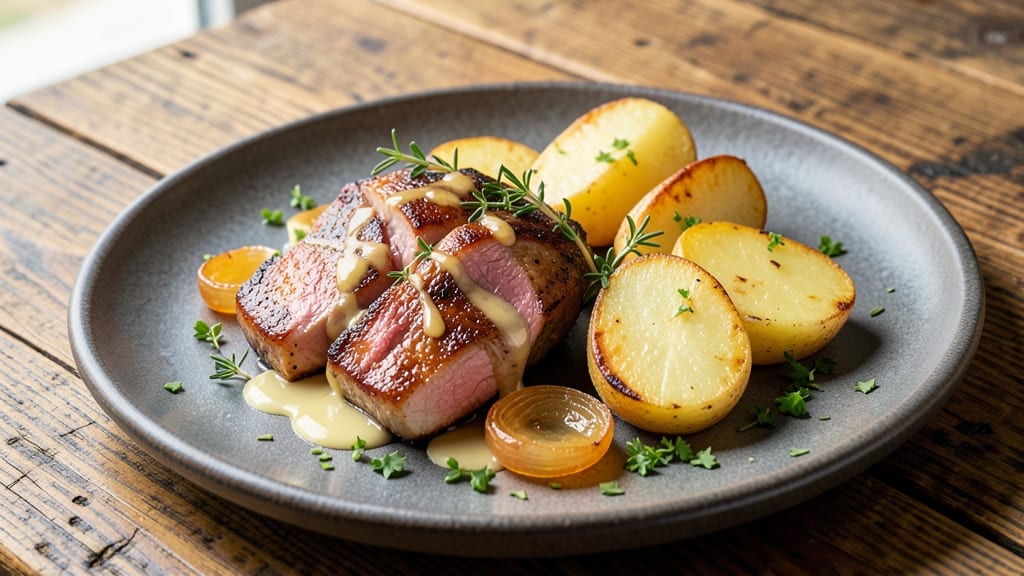
This chicken liver and potatoes recipe transforms humble offal into a luxurious dish with a rich pan sauce that elevates every bite. Growing up in small-town Georgia, I learned how to make the most of what we had—nothing went to waste, especially not chicken livers.
The secret lies in quick, high-heat cooking to preserve their delicate texture while building a velvety sauce that turns leftovers into something extraordinary.
What sets this recipe apart is the balance between tender potatoes and succulent livers, both cooked to perfection in the same pan. The potatoes develop a crispy exterior while staying fluffy inside, while the livers sear to a golden brown, releasing their natural richness into the sauce.
This method ensures maximum flavor with minimal effort—ideal for a weeknight dinner that feels like a restaurant meal.
The result is a dish where caramelized potatoes and pan-seared livers swim in a glossy, herb-infused sauce that clings to every forkful. The sauce itself is a revelation—savory, slightly sweet, and packed with umami from the livers, making this one of those recipes that turns skeptics into converts.
It’s the kind of meal that feels both comforting and refined, proving that offal dishes can be just as impressive as any main course.
Serve this with a crisp green salad or crusty bread to soak up every last drop of that transformative pan sauce. The leftovers? Even better reheated the next day. Let’s get cooking—this is a recipe that delivers restaurant-quality results at home.
Ingredients for chicken liver with potato
Transform humble ingredients into a restaurant-worthy dish with these carefully selected components.
| Ingredient | Amount | Notes |
|---|---|---|
| Fresh Chicken Livers 🍗 | 1 lb | Trimmed of connective tissue |
| Yellow Potatoes 🥔 | 1 ½ lb | Yukon Gold preferred, cut into 1-inch cubes |
| Unsalted Butter 🧈 | 6 tbsp | Cold, cut into pieces for sauce |
| Shallots 🧅 | 2 whole | Finely minced, about 2 tbsp |
| Fresh Thyme Leaves 🌿 | ½ tbsp | Chopped, stems removed |
| Fresh Parsley Leaves 🌿 | ¼ cup | Chopped, for finishing |
| Dry Sherry 🍷 | ½ cup | Substitute with dry white wine |
| Chicken Stock 💧 | ½ cup | Homemade preferred, low-sodium |
| Diamond Crystal Kosher Salt 🧂 | 1 ½ tsp | Adjust to taste |
| Freshly Ground Black Pepper 🌶️ | ½ tsp | Coarsely cracked |
| Heavy Cream 🥛 | ¼ cup | Full-fat for richness |
| Extra-Virgin Olive Oil 🫒 | 2 tbsp | For searing potatoes |
The quality of chicken livers makes all the difference—look for bright red, firm pieces at your local butcher or specialty market like Whole Foods. Trim any connective tissue or silverskin before using. For potatoes, Yukon Golds strike the perfect balance between fluffiness and crispiness. If you can't find them, Russets work in a pinch, but they'll be drier. The butter should be cold and unsalted—this ensures proper sauce emulsification. Fresh herbs elevate the dish, so grab thyme and parsley from the grocery store's refrigerated section—they'll stay vibrant longer than dried alternatives.
No dry sherry? Dry white wine or additional chicken stock works equally well, though sherry adds a subtle depth. Substituting heavy cream with half-and-half reduces richness but keeps the sauce velvety. For those avoiding dairy, coconut cream mimics the texture, though flavor will differ. If you're short on time, pre-minced shallots from the jarred section save prep work, though fresh always tastes superior. The potatoes can be roasted ahead and reheated—just toss them in the pan with the livers to finish.
Store any leftover livers in an airtight container in the coldest part of your fridge for up to 2 days. The sauce, once thickened, keeps for 3 days refrigerated or 3 months frozen. For maximum flavor, reheat the sauce separately and drizzle over the potatoes—this prevents a soggy texture. Portion the sauce into ice cube trays for easy reheating, perfect for quick weeknight dinners or last-minute appetizers.
Why You'll Love This Recipe
- One-Pan Magic: I swear, this dish is the closest I’ve gotten to "dump and forget" without sacrificing flavor. Just toss the livers and diced potatoes in the same pan, let the butter and shallots work their magic, and boom—done. No chopping boards to clear, no extra pots to wash.
- Rich Umami Bomb: That first bite? The livers sear in butter until they’re golden and tender, while the shallots caramelize into something almost sweet. Add the thyme, and suddenly you’ve got a dish that tastes like it simmered all day—even if it took 20 minutes.
- Budget Powerhouse: Between us, chicken livers are one of the most underrated proteins. They’re cheaper than chicken thighs but pack way more punch. A single package stretches for two meals, and the potatoes? They’re the ultimate filler that keeps everyone full without breaking the bank.
- Weeknight Revival: Honestly, this is my go-to when I’m too tired to think. Leftovers reheat beautifully—just a quick warm in the pan with a splash of water—and it’s the kind of thing that turns a "what’s for dinner?" panic into something special. Even my picky-eating partner asks for seconds.
Step-by-step instructions for chicken liver and potatoes with rich pan sauce
Mastering this dish transforms humble ingredients into an elegant, restaurant-worthy meal.
Prepare the Chicken Livers and Potatoes
Rinse the 1 lb fresh chicken livers thoroughly under cold water and pat them completely dry with paper towels. Trim away any visible connective tissue or silver skin using a sharp knife. This step ensures tender, clean-flavored livers that cook evenly. Cut the 1.5 lb yellow potatoes into uniform 1-inch cubes—consistent size guarantees even cooking throughout.
Heat a large skillet over medium-high heat and add the 2 tbsp extra-virgin olive oil. Once shimmering, add the potato cubes in a single layer, allowing them to develop a golden crust without crowding the pan. Season immediately with ½ tsp diamond crystal kosher salt and ¼ tsp freshly ground black pepper. Cook undisturbed for 8-10 minutes, stirring occasionally, until the edges are crisp and the potatoes yield slightly when pierced with a fork. Remove them to a plate and set aside.
Sear the Chicken Livers and Build the Sauce Base
In the same skillet, reduce the heat to medium and add 2 tbsp unsalted butter, allowing it to melt and foam. Add the trimmed chicken livers in a single layer, being careful not to overcrowd. Sear for 2-3 minutes per side until they develop a deep golden-brown crust and reach an internal temperature of 145°F. Remove the livers to a clean plate and keep warm.
Immediately add the 2 whole shallots, finely minced, to the skillet and cook for 2 minutes until softened but not browned. Stir in the 0.5 tbsp fresh thyme leaves and cook for another 30 seconds until fragrant. Pour in the 0.5 cup dry sherry, scraping up any browned bits from the bottom of the pan. Let it simmer for 3-4 minutes until reduced by half, intensifying the flavors.
Finish the Sauce and Combine Ingredients
Pour in the 0.5 cup chicken stock and bring to a gentle simmer. Reduce the heat to low and whisk in the 6 tbsp unsalted butter, cut into pieces, allowing it to melt and emulsify into a velvety sauce. Stir in the 0.25 cup heavy cream and simmer for 2-3 minutes until the sauce thickens slightly but remains silky. Season to taste with additional diamond crystal kosher salt and freshly ground black pepper if needed.
Return the seared chicken livers to the skillet and gently toss to coat them in the sauce. Add the crispy potatoes back in and toss everything together, ensuring each piece is evenly coated. Sprinkle with the 0.25 cup fresh parsley leaves, chopped, and serve immediately, garnished with an additional sprinkle of black pepper.
Pro Tips For Making Chicken Liver With Potato
- Trim the Gall Bladders: Chicken livers come with tiny green sacs—those are gall bladders, and they’re bitter. Pop them out with a quick pinch between your fingers before trimming fat. I used to leave them in once and spent 10 minutes trying to mask the taste with extra thyme. Not worth it.
- Parboil Potatoes Cold: Start your potatoes in cold water—yes, even if you’re in a rush. Heating the water first cooks the outsides unevenly, leading to gummy centers. Drop them in raw, bring to a boil, then simmer until fork-tender. Your future self will notice the difference when slicing them later.
- Sear Livers in Batches: Crowd a pan, and your livers steam instead of sear. Work in single layers over medium-high heat for 2–3 minutes per side—just until golden. I learned this after flipping soggy, pale livers that tasted like nothing. A little patience here makes all the difference.
- Deglaze with Wine (or Skip): If you’re using wine, add it after removing the livers to deglaze—this pulls up all those browned bits for flavor. No wine? A splash of chicken stock works just as well. I used to skip this step and wondered why my sauce tasted flat. Now I keep a bottle of dry white on hand.
Pro cooking tips for this recipe
Potato Prep Matters
Cutting potatoes into 1-inch cubes ensures even cooking—never skip this step. I use a mandoline slicer for consistent sizing, but a sharp chef's knife works too. For extra crispiness, toss the potatoes in 1 tsp cornstarch before searing. This creates a golden crust while keeping the insides tender. 🥔
Sear Livers Fast
Chicken livers cook in a flash—2-3 minutes per side is all they need. Overcooking turns them rubbery, so use a meat thermometer to hit 145°F internal temp.
I like to sear them in batches if needed, but never overcrowd the pan. This keeps the heat high and prevents steaming.
Deglaze Like a Pro
The sherry reduction is where magic happens. After searing shallots, pour in the 0.5 cup dry sherry and let it simmer until reduced by half—this concentrates the flavors.
Never skip scraping the browned bits from the pan (fond) with a wooden spoon. Those bits pack intense umami that transforms an ordinary sauce into something extraordinary. 🍷
Butter Emulsification
Adding cold butter to the simmering sauce creates that signature velvety texture. I cut 6 tbsp unsalted butter into small pieces and whisk it in gradually while keeping the heat low.
This prevents the butter from separating and ensures a silky finish. If the sauce breaks, just whisk vigorously and return to low heat for 30 seconds.
Potato Timing Trick
Remove the potatoes from the pan when they're just slightly underdone—they'll finish cooking when mixed with the warm livers. This prevents mushiness. I like to reheat them in the same skillet for 1-2 minutes with the livers to ensure they're perfectly tender.
The residual heat from the livers helps them finish cooking without drying out. ⏱️
Herb Finishing Touches
Fresh parsley isn't just for looks—it brightens the dish with a clean finish. I chop 0.25 cup parsley leaves right before serving to preserve their vibrant color and flavor.
A sprinkle of freshly cracked black pepper adds a final layer of complexity. For extra depth, add 1 tsp capers when tossing everything together at the end. 🌿
Nutrition facts
Frequently asked questions
Why do chicken livers need to be trimmed before cooking?
Trimming removes connective tissue and silver skin, which can make the livers tough and bitter. These membranes don't break down during cooking, so removing them ensures a clean, tender texture. Look for pale white or yellowish membranes—trim these away with kitchen shears or a sharp knife before seasoning.
Can I substitute dry white wine for the sherry in the sauce?
Yes, but sherry adds a subtle depth that white wine lacks. For best results, use a dry white wine with good acidity like Sauvignon Blanc. If substituting, reduce the amount slightly (¼ cup instead of ½ cup) since wine has more water content. The sauce will still be delicious, just with a brighter, more citrus-forward profile.
How do I fix rubbery chicken livers?
Rubbery livers happen from overcooking or improper prep. First, ensure you're cooking them over medium-high heat for only 2-3 minutes per side until they reach 145°F internal temp. Always trim connective tissue thoroughly and pat them completely dry before searing. If they've already turned rubbery, try slicing them thin and quickly pan-frying them again with a splash of cream or stock to restore moisture.
What's the best way to reheat leftovers?
Reheat the sauce separately and drizzle it over the potatoes and livers to maintain texture. Place the sauce in a small saucepan over low heat and warm gently until just simmering. Add a splash of chicken stock if it thickens too much. For the potatoes, reheat them in a dry skillet over medium heat for 2-3 minutes until crispy again.
Can I make this dish ahead of time?
but with smart timing. Cook the potatoes and livers separately, then store them in airtight containers in the fridge for up to 2 days. When ready to serve, reheat the potatoes in a skillet until crispy, then warm the sauce separately. Combine everything just before serving to keep the livers tender and the potatoes crisp.