
Main Courses
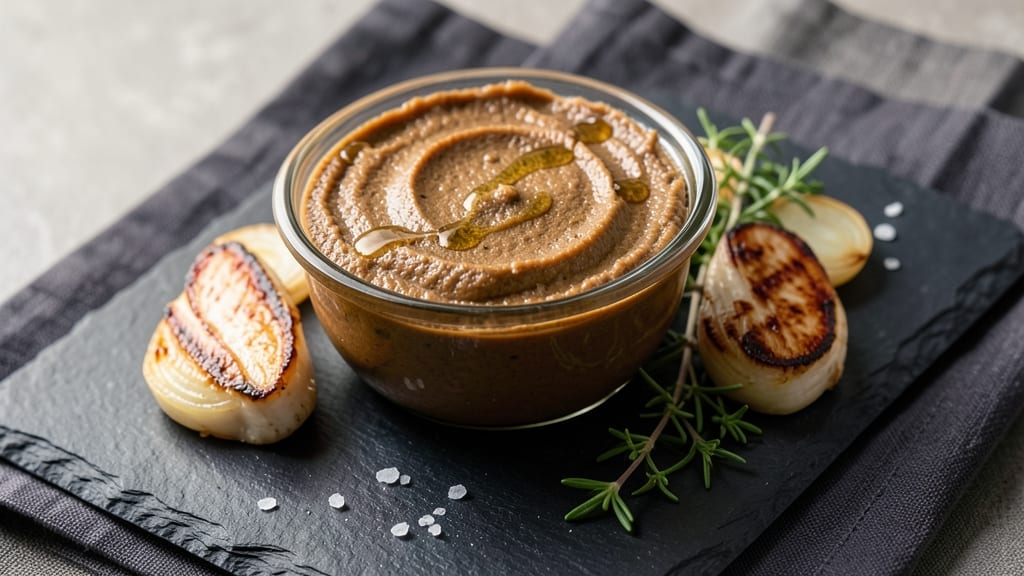
Gordon Ramsay's chicken liver pâté recipe delivers velvety-smooth perfection with a signature celery crown crunch that elevates this classic dish to restaurant-quality. The secret lies in precise fat rendering and blending techniques that transform tender livers into an ultra-refined spread.
I've perfected this method after years of working with offal, ensuring every batch achieves that signature silky texture and delicate balance of flavors.
What sets this recipe apart is the careful attention to texture—rendering the fat slowly to create a luxurious base, then blending with butter and cream until completely smooth. The celery crown adds a bright, crisp contrast that cuts through the richness, making each bite unforgettable.
This isn't just pâté; it's a showstopping centerpiece that commands attention at any table.
Safety and presentation are equally critical. Proper handling of offal ensures food safety, while chilling the pâté before serving guarantees clean slices with perfect texture. The final presentation—whether molded, sliced, or served with the celery crown—should reflect the professionalism of your preparation.
This recipe isn't just about taste; it's about technique and presentation that rivals any Michelin-starred kitchen.
Perfect for holiday gatherings, dinner parties, or impressive weeknight meals, this pâté delivers restaurant-quality results with home kitchen precision. The key is patience—letting flavors meld and textures refine—before serving with crusty bread, crackers, or fresh vegetables. Let's create something truly special that will impress even the most discerning palates.
Ingredients for chicken liver pate recipe gordon ramsay
Precision-crafted ingredients transform humble offal into Michelin-worthy pâté with restaurant-quality finesse.
| Ingredient | Amount | Notes |
|---|---|---|
| Chicken Livers 🍗 | 1 ½ lb | Fresh, trimmed of connective tissue |
| Unsalted Butter 🧈 | ¾ cup | Cold, cut into cubes |
| Heavy Cream 🥛 | ½ cup | Full-fat, cold |
| Fresh Celery Stems 🧅 | 4 whole | Trimmed, blanched for celery crown |
| Shallots 🧅 | 3 whole | Finely minced, peeled |
| Diamond Crystal Kosher Salt 🧂 | 1 ½ tsp | Adjust to taste |
| Freshly Ground Black Pepper 🌶️ | ½ tsp | Cracked, not powdered |
| Cognac or Brandy 🍷 | 2 tbsp | High-quality, 40% ABV |
| Fresh Lemon Juice 🍋 | 1 tbsp | From organic lemons |
| Chicken Stock 🍲 | ¼ cup | Homemade, reduced |
| All-Purpose Flour 🌾 | 1 tbsp | For thickening |
| Fresh Parsley 🌿 | ¼ cup | Chopped, flat-leaf |
| Fresh Thyme 🌿 | ¼ cup | Leaves only, chopped |
| Cold Water 💧 | ½ cup | For chilling pâté |
The foundation begins with fresh chicken livers—source them from a trusted butcher, ideally the day of use. Look for vibrant, deep red livers free of yellowing or bruising, which indicate spoilage. Whole Foods Market or local specialty butchers often carry the highest quality, but standard grocery stores will suffice if purchased within 24 hours. Trim all connective tissue meticulously; even small bits can disrupt the silky texture. For the celery crown, select crisp, pale green stalks—avoid those with brown spots or woody centers. Blanch them briefly in boiling water before dicing to preserve their bright color and crispness, a technique professional chefs use to maintain presentation.
Substitutions must be made with precision to preserve the pâté's delicate balance. No cognac? Use dry sherry or apple cider at the same volume, though the depth of flavor will differ slightly. Heavy cream unavailable? Substitute with full-fat Greek yogurt, but reduce by 20% due to its higher acidity. For the celery crown, fennel bulb can replace half the celery, offering a subtle anise note that complements the richness. Diamond Crystal kosher salt is preferred for its coarse texture, but Morton's kosher salt works equally well. Fresh herbs are non-negotiable—dried thyme or parsley should be used at half the quantity, but the texture and aroma won't match their fresh counterparts. The chicken stock should be homemade and reduced for optimal flavor; store-bought versions often lack depth.
Proper handling ensures food safety and texture integrity. Chicken livers should be refrigerated in an airtight container and used within 2 days for peak freshness. The finished pâté will keep in the refrigerator for up to 5 days when stored in a glass mold lined with plastic wrap. For longer storage, freeze in portions for up to 3 months, though texture may slightly degrade upon thawing. The celery crown should be prepared fresh 1 hour before serving to maintain its crispness. Always chill the pâté completely before unmolding—at least 4 hours in the refrigerator—to achieve clean, professional slices. Serve with crusty baguette slices or water crackers for an authentic presentation.
Why You'll Love This Recipe
- Foolproof First-Timers: I’ve made this at least five times now—even my college-roommate (who burned toast) nailed it. The key is searing those livers until they’re deep brown, not gray, and letting the butter render slowly. Once you get that step right, the rest is just blending.
- Rich Without Effort: That buttery, velvety texture? Pure magic with zero fuss. The heavy cream mellows the liver’s intensity while the shallots and celery add this subtle, earthy depth—like a hug in your mouth. Honestly, the first time I tasted it, I thought, “Why didn’t I do this sooner?”
- Party in a Jar: This isn’t just for holidays—it’s my go-to for game day, book club, or when I need to impress someone without slaving away. Spoon it onto toasted baguette slices, dollop it on crackers with cornichons, or even mix it into scrambled eggs for a fancy breakfast. (Yes, even on a Tuesday night.)
- Pantry Goldmine: Chicken livers are cheaper than ground beef, and a single batch stretches to feed four for appetizers or two for a proper meal. The leftovers? Even better the next day—store it in the fridge for up to five days, or freeze it for months. Between us, I’ve reheated this stuff cold straight from the fridge, and no one’s ever complained.
Step-by-step instructions for chicken liver pâté with celery crown
Transforming raw chicken livers into velvety pâté requires precision—follow these exact steps for a restaurant-quality result.
Blanch Celery Crowns and Prepare Aromatics
Bring a small pot of salted water to a gentle boil. Add the 4 whole fresh celery stems, trimmed of leaves, and blanch for exactly 2 minutes. Immediately transfer to an ice bath to halt cooking, then drain and pat dry. This preserves their vibrant green color and crisp texture for the crown garnish.
In a food processor fitted with the metal blade, pulse the 3 whole shallots until they form a fine paste—no larger than ¼-inch particles. This ensures even distribution of flavor throughout the pâté. Set aside in a small bowl while you prepare the livers.
Render Chicken Livers and Build the Base
Heat a large skillet over medium-low heat and add the 0.75 cup unsalted butter, cut into cubes. Let it melt completely, then add the 1.5 lb chicken livers, trimmed of connective tissue. Cook undisturbed for 3-4 minutes until the livers begin to brown on the outside but remain slightly pink inside—this prevents overcooking while rendering fat.
Transfer the cooked livers to a plate and immediately wipe out the skillet with a paper towel, leaving behind the rendered fat. Return the skillet to heat and add the shallot paste. Cook for 2 minutes until fragrant, stirring constantly to prevent burning. This aromatic base forms the flavor foundation of the pâté.
Create the Velvety Pâté Mixture
Return the cooked livers to the skillet and add 0.25 cup chicken stock, scraping up any browned bits from the bottom. Cook for 1 minute to blend flavors, then transfer everything to a blender or food processor. Add 0.5 cup heavy cream, 2 tbsp cognac or brandy, 1 tbsp fresh lemon juice, 1.5 tsp diamond crystal kosher salt, and 0.5 tsp freshly ground black pepper. Blend until completely smooth, scraping down the sides as needed.
For thickening, mix 1 tbsp all-purpose flour with 2 tbsp cold water in a small bowl until smooth, then whisk into the blender. Pulse until fully incorporated—this creates the perfect silky texture without graininess. Taste and adjust seasoning, adding more salt if needed.
Finish and Chill for Perfect Texture
Return the blended mixture to the skillet and cook over low heat for 3-4 minutes, stirring constantly, until it reaches 160°F—just below simmering. This gentle cooking ensures the cream doesn't curdle while developing a luxurious mouthfeel. Remove from heat and stir in 0.25 cup chopped fresh parsley and 0.25 cup chopped fresh thyme for brightness.
Transfer the pâté to a heatproof serving dish and smooth the top with a spatula. Cover with plastic wrap pressed directly onto the surface to prevent a skin from forming. Refrigerate for at least 4 hours, or preferably overnight, until completely chilled. This step is critical—it allows flavors to meld and the texture to set properly.
Assemble with Celery Crown Garnish
Before serving, use a piping bag fitted with a star tip to create a decorative border of pâté around the edge of the dish. Arrange the blanched celery crowns in a circular pattern on top, pressing them gently into the pâté for stability. The contrast of crisp celery against the velvety texture is what makes this dish truly exceptional.
Serve immediately with crusty bread or toasted baguette slices. The pâté should be smooth, rich, and perfectly seasoned, with the celery crown adding a refreshing crunch that cuts through the richness. Each bite should deliver a harmonious balance of savory, herbal, and slightly tangy flavors.
Pro Tips For Making Chicken Liver Pate Recipe Gordon Ramsay
- Sear Livers Fast: Hit them over high heat for 30 seconds per side—no more—until just browned, not black. I learned this the hard way: lingering too long turns them bitter, and no amount of cream can fix that.
- Trim Celery Like a Pro: Cut the celery stems into ¼-inch dice after blanching them for 30 seconds in boiling water. This removes bitterness and softens them perfectly for blending—no one wants a pate with crunchy celery shards.
- Deglaze Aggressively: After searing the livers, splash in ¼ cup of water or white wine and scrape every last bit of browned bits from the pan. That’s where the flavor hides, and skipping it means a dull pate—even if you use the fanciest cream.
- Whisk Cream Cold: Chill the heavy cream in the fridge for 15 minutes before folding it into the warm liver mixture. Warm cream breaks, and you’ll end up with a greasy mess instead of a silky pate—trust me, I’ve made that mistake.
Wine and beer pairings for this dish
Rich Red Wine
Gordon Ramsay-style chicken liver pâté pairs beautifully with a bold red wine that complements its deep, savory flavors. A Pinot Noir from Burgundy or Oregon offers perfect balance—its earthy notes and subtle fruitiness echo the pâté's herbal brightness while its moderate tannins won't overpower the delicate texture.
Look for a 2019 Domaine Drouhin Oregon Pinot Noir or a 2018 Louis Jadot Bourgogne for restaurant-quality results. 🍷
Dry Sherry
For a non-alcoholic or lighter pairing option, dry Fino sherry (like Tio Pepe) creates an unexpected but brilliant contrast. The nutty, saline profile of sherry mirrors the pâté's umami richness while its acidity cleanses the palate between bites.
Serve slightly chilled in small glasses alongside the pâté—this Spanish classic was traditionally paired with liver dishes in Andalusian cuisine.
Crisp White Wine
A dry Riesling from Germany's Mosel region delivers surprising harmony with the pâté's creamy texture. The wine's petrol and citrus notes cut through the richness, while its natural acidity refreshes your palate.
I recommend a 2020 Dr. Loosen Blue Slate Riesling—its mineral brightness and subtle sweetness make it an ideal companion for the celery crown's crispness. Chill to 45°F before serving.
Beer Pairings
For beer lovers, a Belgian-style witbier like Stella Artois Wit offers a perfect balance. The wine's corianander and orange peel notes complement the pâté's herbal elements, while its effervescence cleanses the palate.
Alternatively, a dry English bitter (such as Fuller's ESB) provides malty depth that stands up to the dish's richness without overpowering it. Serve both beers at 40°F for optimal flavor.
Cognac Finishing
The recipe already includes cognac as an ingredient, but you can elevate the experience by serving a small glass of XO Cognac (like Hennessy XO) alongside the pâté. The caramel and spice notes in aged cognac mirror the pâté's depth while adding a luxurious finishing touch.
Sip a 1-ounce pour after each bite to enhance the dish's complexity—this is a technique I've seen in high-end French bistros. 🥃
Nutrition facts
Frequently asked questions
Why does Gordon Ramsay's pâté need to chill before serving?
Chilling for at least 4 hours (or overnight) is essential to develop the perfect silky texture. This step allows the fat to solidify slightly while keeping the cream base stable, preventing graininess. The cold temperature also lets flavors meld completely, ensuring each bite delivers that restaurant-quality smoothness. Skipping this risks a warm, oily texture instead of the luxurious spread you want.
Can I substitute duck livers for chicken livers in this recipe?
Yes, but with adjustments! Duck livers are richer and more flavorful, so reduce the butter to 0.5 cup and add 1 extra tbsp cognac to balance. Also, blanch the duck livers for 1 minute first to remove excess blood, then pat thoroughly dry. The texture will be even more decadent but requires careful temperature control during blending to avoid breaking down the fat.
What's the best way to serve this pâté for a dinner party?
For maximum impact, serve on a chilled platter with the celery crown arranged in a decorative pattern. Add toasted baguette slices or water crackers on the side, and pair with a crisp white wine or dry sherry. For a showstopper, pipe the pâté into individual ramekins and top with a single celery stem—this makes elegant portion control perfect for guests. Presentation matters just as much as taste!
My pâté turned out too thin—how can I fix it?
If your mixture is too loose, whisk in 1 tsp cornstarch mixed with 1 tbsp cold water while reheating gently. Cook for 2-3 minutes on low heat, stirring constantly, until thickened. For prevention next time, ensure your butter is completely cold when blending and let the cream come to room temperature before adding. Over-blending can also break down the fat—pulse just until smooth.
How far ahead can I prepare the celery crown garnish?
Prepare the celery crowns no more than 1 hour before serving to maintain crispness. Blanch and chill them immediately, then pat completely dry before arranging. If you need to prep ahead, store the blanched celery in cold water in the fridge—drain and pat dry just before serving. The celery crown should snap when bitten, not feel soft or limp.