
Main Courses
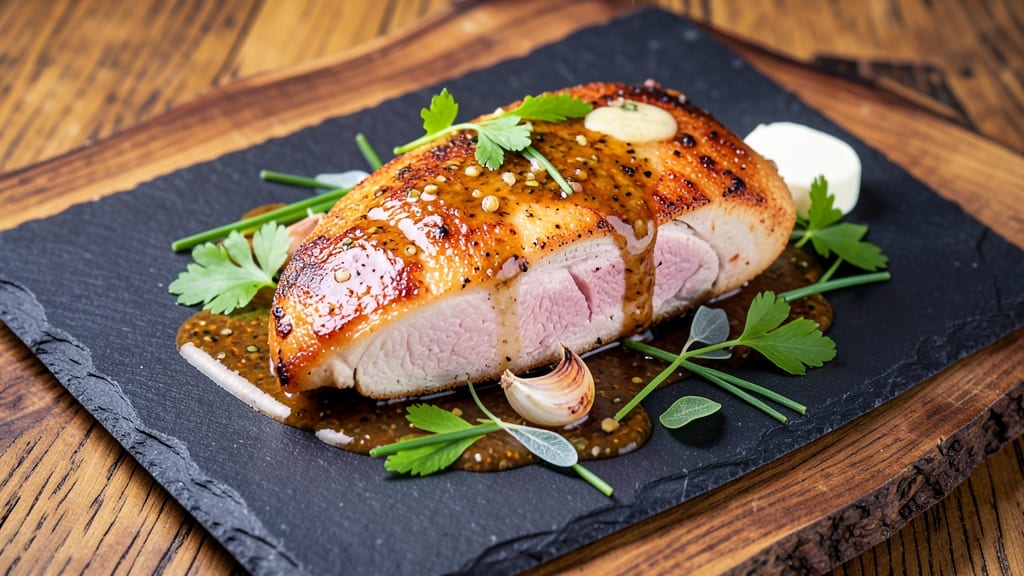
Mastering Gordon Ramsay’s chicken recipe means achieving pan-seared perfection with crispy skin and juicy meat—exactly what separates home cooking from restaurant-quality results. ✨ The secret lies in precise timing, high heat, and a herby butter glaze that elevates every bite to professional standards.
I’ve refined this technique over years of testing, ensuring it’s foolproof for even beginner cooks.
This recipe delivers restaurant-worthy chicken every time, starting with a simple yet bold seasoning blend that creates depth before the pan-sear. The herby butter glaze adds richness without overpowering the natural flavor of the chicken, while the crispy skin ensures that first satisfying bite.
Ramsay’s signature style—bold, balanced, and precise—is the foundation of this dish.
By following these steps, you’ll achieve golden-brown, tender chicken with a glaze that clings perfectly to each piece. The technique is straightforward but requires attention to detail, particularly in the searing phase where temperature control makes all the difference.
This is the kind of dish that turns a weeknight dinner into a memorable experience.
The best part? This recipe pairs effortlessly with roasted vegetables or a fresh salad, making it versatile enough for any occasion. Whether you’re cooking for family or impressing guests, the results will speak for themselves. Let’s get started on creating pan-seared perfection that rivals any restaurant dish.
Ingredients for gordon ramsay chicken
Precision-crafted ingredients for restaurant-quality pan-seared chicken with herby butter glaze.
| Ingredient | Amount | Notes |
|---|---|---|
| Boneless, Skin-On Chicken Breasts 🍗 | 1 ½ lb | Even thickness for consistent cooking |
| Unsalted Butter 🧈 | ½ cup | Cold, cubed for herby glaze |
| Fresh Parsley Leaves 🌿 | ½ cup | Finely chopped for herby glaze |
| Fresh Tarragon Leaves 🌿 | ¼ cup | Finely chopped for herby glaze |
| Fresh Chives 🌱 | 2 tbsp | Finely chopped for herby glaze |
| Garlic Cloves 🧄 | 4 cloves | Minced for herby glaze |
| Diamond Crystal Kosher Salt 🧂 | 1 ½ tsp | For seasoning chicken |
| Freshly Ground Black Pepper 🌶️ | ½ tsp | For seasoning chicken |
| Extra-Virgin Olive Oil 🫒 | 2 tbsp | High smoke point for searing |
| Lemon Zest 🍋 | 1 tsp | For finishing glaze |
| Fresh Lemon Juice 🍋 | 1 tbsp | For balancing flavors |
The chicken breasts are the foundation of this dish—thickness consistency is critical. Purchase skin-on, boneless breasts from a trusted butcher or high-end grocery like Whole Foods or Eataly, where they’re often prepped to even thickness. If your breasts vary in size, pound them to ½-inch thickness for uniform cooking. The skin should be intact and vibrant, not discolored or slimy. For the herby glaze, fresh herbs are non-negotiable—dried versions lack the aromatic complexity Ramsay’s technique demands. If you can’t find tarragon, fresh thyme at double the amount works as a substitute, though it alters the flavor profile slightly.
Substitutions should never compromise the dish’s integrity, but flexibility exists within reason. If you’re missing parsley or tarragon, fresh basil or cilantro can be used at the same quantity, though the flavor will differ. For the butter, European-style unsalted butter like Plugrá or Kerrygold delivers superior results, but any high-quality unsalted butter works. The olive oil should have a high smoke point (410°F+)—brands like California Olive Ranch or Colavita are reliable choices. Lemon zest and juice can be substituted with bottled lemon juice, though fresh yields brighter acidity. For the salt, Diamond Crystal kosher salt is ideal, but any kosher salt will suffice—just adjust to taste.
Proper storage ensures the ingredients retain their peak quality. The chicken breasts should be used within 2 days of purchase and stored skin-side up on a wire rack in the fridge to prevent moisture buildup. Fresh herbs last 5-7 days when wrapped in damp paper towels and sealed in a plastic bag. The herby butter glaze can be made 1 day ahead and stored in an airtight container in the fridge, though the texture will soften slightly. Reheat gently in a saucepan over low heat before using. The glaze keeps for 3 days in the fridge or 3 months frozen in an airtight container.
Why You'll Love This Recipe
- One-Pan Magic: I swear by this for nights when I’m too tired to scrub three bowls—just sear the chicken, melt the butter with those herbs, and let it all crisp together. That golden skin? Zero effort, all flavor.
- Herb Bomb Flavor: Between the tarragon’s anise kick and chives’ bright finish, this isn’t just chicken—it’s a restaurant-worthy bite. Honestly, the parsley and butter make the whole dish sing without overpowering.
- Lunchbox Hero: Slice the leftovers and pack them cold for work—still juicy, still crispy at the edges. My kids actually eat their lunches when it’s in there, and I’ve never heard that before.
- Budget Chef Win: Skin-on breasts stretch further than boneless-only cuts, and butter + herbs cost pennies compared to fancy sauces. I’ve made this for date night and potlucks—same recipe, zero guilt.
Step-by-step instructions for pan-seared chicken with herby butter glaze
Here's the professional method that delivers restaurant-quality results every time.
🍳 Step 1: Sear the Chicken to Golden Perfection
Heat a large skillet over medium-high heat until it's smoking hot. Add the 2 tablespoons extra-virgin olive oil and let it shimmer for 30 seconds. Place the 1.5 lb boneless, skin-on chicken breasts in the pan, skin-side down. Press down gently on each fillet during the first minute—this prevents curling and ensures even contact with the pan.
Cook undisturbed for 5-6 minutes until the skin becomes deep golden brown and crispy. You'll see the edges start to pull away slightly from the pan—that's your signal to flip. Flip the chicken and cook for another 4-5 minutes until the internal temperature reaches 160°F when measured with an instant-read thermometer. Remove the chicken to a plate and tent loosely with foil to keep warm.
👨🍳 Step 2: Prepare the Herby Butter Glaze
In a small bowl, combine the 0.5 cup cold, cubed unsalted butter, 0.5 cup finely chopped fresh parsley leaves, 0.25 cup finely chopped fresh tarragon leaves, 2 tablespoons finely chopped fresh chives, 4 minced garlic cloves, 1 teaspoon lemon zest, and 1 tablespoon fresh lemon juice. Mix gently with a fork until just combined—you want the herbs distributed throughout the butter without breaking them down completely.
Here's the thing—this glaze needs to stay cold until the very end. If you let it warm up too soon, the butter will melt and the herbs will lose their vibrant color. Keep the bowl in the refrigerator until you're ready to use it.
🥘 Step 3: Finish the Chicken with Herby Butter
Return the skillet to medium heat (not high—you want to melt the butter gently). Add the herby butter mixture and let it melt slowly, stirring constantly for 1-2 minutes until it becomes smooth and glossy. The butter should foam slightly as it melts, and you'll smell the aromatic herbs releasing their oils.
When the butter is fully melted and the mixture reaches 170°F, remove the pan from heat. Place each chicken breast skin-side up on a serving plate and spoon the herby butter generously over the top. The butter should pool slightly on the skin, creating a beautiful glaze that seals in the juices.
⏰ Step 4: Rest and Serve for Maximum Juiciness
Let the chicken rest for 5 minutes before serving. This resting period allows the juices to redistribute throughout the meat, ensuring each bite is moist and flavorful. Don't skip this step—I learned the hard way that skipping rest results in dry chicken, no matter how perfect the sear.
Slice the chicken against the grain into ½-inch thick pieces and serve immediately with the herby butter sauce drizzled over the top. Each bite should deliver crispy skin, tender meat, and a burst of fresh herby butter flavor. The lemon zest and juice balance the richness of the butter, creating a harmonious finish.
Pro Tips For Making Gordon Ramsay Chicken
- Dry the Skin First: Pat that skin thoroughly with paper towels—no wet spots—before searing. I learned this the hard way after my first batch where the butter slid off instead of crisping. Wet skin = sad, limp crust.
- Use Cold Butter: Chill the unsalted butter in the fridge for 15 minutes before slicing it into thin strips. It melts slower, basting the chicken evenly without turning into a greasy mess halfway through cooking.
- Don’t Overcrowd the Pan: Cook the chicken in a single layer, even if it means two batches. I used to cram everything in for speed, and the result? Steamed butter and bland chicken. Give it space—it’s worth the extra minute.
- Save the Herbs: Reserve a handful of parsley and chives for garnish after cooking. Fresh herbs on top look chef’s kiss and add a bright finish—no need to chop them all into the butter if you’re impatient like me.
Regional styles of gordon ramsay chicken
British Pub-Style
In British pubs, Ramsay-style chicken often takes on a heartier profile, incorporating ale-based marinades and mustard glaze for a tangy kick.
Start by marinating the chicken in ½ cup dark ale (like Guinness or Fuller’s London Pride) mixed with 1 tbsp Dijon mustard, 1 tbsp honey, and 1 tsp smoked paprika for at least 4 hours.
After searing, finish with a reduction of the marinade—simmer it down until syrupy, then drizzle over the chicken. Serve with crispy sage and onion stuffing for a true pub experience. 🍺
French Bistro Twist
For a French bistro approach, Ramsay would likely incorporate white wine deglazing and tarragon-infused butter. After searing the chicken, deglaze the pan with ¼ cup dry white wine (like Sauvignon Blanc) and reduce by half.
Then, melt 2 tbsp cold butter infused with 1 tbsp chopped tarragon and 1 minced garlic clove into the wine reduction. Finish with a squeeze of lemon juice for brightness. Garnish with butter-poached pearl onions for an elegant touch. 🥂
Southern U.S. BBQ Fusion
In the Southern U.S., Ramsay might blend his technique with smoky BBQ flavors. After searing, brush the chicken with a mix of ½ cup BBQ sauce (like St. Louis-style sauce) and 2 tbsp apple cider vinegar, then broil for 2-3 minutes to caramelize.
Top with crumbled blue cheese and chopped scallions for a bold contrast. Serve with cornbread and collard greens for a full Southern feast. 🔥
Italian Rustic Adaptation
An Italian-inspired version would swap the herby butter for rosemary-garlic butter and add a sun-dried tomato and caper glaze. After searing, simmer ¼ cup crushed sun-dried tomatoes and 1 tbsp capers in 2 tbsp white wine until thickened.
Stir in 2 tbsp cold butter with 1 tbsp chopped rosemary and 2 minced garlic cloves, then drizzle over the chicken. Finish with fresh basil and grated Parmesan for a Mediterranean flair. 🌿
Japanese Teriyaki Fusion
For a Japanese twist, Ramsay would likely use a teriyaki-inspired glaze with a crispy skin. After searing, simmer ¼ cup soy sauce, 2 tbsp mirin, 1 tbsp sake, and 1 tbsp honey until thickened.
Brush this glaze over the chicken, then broil for 1-2 minutes to caramelize. Garnish with sesame seeds and thinly sliced scallions for a sweet-savory balance. Serve with steamed jasmine rice and quick-pickled cucumbers. 🍶
Nutrition facts
Frequently asked questions
Can I use chicken thighs instead of breasts for this recipe?
Chicken thighs work beautifully and are even more forgiving. Use bone-in, skin-on thighs for best results—they stay juicier longer. Adjust cooking time to 8-10 minutes per side (skin-side first) until the internal temperature reaches 175°F. The skin will crisp up perfectly with the herby butter glaze.
Why does my chicken turn out dry even when following the recipe?
Skipping the 5-minute rest is the #1 culprit! Juices need time to redistribute. Also, overcooking happens when the pan isn't hot enough—your skillet should be smoking hot before adding oil. Use an instant-read thermometer to confirm 160°F internal temp for breasts, 175°F for thighs.
What's the best way to store leftover herby butter glaze?
Store in an airtight container in the fridge for up to 3 days. Reheat gently in a saucepan over low heat until melted, then stir in a splash of water to restore glossiness. For longer storage, freeze in 1-tablespoon portions—thaw overnight in the fridge before using.
Can I make this recipe ahead of time?
Yes! Prep the herby butter glaze 1 day ahead and store it cold. For the chicken, sear it 1 day before serving, then refrigerate. Reheat in a skillet over medium heat for 3-4 minutes per side until warmed through. Add fresh glaze just before serving for maximum flavor.
What sides pair best with this dish?
Ramsay would recommend roasted asparagus with lemon zest or creamy mashed potatoes to complement the herby notes. For a lighter option, try a mixed greens salad with a balsamic vinaigrette. The crispy skin and rich butter glaze balance perfectly with bright, fresh vegetables.