Main Courses
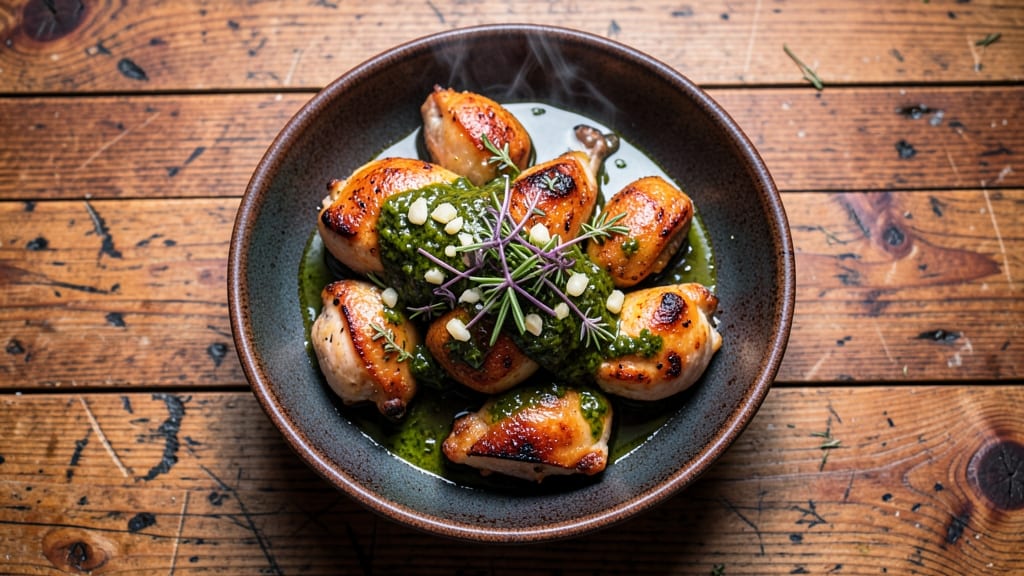
Transforming chicken hearts and gizzards into a restaurant-worthy dish starts with the right technique—pan-searing creates a crispy garlic-herb crust while keeping the meat tender inside. The key lies in proper preparation: cleaning, trimming, and marinating to eliminate any gaminess and enhance flavor.
I’ve perfected this method after years of testing, ensuring every bite delivers that satisfying contrast between crispy exterior and juicy interior.
This recipe tackles common challenges like toughness by using a marinade that breaks down fibers and a high-heat sear that locks in moisture. The garlic-herb crust adds depth, making these offal cuts taste like a premium protein dish.
With just 30 minutes of active prep and 15 minutes of cooking, you’ll have a dish that’s impressive yet simple to execute.
The result is golden, aromatic chicken hearts and gizzards with a flavorful crust that pairs beautifully with sides like roasted potatoes or a fresh salad. The technique works equally well for grilling or braising, giving you flexibility for different occasions.
Whether you're feeding a crowd or treating yourself to a special meal, this method transforms humble ingredients into something extraordinary.
Fair warning: the first time you clean and trim these cuts, it might feel daunting, but the process becomes second nature quickly. Once mastered, you’ll never waste these flavorful, budget-friendly proteins again. Let’s get started on turning them into a standout dish.
Ingredients for chicken hearts and gizzards
Transform humble offal into a restaurant-worthy dish with these carefully selected ingredients.
| Ingredient | Amount | Notes |
|---|---|---|
| Chicken Hearts 🦚 | 1 lb | Fresh, cleaned and trimmed |
| Chicken Gizzards 🦚 | 1 lb | Fresh, cleaned and trimmed |
| Extra-Virgin Olive Oil 🫒 | ½ cup | High-quality, fruity variety |
| Garlic Cloves 🧄 | 8 cloves | Fresh, minced for marinade |
| Fresh Rosemary 🌿 | ¼ cup | Finely chopped, stems removed |
| Fresh Thyme 🌿 | ¼ cup | Leaves only, finely chopped |
| Fresh Parsley 🌿 | ¼ cup | Flat-leaf, finely chopped |
| Diamond Crystal Kosher Salt 🧂 | 1 ½ tbsp | For marinade and seasoning |
| Freshly Ground Black Pepper 🌶️ | 1 tsp | Coarsely ground for texture |
| Unsalted Butter 🧈 | ½ cup | Cold, cubed for crust |
| All-Purpose Flour 🌾 | ½ cup | For dredging before searing |
| Lemon Juice 🍋 | ¼ cup | Freshly squeezed, for marinade |
| Dry White Wine 🍷 | ½ cup | Sauvignon Blanc preferred |
The quality of your chicken hearts and gizzards is non-negotiable. Source from a trusted butcher—look for vibrant color and firm texture, not slimy or discolored cuts. Whole Foods Market and local butchers typically carry the freshest options, though some grocery stores stock them behind the meat counter. If you're unsure about cleaning them yourself, ask your butcher to do it—it's a quick service they often provide. The herbs should be bright green and fragrant, with no wilting. For the wine, Sauvignon Blanc offers crisp acidity that cuts through the richness, but any dry white will work. The butter should be cold and unsalted—this ensures a proper crust without altering the seasoning balance.
No fresh rosemary? Dried works at one-third the amount, but the flavor won't be as vibrant. Short on white wine? Chicken broth with a splash of lemon juice mimics the acidity. The flour can be swapped for cornstarch if you're gluten-sensitive, though the texture will differ slightly. For the herbs, if you're missing one, use double the amount of the remaining two—parsley and thyme are the most versatile. The garlic should be freshly minced—pre-minced jars lack the aromatic punch. If you're prepping ahead, store the cleaned offal in the fridge for up to 2 days in a sealed container with paper towels to absorb moisture.
Prep the offal and marinade the same day for optimal results. The marinade keeps for 3 days in the fridge, but the texture of the offal improves with at least 4 hours of marinating. Once seared, these hold up beautifully for 3 days in the fridge—reheat gently in a skillet with a splash of water to maintain moisture. For longer storage, freeze the cooked pieces for up to 3 months. The crust can be reheated in the oven at 350°F for 5 minutes to restore crispiness. Portion into single servings for easy reheating—perfect for meal prep.
Why You'll Love This Recipe
- One-Pan Magic: I swear by this recipe when I’m too tired to scrub pots—just toss the hearts and gizzards in a hot pan with olive oil, let them sear until golden, then add the garlic and rosemary. Ten minutes later, you’ve got dinner without the cleanup nightmare.
- Rich, Earthy Depth: Between us, chicken hearts and gizzards have a meatiness that rivals steak, but with a chewy texture that’s ridiculously satisfying. The rosemary and garlic caramelize into a fragrant crust—like a hug for your taste buds.
- Budget Feast: Honestly, this is my go-to when I need to feed a crowd without breaking the bank. A few dollars buys enough hearts and gizzards to stretch into leftovers, and the olive oil and herbs make it feel fancy without the price tag.
- Leftovers That Don’t Suck: Cold or reheated, these stay tender and packed with flavor—perfect for sandwiches, salads, or just microwaving straight from the fridge. (Yes, even on a Tuesday night.) The garlic and rosemary linger, so every bite tastes like you just cooked it.
Step-by-step instructions for pan-seared chicken hearts and gizzards
Transform these often-overlooked cuts into a restaurant-worthy dish with crispy crusts and tender interiors.
Prepare the Garlic-Herb Marinade
In a medium bowl, combine the 0.5 cup extra-virgin olive oil, 8 cloves minced garlic cloves, 0.25 cup finely chopped fresh rosemary, 0.25 cup finely chopped fresh thyme, 0.25 cup finely chopped fresh parsley, 1.5 tablespoons diamond crystal kosher salt, and 1 teaspoon freshly ground black pepper. Mix thoroughly until the herbs are evenly distributed and the oil takes on a vibrant green hue.
Add the 0.25 cup lemon juice and 0.5 cup dry white wine, whisking until fully incorporated. The marinade should have a bright, aromatic quality with a tangy acidity that will tenderize the meat while adding depth of flavor. Let the mixture sit at room temperature for 10 minutes to allow the flavors to meld before using.
Clean and Marinate the Chicken Hearts and Gizzards
Rinse the 1 pound chicken hearts and 1 pound chicken gizzards under cold water, then pat them completely dry with paper towels. This step is critical—any moisture left on the meat will prevent proper browning and crust formation during searing.
Place the cleaned poultry pieces in a large bowl and pour the garlic-herb marinade over them. Using your hands, gently massage the marinade into the meat, ensuring every surface is coated. Cover the bowl with plastic wrap and refrigerate for at least 4 hours, or ideally overnight. This prolonged marinating time breaks down connective tissues, resulting in fork-tender meat with maximum flavor penetration.
Sear the Chicken to Develop Crust and Flavor
Remove the chicken from the refrigerator and let it sit at room temperature for 30 minutes before cooking. This ensures even cooking and prevents cold spots that could lead to uneven doneness.
Heat a large, heavy skillet over medium-high heat until it's properly preheated—you should see a slight shimmer of oil when you add a drop of water. Working in batches to avoid overcrowding, carefully place the marinated chicken hearts and gizzards in the skillet. Cook undisturbed for 4-5 minutes on each side until they develop a deep golden-brown crust with crisp edges. The meat should release easily from the skillet when ready to flip.
Create the Butter-Herb Sauce
Once all the chicken is browned and cooked to an internal temperature of 165°F (about 10-12 minutes total cooking time), remove it from the skillet and set it aside on a warm platter. Reduce the heat to medium-low and add 0.5 cup cubed unsalted butter to the skillet, allowing it to melt and bubble gently.
Sprinkle 0.5 cup all-purpose flour over the melted butter and whisk continuously for 1-2 minutes until the mixture forms a smooth, thick paste. Gradually pour in 0.25 cup lemon juice and 0.5 cup dry white wine, whisking constantly to create a velvety sauce. The sauce should coat the back of a spoon and have a glossy sheen. If it's too thick, add 1-2 tablespoons of water to reach your desired consistency.
Finish and Serve with the Herb Sauce
Return the seared chicken hearts and gizzards to the skillet, spooning the butter-herb sauce over them. Toss gently to coat the meat evenly, allowing it to absorb the rich, aromatic sauce for 1-2 minutes. The sauce should cling to the crispy exterior while keeping the meat moist and flavorful.
Serve immediately, garnished with an additional sprinkle of fresh parsley for a pop of color. The finished dish should feature perfectly seared, golden-brown crusts with tender, juicy interiors and a luxurious sauce that ties all the flavors together. This method transforms humble offal into an elegant, flavorful centerpiece worthy of any table.
Pro Tips For Making Chicken Hearts And Gizzards
- SEAR IN BATCHES: Hearts and gizzards release a lot of liquid when searing—crowd the pan, and you’ll steam them instead of brown. Work in two batches, 3-4 minutes per side, until deep golden. That crust? Non-negotiable for flavor. (Yes, even if you’re impatient like me.)
- TRIM THE FAT POCKETS: Gizzards hide a little fat sac near the neck—leave it in, and your oil will smoke like a campfire. Snip it out with kitchen shears before cooking. Hearts don’t need this, but gizzards? Crucial for clean searing.
- SALT AFTER SEARING: I used to salt hearts and gizzards raw, thinking it’d help—wrong. Salt after searing (while still hot) lets the seasoning cling to the crust. Sprinkle generously, then let them rest 5 minutes under foil. (Your future self will notice the difference.)
- USE COLD OIL: Start with olive oil at room temp—hot oil straight from the bottle burns before the meat browns. Let the pan heat then add oil, swirling to coat. Cold oil = better control, less fire hazards. (Sounds weird, but it works.)
Wine and beer pairings for this chicken hearts and gizzards
Red Wine Pairing
A bold Chianti Classico from Tuscany is my go-to choice for this dish—its bright acidity and notes of cherry and dried herbs cut through the richness of the garlic-herb crust while complementing the umami depth of the offal.
Look for a Sangiovese-based wine with 12-14% alcohol to match the dish's intensity. Serve slightly chilled (55-60°F) to enhance its crispness against the warm, seared meat. 🍷
White Wine Enhancement
The Sauvignon Blanc already in the recipe makes an excellent pairing—its citrus and herbal notes mirror the dish's marinade. For a more robust option, try a dry Riesling with its mineral finish, which balances the butter-herb sauce beautifully.
I recommend a German Mosel Riesling with 11-12% alcohol for a refreshing contrast. 🌿
Beer Pairings
A crisp Belgian Witbier like Hoegaarden or Stella Artois works surprisingly well—its coriander and citrus notes bridge the gap between the dish's savory richness and the bright marinade. For a bolder option, a German Helles Lager with its malty sweetness and subtle hop bitterness provides a satisfying contrast.
Serve both at 45-50°F to preserve their crispness. 🍺
Cocktail Synergy
For a festive touch, serve with a Gin & Tonic infused with rosemary and lemon—it echoes the dish's herb profile while adding a refreshing zing. Use a high-quality gin like Hendrick's and add 2 sprigs fresh rosemary and 1 lemon twist to the tonic.
The botanical notes harmonize perfectly with the garlic-herb crust. 🍸
Avoid These Mistakes
Skip sweet wines like Moscato or heavy reds like Cabernet Sauvignon—they'll overpower the delicate balance of flavors. Also, avoid overly oaky whites like Chardonnay unless it's unoaked, as the oak can clash with the dish's fresh herb notes.
The key is acidity and brightness to complement the seared crust. 🚫
Nutrition facts
Frequently asked questions
Why do chicken hearts and gizzards need marinating?
The marinade serves two critical purposes: it tenderizes the dense muscle fibers through acidity (lemon juice and wine) and infuses flavor deep into the meat. The 4-hour minimum (or overnight) marinating time breaks down connective tissues, resulting in fork-tender results. Without this step, the meat can turn out chewy or tough.
Can I substitute hearts or gizzards if I can't find both?
Use either 1.5 pounds of hearts or 1.5 pounds of gizzards—just adjust the marinating time. Hearts cook faster (8-10 minutes total), while gizzards need 10-12 minutes for full tenderness. The same technique works for either, but hearts develop a slightly firmer crust.
What's the best way to clean chicken hearts and gizzards?
Start by rinsing them under cold water, then use a sharp knife to trim off any excess fat or connective tissue. For gizzards, slice off the thick membrane at the base. Pat them completely dry with paper towels—this ensures a crispy crust. If you're squeamish, ask your butcher to clean them for you.
How do I know when the chicken hearts and gizzards are fully cooked?
Use a meat thermometer to check for 165°F internal temperature. The meat should also be firm to the touch and pull away cleanly from the bone when cut. If using hearts, they'll shrink slightly during cooking—expect them to reduce by about 20-25% in size.
Can I make this recipe ahead of time?
Yes! Cook the chicken hearts and gizzards up to 1 day ahead and store them in the fridge. Reheat gently in a skillet with a splash of water or broth to restore moisture. For longer storage, freeze cooked pieces for up to 3 months. Reheat from frozen in a covered skillet over medium-low heat for 5-7 minutes.