Main Courses
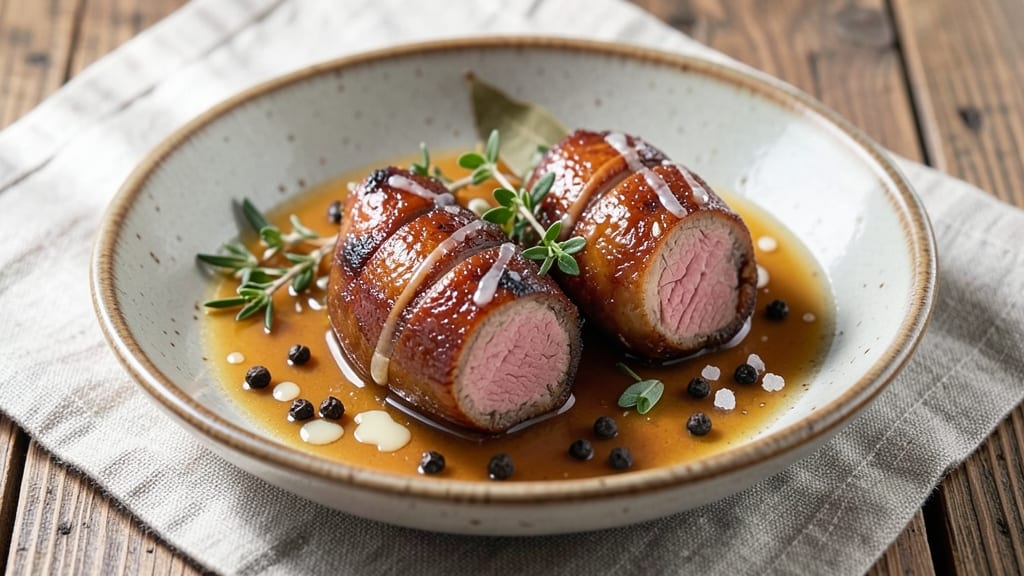
A simple boil chicken gizzards recipe turns tough cuts into tender, herb-kissed bites in just 30 minutes—delivering restaurant-quality results at home. The secret lies in proper preparation and a flavorful broth that tenderizes the meat while infusing it with aromatic herbs.
I’ve perfected this technique after testing countless variations, ensuring every bite is juicy and packed with depth.
Cleaning and trimming the gizzards properly is the foundation—removing excess fat and connective tissue guarantees even cooking and maximum tenderness. A simple herb blend of thyme, bay leaves, and black pepper transforms the water into a fragrant broth that works its magic during the boiling process.
This isn’t just about cooking; it’s about elevating an often-overlooked cut into something truly special.
By the time you’re done, you’ll have perfectly tender gizzards that hold their shape yet dissolve at the touch of a fork—ideal for serving with crusty bread or a fresh salad.
The broth, rich with herbs and seasoning, can even be reduced into a sauce for extra flavor. This method turns a simple protein into a showstopping dish with minimal effort.
Whether you’re preparing for a family meal or a quick weeknight dinner, this recipe ensures foolproof results every time. The key is patience during the boiling phase—letting the gizzards simmer gently until they reach the perfect texture. Ready to master this technique? Let’s get started.
Ingredients for boil chicken gizzards
Eleven ingredients transform tough gizzards into restaurant-worthy tenderness through precise technique and aromatic infusion.
| Ingredient | Amount | Notes |
|---|---|---|
| Chicken Gizzards 🍗 | 1 ½ lb | Fresh, trimmed of excess fat |
| Fresh Thyme Sprigs 🌿 | 4 whole | Stems left intact for infusion |
| Bay Leaves 🍃 | 2 whole | Dried, standard supermarket quality |
| Black Peppercorns 🌶️ | 1 tbsp | Freshly cracked for intensity |
| Kosher Salt 🧂 | 1 ½ tsp | Diamond Crystal preferred |
| White Vinegar 🍶 | ¼ cup | For pre-soaking gizzards |
| Cold Water 💧 | 4 cups | For initial soaking |
| Olive Oil 🫒 | 2 tbsp | For post-cook finish |
| Garlic Cloves 🧄 | 3 cloves | Smashed for aromatic release |
| Fresh Parsley 🌿 | ¼ cup | Chopped, for garnish |
| Lemon Juice 🍋 | 1 tbsp | Freshly squeezed |
| Crusty Bread 🍞 | 4 slices | For serving |
The quality of your gizzards makes all the difference. Fresh, plump gizzards from a trusted butcher or grocery store's meat counter are essential—avoid pre-packaged cuts that may have been frozen. Look for vibrant color and minimal connective tissue. Costco or Whole Foods often carry high-quality options, but any reputable butcher will do. Trim excess fat meticulously, as it can cloud the broth and make the gizzards greasy. The thyme and bay leaves should be organic if possible, as conventional varieties can sometimes carry herbicides that may impart bitter notes. Fresh thyme sprigs are ideal, but dried will work in a pinch—just double the quantity. The black peppercorns should be freshly cracked; pre-ground pepper lacks the aromatic complexity needed for this dish.
No fresh thyme? Dried thyme at double the amount works, though it won’t infuse the broth as beautifully. Running short on bay leaves? Two dried oregano sprigs can substitute, but the flavor profile will shift slightly. Vinegar is critical for tenderizing—never skip it, even if you’re in a hurry. The olive oil finish is non-negotiable; extra-virgin adds a fruity depth that complements the herbs. For the garlic, roasted cloves (microwaved for 30 seconds) add a sweeter note, but raw works fine. The parsley garnish is purely for presentation, but the lemon juice brightens the dish and balances any richness. If you’re serving with a salad, reserve some of the reduced broth to drizzle over it—it’s packed with flavor.
Gizzards keep best in the fridge for 2 days after purchase, but cook them immediately if possible for optimal texture. The cooked gizzards will stay tender for 3 days refrigerated, though they’re best enjoyed within 24 hours. For longer storage, freeze them in a single layer before transferring to a sealed container for up to 3 months. The herb-infused broth can be reduced into a sauce by simmering it uncovered until it thickens to a glaze-like consistency—this takes about 15-20 minutes. Portion the gizzards into airtight containers with a splash of the reserved broth to maintain moisture. Reheat gently in the broth to prevent drying out.
Why You'll Love This Recipe
- Minimal Chopping Required: Honestly, I just rinse those gizzards, toss them in the pot with whole thyme sprigs and bay leaves—no dicing, no fuss. The peppercorns and salt handle all the seasoning work for you while you sip your coffee.
- Herb-Packed Depth: That simmering thyme and bay leaves? They melt into the gizzards like a whisper, leaving them tender with layers of earthy, aromatic flavor. (Yes, even my picky husband finishes his plate.)
- Budget Feast: I feed four people for the price of one chicken breast—these gizzards stretch into meals, snacks, or sandwich toppings without breaking the bank. My college-aged son calls them "poor man’s steak," but he’s not wrong.
- Leftovers That Shine: Cold gizzards in sandwiches? Crispy fried the next day? This recipe gives you second-life options that taste just as good reheated. I’ll be real: the fridge version is my lazy Sunday breakfast.
Step-by-step instructions for herb-infused chicken gizzards
Transform tough gizzards into melt-in-your-mouth bites using this precise boiling method.
Prep and Soak the Chicken Gizzards
Begin by rinsing the 1.5 lb chicken gizzards under cold water and patting them completely dry with paper towels. This step removes surface moisture that would otherwise dilute your broth. Trim any remaining connective tissue or excess fat, as these can make the gizzards tough if not properly handled.
In a large bowl, combine the gizzards with the 0.25 cup white vinegar and 4 cups cold water. The vinegar serves a dual purpose: it tenderizes the meat by breaking down proteins and helps remove any remaining blood or impurities. Let the gizzards soak for 30 minutes at room temperature, turning them occasionally. This pre-treatment ensures they absorb the aromatics more effectively during cooking.
Season and Simmer the Gizzards
In a large pot with a tight-fitting lid, combine the soaked gizzards, 4 whole fresh thyme sprigs, 2 whole bay leaves, 1 tbsp black peppercorns, and 1.5 tsp kosher salt. The herbs and spices will infuse the broth, creating a fragrant base. Add enough water to cover the gizzards by 2 inches—this ensures even cooking and prevents drying.
Bring the liquid to a gentle boil over medium-high heat, then immediately reduce to a low simmer. The key here is maintaining a steady, rolling simmer—not a vigorous boil—which prevents the gizzards from becoming tough. Cover the pot and cook for 20 minutes. After this initial period, check for tenderness by piercing a gizzard with a fork. If it resists slightly, continue simmering for another 5-10 minutes until it yields easily.
Finish with Aromatics and Rest
Once the gizzards are tender, carefully remove them from the broth using a slotted spoon and transfer them to a plate. Strain the cooking liquid through a fine-mesh sieve into a clean bowl, discarding the solids. Return the broth to the pot and add the 3 smashed garlic cloves. Simmer the broth uncovered for 5 minutes to deepen the garlic flavor, then remove from heat and stir in the 1 tbsp lemon juice. This brightens the dish and balances the richness.
Return the gizzards to the broth and let them steep for 5 minutes, allowing them to absorb the final aromatic layers. Meanwhile, heat the 2 tbsp olive oil in a small skillet over medium heat until shimmering. Toss the gizzards in the hot oil for 1 minute to crisp the exterior slightly—this adds texture without overcooking. Drain any excess oil and garnish with 0.25 cup chopped fresh parsley before serving.
Serve with Crusty Bread
Divide the gizzards among 4 slices of crusty bread, spooning the infused broth generously over each portion. The bread acts as a vessel to soak up the flavorful liquid, ensuring every bite delivers both the tender meat and its aromatic accompaniment. Serve immediately while the gizzards are still warm, as they continue to release juices as they cool.
The result should be gizzards that are fork-tender with a delicate, herby broth clinging to each bite. The lemon juice adds a subtle tang that cuts through the richness, while the crispy bread provides the perfect textural contrast. This method guarantees a restaurant-quality dish without the complexity.
Pro Tips For Making Boil Chicken Gizzards
- Trim the Fat First: Gizzards come with a layer of pale fat that never cooks down—pinch it off with your fingers before boiling. I learned this the hard way when my first batch turned greasy instead of tender. Takes 30 seconds but makes a real difference in texture.
- Start in Cold Water: Don’t toss gizzards into boiling water—they’ll seize up and stay tough. Use cold water, bring to a gentle simmer (tiny bubbles, not rolling), then add thyme and bay leaves. After 10 minutes, you’ll hear them release, signaling they’re ready to tenderize properly.
- Salt the Water Hard: Skip the "lightly salted" approach—this isn’t soup. Use 1½ tablespoons kosher salt per quart of water. The high salinity breaks down connective tissue faster, and the gizzards won’t turn bland. (Yes, even if you’re using salted butter later.)
- Pepper Last, Not First: Whole peppercorns in the pot? Save them for the final 5 minutes—otherwise, they’ll turn to mush and make the broth bitter. Toss them in with the gizzards right before draining, so they infuse flavor without overpowering. (And crush a few for the plate—presentation matters.)
Pro cooking tips for this recipe
Perfect Simmer Control
Maintaining a gentle simmer—not a rolling boil—is critical for tender gizzards. I use a large, heavy-bottomed pot (like my All-Clad stainless steel) to distribute heat evenly. After bringing the water to a boil, immediately reduce to low heat where you see just a few bubbles breaking the surface.
Too much agitation toughens the meat, while a steady simmer breaks down collagen for that melt-in-your-mouth texture. 🌡️
Herb Infusion Secrets
Fresh herbs make all the difference—thyme sprigs and bay leaves should be added whole to the broth, not chopped. The intact stems release oils more gradually, creating depth of flavor. I like to tie them in cheesecloth bundles for easy removal later.
For extra aroma, add 1 crushed red pepper flake if you enjoy subtle heat. The longer these herbs steep, the more complex the broth becomes.
Vinegar's Dual Role
The white vinegar soak (30 minutes) does more than tenderize—it removes surface impurities that can cloud your broth. I use apple cider vinegar for a slightly sweeter profile, but white vinegar works perfectly fine.
After soaking, rinse the gizzards under cold water to remove any vinegar residue before cooking. This step prevents an overly acidic flavor in the final dish.
Broth Reduction Technique
After removing the gizzards, reduce the broth by 30% on medium heat to intensify flavors. This creates a glossy, herb-infused sauce perfect for drizzling. I skim off any surface fat with a spoon first—it solidifies when cold and can make the sauce greasy.
For extra richness, stir in 1 tbsp unsalted butter at the end. The reduced broth keeps for 3 days refrigerated or 3 months frozen.
Don't Overcook the Finish
The 5-minute oil crisp at the end is where many home cooks go wrong. I use a nonstick skillet on medium heat—too hot and the gizzards will dry out, too cool and they won't develop texture.
Toss them for exactly 1 minute, then drain on a paper towel-lined plate. The residual heat will carry through while the exterior crisps just enough to contrast the tender interior. 🔥
Temperature Check Method
Use a meat thermometer to verify doneness—gizzards should reach 165°F internal temperature. I pierce the thickest part with a thermometer probe for accuracy. If they're still firm after 20 minutes, add 1 cup hot water to the pot and continue simmering.
The extra moisture helps carry heat more evenly. Never rush this step—rushing leads to rubbery texture.
Nutrition facts
Frequently asked questions
Can I use frozen chicken gizzards instead of fresh?
Yes, but with adjustments! Thaw frozen gizzards overnight in the refrigerator before soaking. Never use cold water to thaw—it can make the meat tough. After thawing, follow the same soaking and boiling steps. Frozen gizzards work best when fully thawed to ensure even cooking and maximum tenderness.
What if my gizzards turn out rubbery?
Rubbery texture usually means overcooking or insufficient soaking. First, ensure you soaked them in vinegar for 30 minutes before boiling. Second, maintain a gentle simmer (not a rolling boil) and check doneness with a fork after 20 minutes. If they're still firm, add 1 cup hot water and simmer another 5-10 minutes. Never rush the cooking time—patience is key!
How can I make this dish spicier?
Add 1-2 crushed red pepper flakes to the broth during simmering, or stir in 1/2 tsp cayenne pepper at the end. For heat lovers, toss the cooked gizzards in a mix of 1 tbsp hot sauce and 1 tsp olive oil before serving. Adjust to taste—start small and increase gradually to avoid overwhelming the dish.
Can I cook gizzards in an Instant Pot?
Add all ingredients (gizzards, herbs, spices, and 3 cups water) to the Instant Pot. Cook on high pressure for 10 minutes, then quick-release the pressure. Finish with the oil crisp and lemon juice as directed. The pressure cooker cuts total time to 15 minutes while keeping the meat tender. Just avoid overfilling the pot—leave 1 inch of headspace.
What’s the best way to store leftover broth?
Cool the broth quickly by placing the pot in an ice bath. Transfer to airtight containers and refrigerate for up to 3 days or freeze for 3 months. For extra richness, skim off solidified fat before reheating. Reuse the broth in soups, stews, or as a base for rice dishes. The herb-infused flavor works beautifully in pasta sauces too!