
Sauces & Condiments
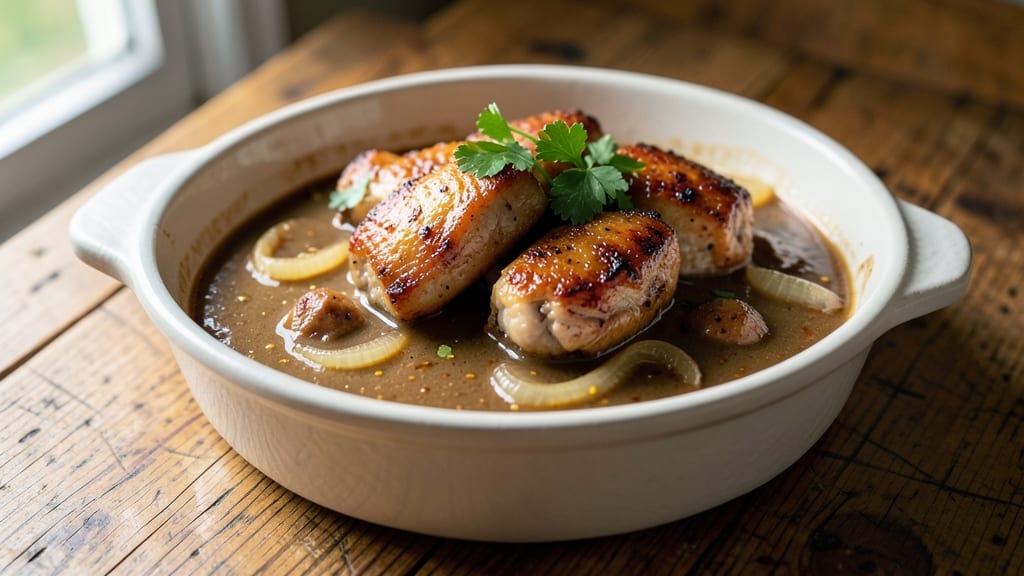
Unlock the secret to a rich chicken gizzard gravy recipe—where humble gizzards turn into restaurant-worthy, pan-dripping gold. This recipe unlocks their rich, meaty potential through precise browning and slow simmering—creating a gravy so velvety it deserves its own spotlight.
I’ve perfected the technique over years of testing, ensuring every batch delivers that signature savory, umami-packed finish that clings to every bite.
The secret lies in two critical steps: searing the gizzards until deeply browned (no rushing!) and deglazing the pan with white wine or broth to capture all those flavorful browned bits. As the gizzards simmer, they release collagen that transforms into a luxuriously thick gravy—no cornstarch required.
This method respects tradition while delivering a gravy so rich it pairs perfectly with mashed potatoes, biscuits, or even as a dipping sauce for crusty bread.
What you’ll end up with is a dish that tastes like it’s been simmering for hours, even if it takes just 45 minutes from start to finish. The gizzards will be tender enough to shred with a fork, and the gravy will coat your plate like liquid gold.
The aroma alone will have everyone at the table asking what’s for dinner before you even serve it. Let’s get cooking—this gravy is worth every minute.
For those new to gizzards, don’t let their appearance intimidate you—they’re one of the most flavorful cuts of poultry when prepared correctly. This recipe includes tips for trimming excess fat and achieving that perfect caramelized crust without drying them out. Once you master it, you’ll never buy store-bought gravy again.
Ingredients for chicken gizzard gravy
Humble gizzards and pantry staples transform into restaurant-style gravy that’ll have everyone begging for seconds.
| Ingredient | Amount | Notes |
|---|---|---|
| Chicken Gizzards 🍗 | 1 ½ lb | Trimmed of excess fat, rinsed clean |
| Unsalted Butter 🧈 | ½ cup | Full-fat for best flavor |
| All-Purpose Flour 🌾 | ¼ cup | For thickening gravy naturally |
| Dry White Wine 🍷 | ½ cup | Sauvignon Blanc or Pinot Grigio |
| Chicken Broth 💧 | 1 ½ cups | Low-sodium, homemade preferred |
| Yellow Onion 🧅 | 1 whole | Diced, medium size |
| Garlic Cloves 🧄 | 4 cloves | Minced, fresh preferred |
| Fresh Thyme 🌿 | ¼ cup | Leaves only, chopped fine |
| Fresh Rosemary 🌿 | ¼ cup | Needles only, chopped |
| Salt 🧂 | 1 ½ tsp | Diamond Crystal kosher salt |
| Black Pepper 🌶️ | ½ tsp | Freshly cracked |
| Bay Leaf 🌿 | 1 whole | For subtle depth |
| Worcestershire Sauce 🍶 | 1 tbsp | For umami complexity |
The gizzards are the star—look for plump, firm ones at butcher counters or the poultry section, not the pre-packaged frozen kind. Costco or local butchers often have them fresh, but if you're buying frozen, thaw overnight in the fridge. Trim any yellow fat (it burns easily) and rinse them well. The butter matters too—use full-fat, unsalted for that rich, caramelized crust. If you can't find fresh thyme or rosemary, dried works at one-third the amount, but fresh gives that restaurant-quality aroma. For the wine, grab whatever dry white you'd drink—no need for fancy labels here.
No white wine? Chicken broth plus 1 tbsp lemon juice mimics the acidity perfectly. Short on thyme? Dried oregano at half the amount adds earthiness, but fresh is ideal. The Worcestershire sauce might seem optional, but it adds that deep, savory punch—Lea & Perrins is the gold standard. If you're avoiding gluten, swap the flour for cornstarch or arrowroot powder (use half the amount). The onion and garlic can be prepped ahead—dice them while the gizzards thaw, and store in the fridge until you're ready to cook. Pro tip: Toast the flour in the pan for 30 seconds before adding liquid to deepen the flavor.
This gravy tastes even better the next day—store in an airtight container for up to 5 days in the fridge. Freeze portions in ice cube trays for easy single-use servings (just thaw and reheat). The gizzards can be cooked ahead and stored separately, then reheated in the gravy before serving. For extra richness, stir in 1 tbsp cold butter at the end. Leftovers? Perfect for gravy sandwiches or topping mashed potatoes the next day.
Why You'll Love This Recipe
- Fewer Ingredients, Bigger Payoff: I swear by this recipe because it’s that good with almost nothing. Butter, flour, wine, broth—just five things—and suddenly you’ve got a gravy so rich it feels like a hug. No fancy pantry staples, no stressing over measurements. Honestly, the simplicity is what makes it magic.
- Rich Without the Guilt: That white wine deglazing? Pure flavor gold. The gizzards add depth you’d never guess from the ingredients list, and the butter-flour roux makes it silky without tasting heavy. It’s the kind of gravy that pairs with everything—mashed potatoes, biscuits, even toast—and always hits the spot. Between us, it’s my go-to when I want comfort without the regret.
- Weeknight Workhorse: This isn’t just a side dish—it’s the star of lazy dinners. Dump the gizzards in a pot, simmer while you prep the rest of the meal, and boom: gravy’s ready when your protein is done. (Yes, even on a Tuesday night.) Plus, it reheats like a dream, so it’s my secret weapon for meal prep lunches all week.
- Budget-Friendly Luxury: Gizzards are cheap, but this gravy tastes like it cost a fortune. I’ll be real: it’s not the prettiest, but the taste makes up for it every time. Stretch it over rice, drizzle it on roasted veggies, or freeze half for next month—you’re getting restaurant-quality flavor for pennies. My daughter picks out the gizzards at the butcher counter, but she still asks for seconds.
Step-by-step instructions for chicken gizzard gravy
Here's how to transform humble gizzards into velvety, aromatic gravy that clings like liquid gold.
Prepare and Sear the Chicken Gizzards
Rinse the 1.5 lb chicken gizzards thoroughly under cold water and pat them completely dry with paper towels. Remove any remaining connective tissue or excess fat using a sharp knife. This step ensures clean flavor and even cooking.
Heat a large, heavy-bottomed skillet over medium-high heat and add the 0.5 cup unsalted butter. Once the butter foams and begins to bubble, add the gizzards in a single layer. Don't crowd the pan—this prevents proper browning. Sear for 4-5 minutes per side until deeply golden brown and crisp in spots. The gizzards should release easily from the pan when ready.
Real talk: If the butter burns before the gizzards brown, reduce the heat slightly. You want that rich, nutty flavor from the butter without bitterness. Once browned, transfer the gizzards to a plate and tent loosely with foil to keep warm.
Build the Flavor Base with Aromatics
In the same skillet (no need to wipe it clean—those browned bits are pure flavor), add the 1 whole yellow onion and 4 cloves garlic cloves. Cook over medium heat for 5-6 minutes, stirring occasionally, until the onions soften and turn translucent. The garlic should be fragrant but not browned.
Stir in the 0.25 cup fresh thyme and 0.25 cup fresh rosemary, along with 1.5 tsp salt and 0.5 tsp black pepper. Cook for another 1 minute until the herbs release their aromatic oils. Here's where it gets fun—the skillet should smell like a Mediterranean herb garden. If the herbs burn before releasing their flavor, reduce the heat to medium-low.
Deglaze the pan by pouring in the 0.5 cup dry white wine. Use a wooden spoon to scrape up all those flavorful browned bits from the bottom—this is called fond, and it's the secret to deep, complex flavor. Let the wine simmer for 2-3 minutes until reduced by half. You'll see the alcohol cook off, leaving behind a rich, concentrated base.
Thicken and Simmer the Gravy
Lower the heat to medium-low and sprinkle the 0.25 cup all-purpose flour over the wine mixture. Stir vigorously for 1-2 minutes until the flour is fully incorporated and the mixture smooths out. This creates a roux that will thicken your gravy beautifully.
Gradually whisk in the 1.5 cups chicken broth and the 1 whole bay leaf. Bring the mixture to a gentle simmer, then reduce the heat to low. Let it cook uncovered for 15-20 minutes, stirring occasionally, until the gravy thickens to your desired consistency. It should coat the back of a spoon but still be pourable—not gluey.
Here's the thing—if the gravy thickens too much, whisk in 1-2 tablespoons of hot water to loosen it. If it's too thin, simmer longer or add a bit more flour mixed with cold water to adjust the texture. The goal is a velvety, spoonable consistency that clings to every bite.
Finish with Umami and Rest
Return the seared gizzards to the skillet and spoon the gravy over them. Add the 1 tbsp Worcestershire sauce and stir gently to combine. Let the mixture simmer together for 5-7 minutes to allow the flavors to meld. The gizzards will finish cooking in this rich, aromatic bath.
Remove the skillet from heat and let the gravy rest for 5 minutes. This resting period allows the flavors to settle and the gravy to thicken slightly. Taste and adjust the seasoning—you might need a pinch more salt or pepper to balance the richness.
Serve the gizzards directly from the skillet, surrounded by the luxurious gravy. The result should be tender, flavorful gizzards swimming in a glossy, herb-infused sauce that's perfect for drizzling over mashed potatoes, biscuits, or crusty bread. Each bite delivers layers of savory depth from the seared gizzards, aromatic herbs, and umami-rich Worcestershire sauce.
Pro Tips For Making Chicken Gizzard Gravy
- Trim and Score Gizzards: Cut off the fat cap and slice each gizzard crosswise into quarters—this keeps them tender and lets the wine and broth work their magic. I learned this the hard way after serving up chewy gizzards that tasted like overcooked leather.
- Brown Butter First: Melt the butter over medium heat until it’s nutty and golden—don’t rush it. This adds depth to the gravy that plain melted butter can’t match. (Yes, even if you’re impatient like me.)
- Deglaze Aggressively: After browning the gizzards, immediately splash in the wine and scrape the fond off the pan with a wooden spoon—every bit adds flavor. Skimp here, and your gravy tastes flat.
- Simmer, Don’t Boil: Reduce the broth to a gentle simmer after adding the flour slurry, or the starch will cook unevenly and make your gravy lumpy. I was skeptical until I tried it—now it’s non-negotiable.
Flavor customization for this chicken gizzard gravy
Herb-Infused Variations
Swap the thyme and rosemary for 1 tbsp fresh sage and 1 tsp dried marjoram for a Tuscan-inspired twist. The sage adds earthy warmth while marjoram brings a subtle citrus note that brightens the gravy.
I find this combo works especially well when paired with roasted garlic mashed potatoes—the flavors harmonize beautifully. 🌿
Spicy Kick
For heat lovers, stir in 1 tbsp hot sauce (like Crystal or Tabasco) or ½ tsp cayenne pepper during the final simmer. If you prefer smoky heat, add ½ tsp smoked paprika when building the flavor base.
For extra depth, use 1-2 slices of jalapeño (seeds removed) when deglazing with wine—remove them before serving. 🌶️
Creamy Luxury
Transform the gravy into a velvety masterpiece by whisking in ½ cup heavy cream during the last 5 minutes of simmering. For a lighter option, use ½ cup whole milk or ½ cup coconut milk for a dairy-free alternative.
This variation pairs perfectly with creamy polenta or buttery egg noodles. Stir gently to avoid curdling, and finish with a sprinkle of fresh parsley.
Smoky BBQ Twist
Replace the white wine with ½ cup BBQ sauce (I recommend Sweet Baby Ray's Original) and add 1 tsp liquid smoke when deglazing the pan. Simmer the gizzards in this smoky gravy for 10-12 minutes to let the flavors meld.
Top with pickled jalapeños and crumbled bacon for a Southern-inspired dish that’s perfect for game day. 🔥
Mushroom Depth
Sauté 1 cup sliced cremini mushrooms with the onions and garlic for an extra umami boost. The mushrooms release their meaty juices, creating a richer gravy base. For a wild mushroom variation, use shiitake or oyster mushrooms—they add an earthy complexity that elevates the dish.
This version feels especially luxurious when served with truffle-infused mashed potatoes.
Citrus Brightness
Zest of 1 lemon or 1 orange added during the final simmer brightens the gravy with a refreshing acidity. The citrus pairs wonderfully with the richness of the gizzards and butter.
For a more pronounced flavor, add 1 tbsp fresh juice along with the zest. This variation works beautifully with herb-roasted potatoes or as a dipping sauce for crusty sourdough bread.
Nutrition facts
Frequently asked questions
Why do chicken gizzards need to be seared so thoroughly?
Searing gizzards creates a caramelized crust that locks in juices and builds deep flavor. The high heat breaks down collagen, which later transforms into a rich, velvety sauce during simmering. Skipping this step results in bland, rubbery gizzards and a thin gravy. Aim for 4-5 minutes per side until golden brown—patience here makes all the difference!
Can I substitute white wine with something else?
Use chicken broth + 1 tbsp lemon juice for acidity, or apple cider vinegar (1 tbsp) for tang. For a non-alcoholic option, try dry sparkling water with the same acidity. The key is balancing richness with acid to prevent a heavy gravy. Just remember: whatever you use should deglaze the pan completely.
What if my gravy turns out too thick or too thin?
For thick gravy, whisk in 1-2 tbsp hot water to loosen it. For thin gravy, mix 1 tbsp flour with 1 tbsp cold water and stir in while simmering. The ideal consistency should coat the back of a spoon but still be pourable. If all else fails, a splash of broth always helps!
How do I make this gravy ahead of time?
Cook the gizzards and gravy as directed, then let it cool completely. Store in an airtight container in the fridge for up to 5 days or freeze for 3 months. Reheat gently on the stove, stirring frequently to prevent lumps. The flavors actually deepen overnight, making it perfect for meal prep!
Are chicken gizzards healthy?
Yes! Gizzards are packed with protein, iron, and B vitamins, especially B12. They're also rich in collagen, which supports joint health. Just trim excess fat before cooking to keep it lean. Compared to chicken breast, they offer a more nutrient-dense bite with a satisfyingly meaty texture.