
Main Courses
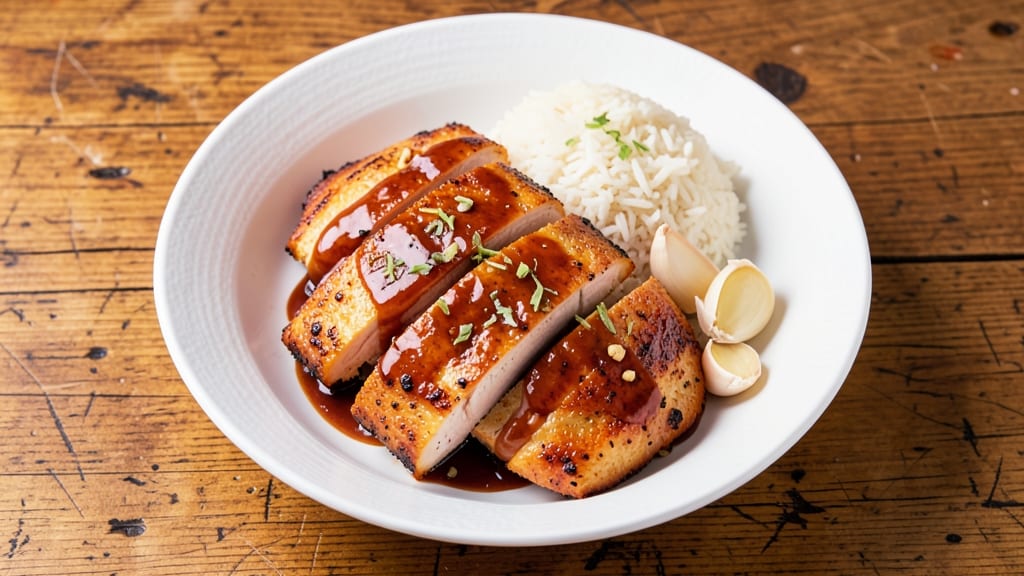
Bachan's Japanese BBQ sauce transforms simple chicken breasts into a restaurant-worthy centerpiece with its signature caramelized sweetness and deep umami kick.
The secret lies in marinating the chicken for at least 4 hours—preferably overnight—to let the sauce's complex flavors penetrate deeply, while high-heat searing creates a perfect balance of crispy edges and tender centers. This technique ensures every bite delivers that sticky, glossy glaze you'd expect from a professional kitchen.
The recipe begins with a foolproof marinating process where Bachan's sauce becomes the star, infusing the chicken with its signature blend of soy, mirin, and molasses notes.
Cooking the chicken in a hot skillet (425°F) for just 5-6 minutes per side creates that coveted caramelized crust, while the remaining sauce reduces into a thick, velvety glaze. The result is a dish that's both elegant enough for dinner parties and simple enough for weeknight meals.
What sets this recipe apart is how the sauce's natural sweetness caramelizes beautifully when cooked properly, creating those irresistible glaze pools that make every bite worth savoring.
The chicken stays juicy and tender thanks to proper cooking times, while the glaze adds a perfect balance of sweet, smoky, and savory flavors. Serve it sliced against a bed of steamed jasmine rice or with roasted vegetables for a complete, balanced meal.
This method works equally well for grilled chicken or sheet-pan dinners, making it versatile for any occasion. The key is patience during marinating and precision in cooking—both ensure the sauce's full potential shines through. Ready to elevate your chicken game? Let's get started with this game-changing recipe.
Ingredients for bachan's japanese bbq sauce chicken breast
Restaurant-quality glaze starts with these 14 precision ingredients for caramelized chicken perfection.
| Ingredient | Amount | Notes |
|---|---|---|
| Bachan's Japanese BBQ Sauce 🍶 | 1 cup | Original or teriyaki variety preferred |
| Boneless, Skinless Chicken Breast 🍗 | 1 ½ lb | Even thickness, pounded to 0.5-inch |
| Extra-Virgin Olive Oil 🫒 | 1 tbsp | For searing, high smoke point |
| Jasmine Rice 🍚 | 1 cup | Uncooked, long-grain preferred |
| Garlic Cloves 🧄 | 4 cloves | Minced for marinade |
| Fresh Ginger 🌿 | 1 tbsp | Finely grated, aromatic |
| Sesame Oil 🫒 | 1 tsp | Toasted, for finishing |
| Toasted Sesame Seeds 🌾 | 1 tsp | For garnish, store-bought or homemade |
| Diamond Crystal Kosher Salt 🧂 | ½ tsp | For seasoning, fine grain |
| Freshly Ground Black Pepper 🌶️ | ¼ tsp | Cracked peppercorns preferred |
| Honey 🍯 | 1 tbsp | For glaze enhancement |
| Low-Sodium Soy Sauce 🍶 | 1 tbsp | For depth in marinade |
| Mirin 🍶 | 1 tbsp | Sweet rice wine, non-alcoholic if preferred |
| Vegetable Oil 🫒 | 2 tbsp | High smoke point for skillet |
The Bachan's sauce is non-negotiable here—its balance of mirin, molasses, and soy creates the signature umami-sweet profile. Grab the original teriyaki variety from Asian markets or major grocery chains like Walmart or Kroger, where it's stocked in the international aisle. For the chicken, even thickness is critical—pound any thick spots to 0.5-inch to ensure consistent cooking. Look for USDA Choice or higher for optimal tenderness, and trim excess fat to prevent flare-ups during searing. The garlic and ginger should be freshly minced for maximum aromatic impact—pre-minced jars lack the same punch.
No Bachan's? A blend of low-sodium soy sauce, mirin, honey, and a splash of rice vinegar works in a pinch, though it won't replicate the exact depth. Substitute honey with maple syrup for a vegan option, but reduce to 0.75 tbsp to avoid over-sweetness. The sesame oil is purely for finishing—skip it if you're sensitive to its flavor, but trust me, it elevates the dish. Vegetable oil for searing should have a smoke point above 400°F (like Avocado oil or refined peanut oil). The jasmine rice is traditional, but brown rice or forbidden black rice add visual drama if you're feeling adventurous.
Marinated chicken keeps up to 24 hours in the fridge, though flavor penetration peaks after 8-12 hours. Portion the sauce into ice cube trays if you're not using it all—freezes perfectly for 3 months. The cooked chicken reheats beautifully: 5 minutes at 350°F with a splash of water restores moisture without breaking the glaze. Store leftover rice in an airtight container for 4 days, or freeze portions for up to 2 months. For meal prep, double the sauce and freeze half—thaw overnight in the fridge before using.
Why You'll Love This Recipe
- Fewer Pans, Same Magic: I swear by this recipe because it’s the rare one where you don’t need a million dishes. Just one skillet for the chicken—no basting, no flipping drama—and the rice cooks while you’re brushing on that sticky-sweet Bachan’s sauce. Honestly, my counters stay cleaner than my kitchen after a date night.
- Umami Bomb Combo: That sauce? It’s where the real magic happens. The smoky-sweet depth of Bachan’s cuts through the mildness of chicken breast, and when you sear those garlic cloves in olive oil first, the whole dish gets this je ne sais quoi—like a little Japanese izakaya in my kitchen. (Yes, even on a Tuesday night.)
- Lunchbox Hero: Between us, this is my go-to for meal prep. Shred the chicken, toss it with extra sauce, and pack it with rice for days. My kids (and my husband) actually finish their lunches now. The best part? It reheats like a dream—no sad, rubbery chicken here.
- Budget-Friendly Feast: Chicken breast and rice are already winners, but Bachan’s sauce stretches like crazy. I’ll make a double batch of chicken, toss half with sauce, and freeze it for later. One jar of that sauce feeds me for weeks, and the leftovers? They’re the reason I don’t order takeout. Solid.
Step-by-step instructions for glazed Japanese BBQ chicken breast
Transform simple chicken breasts into restaurant-quality glazed perfection with this balanced technique.
Prepare the Marinade and Pound the Chicken
In a medium bowl, combine the 1 cup Bachan's Japanese BBQ Sauce, 1 tbsp Low-Sodium Soy Sauce, 1 tbsp Mirin, 1 tbsp Honey, 4 cloves Garlic Cloves (minced), and 1 tbsp Fresh Ginger (finely grated). Whisk until the honey dissolves completely and the mixture becomes smooth. This marinade creates the perfect balance of sweet, savory, and umami flavors that will penetrate the chicken.
While preparing the marinade, place the 1.5 lb Boneless, Skinless Chicken Breast between two sheets of plastic wrap. Using a meat mallet, pound the chicken to an even ½-inch thickness throughout. This ensures even cooking and prevents dryness in the center. The chicken should now be uniform in thickness, making it easier to achieve perfect doneness.
Marinate and Cook the Jasmine Rice
Place the pounded chicken in a shallow dish and pour the marinade over it, ensuring it's fully coated on all sides. Cover and refrigerate for at least 30 minutes, or up to 4 hours for deeper flavor infusion. The longer it marinates, the more tender and flavorful the chicken will become.
While the chicken marinates, rinse the 1 cup Jasmine Rice under cold water to remove any excess starch. In a small pot, combine the rice with 1.5 cups water (not listed in ingredients but standard for rice) and bring to a boil. Once boiling, reduce heat to low, cover, and simmer for 15 minutes. Remove from heat and let it steam, covered, for an additional 10 minutes. Fluff the rice gently with a fork before serving.
Sear the Chicken to Perfection
Heat a large skillet over medium-high heat and add 2 tbsp Vegetable Oil. Once the oil shimmers, carefully remove the chicken from the marinade (reserve the marinade) and place it in the skillet. Cook for 4-5 minutes per side until the chicken reaches an internal temperature of 165°F and develops a beautiful golden-brown sear. The searing creates a flavorful crust that locks in the juices and complements the glaze.
Once the chicken is cooked through, reduce the heat to medium-low and return the reserved marinade to the skillet. Spoon the marinade over the chicken, allowing it to simmer for 2-3 minutes until it thickens slightly and forms a glossy glaze. This step ensures the chicken absorbs maximum flavor while developing that signature caramelized sheen.
Rest and Garnish for Serving
Transfer the glazed chicken to a cutting board and let it rest for 5 minutes before slicing. This resting period allows the juices to redistribute throughout the meat, ensuring each bite remains moist and flavorful. While the chicken rests, drizzle 1 tsp Sesame Oil over the top and sprinkle with 1 tsp Toasted Sesame Seeds for added texture and aroma.
Slice the chicken against the grain into ¼-inch thick pieces and serve immediately over the prepared Jasmine Rice. The combination of tender, glazed chicken with fragrant rice creates a harmonious balance of sweet, savory, and umami flavors that will impress even the most discerning palates. Garnish with additional sesame seeds if desired for extra visual appeal.
Pro Tips For Making Bachan'S Japanese Bbq Sauce Chicken Breast
- Pound Chicken Thin: Skinless chicken breast is notorious for drying out, but pounding it to ¼-inch thickness guarantees even cooking. Use a meat mallet or rolling pin—just don’t go too crazy, or you’ll end up with a sad, overcooked mess. I learned this the hard way after serving rubbery slices to my roommates.
- Salt Before Sauce: Season the chicken with salt and pepper before slathering on the Bachan’s sauce—this keeps the seasoning balanced, not drowned. The sauce is sweet and savory, but the chicken needs its own foundation. Trust me, your first bite will taste flatter if you skip this.
- Low and Slow Finish: After searing the chicken in olive oil, transfer it to a 300°F oven for 8–10 minutes instead of blasting it with high heat. This lets the sauce caramelize without burning while keeping the inside juicy. I used to rush this, and the sauce would turn bitter—now I just set a timer and walk away.
- Garlic Infuse the Oil: Sauté minced garlic in the olive oil until it’s just golden, not brown—this adds depth to the sauce without overpowering it. Remove the garlic before adding the chicken to avoid a bitter bite. Sounds weird, but it works: the oil carries that aroma straight into every bite.
Regional styles of bachan's japanese bbq sauce chicken breast
Okinawan Teriyaki Style
In Okinawa, they take Japanese BBQ sauce chicken to another level by incorporating awamori, a local distilled spirit. Replace 1 tbsp of the Bachan's sauce with 1 tbsp awamori (or substitute with 1 tbsp dry sherry if unavailable) in the marinade.
Cook the chicken at 400°F instead of searing to achieve a quicker, more caramelized crust. Serve with Okinawan sweet potato (purple or white) instead of rice for a regional twist that balances the sauce's sweetness. 🗺️
Hawaiian Fusion Twist
For a tropical-inspired version, blend 2 tbsp pineapple juice into the marinade alongside the Bachan's sauce. Add ½ tsp ground coriander and ¼ tsp ground turmeric for warmth. Grill the chicken over charcoal for a smoky depth, then finish with a drizzle of grilled pineapple slices on top.
Pair with coconut rice (replace jasmine rice with equal parts coconut milk and water) for a true island vibe. 🌺
Japanese Home-Style (Oyako-Don)
Transform this into a classic oyako-don (parent-child rice bowl) by simmering the cooked chicken with 1 cup dashi broth and ½ cup sliced shiitake mushrooms. Reduce until the sauce thickens into a glossy coating.
Serve over rice with a soft-boiled egg on top and a sprinkle of green onions. This homestyle version highlights Bachan's sauce as a glaze rather than a marinade, creating a comforting, family-style dish. 🍳
Korean-Inspired Gochujang Glaze
For a bold fusion, mix 1 tbsp gochujang (Korean chili paste) into the reserved marinade before glazing. Add 1 tsp toasted sesame oil and ½ tsp grated ginger to the sauce reduction.
The gochujang adds a spicy, tangy kick that contrasts beautifully with the sweet Bachan's sauce. Serve with kimchi on the side and a side of steamed spinach for a Korean-Japanese mashup. 🌶️
Modern Asian Fusion Plate
Elevate this dish into a restaurant-worthy plate by serving the glazed chicken over sushi rice mixed with ½ cup furikake (Japanese rice seasoning). Top with quick-pickled cucumbers (thinly sliced cucumbers + rice vinegar + sugar) and crispy fried shallots.
Add a side of miso-glazed eggplant for a well-rounded, visually stunning presentation. This approach turns the recipe into a shareable, Instagram-worthy dish. ✨
Nutrition facts
Frequently asked questions
Can I use Bachan's sauce directly as a glaze without marinating?
While you can brush the sauce on after cooking, marinating for at least 4 hours (or overnight) ensures deeper flavor penetration and tender chicken. The sauce's sweetness and umami compounds work their magic during this time, creating that signature restaurant-quality taste. For a quick version, marinate for 30 minutes minimum, but expect slightly less flavor complexity.
What's the best way to prevent dry chicken when using BBQ sauce?
Pound the chicken to ½-inch thickness for even cooking, and never overcook—use a meat thermometer to check for 165°F internal temperature. The sauce's natural sugars caramelize quickly, so high heat (medium-high) for 4-5 minutes per side creates the perfect crust without drying out the center. Let it rest 5 minutes before slicing to lock in juices.
How can I make this recipe spicier?
Add ½ tsp red pepper flakes or 1 tbsp sriracha to the marinade for heat. For a smoky kick, include ½ tsp smoked paprika in the glaze reduction. Balance the spice with extra honey (1 tbsp) if needed—Bachan's sauce is already sweet, so the heat won't overpower.
Can I grill this instead of pan-searing?
Preheat the grill to medium-high (400°F) and grill for 5-6 minutes per side, basting with reserved marinade every 2 minutes. For extra smokiness, add ½ tsp liquid smoke to the glaze. Grilling works especially well for larger chicken breasts—just monitor closely to avoid charring.
What if I don't have Bachan's sauce?
Mix ½ cup soy sauce, ¼ cup mirin, 2 tbsp honey, 1 tbsp rice vinegar, and 1 tsp grated ginger for a DIY substitute. Simmer until thickened (5 minutes) to mimic the sauce's consistency. While not identical, this blend captures the sweet-savory balance. For extra depth, add 1 tsp molasses.