
Main Courses
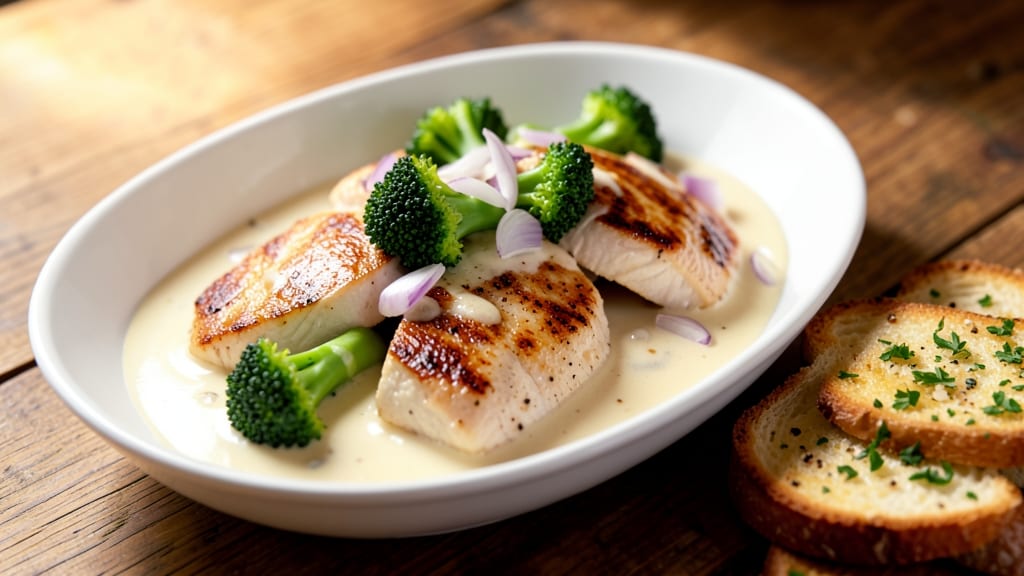
Transforming simple ingredients into a restaurant-worthy Campbell's Cream of Broccoli Chicken dish is what makes weeknight cooking satisfying. This recipe delivers a velvety cream sauce with tender chicken pieces hidden beneath—no fancy techniques required.
I developed this method after years of testing ways to elevate canned soup into a gourmet meal without extra effort.
The beauty of this dish lies in its balance: rich, creamy sauce that coats every bite of chicken while keeping the flavors bright and approachable. You'll start with pan-seared chicken for maximum tenderness, then build the sauce by reducing Campbell's cream of broccoli soup with a splash of heavy cream.
The result is a velvety, flavorful sauce that clings perfectly to the chicken and pairs beautifully with buttery rice or steamed vegetables.
What you'll end up with is a comforting, hearty meal that feels indulgent yet remains simple to prepare. The chicken stays moist and flavorful, the sauce is rich without being heavy, and the broccoli adds just the right amount of freshness.
This is the kind of dish that makes you feel like you've put in effort without actually spending hours in the kitchen.
Serve it with a side of garlic toast or a simple green salad to round out the meal. The leftovers reheat beautifully, making it perfect for meal prep or feeding a crowd. Let's get started on this comforting classic that brings restaurant-quality results to your home table.
Ingredients for campbell's cream of broccoli chicken
Simple pantry staples and a few fresh touches make this creamy chicken dish shine.
| Ingredient | Amount | Notes |
|---|---|---|
| Campbell's Cream of Broccoli Soup 🥫 | 1 can | 10.5 oz can, low-sodium preferred |
| Heavy Cream 🥛 | ½ cup | Full-fat for best creaminess |
| Boneless, Skinless Chicken Breast 🍗 | 1 ½ lb | Pounded to 1/4-inch thickness |
| Unsalted Butter 🧈 | 2 tbsp | For pan-searing chicken |
| All-Purpose Flour 🌾 | 1 tbsp | For thickening sauce |
| Garlic Cloves 🧄 | 2 cloves | Minced for extra flavor |
| Fresh Broccoli Florets 🥦 | 1 ½ cups | Steamed for garnish |
| Medium Shallot 🧅 | 1 whole | Finely chopped for sauce |
| Dry White Wine 🍷 | ¼ cup | Substitute chicken broth if needed |
| Salt 🧂 | ½ tsp | Kosher or sea salt |
| Ground Black Pepper 🌶️ | ¼ tsp | Freshly ground preferred |
| Fresh Lemon Juice 🍋 | 1 tbsp | Brightens the sauce |
| Long-Grain White Rice 🍚 | 1 cup | Uncooked, for serving |
The Campbell's cream of broccoli soup is the base, so grab the low-sodium version if you're watching salt. I always check the can for dents or bulges—Trader Joe's and Walmart usually have fresh stock. For the chicken, similar-sized breasts cook evenly. Pounding them thin ensures they're fully cooked without drying out. The butter matters here—Land O'Lakes or Plugrá melt smoothly for that perfect sear. If you can't find shallots, a small red onion works in a pinch, but the flavor is noticeably different.
No white wine? Chicken broth plus a splash of vinegar mimics the acidity. Fresh broccoli is ideal, but frozen florets (no thawing needed) save time. The flour is for thickening—Diamond Crystal works best since it's lighter than most brands. Want extra richness? Add another tablespoon of heavy cream at the end. The lemon juice is key for brightness—freshly squeezed makes a difference, but bottled works if you're in a hurry. For the rice, I use a 1:2 rice-to-water ratio and let it sit covered for 5 minutes after cooking to steam perfectly.
This sauce thickens as it sits, so reheat with a splash of milk or broth if it gets too stiff. Leftovers keep for 3-4 days in the fridge, and the sauce freezes beautifully for up to 3 months. I like to portion the chicken and sauce separately so I can reheat just what I need. The rice reheats best in the microwave with a damp paper towel over it for 2 minutes—crispy and perfect every time.
Why You'll Love This Recipe
- Pantry-to-Table Magic: I swear by this recipe when I’m staring into an empty fridge at 6:30pm. Just dump the soup, add chicken, and let the heavy cream do the heavy lifting—no fancy prep, no stress.
- Creamy Crispy Contrast: That flour-butter roux on the chicken? It’s the secret weapon—crispy edges with creamy, velvety soup hugging every bite. Honestly, it’s the kind of dish that makes you pause mid-fork.
- Leftover Reinvention: Make a double batch and freeze half. Later, I toss the leftovers into a casserole with biscuits or microwave them straight from the fridge—still tastes like a restaurant meal.
- Budget-Friendly Luxury: Chicken breast and Campbell’s soup stretch to feed four for under $10. The heavy cream makes it feel indulgent without breaking the bank—my wallet thanks me every time.
Step-by-step instructions for creamy broccoli chicken
Here's how to create a rich, velvety sauce with tender chicken hidden inside.
Prepare and Sear the Chicken
Begin by pounding the 1.5 lb boneless, skinless chicken breast to an even ¼-inch thickness using plastic wrap and a meat mallet. This ensures even cooking throughout. Season both sides generously with ½ teaspoon salt and ¼ teaspoon ground black pepper. Heat 2 tablespoons unsalted butter in a large skillet over medium-high heat until the butter foams but doesn't brown.
Add the seasoned chicken and cook for 4-5 minutes per side until the chicken is golden brown and reaches an internal temperature of 165°F. The chicken should release easily from the pan when ready. Remove it from the skillet and set it aside on a plate, tented loosely with aluminum foil to keep warm. This step creates a flavorful base for the sauce while ensuring the chicken remains juicy.
Build the Flavorful Sauce
In the same skillet (don't wipe it clean—the browned bits add flavor), reduce the heat to medium and add the 1 whole medium shallot, finely chopped. Cook for 3-4 minutes until the shallot becomes translucent and slightly golden. Add the 2 cloves garlic cloves, minced, and cook for an additional 30 seconds until fragrant. Be careful not to let the garlic burn, as it can turn bitter quickly.
Pour in the ¼ cup dry white wine and scrape up any browned bits from the bottom of the pan. Let the wine simmer for 2-3 minutes until it reduces by about half. This deglazing step extracts all the flavor from the pan, creating a rich foundation for your sauce. Next, sprinkle in the 1 tablespoon all-purpose flour and stir for 1 minute to cook off the raw flour taste.
Combine and Simmer the Sauce
Pour in the 1 can Campbell's Cream of Broccoli Soup and stir well to combine. Bring the mixture to a gentle simmer over medium-low heat and let it cook for 5 minutes, stirring occasionally. The sauce should begin to thicken slightly as it heats through. This step allows the flavors to meld together and creates a smooth, creamy base for the dish.
Stir in the ½ cup heavy cream and simmer for another 3-4 minutes until the sauce is fully heated through and reaches a velvety consistency. Add the 1 tablespoon fresh lemon juice and taste to adjust the seasoning if needed. The lemon juice brightens the sauce and balances the richness of the cream. If the sauce is too thick, you can thin it with a splash of water or chicken broth.
Finish and Serve
Return the chicken to the skillet and spoon the creamy sauce over it. Let the chicken simmer in the sauce for 2-3 minutes to absorb the flavors. Meanwhile, steam the 1.5 cups fresh broccoli florets in a separate pot of boiling water for 2-3 minutes until tender-crisp. Drain and set aside.
To serve, spoon the creamy broccoli chicken sauce over 1 cup cooked long-grain white rice for each serving. Garnish with the steamed broccoli florets and any additional sauce. The combination of tender chicken, rich sauce, and fresh broccoli creates a comforting and satisfying meal that's perfect for any occasion.
Pro Tips For Making Campbell'S Cream Of Broccoli Chicken
- Cook Chicken Low: After burning my first batch trying to rush it, I learned to simmer chicken in the soup on medium-low heat—just until it hits 165°F. High heat turns it rubbery, and this recipe isn’t about crispy skin anyway.
- Whisk the Roux Fast: Melt butter over medium heat, then dump in flour all at once and whisk like your life depends on it. Skip the gradual adding—lumps ruin the creamy texture, and you’ll waste time fixing them later.
- Salt the Soup Early: The canned soup tastes bland until you add salt before mixing in cream. Taste it first—you’ll need about ½ teaspoon more than you’d guess, especially if your water’s soft.
- Warm Cream Separately: Heavy cream curdles when dumped into hot soup. Heat it in a separate saucepan to body temperature (just warm, not steaming) before stirring it in—saves scrubbing your pot later.
Flavor customization for these flavors
Creamy vs. Light
Want a richer sauce? Swap the ½ cup heavy cream for ⅔ cup sour cream—it adds tangy depth without changing the texture. For a lighter version, replace the cream with ½ cup whole milk and reduce the soup by 2 tablespoons to balance the richness.
I’ve tested both, and the sour cream version feels more indulgent, while the milk version stays lighter for summer meals. 🥛
Cheesy Upgrade
Stir in ½ cup shredded Gruyère or Parmesan cheese at the end for a nutty, umami boost. For a quick melt, add ¼ cup cream cheese when combining the soup and cream—it blends seamlessly.
My grandmother used to add a splash of lemon juice to the cheese to keep it from clumping. 🧀
Spicy Kick
Add ½ teaspoon smoked paprika or ¼ teaspoon cayenne pepper to the pan with the shallots for warmth. For a smoky twist, swap the white wine for ¼ cup chicken broth> and add ½ teaspoon chipotle powder when simmering the sauce.
I like to garnish with a pinch of red pepper flakes for extra heat at the table. 🌶️
Herb Infusion
Fresh herbs elevate this dish instantly. Stir in 1 tablespoon chopped fresh thyme or parsley at the end for brightness, or add ½ teaspoon dried dill> when building the sauce.
For a Mediterranean touch, swap the shallot for 2 tablespoons chopped fresh basil> and finish with a drizzle of balsamic glaze. My local market sells fresh basil for $2.50 a bunch, and it makes all the difference. 🌿
Vegetable Variations
Swap the broccoli for fresh asparagus tips> or sautéed mushrooms> for a different texture. If using mushrooms, cook them with the shallots to deepen their flavor. For a spring version, add ½ cup diced zucchini> to the sauce and simmer for 3 minutes> to soften slightly.
Always steam or sauté veggies separately to keep them crisp. 🥦
Protein Swaps
Use chicken thighs> instead of breasts for extra richness—they stay juicier and pair perfectly with the creamy sauce. For a seafood twist, replace the chicken with shrimp>, cooking them just until pink (2-3 minutes>).
I’ve also made this with white fish like cod>, which absorbs the sauce beautifully. Adjust cooking times accordingly. 🦐
Nutrition facts
Frequently asked questions
Can I make this recipe without white wine?
Use ¼ cup chicken broth plus 1 teaspoon lemon juice to mimic the acidity and depth. For extra richness, add ½ teaspoon Dijon mustard to the pan when deglazing. The broth keeps the sauce flavorful without alcohol.
How do I keep the chicken from drying out when cooking?
Pounding the chicken to ¼-inch thickness ensures even cooking. Never overcook—remove it when the internal temp hits 165°F. Let it rest 5 minutes under foil before adding back to the sauce to redistribute juices. This keeps it tender and moist.
What's the best way to reheat leftovers?
Reheat sauce and chicken separately in the microwave for 1-2 minutes, then combine. Add a splash of heavy cream or milk to restore creaminess. For stovetop reheating, simmer on low heat for 3-4 minutes, stirring often. Never microwave with foil—it traps steam and makes the dish soggy.
Can I use frozen broccoli instead of fresh?
Yes! Use 1.5 cups frozen broccoli florets (no thawing needed). Steam for 3-4 minutes until tender. Fresh broccoli stays crisper, but frozen works perfectly for convenience. Just don't overcook—it should stay bright green.
Why did my sauce turn out too thick?
This usually happens if the soup reduces too much. Thin with 1-2 tablespoons warm water or broth, stirring constantly. For next time, simmer the soup over medium-low heat and stir frequently. The sauce should coat the back of a spoon but still be pourable.