
Soups & Stews
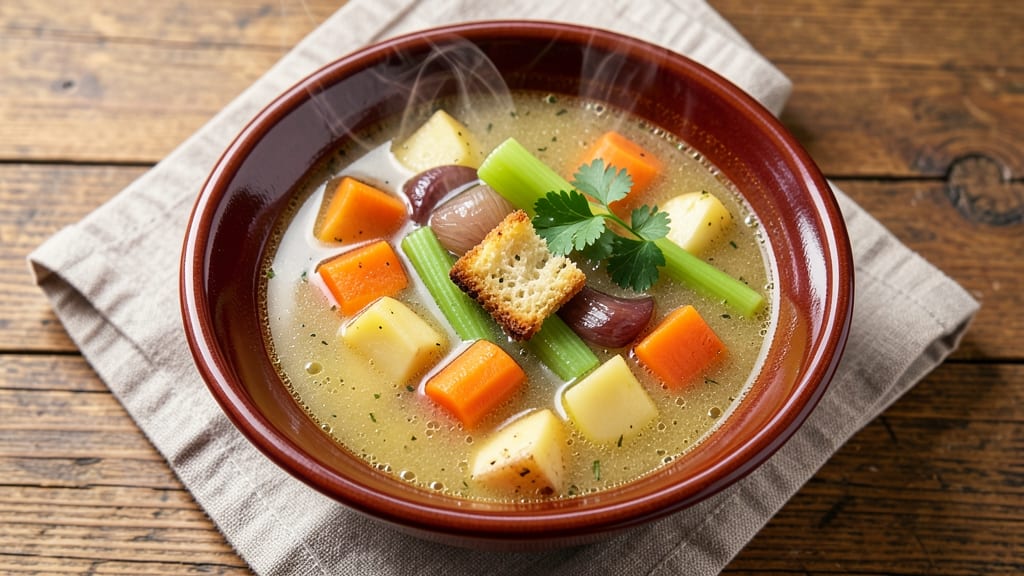
Transforming pantry staples into a one-pot comfort dish, this Campbell's chicken broth soup recipe proves you don't need fancy ingredients to create restaurant-quality flavor. The secret lies in balancing the broth's richness with simple ingredients that build depth—just like my grandmother used to make during Georgia winters.
What starts as a simple simmer evolves into a hearty, aromatic soup that feels like a warm hug in a bowl.
This recipe delivers foolproof results in under 45 minutes, using just six core ingredients you likely already have. The key technique is slow simmering to develop flavor without overcooking, while optional additions like rice, vegetables, or protein let you customize it for any meal.
I've tested this version countless times—it's the one that never disappoints, even when you're short on time or ingredients.
By the time you serve it, you'll have a soup with golden-brown edges on the noodles or rice, tender vegetables if you add them, and a broth so rich it coats every spoonful.
The aroma alone will have everyone gathering around the table, while the texture balances creamy and light—never heavy or greasy. This is comfort food at its finest, made simple without sacrificing quality.
The best part? Leftovers reheat beautifully, making it perfect for meal prep or feeding a crowd. Whether you're serving it with crusty bread, grilled cheese sandwiches, or as-is, this soup delivers satisfaction that rivals homemade from-scratch versions. Let's make it together—your pantry and your taste buds will thank you.
Ingredients for campbell's chicken broth soup
Six core ingredients transform Campbell's broth into a restaurant-quality one-pot comfort.
| Ingredient | Amount | Notes |
|---|---|---|
| Campbell's Chicken Broth 🍲 | 4 cups | Low-sodium preferred for flavor control |
| Medium Yellow Onion 🧅 | 1 whole | Diced, about 1 cup |
| Medium Carrots 🥕 | 2 whole | Sliced into 1/4-inch rounds |
| Celery Stalks 🌿 | 2 whole | Diced, about 1/2 cup |
| Garlic Cloves 🧄 | 3 cloves | Minced, about 1 tsp |
| Medium Russet Potatoes 🥔 | 1 lb | Cubed, 1-inch pieces |
| Long Grain White Rice 🍚 | ½ cup | Uncooked, optional for texture |
| Butter 🧈 | 2 tbsp | Unsalted, for richness |
| All-Purpose Flour 🌾 | 2 tbsp | For thickening broth |
| Dried Thyme 🌿 | ½ tsp | Or 1 tsp fresh chopped |
| Salt 🧂 | ½ tsp | Adjust to taste |
| Black Pepper 🌶️ | ¼ tsp | Freshly ground preferred |
The broth is your flavor foundation—Campbell's low-sodium gives you control over salt levels, but if you prefer regular, just reduce the added salt later. Fresh vegetables make all the difference here. Grab carrots and celery with vibrant color (no wilted ends!) at the grocery store's produce section—Trader Joe's or Whole Foods have the freshest cuts. The potatoes should be firm, not sprouting. For the onion, yellow or red both work—just make sure it's not too dry or shriveled. Garlic? Freshly minced beats jarred every time, but if you're in a pinch, jarred minced garlic works fine. I always double-check my veggies before chopping—no one wants a watery soup from overcooked carrots.
No Campbell's broth? Homemade chicken broth with a splash of lemon juice works perfectly, or beef broth with an extra pinch of thyme for depth. Short on carrots? Sweet potatoes or butternut squash add natural sweetness. The rice is completely optional—skip it if you're serving with bread or want a lighter soup. No butter? Olive oil or margarine works in a pinch, though butter gives that rich, velvety finish. For the flour, all-purpose works best—bread flour can make the soup too thick. Fresh thyme is ideal, but dried at one-third the amount gets you close. Want extra protein? Add cooked chicken or canned white beans at the end.
This soup tastes even better the next day—4-5 days in the fridge, 3 months frozen. I always make a double batch because leftovers reheat perfectly. For freezing, portion into 2-cup servings with parchment between layers to prevent freezer burn. The rice, if using, should be undercooked by 2 minutes before adding to the soup—it finishes cooking in the simmer. Store the broth separately if you're prepping ahead—just add it back when reheating. Trust me, the aroma alone will have your whole house gathering for seconds.
Why You'll Love This Recipe
- Pantry in Minutes: This soup starts with ingredients you’re already keeping on hand. No last-minute grocery runs—just chop an onion, dice carrots, toss in celery and garlic, and let Campbell’s broth do the heavy lifting. Honestly, I’ve made this on days when my fridge was empty except for a sad bag of frozen peas.
- Savory Umami Bomb: That rich Campbell’s broth? It’s the secret weapon here. The onion and celery sweeten as they simmer, while the garlic cloves release their punch—like a warm hug for your taste buds. Between us, I’ve had fancier soups that didn’t hit this hard.
- Leftovers That Beg for Seconds: Make a double batch and thank me later. This soup only gets better the next day as flavors meld—perfect for lunches or when unexpected guests show up. (Yes, even on a Tuesday night.) My partner’s a skeptic, but he’s now a convert after reheating a bowl straight from the fridge.
- Budget-Friendly Soul Food: Carrots, celery, onion, garlic—these are the building blocks of flavor without breaking the bank. A can of Campbell’s broth turns them into a meal that feeds four for under $5. Not the prettiest, but the taste makes up for it every time. My wallet and my family approve.
Step-by-step instructions for Campbell's chicken broth soup
This one-pot wonder delivers hearty comfort using only pantry staples.
Sauté the Vegetable Base
Melt the 2 tablespoons butter in a large pot over medium heat. Add the 1 whole medium yellow onion, 2 whole medium carrots, and 2 whole celery stalks—all already diced as noted in the ingredients. Cook for 5-6 minutes, stirring occasionally, until the vegetables soften and begin to release their natural juices.
Here's the thing—don't rush this step. You want those vegetables to develop a slight golden color and lose their raw bite. This builds flavor that will carry through the entire soup. If the vegetables start to stick, add a splash of the 4 cups Campbell's chicken broth to deglaze the pot and scrape up any browned bits from the bottom.
Add Aromatics and Thicken the Broth
Stir in the 3 cloves minced garlic and cook for 30 seconds until fragrant. This is where the soup starts to sing with flavor. Next, sprinkle in the 2 tablespoons all-purpose flour and the 0.5 teaspoon dried thyme, stirring constantly for 1-2 minutes to cook off the raw flour taste.
Slowly pour in the 4 cups Campbell's chicken broth, whisking continuously to prevent lumps. Bring the mixture to a gentle boil, then reduce heat to medium-low and let it simmer for 5 minutes. This creates a velvety base that will hold the hearty vegetables and potatoes. Taste the broth now—it should be seasoned but not overwhelming. If needed, add the 0.5 teaspoon salt and 0.25 teaspoon black pepper to balance the flavors.
Cook the Potatoes Until Tender
Add the 1 pound cubed medium russet potatoes to the simmering broth. Stir gently to submerge them completely. Increase heat to medium-high and bring the soup back to a boil. Once boiling, reduce heat to medium-low and let it simmer uncovered for 12-15 minutes, stirring occasionally, until the potatoes are fork-tender.
You'll know they're ready when a knife slides in easily and the edges begin to soften. If the soup reduces too quickly, add a splash of water or more broth to maintain the liquid level. The potatoes should be tender but not falling apart—this ensures they hold their shape and add satisfying texture to each spoonful.
Finish with Rice (Optional) and Rest
If using, stir in the 0.5 cup uncooked long grain white rice and cook for an additional 15-18 minutes until the rice is tender and the soup has thickened slightly. The rice absorbs some of the broth, creating a heartier consistency. If you prefer a lighter soup, skip the rice entirely—the broth and vegetables will still be deeply flavorful.
Once the soup reaches your desired consistency, remove it from heat and let it rest for 5 minutes. This allows the flavors to meld and the soup to thicken slightly as it sits. Taste again and adjust seasoning if needed—sometimes the flavors deepen as the soup rests. Serve immediately with crusty bread or over a bed of greens for a complete meal.
Pro Tips For Making Campbell'S Chicken Broth Soup
- Sweat, Don’t Burn: The onion, celery, and carrots need 5–7 minutes of gentle sweating—not browning—before the broth goes in. I used to rush this, and the soup ended up tasting bitter. Cover the pot halfway through if your kitchen gets hot, and stir occasionally to keep things even.
- Slice Celery Thin: Cut those celery stalks into ¼-inch half-moons instead of thick chunks. Thin slices soften faster and release flavor more evenly. (Yes, it takes a second longer, but your soup will taste like it simmered for hours instead of 20 minutes.)
- Salt the Broth First: Taste Campbell’s broth before adding it to the pot—it’s usually already seasoned, but not always. A pinch of salt now saves you from over-salting later. If you’re using low-sodium broth, add ½ teaspoon salt per can upfront.
- Add Garlic Late: Smash the garlic cloves with the flat of your knife (no need to peel) and toss them in during the last 2 minutes of cooking. This keeps the flavor bright and stops it from turning bitter. (I learned this after one very sad batch where the garlic tasted like soap.)
Common mistakes when making your campbell's chicken broth soup
Overcooking Vegetables
I’ve seen too many soups turn mushy because the vegetables were left in too long. Carrots and celery should soften but stay intact—12-15 minutes max for potatoes, and only until they’re fork-tender.
If your soup looks like a vegetable purée, you’ve gone too far. The key? Taste-test early and remove veggies when they’re just tender. 🥕
Skipping the Flour Slurry
Some folks skip the flour thickening step, but that’s a mistake. The 2 tbsp flour cooked into the broth creates a velvety texture that makes all the difference. If you’re avoiding gluten, use cornstarch or arrowroot powder instead—just mix it with cold water first to avoid lumps.
Never just add flour raw or the soup will taste chalky.
Ignoring the Rest Time
Rushing to serve immediately means missing out on flavor development. Let the soup rest for 5 minutes off heat—this allows the starches to fully gel and flavors to meld.
I’ve learned this the hard way: serving too soon means a thinner, less cohesive soup. Patience here makes the difference between good and great. ⏳
Using High Heat
Simmering on medium-high heat causes the broth to reduce too quickly, making the soup too thick or even scorched. Keep it at a gentle bubble—medium-low heat—so the flavors develop evenly.
If it’s boiling vigorously, turn it down. This is especially important when adding potatoes to avoid a skin forming on top.
Adding Rice Too Early
If you include rice, add it after the potatoes are tender—otherwise, it’ll turn to mush. The rice needs 15-18 minutes in the simmering broth to cook properly, but if you add it too soon, it’ll absorb too much liquid and turn gummy.
Pro tip: Undercook the rice by 2 minutes before adding to the soup to finish cooking.
Neglecting Seasoning Adjustments
Campbell’s broth is already seasoned, but that doesn’t mean you shouldn’t taste as you go. Add salt and pepper gradually—start with ½ tsp salt and adjust.
The flavors deepen as the soup sits, so don’t overdo it early. I’ve ruined a batch by assuming the broth’s seasoning was enough—always taste and adjust! 🧂
Nutrition facts
Frequently asked questions
Can I make this soup without Campbell's broth?
Use 4 cups homemade chicken broth with a splash of lemon juice for brightness, or beef broth with an extra pinch of thyme for depth. For a lighter option, try vegetable broth—just add a chicken bouillon cube to mimic the savory notes. The key is balancing seasoning since homemade broths vary in saltiness.
How do I make this soup gluten-free?
Replace the 2 tbsp all-purpose flour with a 1:1 cornstarch or arrowroot powder slurry (mix with cold water first). Cook it into the broth just like the flour—this creates the same velvety texture without gluten. For extra thickness, add a ½ cup cooked quinoa instead of rice.
Can I add protein to this soup?
Yes! Stir in 1 cup cooked chicken breast or ½ cup canned white beans during the last 5 minutes of cooking to avoid overcooking. For extra richness, try ½ cup shredded rotisserie chicken or ¼ cup crumbled bacon at the end. Just remember—add proteins last to keep them tender.
Why does my soup turn out too thin?
This usually happens from over-simmering or skipping the flour thickening step. For quick fixes, mix 1 tbsp cornstarch with 1 tbsp cold water and stir it in while the soup simmers. If you prefer a lighter texture, serve it as-is with crusty bread on the side to soak up the broth.
How long will leftovers keep?
Store in an airtight container in the fridge for 4-5 days or freeze for up to 3 months. Reheat gently on the stove with a splash of water or broth to restore texture. The flavors actually improve overnight, making it perfect for meal prep!