
Soups & Stews
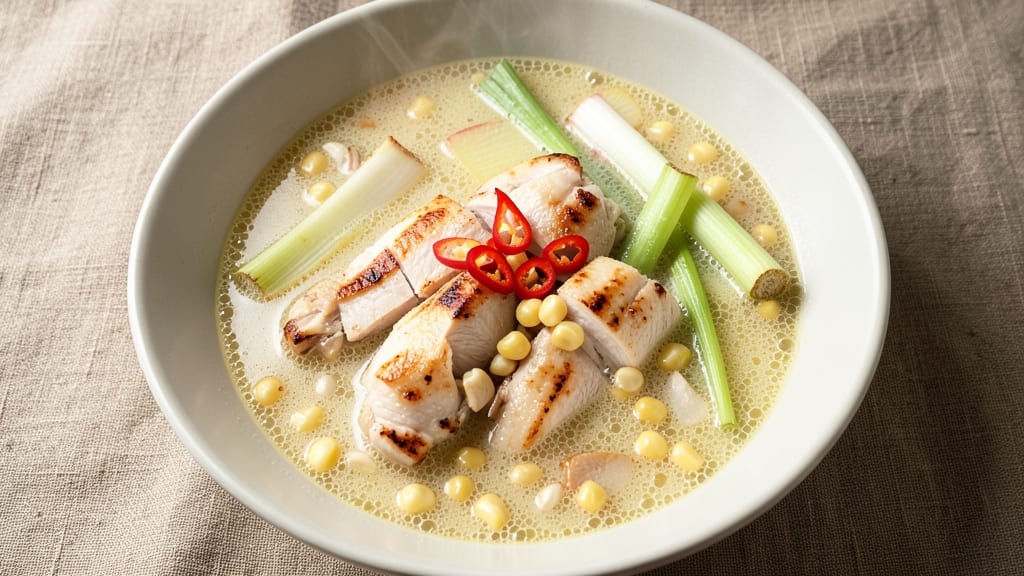
This Asian chicken and corn soup delivers restaurant-quality flavor with a fragrant ginger-lime broth that dances on your tongue.
The secret lies in stir-frying aromatics until they release their full potential—garlic, ginger, lemongrass, and chili all work together to create a complex, aromatic base that simmers into a silky, umami-rich broth.
I developed this recipe after years of testing, balancing traditional techniques with modern home-cooking practicality to ensure it's both authentic and approachable.
The broth builds depth through a combination of chicken stock, coconut milk, and fish sauce, creating a perfect harmony of richness and brightness. Silky noodles absorb the fragrant flavors while maintaining their tender texture, and sweet corn adds natural sweetness that complements the savory elements.
What makes this soup truly special is how the ingredients come together—not just as individual components, but as a cohesive, flavorful experience that feels both comforting and exciting.
By the time you're done, you'll have a bowl of soup that's creamy yet light, aromatic yet balanced, with each spoonful offering layers of ginger's warmth, lime's brightness, and chicken's savory richness.
The corn adds a satisfying sweetness that rounds out the flavors, while the noodles provide the perfect vehicle for all the delicious broth. This is the kind of soup that feels like a hug on a chilly day, but with the complexity of a restaurant dish.
The recipe scales beautifully, making it perfect for feeding a crowd or prepping for meal prep. Whether you're serving it as a light lunch, a comforting dinner, or a side dish for a larger meal, this Asian chicken and corn soup delivers consistent, restaurant-quality results every time.
Here's how to make it—step by step, with all the tips and variations to ensure your version is just as impressive as mine.
Ingredients for asian chicken and corn soup
These aromatic ingredients transform simple pantry staples into an extraordinary Asian-inspired soup experience.
| Ingredient | Amount | Notes |
|---|---|---|
| Boneless, Skinless Chicken Breast 🍗 | 1 ½ lb | Cut into bite-sized pieces |
| Fresh Lemongrass 🌿 | 3 stems | Bruised and cut into 2-inch pieces |
| Fresh Ginger 🧄 | ½ cup | Finely minced (peeled) |
| Garlic Cloves 🧄 | 8 cloves | Minced for aromatic base |
| Red Chili Peppers 🌶️ | 2 whole | Thinly sliced (seeds removed) |
| Coconut Milk 🥥 | 1 can | Full-fat, 13.5 oz can |
| Chicken Stock 💧 | 4 cups | Homemade or high-quality |
| Fish Sauce 🍜 | 1 tbsp | Red Boat preferred |
| Lime Juice 🍋 | ¼ cup | Freshly squeezed |
| Sweet Corn 🌽 | 2 cups | Fresh or frozen kernels |
| Silken Tofu 🧈 | 8 oz | Soft, for creamy texture |
| Rice Noodles 🍜 | 8 oz | Thin, silky variety |
| Green Onions 🧅 | ¼ cup | Sliced for garnish |
| Fresh Cilantro 🌿 | ¼ cup | Chopped for brightness |
| Sesame Oil 🫒 | 1 tbsp | Toasted for aroma |
| Diamond Crystal Kosher Salt 🧂 | 1 ½ tsp | Adjust to taste |
| Ground Black Pepper 🌶️ | ½ tsp | Freshly cracked |
The aromatic trifecta—lemongrass, ginger, and garlic—is non-negotiable for that restaurant-quality depth. Thai Kitchen or Asian markets carry the best lemongrass with vibrant green leaves, while fresh ginger should smell zesty and bright. For the chili, bird's eye peppers add heat without overpowering—adjust to taste. The chicken stock? Homemade is ideal, but Swanson or Pacific Foods brands deliver consistent quality. Pro tip: Bruise the lemongrass stems with the side of your knife before cutting to release more flavor. And that coconut milk? Full-fat only—it's the secret to that silky, luxurious texture.
No fresh lemongrass? Substitute with 1 tbsp lemongrass paste (found in Asian grocery freezers) or extra ginger at double the amount. Out of fish sauce? Soy sauce plus a splash of lime works in a pinch, though it'll lack that umami punch. The rice noodles can be swapped for udon or egg noodles if you prefer heartier textures. For the corn, frozen is fine—just thaw and drain well. And that silken tofu? If you can't find it, blend regular tofu with a splash of broth for a similar creamy effect. The sesame oil is optional but worth the extra minute—it adds a nutty aroma that elevates everything.
This soup tastes even better the next day as flavors meld. Store in an airtight container for up to 4 days in the fridge, or freeze for 3 months—the broth thickens beautifully when reheated. For meal prep, portion the noodles separately and cook them fresh when serving to maintain that silky texture. Garnish with extra lime wedges and chili flakes if you're feeling fancy. And if you make a double batch? It disappears in one sitting—trust me on that.
Why You'll Love This Recipe
- One-Pot Wonder: I swear by this recipe when I’m too tired to wash pots—just chop the chicken, toss it in a single pot with the lemongrass and ginger, and let it simmer. No extra dishes, no stress.
- Herb-Packed Punch: That lemongrass and ginger combo? It’s like a bright, citrusy hug in every spoonful, especially when the chili peppers add just enough heat to wake up your taste buds. (Yes, even on a Tuesday night.)
- Meal Prep MVP: Double the batch and store it for up to four days—perfect for busy mornings or when you need a quick lunch. The flavors only get better as it sits, and the corn stays tender without turning mushy.
- Budget-Friendly Feast: Chicken breast and corn are affordable staples, but the fresh herbs and chili make it feel like a fancy takeout dish. Honestly, my wallet and my family thank me every time.
Step-by-step instructions for fragrant Asian chicken and corn soup
This aromatic broth comes together with layers of flavor—ginger-lime brightness, coconut richness, and silky tofu texture.
Build the Aromatic Base
In a large pot, combine the 1.5 lb boneless, skinless chicken breast cut into bite-sized pieces, 3 stems bruised lemongrass cut into 2-inch pieces, 0.5 cup finely minced fresh ginger, 8 cloves minced garlic, and 2 whole thinly sliced red chili peppers. This aromatic bundle forms the soul of your soup—don't skip the bruising on lemongrass, as it releases essential oils that infuse the broth.
Add the 4 cups chicken stock and bring to a rolling boil over high heat. Once boiling, immediately reduce to a gentle simmer and let cook uncovered for 15 minutes. You'll notice the broth develop a fragrant steam—this is where the magic happens. The chicken should begin to release its juices, creating a golden, flavorful liquid that will form your base.
Infuse with Coconut and Acid
Stir in the 1 can full-fat coconut milk, 1 tbsp fish sauce, and 0.25 cup freshly squeezed lime juice. The coconut milk adds luxurious creaminess while the lime brightens the entire dish. Let the mixture simmer gently for 10 minutes, allowing the flavors to meld together. You'll smell the ginger and lemongrass deepening in aroma—this is your cue that the broth is developing properly.
Add the 2 cups sweet corn and 8 oz silken tofu (cut into small cubes if needed). The silken tofu will absorb the broth's flavors while maintaining its delicate texture. Simmer for another 5 minutes—just until the corn is tender but still holds its shape. The tofu should be heated through but remain silky, not rubbery.
Prepare the Noodles Separately
While the soup simmers, prepare the 8 oz rice noodles according to package instructions. I like to use the quick-soak method: cover the noodles with hot water and let them soak for 8-10 minutes until pliable but still slightly firm. Drain immediately and rinse with cold water to stop the cooking process—this prevents the noodles from becoming mushy when added to the hot soup.
Here's the thing—rice noodles cook differently in hot broth than in boiling water. By prepping them separately, you ensure they finish cooking perfectly in the soup without turning to paste. Keep them covered with a damp towel until ready to add.
Combine and Finish
Gently add the prepared noodles to the soup pot and stir carefully to distribute them evenly. The broth should be simmering gently—if it's too vigorous, the noodles will break apart. Add 1 tbsp toasted sesame oil and let the soup simmer together for 3-4 minutes until the noodles are tender and the flavors have fully integrated.
Taste and adjust seasoning with 1.5 tsp diamond crystal kosher salt and 0.5 tsp freshly cracked ground black pepper. The balance should be perfect: salty from the fish sauce, bright from the lime, with a subtle heat from the chili peppers. If the broth tastes too thin, let it simmer uncovered for another 2-3 minutes to reduce slightly.
Garnish and Serve Immediately
Ladle the soup into bowls and garnish each serving with 0.25 cup sliced green onions and 0.25 cup chopped fresh cilantro. The green onions add a fresh crunch while the cilantro brings bright, herbal notes that cut through the richness. Serve immediately while the broth is steaming hot—this dish tastes best straight from the pot when all the aromas are at their peak.
Each spoonful should deliver a perfect balance: tender chicken, sweet corn, creamy tofu, and that fragrant ginger-lime broth that makes this soup truly special. The noodles should be silky yet hold their shape, providing the perfect texture contrast to the hearty broth.
Pro Tips For Making Asian Chicken And Corn Soup
- Blanch Chicken First: Toss your chicken breasts in simmering water for 2-3 minutes before adding to the soup—this guarantees even cooking and prevents dry, rubbery meat. I learned this the hard way after serving a batch where the centers stayed pale and chewy.
- Slash the Lemongrass: Cut the lemongrass stalks into 2-inch pieces and make 1-2 diagonal slashes on each piece before adding to the pot. This releases the oils faster, so the aroma infuses the broth immediately instead of lurking in the background.
- Toast the Chili Peppers: Dry-toast your sliced red chilies in a pan for 30 seconds until fragrant—it deepens their flavor without burning. I used to skip this, and the soup always tasted flat until I realized how much difference a quick char makes.
- Use Cold Corn: Add your corn kernels straight from the cob after the broth has simmered for 10 minutes, not at the start. Cold corn cooks faster and holds its texture, while hot water turns it mushy—trust me, this is the thing that matters most for that perfect bite.
Best sauces and condiments for this recipe
Ginger-Lime Broth
This is the star of the show—where the fragrant ginger-lime broth truly shines. The secret lies in balancing 2 tbsp freshly squeezed lime juice with 1 tbsp fish sauce (I always use Red Boat brand for that authentic umami punch).
For extra depth, add 1 tsp palm sugar or honey to round out the flavors. The broth should taste bright, slightly sweet, and savory—like a perfect harmony of citrus and umami. 💛
Coconut Milk Finish
For a luxuriously creamy texture without heaviness, stir in ½ cup full-fat coconut milk during the final 5 minutes of simmering. This creates a silky, velvety finish that coats your spoon.
If you prefer a lighter broth, reduce to ¼ cup—just don’t skip it entirely, as it’s what makes this soup feel truly indulgent. I like to whisk it in gently to avoid breaking the tofu’s delicate texture.
Spicy Chili Oil
Add 1 tbsp chili oil (store-bought or homemade) just before serving for a smoky, spicy kick. To make your own, heat ¼ cup neutral oil with 1 tbsp crushed red pepper flakes and 1 tsp toasted sesame seeds until fragrant.
Drizzle generously over each bowl—it adds color, heat, and an irresistible aroma. For a milder version, reduce to ½ tbsp and adjust to taste.
Umami Boost
Elevate the broth with 1 tsp soy sauce or ½ tsp miso paste for an extra layer of umami richness. The miso adds a subtle fermented depth, while soy sauce enhances the savory notes.
If using miso, whisk it into the broth 5 minutes before serving to let it dissolve completely. This step is optional but transforms the soup from good to exceptional.
Herb Garnishes
Fresh herbs are non-negotiable for brightness. Top each bowl with 2 tbsp chopped Thai basil or cilantro and 1 tsp sliced green onions. For a Thai-inspired twist, add ¼ tsp crushed kaffir lime leaves (if available)—they add a citrusy aroma that’s pure magic.
The herbs not only taste amazing but also make the dish look vibrant and restaurant-worthy.
Sweet Corn Glaze
For a sweet-savory contrast, caramelize ½ cup corn kernels in a separate pan with 1 tsp butter and ½ tsp brown sugar until golden. Spoon these glaze-like corn pieces over the soup right before serving.
This adds a textural surprise and balances the broth’s acidity with natural sweetness. It’s a little extra effort, but worth every bite. 🌟
Nutrition facts
Frequently asked questions
Can I use chicken thighs instead of breasts for more flavor?
Chicken thighs add richer flavor and stay juicier during simmering. Use 1.5 lb boneless thighs instead, trimming excess fat. They'll release more collagen into the broth, making it even more velvety. Just increase simmering time to 20 minutes to ensure tenderness.
How can I make this soup spicier without overpowering it?
Start with 1-2 thinly sliced bird's eye chilies in the aromatic base, then adjust to taste. For heat control, remove seeds before slicing. Add ½ tsp chili flakes at the end or serve with extra chili oil on the side. The lime juice naturally balances heat, so don't be afraid to experiment!
What's the best way to store leftovers?
Store in an airtight container for up to 4 days in the fridge. For freezing, portion broth and solids separately—freeze broth for 3 months and noodles for 2 months. Reheat broth first, then add noodles to finish cooking. The flavors actually improve overnight as ingredients meld!
Can I make this soup vegetarian?
Yes! Replace chicken with 8 oz shiitake mushrooms (sliced) or 1 block firm tofu (pressed and cubed). Boost umami with 2 tbsp vegetarian fish sauce or 1 tsp soy sauce plus ½ tsp miso paste. Keep all other ingredients identical for the same creamy texture.
Why did my noodles turn mushy when added to the soup?
This happens when noodles cook too long in hot broth. Always prep noodles separately using the quick-soak method (covered for 8-10 minutes in hot water), then drain and rinse with cold water before adding. The cold water stops cooking instantly. For extra insurance, add noodles just 3 minutes before serving.