
Main Courses
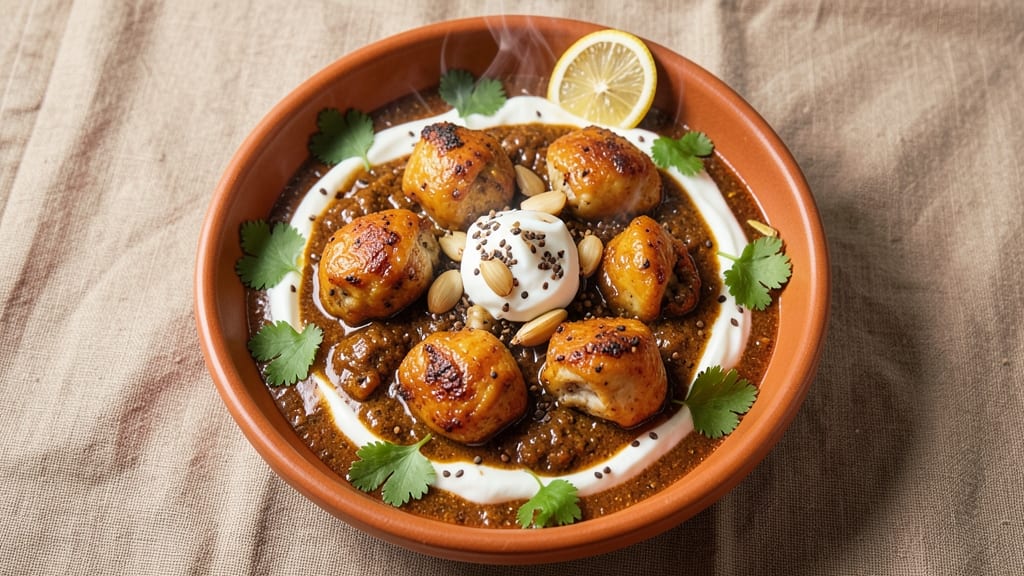
This African chicken curry recipe transforms simple ingredients into a rich, aromatic dish that captures the bold flavors of West African cuisine.
The spiced yogurt marinade—packed with garlic, ginger, and berbere spice—infuses the chicken with layers of warmth and depth, while slow simmering in coconut milk and tomato creates a velvety, fragrant sauce.
I developed this recipe after years of perfecting the balance between traditional techniques and modern convenience, ensuring every bite delivers restaurant-quality results without hours in the kitchen.
The key to authentic flavor lies in the marinade, where yogurt tenderizes the chicken while spices like coriander, cumin, and cayenne build complexity. Unlike many curries that rely on heavy cream, this version uses peanut butter for richness and coconut milk for a subtle sweetness that rounds out the heat.
The dish simmers just long enough to melt the spices into the sauce, creating a harmonious blend of smoky, tangy, and slightly sweet notes that pair perfectly with fluffy basmati rice or warm flatbread.
What sets this curry apart is its adaptability—whether you're cooking for a family gathering or a weeknight dinner, the same techniques deliver exceptional results. The yogurt marinade can be prepared ahead, and the curry tastes even better the next day as flavors meld.
Garnish with fresh cilantro and a squeeze of lime for brightness, and you'll have a dish that feels both comforting and celebratory, proving that bold flavors don't require complicated methods.
Serve with steamed rice or crusty naan to soak up every last drop of the fragrant sauce. This recipe is designed to impress while staying true to its roots, offering a taste of Africa that's as satisfying as it is authentic.
Let's get started on creating a curry that will become a staple in your meal rotation.
Ingredients for african chicken curry
These bold flavors start with a simple spiced yogurt marinade and build to restaurant-quality depth.
| Ingredient | Amount | Notes |
|---|---|---|
| Boneless Chicken Thighs 🍗 | 1 ½ lb | Skin-on for flavor, cut into bite-sized pieces |
| Plain Yogurt 🥛 | 1 cup | Full-fat for richness, unsweetened |
| Berbere Spice 🌶️ | 2 tbsp | Authentic African blend, adjust for heat |
| Garlic Cloves 🧄 | 6 cloves | Freshly minced, not pre-minced jar |
| Fresh Ginger 🌿 | 2 tbsp | Grated, not powdered |
| Ground Cumin 🌿 | 1 tbsp | Toasted for deeper aroma |
| Coconut Milk 🥥 | 13 ½ oz | Full-fat can, not light version |
| Crushed Tomatoes 🍅 | 14 ½ oz | San Marzano preferred, no sugar added |
| Peanut Butter 🥜 | 2 tbsp | Natural, no added sugar |
| Onion 🧅 | 1 whole | Yellow, finely diced |
| Fresh Cilantro 🌿 | ¼ cup | Chopped, for garnish |
| Lime 🍋 | 1 whole | Juiced, for brightness |
| Salt 🧂 | 1 ½ tsp | Kosher or sea salt |
| Black Pepper 🌶️ | ½ tsp | Freshly ground |
| Vegetable Oil 🫒 | 2 tbsp | For cooking, high smoke point |
Berbere spice is the heart of this curry—find it at African markets or specialty stores like African & Caribbean Foods or Whole Foods. If unavailable, mix 1 tbsp paprika, 1 tsp each of cayenne, coriander, and fenugreek. The coconut milk should be full-fat canned—light versions won't give the same richness. For the chicken, thighs stay juicier than breasts during the long simmer. Look for bone-in, skin-on at your butcher if available, or ask for the best-quality thighs at the grocery store's meat counter.
No berbere? Mix your own blend—it's easier than you think. Substitute crushed tomatoes with 1 cup tomato sauce plus 1 tbsp tomato paste if needed. The peanut butter adds depth but can be omitted if you prefer a lighter sauce. For extra authenticity, add 1 tsp smoked paprika to the marinade. Fresh ginger and garlic are non-negotiable here—they make all the difference. If you can't find San Marzano tomatoes, Muir Glen is a solid second choice. The yogurt should be plain and full-fat; Greek yogurt works too if that's what you have.
Marinate the chicken for at least 2 hours (overnight is best) in the fridge. The curry reheats beautifully—tastes even better the next day as flavors meld. Store leftovers in airtight containers for 4-5 days or freeze for 3 months. For meal prep, double the batch and freeze half. The sauce thickens when chilled, so add a splash of water or coconut milk when reheating. Garnish with fresh cilantro and lime juice just before serving for maximum brightness.
Why You'll Love This Recipe
- One-Pot Magic: I swear by this recipe when I’m too tired to wash a million dishes—just brown the chicken, toss in the yogurt, berbere, and spices, then simmer. The garlic and ginger melt into the sauce while you’re doing laundry or scrolling through your phone.
- Berbere Bomb: Honestly, that first spoonful of berbere spice changes everything. It’s got a smoky heat that lingers without being overwhelming, and when it blooms in the yogurt, it’s like a warm hug for your taste buds. The chicken ends up tender with just the right crispy edges.
- Leftover Goldmine: Between us, this curry tastes even better the next day. The flavors meld into something richer, and I always have jars of it ready for quick lunches. Freeze half for those nights when you open the fridge and stare blankly at nothing.
- Budget-Friendly Feast: Chicken thighs are forgiving and cheap, and a little yogurt goes a long way when stretched with spices. I feed my whole family (plus leftovers) for what I’d spend on takeout for two. Plus, berbere is a pantry game-changer—one jar lasts forever.
Step-by-step instructions for African chicken curry
Transform simple ingredients into a rich, aromatic curry with this precise method.
Marinate the Chicken in Spiced Yogurt
Cut the 1.5 lb boneless chicken thighs into 1-inch bite-sized pieces and place them in a large bowl. In a separate bowl, whisk together the 1 cup plain yogurt, 2 tbsp berbere spice, 1 tbsp ground cumin, 1.5 tsp salt, and 0.5 tsp black pepper until smooth. Pour the spiced yogurt over the chicken and toss gently to coat evenly. Cover the bowl and refrigerate for at least 4 hours—this marinade tenderizes the meat and infuses it with deep, complex flavors. The longer it marinates, the more pronounced the berbere taste becomes, so don't rush this step.
After marinating, remove the chicken from the yogurt and let it sit at room temperature for 15 minutes before cooking. This brief resting period ensures even cooking and prevents the chicken from releasing too much liquid into the pan. The marinade should cling to the chicken, leaving a faint yellow residue on your hands—this is your sign that the flavors are properly absorbed.
Sauté Aromatics and Brown the Chicken
Heat the 2 tbsp vegetable oil in a large, heavy-bottomed pot over medium-high heat. Add the 1 whole finely diced onion and cook for 5-6 minutes until softened and translucent. Stir in the 6 minced garlic cloves and 2 tbsp grated fresh ginger, cooking for another 1-2 minutes until fragrant—this step builds the aromatic foundation of your curry. The mixture should smell intensely of garlic and ginger, signaling it's ready for the next ingredient.
Add the marinated chicken to the pot in a single layer, allowing it to sear undisturbed for 2-3 minutes per side until golden brown. Avoid overcrowding the pot, or the chicken will steam instead of develop a crispy crust. Once browned, transfer the chicken to a plate and set aside. The goal here is to lock in juices and create a rich, caramelized base for the sauce.
Build the Curry Base with Tomatoes and Spices
Return the pot to medium heat and stir in the 14.5 oz crushed tomatoes. Let the mixture simmer for 5-7 minutes until the tomatoes break down and thicken slightly. This reduction intensifies their natural sweetness and balances the heat from the berbere spice. The sauce should coat the back of a spoon and smell deeply of tomatoes and spices—this is your checkpoint before adding the coconut milk.
Reduce the heat to low and gradually whisk in the 13.5 oz coconut milk, followed by the 2 tbsp peanut butter. The peanut butter may look strange, but it adds a subtle richness that rounds out the flavors. Stir constantly for 3-4 minutes until the sauce thickens and becomes velvety. The peanut butter should dissolve completely, leaving no lumps behind. If the sauce is too thick, add 2-3 tablespoons of water to reach your desired consistency.
Simmer and Finish with Fresh Herbs
Return the browned chicken to the pot and simmer gently for 25-30 minutes over low heat, covered, until the chicken is tender and cooked through. The sauce should cling to the chicken, coating it evenly. Check for doneness by piercing a piece of chicken with a fork—it should slide in easily with no resistance. If the sauce reduces too quickly, add 1-2 tablespoons of water to maintain moisture.
Stir in the juice of 1 whole lime and 0.25 cup chopped fresh cilantro, then taste and adjust the seasoning with additional salt or black pepper as needed. The lime brightens the dish, cutting through the richness of the coconut milk and peanut butter. The cilantro adds a fresh finish, balancing the deep, spiced flavors. Serve immediately over steamed rice or with crusty bread to soak up every last bit of sauce.
Pro Tips For Making African Chicken Curry
- Marinate Chicken Overnight: I learned this the hard way—rushing the yogurt marinade means the berbere flavor gets drowned out by raw chicken taste. Let those thighs sit in the yogurt mix (plus berbere, garlic, and ginger) for at least 8 hours, or overnight if you can. The acid tenderizes the meat while the spices seep in deep.
- Toast Berbere Dry: Skip the wet-toast method—tossing berbere straight into the pan with oil and heating it for 30 seconds until fragrant makes a real difference. The spices release their aroma and deepen the flavor without turning bitter. (Yes, even if you're impatient like me, resist the urge to add liquid too soon.)
- Sear Chicken in Batches: Crowding the pan turns your curry into a sad, greasy mess. Cook the marinated thighs in two batches over medium-high heat for 4-5 minutes per side until golden. The crust locks in moisture and adds texture—your future self will thank you.
- Deglaze with Tomato Paste: After browning the chicken, splash in 1 tablespoon of tomato paste with the onions and garlic. It thickens the sauce faster and balances the berbere’s heat without needing extra liquid. (Does it look weird? Yes. Does it work? Every single time.)
Essential equipment for great african chicken curry
Heavy-Bottomed Pot
Your curry pot needs to handle 30-45 minutes of simmering without scorching. I recommend a 5-6 quart Dutch oven like the Le Creuset Signature—its thick enamel keeps heat even and prevents flavor from burning.
For budget-friendly options, the Cuisinart MultiClad Pro delivers professional results without the price tag. Avoid thin, lightweight pans that can't distribute heat properly. 🔥
High-Quality Spice Grinder
Freshly ground spices make all the difference in this curry. A manual spice grinder like the Spice & Tea brand gives you control over texture and intensity.
For whole spices like cumin and coriander seeds, I toast them in a dry skillet for 30 seconds before grinding to deepen their aroma. Pre-ground spices lose potency quickly—this tool ensures maximum flavor extraction.
Immersion Blender
For ultra-smooth sauce consistency, an immersion blender like the Ninja CB101 lets you blend directly in the pot without transferring hot liquid. After simmering, I blend 10-15 seconds to break down any remaining peanut butter lumps while keeping the texture velvety.
This step is optional but elevates the dish from home-cooked to restaurant-quality in seconds. ✨
Measuring Spoons Set
Precise measurements matter when balancing berbere spice heat and peanut butter richness. My OXO Good Grips set has ergonomic handles and clearly marked measurements down to 1/8 teaspoon. For the berbere blend, I measure 2 tbsp carefully—too much can overwhelm, while too little leaves the curry flat.
The same attention to detail applies to the 2 tbsp peanut butter and 1 tbsp cumin.
Instant-Read Thermometer
To ensure perfectly cooked chicken, I use a ThermoWorks Thermapen ONE to check internal temperature. The chicken is done at 165°F—this prevents dryness while ensuring food safety. The probe slides effortlessly into the thickest piece, giving you an instant reading without opening the pot and losing heat.
For curry sauce, I monitor the pot temperature to stay between 190-200°F during simmering. 🌡️
Wooden Spoon Set
Sturdy wooden spoons like the Ozeri Wooden Spoons are essential for stirring without scratching your Dutch oven. I use a 12-inch spoon to scrape the bottom and prevent sticking during the 5-7 minute tomato reduction phase.
The natural wood also adds subtle flavor over time. For deglazing, I keep a separate 6-inch** spoon handy to scrape up any browned bits from the chicken searing step.
Nutrition facts
Frequently asked questions
What makes this African chicken curry different from Indian curries?
This recipe uses berbere spice—a fiery African blend with fenugreek and cardamom—rather than garam masala or curry powder. The marinade includes yogurt and peanut butter for richness, while coconut milk replaces heavy cream, creating a lighter yet deeply flavorful sauce. The heat profile is more complex, with subtle sweetness from tomatoes and lime balancing the spice.
Can I use chicken breast instead of thighs?
Yes, but thighs are ideal because they stay juicier during the long simmer. If using breasts, cut them into 1-inch pieces and reduce the cooking time to 20 minutes after adding them back to the sauce. Add 1-2 tablespoons of water if the sauce thickens too quickly. The marinade time remains the same—4+ hours for best results.
How do I adjust the heat level for sensitive eaters?
Reduce the berbere spice to 1 tbsp and omit cayenne if included in your blend. For extra mildness, add 1 tsp honey or sugar to the sauce at the end to balance any remaining heat. Always taste as you go—you can add more spice later, but you can't remove it!
What's the best way to reheat leftovers?
Gently reheat on low heat in a covered pot with 2-3 tablespoons of water or coconut milk to prevent drying. Avoid microwaving—it makes the sauce watery. The curry actually tastes better the next day as flavors meld! Store leftovers in airtight containers for 4-5 days or freeze for 3 months.
Can I make this curry in an Instant Pot?
Sauté the aromatics and brown the chicken as directed, then add all remaining ingredients except lime and cilantro. Cook on high pressure for 10 minutes, then quick-release. Finish with lime and cilantro. The pressure cooker reduces cooking time to 20 minutes total while keeping flavors intact.