
Main Courses
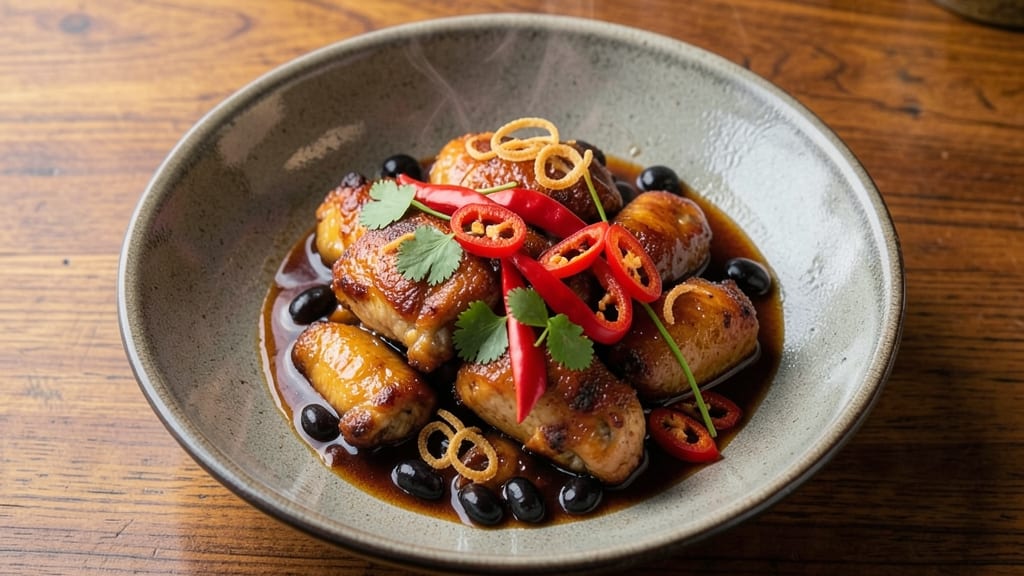
Recreating P.F. Chang’s Kung Pao Chicken at home delivers that signature wok-tossed crunch and fiery spice balance—without the restaurant markup. I’ve adapted the technique to work in any kitchen, using a foolproof marinade and stir-fry method that locks in flavor while keeping the edges crispy.
The secret lies in proper heat control and a sauce that’s equal parts sweet, tangy, and spicy.
This recipe starts with chicken thighs cut into bite-sized pieces, marinated in a blend of soy sauce, rice vinegar, and cornstarch for that signature sticky texture.
The sauce combines chili bean paste, hoisin, and a touch of brown sugar for depth, then gets tossed with the chicken over high heat in a wok or deep skillet. Fifteen minutes of active cooking transforms simple ingredients into a dish that’s restaurant-quality at home.
What you’ll end up with is golden-brown chicken pieces coated in a glossy, slightly sweet-spicy sauce, topped with crunchy peanuts and fresh scallions. The texture contrast—crispy chicken, sticky sauce, crunchy garnishes—makes every bite satisfying.
Serve it over steamed jasmine rice for the full experience, or pair it with cucumber salad to balance the heat.
Adjust the spice level by adding more chili paste or reducing it—this version stays true to P.F. Chang’s while giving you control. Let’s get cooking! The wok is waiting.
Ingredients for pf chang's kung pao chicken
Fifteen simple ingredients transform into restaurant-quality Kung Pao Chicken with perfect wok-tossed crunch and balanced spice.
| Ingredient | Amount | Notes |
|---|---|---|
| Boneless Chicken Thighs 🍗 | 1 ½ lb | Cut into 1-inch pieces |
| Soy Sauce 🍶 | ¼ cup | Low-sodium preferred |
| Rice Vinegar 🍶 | 2 tbsp | White or seasoned |
| Cornstarch 🌾 | 2 tbsp | For crispy coating |
| Chili Bean Paste 🌶️ | 2 tbsp | Asian market variety |
| Hoisin Sauce 🍶 | 2 tbsp | Store-bought or homemade |
| Brown Sugar 🍚 | 2 tbsp | Packed, light or dark |
| Garlic Cloves 🧄 | 4 cloves | Minced, fresh preferred |
| Ginger Root 🌿 | 1 tbsp | Freshly grated |
| Sesame Oil 🫒 | 1 tbsp | Toasted, for aroma |
| Vegetable Oil 🫒 | ½ cup | High smoke point |
| Dried Red Chilies 🌶️ | 1 tbsp | Crushed, for heat |
| Roasted Peanuts 🥜 | ¼ cup | Chopped, for crunch |
| Green Onions 🧅 | ¼ cup | Sliced, for garnish |
| Salt 🧂 | 1 tsp | Kosher or sea salt |
The chicken thighs are non-negotiable here—bone-in pieces stay juicier, but boneless works too. Grab free-range thighs if you can, but standard supermarket thighs work fine. Cut them into consistent 1-inch pieces for even cooking. Asian markets like H Mart or 99 Ranch often have pre-cut frozen chicken, which saves time. For the chili bean paste, Lee Kum Kee is the gold standard, but any brand with smooth texture will do. The hoisin sauce? Kikkoman is reliable, but check labels—some brands are sweeter than others, which affects balance.
No chili bean paste? Substitute 1 tbsp sriracha plus 1 tbsp tomato paste for heat, though it won’t be identical. Running out of rice vinegar? Apple cider vinegar works in a pinch. The brown sugar can be swapped for white sugar or honey, but brown adds that caramelized depth. For extra crunch, toast your peanuts in a dry pan for 2-3 minutes before chopping—Trader Joe’s sells pre-toasted peanuts if you’re in a hurry. Fresh ginger beats powdered every time, but if you must use powder, reduce to 1 tsp—it’s more concentrated.
This sauce reheats beautifully—just add a splash of water to loosen it. Store leftovers in an airtight container for 3-4 days in the fridge, or freeze for up to 3 months. The peanuts stay crunchy for days if stored separately, so I always portion them out before serving. For best texture, reheat chicken gently in a skillet with a splash of water to steam it back to crispy. Serve immediately over steamed jasmine rice—Day Old Noodle brand is my go-to for that authentic aroma.
Why You'll Love This Recipe
- One-Pan Magic: I swear by this recipe—just toss in the chicken, stir-fry, and walk away. That chili bean paste and cornstarch coating? It’s the secret to crispy, caramelized edges without flipping a million times.
- Spicy-Sweet Balance: Honestly, the combo of soy sauce and rice vinegar with a hint of heat is ridiculously addictive. The sauce clings to the chicken like it’s been kissed by a wok master—tangy, smoky, and just spicy enough to wake you up.
- Lunchbox Hero: Between us, this is my go-to for meal prep. The leftovers reheat like a dream (microwave or pan-fresh, either way), and it’s still packed with that signature PF Chang’s kick even three days later.
- Budget Powerhouse: Chicken thighs are forgiving and cheap, and you’re not drowning in exotic ingredients. A single jar of chili bean paste stretches across multiple meals—no wasted money, just serious flavor for pennies.
Step-by-step instructions for kung pao chicken
Master this wok-tossed classic with perfectly balanced heat, crunch, and umami in every bite.
Marinate and Prepare the Chicken
Cut the 1.5 lb boneless chicken thighs into 1-inch pieces and place them in a medium bowl. In a small bowl, whisk together the 0.25 cup soy sauce, 2 tbsp rice vinegar, 1 tbsp sesame oil, 1 tbsp brown sugar, and 1 tsp salt. Pour this marinade over the chicken and toss to coat evenly. Let it marinate for at least 15 minutes—this ensures the chicken absorbs the flavors deeply and develops a tender texture.
While the chicken marinates, prepare the remaining ingredients. Mince the 4 cloves garlic cloves and finely grate the 1 tbsp ginger root. Crush the 1 tbsp dried red chilies into small pieces using a mortar and pestle or the flat side of a knife. This step is crucial for building the signature spicy-sweet flavor profile of the dish.
Create the Sauce Base
In a small bowl, combine the 2 tbsp chili bean paste, 2 tbsp hoisin sauce, 1 tbsp brown sugar, 1 tbsp ginger root, and 4 cloves minced garlic cloves. Mix well until smooth—this forms the core of your sauce. The chili bean paste adds depth, while the hoisin sauce provides that signature sticky sweetness. Set this mixture aside for now.
In a separate bowl, whisk together the 2 tbsp cornstarch with 2 tablespoons of water to create a smooth slurry. This will help thicken the sauce later, ensuring it coats the chicken perfectly. The cornstarch needs to be fully dissolved to prevent clumping in the hot oil.
Stir-Fry the Chicken
Heat 0.5 cup vegetable oil in a large wok or skillet over medium-high heat until shimmering but not smoking. Add the marinated chicken pieces in a single layer, spreading them out evenly. Cook undisturbed for 2-3 minutes until the chicken turns golden brown on the bottom. This initial sear locks in the juices and builds flavor.
Once the chicken is browned, stir it vigorously with tongs, breaking up any large pieces. Cook for an additional 3-4 minutes until the chicken is cooked through and no longer pink in the center. Remove the chicken from the wok and set it aside on a plate. The chicken should be tender but still hold its shape—overcooking here will make it dry.
Build the Kung Pao Sauce
Pour out all but 1 tablespoon of oil from the wok, leaving just enough to coat the bottom. Add the crushed 1 tbsp dried red chilies and stir for 30 seconds until fragrant. This step infuses the oil with chili heat, which will carry through the entire dish. Be careful not to let the chilies burn—high heat can make them bitter.
Return the cooked chicken to the wok and pour in the sauce base mixture you prepared earlier. Stir everything together and bring to a gentle simmer. Gradually add the cornstarch slurry while continuously stirring. The sauce will thicken dramatically within 1-2 minutes—this is when you'll see it transform from a loose sauce to a glossy, clinging coating. If the sauce thickens too quickly, add 1-2 tablespoons of water to loosen it.
Finish and Serve
Once the sauce has thickened to your desired consistency, remove the wok from heat. Stir in the 0.25 cup chopped roasted peanuts and 0.25 cup sliced green onions, tossing gently to distribute them evenly. The peanuts add a satisfying crunch, while the green onions provide a fresh contrast to the spicy-sweet sauce.
Taste and adjust seasoning if needed—add a splash of rice vinegar for brightness or more soy sauce for saltiness. Serve immediately over steamed rice, ensuring each bite delivers that perfect balance of spicy, sweet, and nutty flavors. The dish should be vibrant, with visible red chilies and peanuts throughout.
Pro Tips For Making Pf Chang'S Kung Pao Chicken
- Velveeta the Chicken: After cutting boneless thighs into 1-inch chunks, toss them in 1 tablespoon cornstarch before cooking—not just a sprinkle. I learned this the hard way: dry, uneven coating means some pieces get soggy while others burn. Pat them thoroughly with paper towels first, or the cornstarch will just make a sticky mess.
- Bloom the Chili Paste: Heat your wok until it’s smoking before adding the chili bean paste. Let it sizzle for 30 seconds—this deepens the nutty, fermented flavor instead of letting it taste like raw spices. Skip this, and your sauce will lack that signature Pf Chang’s depth (yes, even with store-bought paste).
- Sauce in Two Stages: Mix your soy sauce, rice vinegar, and sugar after removing the chicken from the wok. Pour half the sauce in first, toss to coat, then add the rest. This prevents the sauce from turning into a gloopy, overcooked glaze that clings like syrup. (Your future self will curse you if you don’t.)
- Deglaze with Vinegar First: As soon as you pull the chicken out, splash in the rice vinegar immediately while the wok’s still hot. Scrape up those browned bits—this is where the flavor hides. Then add the soy sauce. Ignore this, and you’ll end up with a dull, one-dimensional sauce. (I know, I’ve done it.)
Best sauces and condiments for this dish
Chili Bean Paste
This is the flavor foundation of your Kung Pao Chicken, and Lee Kum Kee brand is my go-to because it's smooth and balanced—not too salty or overly spicy.
For an extra kick, I like to toast 1 tsp of the paste in a dry pan for 30 seconds before adding it to the sauce. This deepens the umami flavor without adding heat.
If you can't find chili bean paste, substitute 1 tbsp sriracha plus 1 tbsp tomato paste, though the texture will differ slightly. 🌶️
Hoisin Sauce
The hoisin sauce in this recipe should be thick, slightly sweet, and fermented. I recommend Kikkoman brand for its reliable balance, but avoid versions with added sugar—they can make the dish too sweet.
For a homemade version, blend ½ cup soy sauce, ¼ cup fermented black beans, 2 tbsp molasses, and 1 tbsp ginger. Store-bought hoisin works just fine, though—don’t overcomplicate it! 🍶
Sesame Oil
Here’s where texture meets aroma. Use toasted sesame oil (not the lighter, flavorless variety) for that nutty depth. I like to add 1 tbsp to the marinade and another ½ tbsp to the finished dish just before serving.
The aroma alone makes the dish feel restaurant-quality. If you’re worried about overpowering the dish, start with ½ tbsp and adjust to taste—it’s easy to add more, but hard to remove! 🫒
Peanut Crunch
For that signature crunch, I toast ½ cup roasted peanuts in a dry skillet over medium heat for 2-3 minutes until golden and fragrant.
Then I roughly chop them—I don’t want them too fine, or they’ll turn to paste. Trader Joe’s sells pre-toasted peanuts if you’re short on time, but toasting your own adds a layer of flavor.
Store extra peanuts in an airtight container so they stay crisp for up to 2 weeks. 🥜
Green Onions
Fresh green onions are non-negotiable here—they cut through the richness of the sauce with their bright, grassy note. I slice them into ¼-inch pieces and add them at the very end so they stay vibrant.
For extra freshness, I like to separate the white and green parts—toss the whites into the sauce for depth, then sprinkle the greens on top as a garnish. If you’re using dried onions, rehydrate them first in warm water for 5 minutes. 🧅
Rice Vinegar
This is the secret to balancing the sweetness and spice in the sauce. I use white rice vinegar for its mild tang, but apple cider vinegar works in a pinch if you’re out.
Add it to the marinade and also use it to adjust the sauce at the end—just a splash can brighten up a dish that’s too heavy. For a deeper flavor, I sometimes add ½ tsp of vinegar directly to the sauce while it’s simmering. 🍶
Nutrition facts
Frequently asked questions
Why does P.F. Chang’s Kung Pao Chicken use chicken thighs instead of breasts?
Thighs stay juicier and more flavorful during stir-frying than breasts, which can dry out over high heat. The fat content in thighs also helps create that signature crispy exterior while keeping the inside tender. Plus, thighs are more budget-friendly and widely available than boneless breasts. For a lighter option, use bone-in thighs—the bone adds extra flavor during cooking!
Can I make this recipe with a regular skillet instead of a wok?
While a wok gives the best high-heat sear and toss, a 12-inch cast-iron skillet or deep frying pan works perfectly. Just make sure to use enough oil to prevent sticking, and stir frequently to mimic the wok’s tossing motion. For extra crunch, work in batches if needed—don’t overcrowd the pan, or the chicken will steam instead of crisp up.
How do I adjust the spice level for kids or sensitive eaters?
Start by reducing the chili bean paste to 1 tbsp and omit the dried red chilies entirely. For extra mildness, add ½ tsp of sugar to the sauce to balance any remaining heat. Serve with extra rice and a side of cucumber salad to help cool the palate. Kids often love the sweet-savory flavors of Kung Pao without the spice—just focus on the peanuts and hoisin for their appeal!
What’s the best way to reheat leftover Kung Pao Chicken?
Reheat gently in a skillet over medium-low heat with 1 tbsp of water or oil to prevent drying. Stir frequently and cover with a lid for 2-3 minutes—this steams the chicken back to crispy without making the sauce watery. For microwave reheating, use 30-second bursts on medium power, stirring between each interval. Add a splash of water or soy sauce to restore moisture if needed.
Can I make this dish vegetarian?
Yes! Swap the chicken for extra-firm tofu or king oyster mushrooms (cut into similar-sized pieces). Press tofu to remove excess water first, then marinate it in the same soy-vinegar mixture. For texture, add ½ cup of bell peppers or snap peas to the stir-fry. The sauce will coat everything beautifully, and the peanuts add the same satisfying crunch. Just reduce cooking time by 1-2 minutes since tofu cooks faster than chicken.