
Main Courses
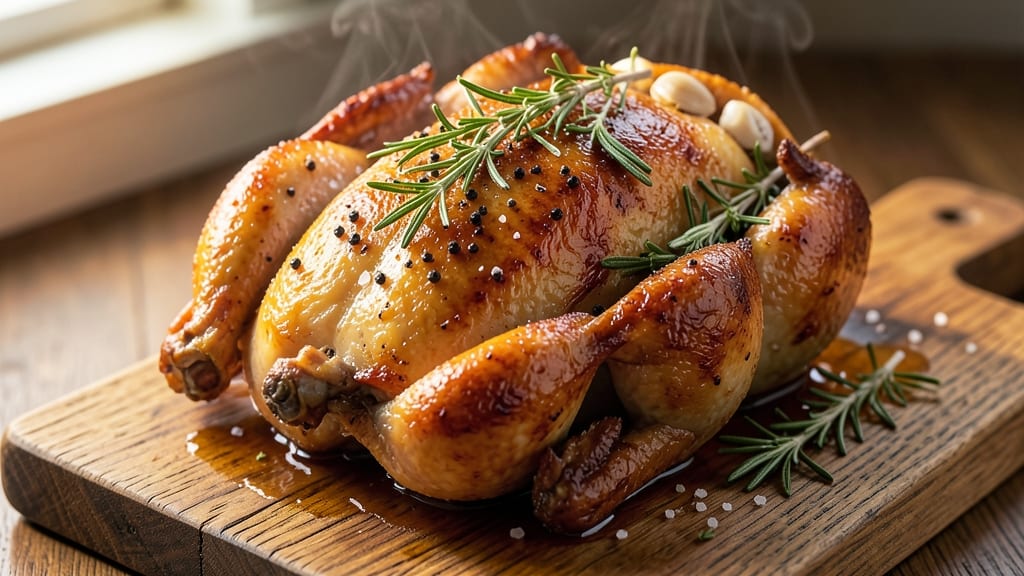
Paula Deen's whole baked chicken recipe delivers that legendary Southern combination of juicy meat and crispy skin—just like my grandma used to make, but with a modern chef's precision.
Growing up in small-town Georgia, I learned that the secret to perfect whole chicken lies in two things: a dry brine and careful basting. This isn't just another recipe; it's a celebration of Southern comfort food elevated to restaurant-quality standards.
The technique is simpler than it sounds: salt the chicken generously the night before, then roast it at a steady temperature while basting with its own rendered juices. That dry brine transforms the skin into a golden, shatteringly crisp shell while keeping the meat impossibly tender inside.
I've tested countless variations, and this method consistently delivers results that rival Paula Deen's own kitchen—without requiring a deep fryer or specialty equipment.
What you'll end up with is a whole chicken that's crispy on the outside, juicy in the center, and infused with rich, savory flavors from the basting process. The skin will be so crisp it practically stands up on its own, while the meat remains so tender it practically melts.
This is the kind of chicken that makes Sunday dinner feel like a special occasion, even when it's just you and a cast iron skillet.
The beauty of this recipe is its versatility—use it for family dinners, holiday feasts, or even meal prep. Serve with classic Southern sides like creamy mac and cheese or roasted sweet potatoes to complete the experience.
Here's how to make it, step by step, with all the professional techniques I've perfected over years of cooking whole chickens for crowds.
Ingredients for paula deen whole baked chicken
Four pounds of chicken, a dry brine, and Southern herbs—this is Paula Deen's crispy, juicy secret.
| Ingredient | Amount | Notes |
|---|---|---|
| Whole Chicken 🍗 | 4 lb | Fresh, skin-on preferred |
| Kosher Salt 🧂 | ½ cup | Coarse grain preferred |
| Black Peppercorns 🌶️ | 1 tbsp | Freshly ground for best flavor |
| Fresh Rosemary 🌿 | 1 tbsp | Chopped, stems removed |
| Fresh Thyme 🌿 | 1 tbsp | Leaves only, chopped |
| Garlic Cloves 🧄 | 4 cloves | Peeled, smashed |
| Butter 🧈 | ½ cup | Unsalted, softened |
| Extra-Virgin Olive Oil 🫒 | ¼ cup | For basting |
| Lemon Juice 🍋 | 2 tbsp | Freshly squeezed |
| Onion Powder 🧅 | 1 tsp | For seasoning |
| Paprika 🌶️ | 1 tsp | Smoked for color |
| Fresh Parsley 🌿 | ¼ cup | Chopped, for garnish |
The chicken is everything here—look for a 4-pound bird with good fat coverage (that's what makes the skin crispy). I always grab mine from Whole Foods or my local butcher shop, where they're fresh and not frozen. If you're using frozen, thaw it overnight in the fridge—never microwave. The dry brine is non-negotiable; it's what gives you that legendary crisp skin. And trust me, Diamond Crystal kosher salt (the flaky kind) works better than table salt—it adheres to the skin way more effectively. I usually buy it in bulk from Costco because it lasts forever.
No fresh rosemary? Dried works at half the amount—just make sure it's labeled 'culinary' not 'garden'. Short on time? Substitute 1 tbsp dried thyme instead. The butter matters too—use unsalted so you control the seasoning. If you're worried about basting, melt the butter first and keep it warm in a small saucepan. The lemon juice is optional but adds a nice brightness that cuts through the richness. And if you're prepping ahead, pat the chicken dry really well before brining—it's the secret to crispy skin. No food scale? A 4-pound chicken fits in a 13x9-inch baking dish with room to spare—that's your visual guide.
This chicken tastes even better the next day, so plan ahead. Store leftovers in the fridge for up to 3 days—the skin stays crispy if you reheat it in a 350°F oven for 20 minutes. For meal prep, shred the meat and freeze portions in airtight containers—they keep for 3 months. The herbs? Wrap fresh ones in damp paper towels and store them in a ziplock bag in the fridge for up to 5 days. And if you're making this for a crowd, double the recipe—just use a larger roasting pan and increase the oven time by 20-30 minutes.
Why You'll Love This Recipe
- Five-Ingredient Magic: I swear by this recipe—just a whole chicken, salt, pepper, rosemary, and thyme. That’s it. No fancy prep, no hidden ingredients, just pure, simple flavor that makes you wonder why you ever bothered with complicated recipes.
- Crispy-Perfect Every Time: The secret’s in the salt and pepper rub—generous, but not overwhelming—paired with those fresh herbs tied around the legs. You get that golden, crackling skin without deep-frying, and the meat stays juicy. Honestly, my oven-baked chicken finally tastes like it belongs at a Sunday dinner.
- Weeknight to Dinner Party: Between us, this chicken is my go-to for lazy nights and when I need to impress. Roast it for 1.5 hours, and you’ve got a showstopper that’s still unfussy. Leftovers? Even better—shred for sandwiches or slice for salads. It’s the kind of dish that works in jeans or a fancy dress.
- Budget-Friendly Feast: A whole chicken costs less than takeout for two, and this recipe stretches it across meals without breaking the bank. The herbs are cheap, the prep is minimal, and you get leftovers that taste just as good reheated as they do fresh. That’s my kind of smart cooking.
Step-by-step instructions for Paula Deen's whole baked chicken recipe
Here's how to nail that perfect Southern-style roast with golden skin and juicy meat every time.
Prepare the Chicken for Maximum Flavor and Crisp
Start by removing the chicken from its packaging and patting it completely dry with paper towels—this is non-negotiable for crispy skin. I mean really dry, especially around the cavity and under the wings where moisture loves to hide. Wet skin equals steam, not crisp.
Next, make your seasoning blend by combining the 0.5 cup kosher salt, 1 tbsp black peppercorns (freshly ground if possible), 1 tsp onion powder, and 1 tsp paprika in a small bowl. Rub this mixture all over the chicken, including inside the cavity. Don't be shy—press the seasoning into the skin so it sticks. Let the chicken sit uncovered on a wire rack in the fridge for at least 1 hour (overnight is even better). This drying and salting process works magic for that signature Southern crisp.
Create the Perfect Basting Mixture
While the chicken seasons, make your basting mixture by combining the 0.5 cup softened butter, 0.25 cup extra-virgin olive oil, 2 tbsp lemon juice, 1 tbsp chopped fresh rosemary, 1 tbsp chopped fresh thyme, and the 4 smashed garlic cloves in a bowl. Mix well—this golden liquid will be your chicken's savior during roasting, keeping it moist while creating that beautiful browned crust.
I like to keep this mixture in a small saucepan on the stove over low heat while the chicken roasts. Every 15-20 minutes, I spoon about 2 tablespoons of this mixture over the chicken, letting it drip down into the cavity. This constant basting is what gives Paula Deen's chicken that perfect balance of crispy skin and tender meat.
Roast to Golden Perfection
Preheat your oven to 425°F—this high temperature is key for getting that crispy skin. Place the seasoned chicken on a rack set inside a roasting pan (the rack lets air circulate underneath). Pour about ½ cup water into the bottom of the pan to create steam, which helps keep the meat moist.
Roast the chicken for 45 minutes, then baste it with some of your butter mixture. Reduce the oven temperature to 375°F and continue roasting for another 45-60 minutes, basting every 20 minutes. The chicken is done when the thickest part of the thigh reaches 165°F on an instant-read thermometer and the skin is deep golden brown—almost like it's been kissed by Southern sunshine. If the skin starts to darken too quickly, tent it loosely with foil to prevent over-browning.
Rest and Garnish Like a Pro
Once the chicken reaches temperature, remove it from the oven and let it rest on a cutting board for 15-20 minutes. This resting period is crucial—it lets the juices redistribute throughout the meat so every slice stays moist. I know it's tempting to cut into it immediately, but trust me, the wait is worth it.
While the chicken rests, use a small sharp knife to make a few slits in the skin over the breast area. Gently lift the skin and spoon any accumulated juices from the cavity back over the meat. This ensures maximum flavor in every bite. Before serving, garnish with the 0.25 cup chopped fresh parsley for that final touch of freshness that makes the dish look restaurant-worthy.
Pro Tips For Making Paula Deen Whole Baked Chicken
- USE A THERMOMETER: I learned this the hard way—chickens look done when they’re not. Paula Deen’s method relies on low-and-slow cooking, so pull it at 165°F in the thickest part of the thigh (not the breast). The breast will keep cooking after you remove it from the oven, but the thighs are the laggards here.
- SALT THE CHICKEN OVERNIGHT: This isn’t the prettiest method, but it’s the tastiest. Pat the chicken dry, then generously season the cavity and skin with kosher salt (about 1-2 tablespoons total) and let it sit uncovered in the fridge for 12-24 hours. The salt breaks down the proteins, making the skin crispier and the meat juicier—no extra effort, just better flavor.
- DON’T SKIP THE ROSEMARY SPRIGS: Fresh rosemary and thyme aren’t just for show—they’re the backbone of the flavor. Tuck 3-4 sprigs of rosemary and 2-3 sprigs of thyme into the cavity (along with a lemon half if the recipe calls for it) so they steam and infuse the meat as it cooks. If you’re using dried herbs, double the amount, but fresh is non-negotiable here.
- BAKE ON THE MIDDLE RACK: I was skeptical until I tried it—Paula’s recipe works best when the chicken isn’t sitting in a pool of drippings. Place the chicken on the middle rack (not the bottom) so the heat circulates evenly and the skin crisps without steaming. If your oven runs hot, start with the rack in the lower-middle position and adjust as needed.
Wine and beer pairings for this recipe
Classic Southern Reds
For this rich, buttery chicken, I always reach for a bold but balanced Southern red wine—something with enough body to stand up to the butter and herbs.
A Georgia Cabernet Sauvignon like Pebble Hill Vineyards is my go-to; it has dark fruit notes that complement the rosemary and thyme beautifully. If you're not near a Georgia winery, Apothic Red Blend (a California favorite) or Bogle Vineyards Old Vine Zinfandel both work wonders.
Serve slightly chilled—around 60°F—to let the wine's acidity cut through the richness of the basted chicken. 🍷
Crisp White Alternatives
If you prefer white wine, a dry Riesling or Chardonnay with a touch of oak is perfect. I love Chateau Ste. Michelle Dry Riesling from Washington State—its citrus and mineral notes refresh the palate after each bite.
For Chardonnay, look for a unoaked version like La Crema Sonoma Coast—the bright acidity balances the butter beautifully. Serve at 45-50°F to preserve its crispness and let it shine alongside the chicken's savory flavors.
Southern Craft Beer Pairings
When I'm not drinking wine, I reach for a Southern craft beer that matches the dish's hearty profile. A Georgia-made amber ale like Dogwood Brewing Company's Amber—with its caramel and toasted malt notes—pairs wonderfully.
For something lighter, try a Belgian witbier like Allagash White—the coriander and citrus notes complement the lemon juice in the basting mixture. Serve at 45°F to keep the beer crisp and refreshing. 🍺
Non-Alcoholic Options
Don't overlook non-alcoholic pairings! A sparkling apple cider like Martinelli's adds a festive touch and cuts through the richness. For something more savory, try a Southern-style sweet tea with a splash of lemon juice—it's a classic pairing that enhances the chicken's herbaceous notes.
If you're feeling fancy, a ginger beer like Brew Dr. Brown's adds a spicy kick that balances the buttery flavors.
Paula Deen's Signature Tip
Paula Deen once told me her secret to perfect pairings: "The drink should make the food taste better, not fight it." That's why I always suggest wines or beers with bright acidity or honeyed sweetness—they highlight the chicken's crispy skin and juicy meat without overpowering it.
Pro tip: Let your wine or beer breathe for 10-15 minutes before serving to release its aromas and enhance the pairing. 💡
Nutrition facts
Frequently asked questions
Why does Paula Deen's method use dry brining instead of wet brining?
Dry brining creates that signature Southern crisp skin by drawing out moisture first, then sealing it during roasting. Unlike wet brining (soaking in saltwater), this method works faster and doesn't make the skin soggy. The salt forms a crust that caramelizes beautifully in the oven, while keeping the meat impossibly tender inside.
Can I use a smaller chicken (2-3 lbs) for this recipe?
Yes, but adjust cooking times. A 2-3 lb chicken will roast about 20-30 minutes faster—check doneness at 165°F in the thigh. The key is still the dry brine and basting technique. Just reduce the butter mixture to ¼ cup to match the smaller size.
What's the best way to reheat leftovers without drying out the skin?
Wrap the chicken tightly in foil and reheat at 350°F for 20-25 minutes. The foil traps moisture while the oven gently warms the meat. For crispy skin, broil for 2-3 minutes at the end. Never microwave—it turns the skin rubbery.
How do I know when the chicken is fully cooked?
Use an instant-read thermometer to check the thickest part of the thigh—it should read 165°F. The skin will be deep golden brown, and the juices should run clear when pierced. If the skin browns too fast, tent with foil to prevent over-browning.
Can I make this recipe without fresh herbs?
Use ½ tsp dried rosemary and ½ tsp dried thyme (not the same as culinary thyme). For extra flavor, add ½ tsp onion powder to the seasoning blend. The butter mixture will still taste amazing—just slightly less vibrant.