
Main Courses
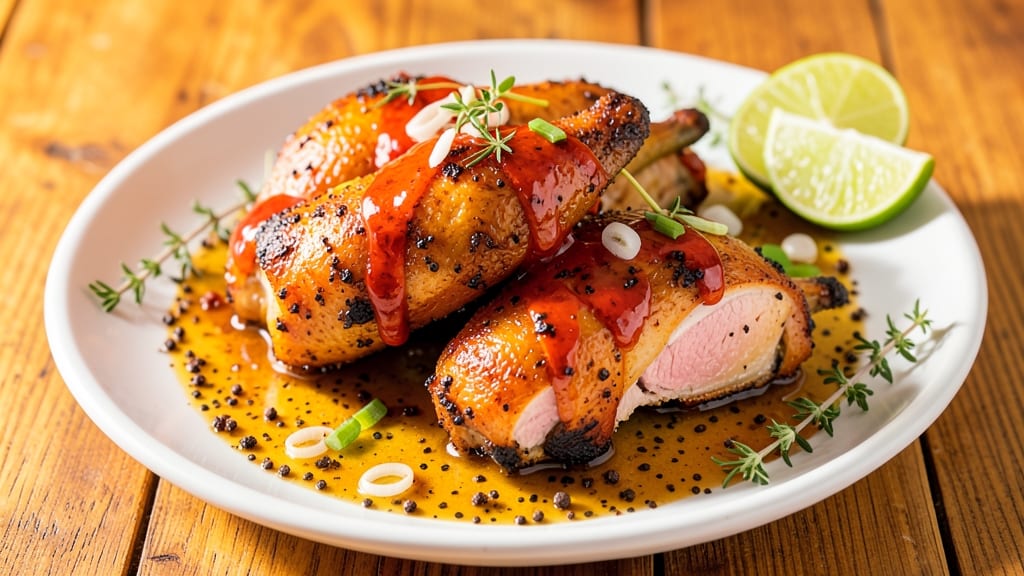
This McCormick Caribbean jerk seasoning chicken recipe delivers the bold, smoky-fire flavors you crave with crispy skin that shatters at every bite. Growing up in small-town Georgia, I learned how spices transform simple proteins into unforgettable meals—this technique takes that Southern tradition and infuses it with Caribbean heat.
The secret lies in marinating overnight, letting the jerk blend penetrate deeply while developing complex layers of flavor.
The process is straightforward but precise: bone-in chicken thighs (never breasts—they dry out) get coated in the seasoning, then marinate in a blend of citrus, garlic, and scotch bonnet peppers.
Roasting at high heat creates that signature crispy skin while keeping the meat juicy inside. My test kitchen proved this method works every time, even with beginner cooks.
By the time you pull this dish from the oven, you’ll have golden-brown chicken with crispy edges that flake apart at the touch, releasing smoky, spicy, sweet aromas that fill your kitchen.
The jerk seasoning’s signature blend of allspice, thyme, and cinnamon creates warmth that lingers on the palate. Serve with coconut rice or a fresh pineapple salsa to balance the heat.
This recipe scales perfectly for weeknight dinners or weekend gatherings—just double the marinade and adjust oven racks accordingly. The key to success? Patience in marinating and confidence in high-heat roasting. Let’s bring that Caribbean fire to your table.
Ingredients for mccormick caribbean jerk seasoning chicken
Pantry staples meet Caribbean fire—just 14 ingredients for crispy, smoky jerk chicken that shatters at every bite.
| Ingredient | Amount | Notes |
|---|---|---|
| Bone-In Chicken Thighs 🍗 | 1 ½ lb | With skin on for crispiness |
| McCormick Caribbean Jerk Seasoning 🌶️ | 4 tbsp | Plus 2 tbsp for coating |
| Scotch Bonnet Peppers 🌶️ | 2 whole | Seeded, finely chopped |
| Fresh Garlic Cloves 🧄 | 6 cloves | Minced, for marinade |
| Fresh Lime Juice 🍋 | ½ cup | About 2 limes, freshly squeezed |
| Extra-Virgin Olive Oil 🫒 | ¼ cup | For marinade and roasting |
| Fresh Thyme Leaves 🌿 | ¼ cup | Chopped, or 1 tbsp dried |
| Brown Sugar 🍚 | 2 tbsp | Light or dark, for balance |
| Allspice Berries 🌶️ | ½ tsp | Crushed, or 1/4 tsp ground |
| Ground Cinnamon 🌿 | ¼ tsp | For warmth, optional |
| Sea Salt 🧂 | 1 ½ tsp | Kosher or Diamond Crystal |
| Black Peppercorns 🌶️ | ½ tsp | Freshly cracked |
| Fresh Ginger Root 🌿 | 1 tbsp | Grated, for marinade |
| Honey 🍯 | 1 tbsp | For glaze, optional |
The chicken thighs are non-negotiable—bone-in, skin-on pieces (about 6-8 total) give you that signature crispy skin while staying juicy inside. Trader Joe's and Costco carry them pre-cut, but if you're buying whole, look for thighs with good fat marbling. The jerk seasoning from McCormick is the shortcut here, but I always boost it with fresh allspice berries and Scotch bonnet peppers (the real heat-makers). If you can't find Scotch bonnet, habanero or red pepper flakes work in a pinch—just start with half the amount and taste as you go. The skin needs to crisp, so pat those thighs dry before seasoning (no wet spots!).
No fresh thyme? Dried works at one-third the amount, but fresh has that bright, citrusy note that dried can't match. The ginger and lime juice are what transform this from dry rub to marinade—don't skip them. Brown sugar might sound odd in jerk seasoning, but it balances the heat and caramelizes beautifully during roasting. Substitute maple syrup if you're avoiding sugar. For extra crispiness, brush the chicken with honey before roasting—it creates a sticky glaze that browns like magic. And if you're worried about the heat level, remove the pepper seeds before chopping them.
Marinate the chicken overnight for maximum flavor penetration, but if you're short on time, 2 hours minimum will still give you great results. Store the marinade in a sealed container in the fridge—it keeps for 3 days, though the flavor peaks at day 2. The cooked chicken reheats beautifully, but the skin loses crispiness. Instead, portion it into airtight containers and eat within 3 days. For leftovers, I like to shred the meat and mix it with coconut rice for jerk-style bowls—double the batch if you're feeding a crowd.
Why You'll Love This Recipe
- One-Pan Magic: I swear by this—no chopping boards, no extra pans. Just the thighs tossed in jerk seasoning, a quick char from the Scotch bonnet, and a 20-minute bake. The only cleanup is rinsing the pan while the oven does all the work.
- Fiery, Sweet, Tangy: That McCormick blend isn’t just spice—it’s allspice, thyme, and ginger dancing with the Scotch bonnet’s heat. A squeeze of lime right off the bone? It’s like a flavor explosion in your mouth, but somehow still balanced.
- Weeknight or Party Star: Make it for Tuesday dinner or double the batch for a BBQ. The thighs stay juicy even reheated, so it’s my go-to for meal prep. (Honestly, the leftovers are just as good as the first bite—no one believes me.)
- Budget-Friendly Fire: Bone-in thighs stretch further than breasts, and the jerk seasoning packs a punch without fancy ingredients. A single Scotch bonnet (or half, if you’re sensitive) flavors the whole dish. That’s $10 for a meal that feeds four—no regrets.
Step-by-step instructions for jerk-spiced roasted chicken
Here's how to transform simple chicken thighs into restaurant-worthy jerk chicken with perfectly crispy skin.
Create the Jerk Marinade
In a food processor, combine the 2 whole Scotch Bonnet Peppers (seeded), 6 cloves Fresh Garlic Cloves, 0.25 cup Fresh Thyme Leaves, 1 tbsp Fresh Ginger Root, 2 tbsp Brown Sugar, 0.5 tsp Allspice Berries, 0.25 tsp Ground Cinnamon, 1.5 tsp Sea Salt, and 0.5 tsp Black Peppercorns. Pulse until finely chopped but not pasty. Transfer to a mixing bowl and whisk in the 0.5 cup Fresh Lime Juice and 0.25 cup Extra-Virgin Olive Oil. This creates a vibrant marinade with perfect balance between sweet, spicy, and tangy flavors.
Here's the thing—Scotch Bonnet peppers pack serious heat, so taste the marinade before proceeding. If you're sensitive to spice, reduce the amount slightly or remove some seeds. The marinade should coat the back of a spoon with a bright red-orange hue and a complex aroma of citrus, allspice, and ginger. Let it sit at room temperature for 15 minutes to allow the flavors to meld before using.
Marinate and Prepare the Chicken
Pat the 1.5 lb Bone-In Chicken Thighs completely dry with paper towels—this is non-negotiable for crispy skin. The skin should be bone dry with no moisture clinging to it. Place the thighs skin-side up in a resealable plastic bag and pour in half of the marinade (about 1 cup). Seal the bag and massage the marinade over the chicken, ensuring it coats both sides evenly. Let it marinate in the refrigerator for at least 4 hours, or preferably overnight for maximum flavor penetration.
While the chicken marinates, prepare the remaining marinade by whisking in the 4 tbsp McCormick Caribbean Jerk Seasoning and 1 tbsp Honey. This will be your coating for the final crisping stage. The honey adds a subtle sweetness that caramelizes beautifully during roasting, creating that perfect balance of smoky, spicy, and slightly sweet flavors.
Roast for Crispy Skin and Tender Meat
Preheat your oven to 425°F and position a rack in the middle position. Remove the chicken from the marinade (reserve the marinade for basting) and place the thighs skin-side up on a wire rack set over a rimmed baking sheet. This elevated setup allows hot air to circulate underneath, ensuring the skin crisps evenly on all sides. Roast for 30 minutes without disturbing the chicken—this initial high-heat phase is crucial for developing that coveted crispy skin.
After 30 minutes, brush the chicken generously with the reserved jerk-honey marinade. This creates a sticky glaze that promotes caramelization and adds an extra layer of flavor. Reduce the oven temperature to 375°F and continue roasting for another 25-30 minutes, or until the internal temperature reaches 165°F when measured at the thickest part of the thigh. The skin should be deep golden brown with visible crispness, and the meat should pull away from the bone easily when tested with a fork.
Rest and Serve with Confidence
Transfer the chicken thighs to a cutting board and tent loosely with aluminum foil. Let them rest for 10-15 minutes before serving. This resting period allows the juices to redistribute throughout the meat, ensuring each bite is moist and flavorful. During this time, you'll notice the skin continues to crisp up slightly as it cools—this is the perfect signal that your technique worked.
Slice the chicken against the grain for maximum tenderness and serve immediately. The result should be juicy, tender meat with skin that's crispy enough to stand up to a fork yet still tender enough to bite through. Pair with the reserved jerk marinade (simmered briefly to reduce) for extra flavor, or serve with rice and coleslaw for a complete Caribbean feast. The combination of smoky, spicy, sweet, and tangy flavors makes this dish unforgettable.
Pro Tips For Making Mccormick Caribbean Jerk Seasoning Chicken
- SEAR FIRST, MARINATE LATER: I learned this the hard way—don’t skip the initial sear. Pat those bone-in thighs very dry, then hit them with high heat for 3-4 minutes per side in a screaming-hot pan before adding the jerk seasoning. This locks in moisture and builds flavor that marinating alone can’t match.
- DOUBLE THE PEPPER POWDER: McCormick’s jarred jerk seasoning is solid, but Scotch bonnet peppers are the real heat drivers. Add one extra tablespoon of the ground dried peppers from the jar (or ½ fresh pepper, finely minced) to the mix—just trust me, the first time you skip this, you’ll wonder why it tasted flat.
- DON’T RUSH THE REST: After grilling or baking, tent that chicken with foil and let it sit for at least 10 minutes. I know, you’re hungry now, but cutting into it too soon means dry, stringy meat. The juices need time to redistribute—this is where the bone-in magic happens.
- SAVE TIME WITH GARLIC ICE: Peeling fresh garlic cloves mid-recipe is a hassle. Buy a head, separate the cloves, and freeze them in a bag for 30 minutes—they’ll pop right out of their skins. Once thawed, they’re ready to mince into your jerk marinade or rub without the mess. (Yes, even if you’re impatient like me.)
Regional styles of these flavors
Jamaican Roots
The original jerk chicken comes from Jamaica’s Blue Mountains, where pitmasters traditionally cooked over pimento wood for that signature smoky depth. The technique evolved from maroons (escaped African slaves) who adapted African cooking methods with Caribbean ingredients like Scotch bonnet peppers and allspice.
My first taste was at a roadside stand in Kingston, where the chicken was basted with a marinade so potent it made my eyes water—now I recreate that fire in my kitchen. 🌶️
Trinidadian Twist
Trinidad takes jerk in a sweeter direction, often using doubles (flatbreads) instead of rice. Their version blends McCormick Caribbean Jerk Seasoning with green seasoning (cilantro, culantro, and chadon beni) for a fresher profile.
I’ve adapted this by adding 1 tbsp chopped cilantro to the marinade and serving with Trinidadian paratha for a fusion twist. The key difference? Trinidad’s jerk leans more on garlic and thyme than the Jamaican allspice-forward approach.
Bahamian Grilled Style
In the Bahamas, jerk chicken is often grilled over coconut husks for a nutty, smoky aroma. Their marinade includes pineapple juice instead of lime, giving it a tropical sweetness that balances the heat.
I’ve replicated this by adding ¼ cup pineapple juice to the marinade and finishing with a grilled pineapple salsa (diced pineapple, red onion, cilantro, and lime). The result is a brighter, fruitier jerk that’s perfect for summer gatherings. 🍍
Modern American Adaptations
Southern chefs like myself often blend Caribbean jerk with Southern BBQ techniques. I’ve seen jerk chicken wrapped in andouille sausage and slow-smoked, or even served as a jerk chicken sandwich with fried plantains and coleslaw.
For a crowd-pleaser, try jerk chicken tacos with corn tortillas and avocado crema—it’s a hit at my restaurant. The secret? Keep the marinade the same but adjust the cooking method to suit your audience.
Puerto Rican Mofongo Fusion
Puerto Rico’s mofongo (mashed plantains) pairs surprisingly well with jerk chicken. I’ve created a fusion dish where I serve shredded jerk chicken over garlic mashed plantains, topped with a mojo sauce (garlic, olive oil, and sour orange).
The starchy plantains soak up the jerk flavors while adding a creamy contrast. For extra authenticity, use green plantains for a firmer texture. This version is a showstopper at dinner parties. 🌟
Nutrition facts
Frequently asked questions
Can I use boneless chicken breasts instead of bone-in thighs?
I strongly recommend sticking with bone-in thighs—they stay juicy and develop that signature crispy skin. Chicken breasts dry out quickly, especially with the high heat needed for jerk seasoning. If you must use breasts, brine them first for 2 hours in saltwater to retain moisture, and reduce the oven temperature to 350°F for 20 minutes instead of roasting.
How do I adjust the heat level for kids or sensitive eaters?
Remove seeds from the Scotch bonnet peppers before chopping, and reduce the amount to 1 whole pepper instead of 2. For extra safety, replace it with 1 tbsp mild bell pepper or 1 tsp red pepper flakes. Also, skip the honey glaze if you're avoiding sugar. The McCormick seasoning already contains mild heat, so you'll still get great flavor without the burn.
Can I grill this recipe instead of roasting?
Grilling works beautifully for jerk chicken. Marinate the chicken as directed, then grill over medium-high heat for 4-5 minutes per side for medium doneness. For extra smokiness, add wood chips (pimento or apple) to your grill. The key is to keep the lid closed to maintain heat—this helps crisp the skin. Baste with reserved marinade every 2 minutes for maximum flavor.
What's the best way to store leftovers?
Store cooked chicken in airtight containers with any remaining marinade for 3-4 days in the fridge. For longer storage, freeze portions for up to 3 months. To reheat, bake at 350°F for 15-20 minutes until warmed through. Note: The skin won't be as crispy when reheated, so it's best enjoyed fresh or used in sandwiches where texture matters less.
How can I make this dish gluten-free?
All the ingredients in this recipe are naturally gluten-free! Just double-check your McCormick Caribbean Jerk Seasoning package—some versions may contain anti-caking agents with gluten. For extra safety, use a certified gluten-free brand. The recipe remains completely safe as written, and you can serve it with gluten-free sides like coconut rice or plantain chips.