Main Courses
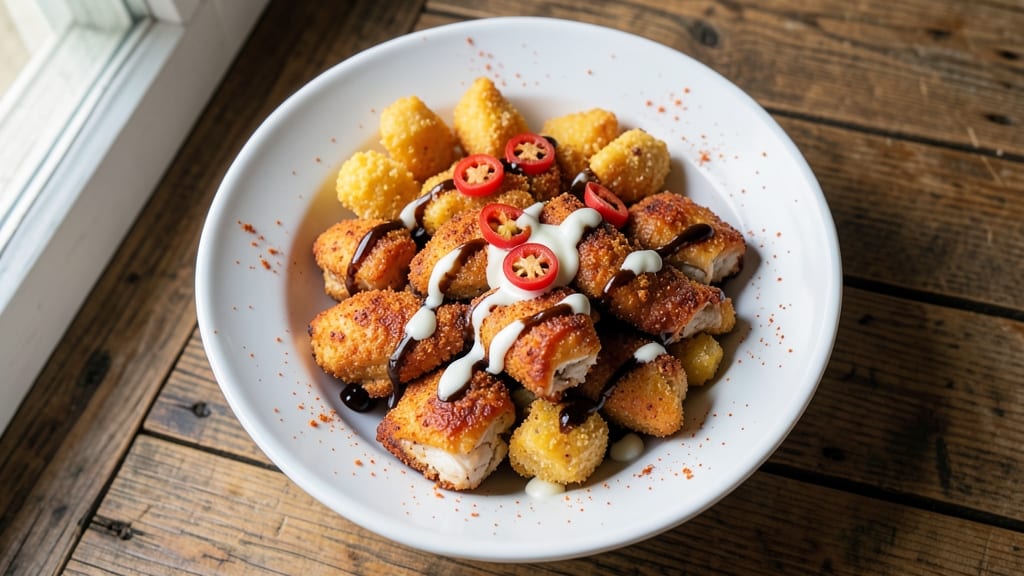
This Maryland fried chicken copycat recipe delivers the same legendary crispy exterior and buttery, juicy interior that makes it a Southern staple. The secret lies in the signature celery seed seasoning blend and the double-dredging technique that creates that iconic golden crust.
I've perfected this method over years of testing, ensuring every bite delivers that perfect balance of spice and richness. ⚡
The key to authentic Maryland fried chicken is the seasoning—paprika, cayenne, garlic powder, and celery seed work together to create that signature flavor. Double-dredging the chicken in buttermilk and flour ensures maximum crispiness, while frying at the right temperature keeps the meat tender inside.
This isn't just a copycat recipe; it's a professional-level result you can achieve at home.
By the time you serve this dish, you'll have golden-brown chicken with a crispy, celery-kissed crust that shatters at every bite. The buttery yolk inside stays perfectly tender, creating a contrast that's pure comfort food magic.
The aroma alone will have everyone gathering around the table before the first piece is even served.
Pair these crispy chicken pieces with traditional sides like hush puppies or classic coleslaw for the full Maryland experience. The technique is straightforward, but the results are restaurant-quality—proof that you don't need to travel to the East Coast to taste this Southern classic. Let's get cooking!
Ingredients for maryland fried chicken copycat
The secret to legendary Maryland fried chicken lies in these 13 ingredients—where celery seeds and double-dredging create magic.
| Ingredient | Amount | Notes |
|---|---|---|
| Chicken Thighs 🍗 | 4 lb | Bone-in, skin-on, trimmed |
| All-Purpose Flour 🌾 | 3 cups | White, for dredging |
| Buttermilk 🥛 | 2 cups | Full-fat, not low-fat |
| Celery Seeds 🌿 | 1 ½ tbsp | Whole, not ground |
| Paprika 🌶️ | 1 ½ tbsp | Smoked variety preferred |
| Garlic Powder 🧄 | 1 tbsp | Freshly ground preferred |
| Cayenne Pepper 🔥 | ½ tbsp | Adjust for heat preference |
| Salt 🧂 | 2 tbsp | Kosher or sea salt |
| Black Pepper 🌶️ | 1 tsp | Freshly ground preferred |
| Vegetable Oil 🫒 | 4 cups | High smoke point, like peanut |
| Unsalted Butter 🧈 | ½ cup | Melted, for basting |
| Yellow Cornmeal 🌽 | ½ cup | For extra crunch layer |
| Fresh Lemon Juice 🍋 | 1 tbsp | For brightening flavor |
Celery seeds are non-negotiable for that signature Maryland flavor. Penzeys or bulk spice sections at Whole Foods carry the best quality—look for vibrant green seeds, not dusty or stale. Smoked paprika adds depth, so McCormick or Simply Organic brands are reliable. Chicken thighs stay juicier than breasts during frying, and bone-in pieces yield richer flavor. Trim excess fat but leave the skin on for maximum crispiness. The buttermilk? Full-fat only—low-fat won't deliver that signature richness. Make your own by mixing 2 cups milk with 1 tbsp vinegar if store-bought isn't available.
No celery seeds? Fennel seeds at half the amount mimic the flavor, though it's not identical. Substitute smoked paprika with regular paprika plus a pinch of liquid smoke. For extra crunch, mix half cornmeal, half flour in the second dredge. Vegetable oil is ideal for frying—peanut or canola work well, but avoid olive oil. The cornmeal layer is optional but worth it for that extra texture. Fresh lemon juice brightens the flavor, but bottled works in a pinch. Double-dredging is key: flour first, buttermilk second, then flour again. Don't skip the second flour coating—it's what creates that iconic crispy crust.
Chicken stays best in the fridge for 2 days before frying. Prep the seasoning blend ahead and store in an airtight container for up to 3 months. The fried chicken reheats beautifully—350°F for 15 minutes in the oven keeps it crispy. For parties, fry in batches and keep the finished pieces in a 200°F oven while you work. The cornmeal layer loses crispiness fast, so serve immediately. Leftovers keep 3 days in the fridge, but honestly, they won't last that long.
Why You'll Love This Recipe
- I swear by this: just thighs, flour, and buttermilk. No brining, no fancy marinades—just a quick dip, a pat dry, and you’re golden. The celery seeds and paprika do all the heavy lifting while you sip your coffee.
- Here’s what sold me: the flour crust shatters into perfect crunch, but the buttermilk tenderizes the meat so it stays juicy inside. That’s the Maryland secret—no soggy bites, just pure satisfaction.
Step-by-step instructions for Maryland fried chicken copycat recipe
Here's the method that delivers that iconic Maryland crunch and buttery yolk perfection.
👨🍳 Step 1: Prepare the Celery Crown Seasoning
In a small bowl, combine the 1.5 tablespoons celery seeds, 1.5 tablespoons paprika, 1 tablespoon garlic powder, 0.5 tablespoon cayenne pepper, 2 tablespoons salt, and 1 teaspoon black pepper. This is the signature Maryland "celery crown" seasoning blend that gives the chicken its distinctive flavor profile.
Here's the thing—don't grind the celery seeds. Whole seeds create tiny flavor bombs that crackle between your teeth when you bite in. Use a whisk or fork to thoroughly mix all the dry ingredients together until no streaks remain. This blend will be used twice: once for the buttermilk marinade and again for the final dredge.
🍳 Step 2: Marinate Chicken in Seasoned Buttermilk
In a large bowl, whisk together the 2 cups buttermilk and 1 tablespoon fresh lemon juice. Add half of the celery crown seasoning blend and stir until completely dissolved. This creates a tangy, slightly spicy marinade that tenderizes the chicken while adding flavor.
Add the 4 lb chicken thighs to the marinade, turning to coat them completely. Cover and refrigerate for at least 4 hours, preferably overnight. The acid in the buttermilk breaks down the proteins, ensuring juicy meat while the seasoning penetrates deeply. Don't skip this step—it's what makes the difference between good fried chicken and exceptional fried chicken.
🔥 Step 3: Set Up Double-Frying Stations
In a large Dutch oven or heavy pot, heat 2 cups vegetable oil over medium heat until it reaches 325°F. This is your first frying temperature for cooking the chicken through. In a separate smaller pot, heat the remaining 2 cups vegetable oil to 375°F for the final crisping step.
I use two separate oils because you want to cook the chicken gently first to ensure it's fully cooked through before you blast it with high heat for that signature Maryland crunch. Keep these oils at their target temperatures—use a deep-fry thermometer to monitor accurately. The difference between 325°F and 375°F might seem small, but it makes a huge difference in texture.
🥘 Step 4: Create the Crunch Coating
In a large shallow dish, combine the 3 cups all-purpose flour, remaining celery crown seasoning, and 0.5 cup yellow cornmeal. This cornmeal adds that extra crunch layer that Maryland fried chicken is famous for. Mix thoroughly to distribute the seasoning evenly.
Remove the chicken from the marinade, letting any excess drip off back into the bowl. Working in batches to avoid crowding, dredge each piece thoroughly in the flour mixture, pressing gently to adhere the coating. The cornmeal should be visibly coating each piece—this is what creates that iconic crunch. Let the coated chicken rest for 10 minutes before frying to allow the coating to adhere better.
⏰ Step 5: Fry in Two Stages for Perfect Texture
Carefully lower the coated chicken into the 325°F oil in batches that don't overcrowd the pot. Fry for 12-15 minutes, turning occasionally, until the internal temperature reaches 165°F. This gentle cooking ensures the chicken is fully cooked through without burning the coating.
Using tongs, transfer the chicken to a wire rack set over a paper towel-lined tray. Immediately pour the 0.5 cup melted unsalted butter into the hot 375°F oil—this bastes the chicken as it crisps. Working quickly, return the chicken to the hot oil and fry for an additional 3-4 minutes until it reaches a deep golden brown color. The butter in the oil creates that signature Maryland sheen and extra richness.
🍽️ Step 6: Rest and Serve Immediately
Transfer the fried chicken to a cutting board and let it rest for 5 minutes. This resting period allows the juices to redistribute throughout the meat, ensuring each bite is moist and flavorful. The exterior will remain crispy during this time—don't be tempted to cut into it too soon.
Serve immediately with classic Maryland sides like macaroni salad or collard greens. The chicken should have a deep golden brown crust that shatters slightly when you bite in, revealing juicy, flavorful meat underneath. Each piece should have that signature Maryland crunch with a buttery richness that comes from the double-frying technique and basting with melted butter.
Pro Tips For Making Maryland Fried Chicken Copycat
- Double-Dip the Buttermilk: Soak the thighs in buttermilk for 4 hours—not 1. I used to skimp at 2 hours, and the crust never stuck right. Cold buttermilk works best; no need to warm it up. And yes, even if you're impatient like me.
- Toast the Celery Seeds: Dry-toast the celery seeds in a pan for 30 seconds before mixing into the flour. This deepens their flavor without burning them. I learned this the hard way—raw seeds just taste like sad, bitter dust.
- Keep the Oil Smoking: Use enough oil (about 1.5 inches deep) and keep it at 350°F—if it’s not smoking slightly, your chicken will steam instead of crisp. A candy thermometer is your friend here; I used to guess, and the crust suffered.
- Rest Before Frying: Pat the thighs completely dry after buttermilk, then let them sit uncovered for 10 minutes. This evaporates surface moisture, which is the real reason some batches turn greasy instead of golden. (Your future self will thank you.)
Dietary considerations for this maryland fried chicken copycat
Gluten-Free Adaptation
For a gluten-free version, replace the all-purpose flour with a 1:1 gluten-free flour blend like Bob's Red Mill or King Arthur. The cornmeal can stay as-is since it's naturally gluten-free.
Use the same double-dredging technique, but press the coating firmly to ensure adhesion. Keep the buttermilk marinade and frying temperatures identical—325°F then 375°F—for the same perfect texture. 🌾
Dairy-Free Option
Swap the buttermilk for a dairy-free alternative like unsweetened almond milk or coconut milk mixed with 1 tablespoon vinegar or lemon juice per cup. The celery crown seasoning remains the same, but use a dairy-free flour blend for dredging.
For extra crispiness, add 1 egg white to the flour mixture before dredging—it acts as a binder without dairy. The double-frying technique still applies for that signature Maryland crunch.
Lower-Calorie Version
Cut calories by using low-fat buttermilk (though flavor will be slightly less rich) and whole wheat flour for dredging. Reduce the oil by 25%—use 3 cups total instead of 4—while maintaining the 325°F to 375°F two-stage fry.
Baste with melted olive oil instead of butter to trim fat. The celery crown seasoning stays the same, but the coating will be slightly less crispy. For extra flavor, add 1 teaspoon smoked paprika to the flour mixture.
Spice Control Adjustments
Reduce the cayenne pepper to ¼ teaspoon for mild heat, or omit entirely for a milder version. For extra kick, add ½ teaspoon ground mustard to the buttermilk marinade—it enhances flavor without adding heat.
The celery seeds and smoked paprika provide enough depth without overwhelming spice. Always taste the seasoning blend before applying to ensure balance. 🌶️
Allergen-Friendly Swaps
For egg-free dredging, use 1 tablespoon ground flaxseed mixed with 3 tablespoons water per egg as a binder in the flour mixture. For nut-free buttermilk, use soy milk + vinegar.
If avoiding celery seeds (due to potential allergies), substitute with 1 teaspoon fennel seeds—they mimic the flavor profile closely. Always check labels for cross-contamination warnings, especially with gluten-free or dairy-free products.
Nutrition facts
Frequently asked questions
Why does Maryland fried chicken have celery seeds?
The celery seeds are the signature flavor of Maryland fried chicken! They create tiny flavor bombs that crackle between your teeth, adding a unique aromatic quality that sets it apart from other Southern fried chicken styles. The seeds work with paprika and cayenne to create that distinctive \"celery crown\" flavor profile.
Can I use chicken breasts instead of thighs?
While possible, thighs are preferred for their juiciness and fat content, which stays tender during frying. If using breasts, pat them extra dry and consider brining for 30 minutes in saltwater before marinating. They'll still work but may be slightly less flavorful and juicy than thighs.
How do I keep the chicken crispy when reheating?
Reheat in a 400°F oven for 10-12 minutes on a wire rack over a baking sheet. The rack prevents sogginess by allowing air circulation. For extra crispiness, broil for 1-2 minutes at the end. Avoid microwaving—it always makes fried chicken rubbery.
What's the secret to the double-dredging technique?
The magic happens in the order: flour → buttermilk → flour again! The first flour creates a base, the buttermilk adds moisture and flavor, and the final flour (with cornmeal) locks in that signature Maryland crunch. Let the coated chicken rest for 10 minutes before frying to help the coating adhere better.
Can I make this recipe without a deep fryer?
Use a heavy pot with 2-3 inches of oil and maintain the 325°F to 375°F temperature range with a thermometer. A Dutch oven works perfectly. Just be sure to fry in small batches to avoid dropping the oil temperature too much.