
Soups & Stews
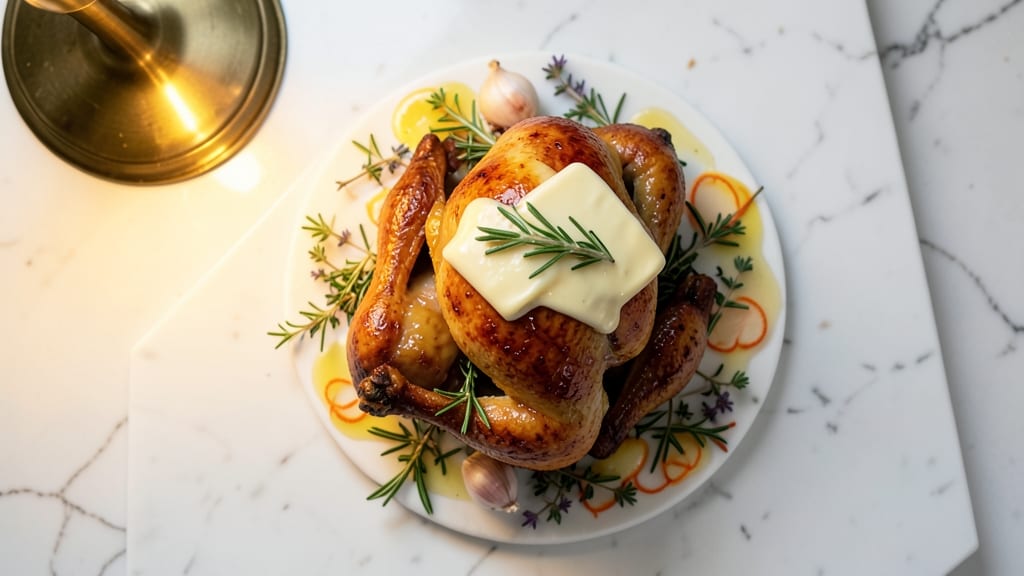
Martha Stewart's roast chicken recipe delivers that perfect balance of golden crisp skin and impossibly juicy meat—something I spent years perfecting after burning through countless Sunday roasts as a new cook.
The secret lies in her precise method of butter basting and careful temperature control, techniques that transform a simple whole chicken into a showstopping centerpiece. I still remember the first time I got it right after weeks of trial and error with my grandmother's recipe.
What makes this recipe truly special is the attention to detail at every step—from the herb-stuffed cavity to the exact timing of basting. Martha's method ensures the skin crisps beautifully while keeping the meat tender and flavorful throughout.
It's not just about following steps; it's about understanding how heat and moisture work together to create that ideal roast chicken every time.
By the time your chicken emerges from the oven, you'll have a bird with skin so crisp it shatters at the touch and meat so juicy it practically falls off the bone.
The aroma alone will have everyone gathering at the table, and the presentation—golden, glossy, and perfectly browned—will make you feel like a professional chef. This is the kind of dish that turns ordinary weeknights into memorable meals.
The best part? This recipe scales beautifully whether you're feeding a family of four or hosting a dinner party. Once you master Martha's technique, you'll never go back to store-bought or mediocre roast chicken again. Let's get started on creating your perfect bird.
Ingredients for martha stewart roast chicken
This legendary roast chicken needs just nine ingredients—plus your patience for golden perfection.
| Ingredient | Amount | Notes |
|---|---|---|
| Whole Chicken 🍗 | 4 lb | Fresh, preferably free-range |
| Unsalted Butter 🧈 | ½ cup | Cold, cubed for basting |
| Fresh Rosemary 🌿 | 1 tbsp | Chopped, plus sprigs for cavity |
| Fresh Thyme 🌿 | 1 tbsp | Leaves only, chopped |
| Garlic Cloves 🧄 | 4 cloves | Smashed, for cavity |
| Lemon Juice 🍋 | 2 tbsp | Freshly squeezed |
| Kosher Salt 🧂 | 1 ½ tbsp | Plus extra for seasoning |
| Black Peppercorns 🌶️ | 1 tsp | Freshly cracked |
| Olive Oil 🫒 | 2 tbsp | For oiling the chicken |
The chicken is non-negotiable—free-range or organic makes all the difference. Grab one from the butcher section (they'll often cut it to size) or look for Whole Foods' organic pastured if you're splurging. A 4-pound bird is ideal for four people—any smaller and you won't have enough leftovers (trust me, you'll want them). Pat it dry before seasoning—wet skin won't crisp. I always ask the butcher to leave the giblets in the cavity for extra flavor, but if they're removed, stuff it with the herbs anyway. The butter? Use European-style if you can find it—it has higher fat content that won't burn during basting.
No fresh rosemary? Dried works at half the amount, but fresh gives that piney aroma Martha swears by. Short on thyme? Substitute sage—it's in the same mint family. The garlic can be minced if you're feeling fancy, but smashed cloves in the cavity release flavor slowly during roasting (that's the magic). Lemon juice adds brightness—use freshly squeezed or you'll taste the difference. For salt, Diamond Crystal kosher dissolves perfectly, but Morton's works too. The peppercorns? Freshly cracked makes a huge difference—if you don't have a grinder, crush them with the flat side of your knife. Olive oil should be light or extra-virgin—don't use flavored oils here.
This chicken reheats beautifully—450°F for 20 minutes brings it back to life. Store leftovers in the fridge for 3-4 days or freeze portions for up to 3 months. I always save the carcass for stock (simmer with veggies and herbs for 4-6 hours), but if you're in a hurry, make broth in 30 minutes by boiling it with water and a splash of vinegar. The herbs? Fresh ones keep 5 days wrapped in damp paper towels in the fridge—dried herbs lose potency fast once opened, so buy small amounts often.
Why You'll Love This Recipe
- Foolproof Timing: I swear by this method—just pat the chicken dry, stuff it with butter, herbs, and garlic, then let the oven do the work. No basting, no stress, no guessing when it’s done.
- Herb-Infused Magic: That rosemary-thyme butter melting into the skin? It’s like a flavor upgrade without extra effort. The garlic cloves tucked under the skin? Pure, savory perfection.
- Leftovers That Shine: This roast gives you crispy skin for sandwiches, tender meat for salads, and enough stock for soup. I make it Sunday night so I’m set for lunches all week.
- Budget-Friendly Feast: A whole chicken costs less than takeout for two, and this recipe stretches it for four meals. Honestly, it’s the kind of dish that makes grocery day feel like a win.
Step-by-step instructions for Martha Stewart's roast chicken
Here's how to achieve that legendary golden skin and juicy center—every time.
Prepare the Chicken for Maximum Flavor
Remove the whole chicken from the refrigerator and let it sit at room temperature for 30 minutes. This ensures even cooking. Pat the chicken completely dry inside and out with paper towels—moisture is the enemy of crispy skin. I mean really dry it; any remaining moisture will steam the skin instead of crisping it.
Next, season the chicken generously with 1.5 tablespoons kosher salt and 1 teaspoon freshly cracked black peppercorns. Rub the salt and pepper all over the chicken, including inside the cavity. This step is crucial—it builds flavor from the inside out. For the cavity, add 1 tablespoon chopped fresh rosemary, 1 tablespoon chopped fresh thyme, 4 smashed garlic cloves, and 2 tablespoons freshly squeezed lemon juice. The acidity from the lemon juice brightens the flavors and helps tenderize the meat slightly.
Create the Herb Butter Basting Mixture
In a small bowl, combine the 0.5 cup cold unsalted butter with 1 tablespoon chopped fresh rosemary and 1 tablespoon chopped fresh thyme. Mix until the herbs are evenly distributed throughout the butter. This herb butter will bast the chicken as it roasts, infusing it with rich flavor and creating that signature golden-brown crust.
Here's the thing—don't soften the butter. Cold butter melts gradually during roasting, basting the chicken perfectly without making it greasy. If you're nervous about the butter melting too quickly, you can chill the bowl for 10 minutes before using it. This ensures the basting happens at the right pace for maximum crispiness.
Roast to Golden Perfection
Preheat your oven to 425°F. Place the chicken breast-side up on a wire rack set inside a rimmed baking sheet. The rack allows hot air to circulate underneath, ensuring crispy skin all around. Rub the chicken all over with 2 tablespoons olive oil—this helps the skin brown beautifully and prevents sticking.
Roast the chicken for 1 hour to 1 hour 15 minutes, depending on the size of your bird. The key is to roast it at high heat initially to get that golden-brown skin. After 45 minutes, spoon the herb butter mixture over the chicken, basting it generously. The butter should sizzle slightly—that's your signal it's working. Rotate the chicken halfway through cooking so it browns evenly.
Check for Doneness and Rest
The chicken is done when an instant-read thermometer inserted into the thickest part of the thigh (not touching bone) reads 165°F. You'll also see the skin is deep golden brown and crispy, and the juices run clear when you pierce the thigh. Don't rely solely on time—every oven is different, and you want that juicy center.
Here's where patience pays off: transfer the chicken to a cutting board and tent it loosely with aluminum foil. Let it rest for 15 to 20 minutes before carving. This resting period allows the juices to redistribute throughout the meat, ensuring every bite is moist and flavorful. If you skip this step, you'll end up with dry meat—trust me, I've made that mistake.
Carve and Serve with Confidence
Once rested, carve the chicken into serving pieces. The skin should be crispy and golden, and the meat should be juicy and tender. Serve immediately with any pan juices drizzled over the top—these are packed with flavor. The combination of crispy skin, juicy meat, and aromatic herb butter makes this chicken truly special.
You've just made Martha Stewart's legendary roast chicken. The secret isn't complicated—it's all about proper preparation, high heat for crispy skin, and letting the chicken rest. Now, dig in and enjoy every juicy, flavorful bite!
Pro Tips For Making Martha Stewart Roast Chicken
- Preheat Like It’s 1985: Martha’s recipe relies on that crisp, golden crust, and you won’t get it if your oven’s lukewarm. Fire it up to 425°F for at least 15 minutes—yes, even if you’re using a heavy Dutch oven. I learned this the hard way when my first batch came out soggy because I rushed it.
- Butter the Chicken Inside: Don’t just slather butter on the outside—use half the stick to coat the cavity too. Slide your fingers between the skin and meat on the breast side, then rub that butter in. It keeps the meat juicy and adds depth to every bite. (Yes, it’s messy, but worth it.)
- Don’t Crowd the Garlic: Stuffing too many garlic cloves under the skin? Stop. Three or four whole cloves max—any more and they’ll burn before the chicken cooks through. Smash a few lightly with the flat of your knife first so they release flavor without turning bitter.
- Rest It Properly: The moment the chicken hits 165°F, transfer it to a cutting board and tent loosely with foil. Let it sit for 10 minutes—no peeking, no rushing. I used to skip this and ended up with dry slices every time. (Your knife will thank you too.)
Creative variations of this recipe
Herb-Infused Brine
For an extra juicy chicken, try Martha's secret herb-infused brine—simmer 1 cup water, ½ cup apple cider vinegar, 2 tbsp kosher salt, 1 tbsp brown sugar, 1 sprig rosemary, and 1 sprig thyme for 10 minutes.
Let cool, then submerge the chicken (cavity-side up) for 2-4 hours in the fridge. The acid tenderizes while the herbs seep into every fiber. I swear by this for holiday birds—it's foolproof. 💫
Spicy Cajun Twist
Transform this classic into a Cajun-inspired showstopper by adding 1 tbsp Cajun seasoning (like Tony Chachere's) to the herb butter mixture. For extra heat, stuff the cavity with ½ tsp cayenne pepper and 1 sliced jalapeño.
Serve with a side of creamy corn maque choux for a Louisiana-inspired Sunday dinner. The smoky paprika in Cajun seasoning gives the skin incredible depth.
Lemon-Garlic Butter Basting
Swap the rosemary-thyme butter for a bright lemon-garlic version—mix ½ cup cold butter with 3 minced garlic cloves, 1 tbsp lemon zest, and 1 tbsp lemon juice. The citrus cuts through the richness while keeping the skin crisp.
I love this variation for spring dinners—it feels lighter but still decadent. Garnish with fresh parsley before serving for a pop of color. 🍋
Slow-Cooked Sunday Roast
For a tender, fall-apart version, roast at 325°F instead of 425°F for 3-4 hours, basting every 45 minutes with herb butter. The low-and-slow method breaks down collagen for melt-in-your-mouth texture.
Perfect for large families or holiday gatherings—just increase chicken size to 6-8 lbs. The skin won't be as crispy, but the flavor is next-level. 🌟
Global Flavor Fusion
Inspired by my travels, I've adapted this recipe with global twists:
- Moroccan: Add 1 tsp ground cumin and ½ tsp cinnamon to the cavity. Serve with couscous.
- Italian: Stuff the cavity with lemon slices and fresh oregano. Drizzle with olive oil before roasting.
- Indian: Marinate the chicken in ½ cup yogurt with 1 tsp garam masala for 2 hours before roasting. The yogurt keeps the meat ultra-juicy.
Nutrition facts
Frequently asked questions
Why does Martha's recipe use cold butter for basting?
Cold butter melts gradually during roasting, creating a perfect basting sauce without making the skin greasy. It also helps achieve that signature golden crust by allowing the skin to crisp properly rather than steaming. If you're nervous about it melting too quickly, chill the butter mixture for 10 minutes before using it.
Can I roast this chicken at a lower temperature for a longer time?
Yes! For a more tender, fall-apart texture, roast at 325°F for 3-4 hours instead of 425°F. Just baste with herb butter every 45 minutes and increase the chicken size to 6-8 lbs for large gatherings. The skin won't be as crispy, but the flavor will be incredibly rich and juicy.
What if my chicken skin isn't crispy after roasting?
This usually happens if the skin wasn't dry enough or the oven temperature wasn't high enough. Pat the chicken completely dry before seasoning, and make sure your oven reaches 425°F (use an oven thermometer if needed). For extra crispiness, broil the chicken for 2-3 minutes at the end, watching closely to avoid burning.
How do I know when the chicken is fully cooked?
Use an instant-read thermometer to check the thickest part of the thigh—it should read 165°F. The juices should also run clear when you pierce the meat. Never rely on time alone, as ovens vary. If the skin is golden brown and crispy but the thermometer reads lower, return it to the oven for 10-15 minutes more.
Can I make this recipe ahead of time?
Roast the chicken a day ahead and refrigerate it uncovered to let the skin dry out slightly. Reheat at 350°F for 20-25 minutes before serving. The flavors will actually deepen overnight, and reheating helps restore some of the crispiness. Store leftovers in the fridge for 3-4 days or freeze for up to 3 months.