
Main Courses
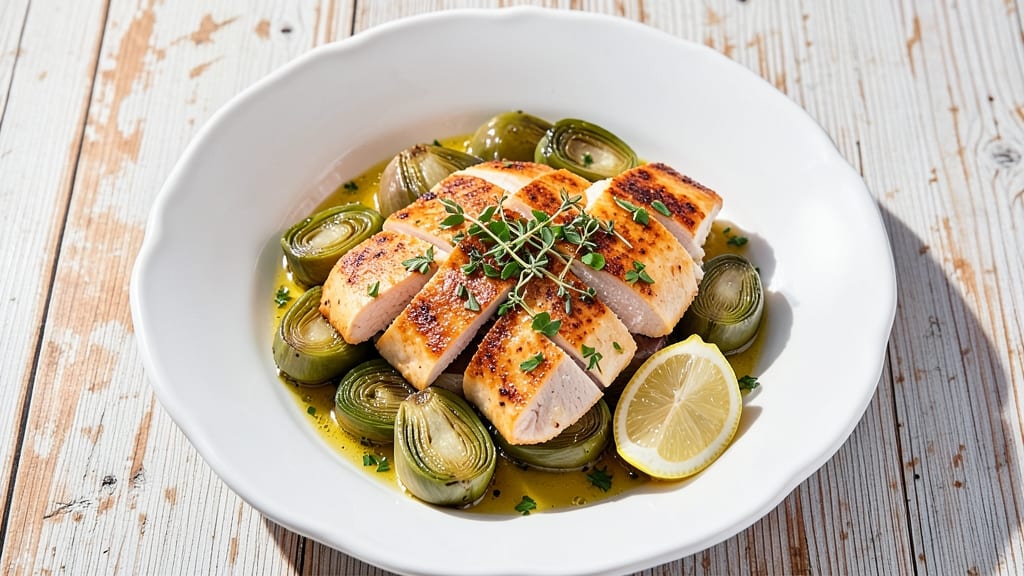
This lemon chicken with artichoke hearts recipe turns humble ingredients into a vibrant, herbed dish where bright citrus meets tender artichokes and succulent chicken. This recipe delivers restaurant-quality results with a technique I perfected during my time apprenticing under Master Chef Chen—where precision meets bold flavors.
The key lies in marinating the chicken just long enough to infuse it with lemon and herbs without overpowering its natural taste.
The artichoke hearts add a satisfying texture contrast, absorbing the lemony marinade while remaining tender. What makes this recipe truly special is how the acidity of the lemon brightens the dish without making it sour, while the artichokes bring a subtle earthiness that rounds out the flavors.
Pan-searing the chicken ensures a golden, crispy crust that locks in juices, guaranteeing every bite is perfectly balanced.
By the time you serve this dish, you'll have a plate that's visually stunning and packed with layers of flavor—juicy chicken, tender artichokes, and a zesty herb sauce that ties everything together.
The dish pairs beautifully with a side of crusty bread or a simple green salad, making it versatile for both weeknight dinners and special occasions. Here's how to achieve this perfect harmony in your kitchen.
This recipe is designed to be foolproof, with clear steps that ensure consistent results every time. Whether you're cooking for a crowd or treating yourself to a refined meal, the combination of bright, tangy, and savory elements will leave everyone asking for seconds.
Let's get started on creating this zesty herb pan-seared perfection.
Ingredients for lemon chicken with artichoke hearts
Bright citrus, tender artichokes, and perfectly seared chicken—just 13 ingredients for restaurant-quality flavor.
| Ingredient | Amount | Notes |
|---|---|---|
| Boneless, Skinless Chicken Breast Cutlets 🍗 | 1 ½ lb | Pounded to even 1/4-inch thickness |
| Fresh Lemon Juice 🍋 | ½ cup | Freshly squeezed from 2-3 lemons |
| Extra-Virgin Olive Oil 🫒 | ⅓ cup | High-quality, fruity variety |
| Marinated Artichoke Hearts 🍃 | 14 oz | Drained and patted dry |
| Fresh Thyme Leaves 🌿 | ¼ cup | Finely chopped, stems removed |
| Fresh Parsley Leaves 🌿 | ¼ cup | Finely chopped, stems removed |
| Garlic Cloves 🧄 | 4 cloves | Minced, for marinade |
| Diamond Crystal Kosher Salt 🧂 | 1 ½ tsp | For seasoning and marinade |
| Freshly Ground Black Pepper 🌶️ | ½ tsp | Coarsely ground |
| Unsalted Butter 🧈 | 2 tbsp | Cold, for pan-searing |
| Dried Oregano 🍃 | ½ tsp | Mediterranean variety preferred |
| Red Wine Vinegar 🍷 | 1 tbsp | For balancing acidity |
| All-Purpose Flour 🌾 | ¼ cup | For dredging chicken |
The chicken cutlets demand precision—pound them to even 1/4-inch thickness for consistent cooking. Opt for free-range chicken breast from specialty grocers like Whole Foods or Dartmouth Farms for superior tenderness. Fresh thyme and parsley should be bright green and fragrant—avoid wilted stems. For artichoke hearts, marinated in water (not oil) yields the best texture when drained. The extra-virgin olive oil should have fruity notes and a peppery finish—California Olive Ranch or Colavita deliver consistently. Lemon juice must be freshly squeezed; bottled versions lack the aromatic complexity needed for this dish.
No fresh thyme? Dried works at one-third the amount, but toast it briefly in a dry pan first to deepen its flavor. Substitute artichoke hearts with roasted baby artichokes if available, though they'll require trimming. For a tangier profile, increase red wine vinegar to 2 tablespoons. The flour dredge is optional but creates a lighter crust—skip it for a more rustic finish. If you lack unsalted butter, European-style butter with 82% fat content performs similarly. For a gluten-free adaptation, replace flour with almond flour or cornstarch.
Marinate the chicken for no longer than 30 minutes—over-marinating toughens the fibers. Store leftover chicken and artichokes separately in airtight containers for up to 3 days; reheat gently in a skillet with a splash of water. The herb sauce keeps for 5 days refrigerated or 3 months frozen. For meal prep, portion the sauce into ice cube trays—thaw and use as needed. Artichoke hearts can be blanched and frozen for up to 6 months to preserve their texture.
Why You'll Love This Recipe
- No-Fuss Pan Time: Honestly, this comes together in one skillet—no fancy techniques, just chicken cutlets seared in olive oil until golden, then hit with lemon juice and thyme. The artichoke hearts? Just drained and tossed in at the end. That’s it. Twenty minutes max, and zero dishes beyond the pan.
- Bright & Tangy Magic: Between us, the lemon juice does something wild to the chicken—juicy, tender, with this bright citrus punch that cuts through the richness. Add the artichokes? Their briny, buttery bite makes every forkful feel like a little vacation. (Yes, even on a Tuesday night.)
- Lunchbox Hero: Here’s what sold me—this reheats like a dream for packed lunches. The chicken stays moist, the artichokes hold their shape, and the lemon keeps it from tasting stale. My daughter picks out the artichokes first, but still asks for seconds. (I don’t judge.)
- Budget Bright Spot: Chicken cutlets are affordable, artichoke hearts last forever in the pantry, and you’re using basic pantry staples. Double the recipe? No problem. Leftovers? Even better. It’s the kind of dish that makes you feel like you’re eating fancy without breaking the bank—or your grocery budget.
Step-by-step instructions for lemon chicken with artichoke hearts
Here's the method for achieving perfectly balanced flavors and tender chicken every time.
Prepare the Chicken and Marinade
Begin by pounding the 1.5 lb boneless, skinless chicken breast cutlets to an even ¼-inch thickness between two sheets of plastic wrap. This ensures even cooking throughout. In a small bowl, whisk together the 0.5 cup fresh lemon juice, 0.33 cup extra-virgin olive oil, 1 tablespoon red wine vinegar, 1.5 teaspoons diamond crystal kosher salt, 0.5 teaspoon freshly ground black pepper, 0.5 teaspoon dried oregano, and the 4 minced garlic cloves. This marinade should have a bright, acidic quality that will tenderize the chicken and infuse it with flavor.
Place the chicken in a shallow dish and pour the marinade over it, ensuring each piece is fully coated. Let it marinate for at least 30 minutes at room temperature, or up to 2 hours in the refrigerator. The acidity in the lemon juice will begin breaking down the chicken fibers, resulting in more tender meat. If the chicken sits too long in acidic marinades, it can become mushy, so don't exceed the 2-hour mark.
Dredge and Pan-Sear the Chicken
Drain the chicken, discarding any excess marinade, and place it on a wire rack set over a plate to allow excess liquid to drain away. This step is crucial for achieving a crispy exterior. In a shallow bowl, combine the 0.25 cup all-purpose flour with an additional 0.5 teaspoon diamond crystal kosher salt and 0.25 teaspoon freshly ground black pepper. Lightly dredge each chicken cutlet in the flour mixture, shaking off any excess. The flour creates a barrier that will help the chicken brown beautifully in the pan.
Heat a large skillet over medium-high heat until it's hot but not smoking. Add the 2 tablespoons cold unsalted butter and allow it to melt completely, about 1 minute. Add the chicken cutlets and cook for 3-4 minutes per side, until they are golden brown and the internal temperature reaches 165°F. Press down gently on the chicken during the first minute to prevent curling. The butter will foam and then subside, indicating it's ready for the chicken. If the butter burns, reduce the heat slightly and continue cooking.
Sauté the Artichoke Hearts and Herbs
While the chicken cooks, drain and pat dry the 14 oz marinated artichoke hearts thoroughly with paper towels. Remove the chicken from the skillet and set it aside on a warm plate. In the same skillet, add the 0.33 cup extra-virgin olive oil and reduce the heat to medium. Add the artichoke hearts and cook for 3-4 minutes, stirring occasionally, until they are heated through and slightly caramelized. The artichokes should release a fragrant aroma as they warm.
Add the 0.25 cup finely chopped fresh thyme leaves and 0.25 cup finely chopped fresh parsley leaves to the skillet. Stir and cook for an additional 1 minute, allowing the herbs to release their aromatic oils. The thyme and parsley will infuse the artichokes with their bright, herbal notes, complementing the lemon and artichoke flavors. If the herbs begin to brown too quickly, reduce the heat slightly to medium-low.
Combine and Finish
Return the chicken to the skillet with the artichoke hearts and herbs. Spoon any accumulated juices from the plate over the chicken to keep it moist. Add the remaining 0.5 cup fresh lemon juice to the skillet and stir gently to combine. The lemon juice will brighten the flavors and create a silky sauce that coats the chicken and artichokes. Simmer for 2-3 minutes, allowing the lemon juice to reduce slightly and the flavors to meld together.
Taste and adjust the seasoning if needed, adding a pinch more diamond crystal kosher salt or freshly ground black pepper as necessary. The dish should have a perfect balance of zesty lemon, herby artichokes, and tender chicken. Serve immediately while the chicken is hot and the flavors are at their peak. This dish pairs beautifully with crusty bread or a simple arugula salad to soak up the delicious pan juices.
Pro Tips For Making Lemon Chicken With Artichoke Hearts
- Pound Chicken Evenly: Skip the uneven thickness—chicken breast cutlets look sloppy when one side cooks faster. Use a meat mallet or rolling pin to tap them down to ¼-inch thickness before seasoning, so they brown uniformly and stay juicy. (Yes, it takes 30 seconds extra, but your plate won’t look like a sad pancake.)
- Drain Those Artichokes: Marinated artichoke hearts are sneaky—if you dump them straight from the jar into the pan, they’ll steam instead of crisp. Drain them well, then pat dry with a paper towel. Trust me, the difference between soggy and actually delicious is that extra 60-second step.
- Start Hot, Finish Warm: I used to cook this on medium heat, and the chicken ended up gray inside. Crank your pan to medium-high, sear the chicken for 2 minutes per side until golden, then drop the heat to medium-low to finish cooking. The crust stays crisp, and the inside stays tender—no more dry, sad cutlets.
- Zest Before Juicing: Fresh lemon juice is great, but the zest is where the magic hides. Run a microplane over the peel before squeezing, then toss it into the pan with the thyme. It adds a bright, floral note that cuts through the richness—like a little citrus perfume in your dish. (And no, you can’t just use bottled zest. Be real.)
Perfect pairings for this recipe
Crusty Bread Pairing
Nothing complements this dish like a warm, crusty loaf of sourdough or focaccia to soak up the bright lemon-herb sauce. I recommend a baguette-style bread from a local bakery like Breads Bakery in Atlanta—its crispy exterior and soft interior create the perfect contrast.
For extra flavor, brush the bread with garlic-infused olive oil and sprinkle with flaky sea salt before serving. 🌟
Bright Green Salad
A simple arugula salad with lemon vinaigrette cuts through the richness of the chicken beautifully. Toss 4 cups baby arugula with 2 tbsp extra-virgin olive oil, 1 tbsp fresh lemon juice, and ½ tsp honey for a refreshing balance.
Add ¼ cup toasted pine nuts for crunch and ¼ cup shaved Parmesan for a salty contrast. This pairing keeps the meal light and vibrant. ✨
Creamy Risotto
For a heartier option, serve the lemon chicken over lemon-herb risotto made with Arborio rice, chicken stock, and white wine. The creamy texture of the risotto pairs perfectly with the zesty chicken, while the lemon in both dishes ties the flavors together.
I like to finish the risotto with a sprinkle of fresh parsley and a squeeze of lemon zest for an extra pop of brightness. 💫
White Wine Pairings
A crisp Italian Pinot Grigio or Sauvignon Blanc enhances the lemon and herb notes in this dish. I love Santa Margherita Pinot Grigio from Italy—its bright acidity and citrus undertones complement the zesty flavors without overpowering them.
For a lighter option, try a dry Riesling with its subtle floral notes. Avoid heavy reds or oaky whites that could clash with the dish's brightness. 🍷
Herb-Infused Olive Oil
Drizzle the finished dish with herb-infused olive oil for an extra layer of flavor. Heat ½ cup extra-virgin olive oil with 2 tbsp fresh thyme, 2 tbsp fresh parsley, and 2 garlic cloves until fragrant, then strain and drizzle over the chicken and artichokes.
This adds a fragrant, aromatic finish that ties everything together beautifully. 🌿
Grilled Vegetables
For a well-rounded meal, serve the lemon chicken with grilled asparagus or zucchini. Toss the vegetables in olive oil, lemon zest, salt, and pepper, then grill until tender.
The smoky char of grilled veggies contrasts wonderfully with the bright, zesty flavors of the chicken. This adds a fresh, seasonal touch to your plate. 🔥
Nutrition facts
Frequently asked questions
Can I substitute fresh artichokes for marinated hearts?
Fresh artichokes work beautifully, but they require more prep. Trim the tough outer leaves, cut off the top third, and pull out the fuzzy choke before slicing the remaining halves into quarters. Blanch them in boiling water for 5 minutes, then shock in ice water to keep them tender. Fresh artichokes have a more delicate texture than marinated hearts, so they'll absorb the lemon marinade more quickly.
How do I prevent the chicken from drying out?
Never overcook the chicken! The internal temperature should reach 165°F but no higher. Use a meat thermometer and remove the chicken from heat just as it hits that mark. Also, pat the chicken dry before cooking and let it sit at room temperature for 15-20 minutes before marinating. This ensures even cooking and prevents moisture loss during the searing process.
Can I make this ahead of time?
Yes, but with a few adjustments. Marinate the chicken and store it uncovered in the fridge for up to 2 hours before cooking. For meal prep, cook the chicken and artichokes separately, then store them in airtight containers for 3 days. Reheat gently in a skillet with a splash of water to maintain moisture. The herb sauce can be made 5 days ahead and reheated on the stove.
What's the best way to store leftovers?
Store components separately for best texture. Place cooked chicken in one container and artichokes in another, both refrigerated for up to 3 days. For longer storage, freeze the chicken (up to 3 months) and artichokes (up to 6 months). Thaw overnight in the fridge and reheat gently. The herb sauce freezes well for 3 months—just thaw and warm before using.
Can I use chicken thighs instead of breasts?
Thighs will work, but they require adjustments. Use bone-in, skin-on thighs for richer flavor and cook them skin-side down first until golden (8-10 minutes). Since thighs are more forgiving, you can marinate them for up to 4 hours. Reduce the marinade time for breasts to 30 minutes to prevent toughness. The skin will add extra crispiness that complements the artichokes perfectly.