
Main Courses
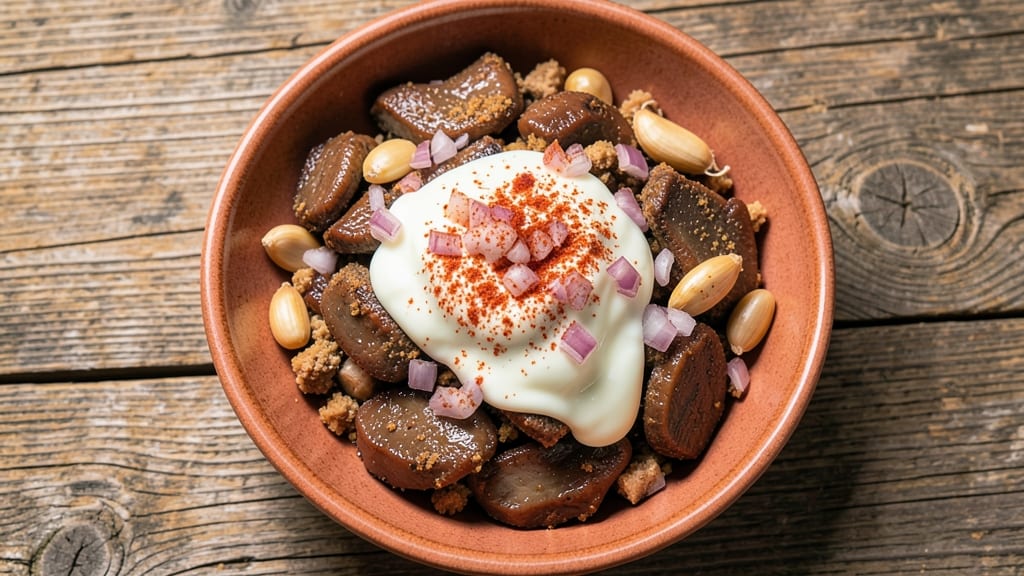
This Jewish chopped chicken liver recipe delivers a rich, savory dish with crispy edges and tender centers, perfected through generations of family gatherings. The secret lies in properly soaking and chopping the livers before pan-searing them with onions and celery—a technique that transforms simple ingredients into something deeply satisfying.
I first encountered this dish at a Shabbat dinner, where its aromatic depth made it an instant favorite among guests.
The preparation begins with careful ingredient handling: chicken livers must be thoroughly cleaned and soaked to remove any bitterness, then finely chopped for even cooking. When seared in a hot pan with onions and celery, they develop a crispy exterior while staying juicy inside.
This method ensures every bite carries that signature flavor balance—earthy, slightly sweet, and rich—without being overly greasy.
What sets this recipe apart is its versatility. Traditionally served with matzo balls or as part of a larger Shabbat spread, it also works beautifully as a standalone dish or paired with crusty bread.
The texture contrast between the crispy livers and tender vegetables makes it a standout main course, especially when served with a side of pickled vegetables or a simple salad.
For those looking to adapt this classic, a vegetarian version can be made using finely chopped mushrooms or hearts of palm, though purists argue nothing quite replaces the authentic taste of chicken livers.
The key to success lies in patience—soaking, chopping, and searing each component just right. Let’s get started on creating this timeless dish.
Ingredients for jewish chopped chicken liver
Fresh livers, crispy onions, and aromatic celery form the heart of this classic dish.
| Ingredient | Amount | Notes |
|---|---|---|
| Chicken Livers 🍗 | 1 ½ lb | Fresh, cleaned and soaked |
| Yellow Onions 🧅 | 1 whole | Medium size, finely chopped |
| Celery Stalks 🥬 | 3 whole | Fresh, finely chopped |
| Extra-Virgin Olive Oil 🫒 | ½ cup | High quality, fruity |
| Fresh Parsley 🌿 | ¼ cup | Chopped, for garnish |
| Large Eggs 🥚 | 2 whole | Beaten for coating |
| All-Purpose Flour 🌾 | ½ cup | For dredging livers |
| Salt 🧂 | 1 ½ tsp | Kosher or sea salt |
| Ground Black Pepper 🌶️ | ½ tsp | Freshly ground preferred |
| Garlic Cloves 🧄 | 4 cloves | Minced for flavor |
| Fresh Lemon Juice 🍋 | 2 tbsp | For brightness |
| Matzo Meal 🍞 | ¼ cup | Optional for texture |
| Unsalted Butter 🧈 | 2 tbsp | For searing |
The chicken livers are the star—look for bright red, plump livers at your local butcher or grocery store's meat counter. Costco or Whole Foods often carry pre-cleaned livers, which saves time, but if you're buying whole, soak them in cold water for 30 minutes to remove any bitterness. Fresh parsley and celery should have vibrant colors; avoid wilted or yellowing stalks. The onions can be yellow or white, but avoid red onions as they can bleed color and slightly alter the flavor profile. For the olive oil, California brands like Bertolli or Pompeian provide a good balance of flavor and affordability.
No fresh parsley? Dried parsley at half the amount works in a pinch, though it lacks the fresh brightness. Running short on celery? Substitute with an extra half-cup of finely chopped bell pepper for a slight sweetness. The matzo meal is optional but adds a delightful crunch—Manischewitz is the brand most commonly found in stores. If you're avoiding gluten, omit it entirely. For the eggs, room temperature eggs incorporate better into the flour coating, but cold eggs work fine too. The lemon juice can be bottled, but freshly squeezed is always better—it brightens the entire dish. If you're making this ahead, store the soaked livers in the fridge until ready to use, but don't soak them overnight.
This dish is best served immediately after cooking, but leftovers keep well in the fridge for 2-3 days. Store in an airtight container, and reheat gently in a skillet with a splash of water to restore moisture. The livers reheat beautifully if done carefully—avoid microwaving as it can make them rubbery. For a make-ahead option, you can prep the flour and egg coating mixture the night before and store it in the fridge. The celery and onions can be chopped ahead too, but store them separately in the fridge to maintain crispness. Freezing isn't recommended for this dish, as the texture suffers when thawed.
Why You'll Love This Recipe
- One-Pan Magic: I swear by this recipe when I’m too tired to scrub pots—just brown the livers in olive oil, toss in onions and celery, and let it all caramelize together. The onions melt down into that perfect golden jam, and honestly? I’ve never had a dish where cleanup feels this guilt-free.
- Umami Bomb: That first bite of crispy chicken liver with the bright, herby finish? It’s like a flavor explosion in your mouth. The onions and celery soften just enough to soak up all the richness, while the parsley at the end cuts through the fat—every spoonful tastes like someone’s kitchen.
- Shabbat Star: Between us, this is my go-to for Friday night prep. It reheats beautifully for sandwiches, bagels, or even as a side with crusty bread. (Yes, even on a Tuesday night when I’m craving something hearty but don’t want to slave over it.)
- Budget Powerhouse: Chicken livers are cheap, and this recipe stretches them far—enough for leftovers that taste just as good the next day. I’ll be real: my grocery bill drops when I make this instead of buying fancy proteins, and the flavor? Doesn’t skimp at all.
Step-by-step instructions for Jewish chopped chicken liver
This method delivers perfectly seared, flavorful chicken livers with a crisp celery-onion crunch.
Prepare the Chicken Livers for Cooking
Begin by cleaning the 1.5 lb chicken livers thoroughly under cold running water, removing any connective tissue or blood spots. Soak them in a bowl of cold water for 15 minutes, then drain and pat completely dry with paper towels. This step removes impurities and prevents a bitter flavor during cooking.
While the livers soak, finely chop the 1 whole yellow onion and 3 whole celery stalks together. The combination creates the signature crunchy base of this dish. I like to use a sharp knife and cut through the onion and celery simultaneously for even dicing. Set aside in a bowl.
In a separate bowl, combine the 0.5 cup all-purpose flour, 1.5 tsp salt, and 0.5 tsp ground black pepper. This dry mixture will help create a light crust on the livers while cooking. The flour also absorbs any excess moisture, ensuring a better sear.
Create the Egg and Matzo Meal Coating
Crack the 2 whole large eggs into a shallow dish and beat them lightly with a fork. Add the 2 tbsp fresh lemon juice and mix well. The lemon juice brightens the final dish and helps balance the richness of the livers. In another shallow dish, combine the 0.25 cup matzo meal (if using) with the beaten eggs.
This dual-dip technique creates two distinct textures: the matzo meal adds a delicate crispness while the egg provides a smooth, cohesive coating. The matzo meal is optional but recommended for that authentic Jewish chopped liver texture. If omitting, simply use the egg wash alone.
Sear the Chicken Livers Perfectly
Heat the 2 tbsp unsalted butter and 0.5 cup extra-virgin olive oil in a large skillet over medium-high heat until the butter foams but doesn't brown. Working in batches to avoid crowding, dredge each liver in the flour mixture first, then dip into the egg mixture, and finally coat with the matzo meal mixture.
Place the coated livers in the hot skillet and cook for 2-3 minutes per side until they develop a golden-brown crust. The key is to maintain consistent heat—if the pan gets too hot, the livers will burn before cooking through. You'll know they're ready when they release easily from the pan and the edges are nicely browned.
Remove the livers from the skillet and set aside on a paper towel-lined plate to drain any excess oil. Keep them warm while you prepare the celery-onion mixture.
Cook the Celery-Onion Base
In the same skillet (no need to clean it—the fond adds flavor), add the chopped celery and onion mixture. Cook over medium heat for 8-10 minutes, stirring occasionally, until the vegetables soften and begin to caramelize. You want them to develop a golden hue and slightly crisp edges.
Add the 4 minced garlic cloves and cook for an additional 30 seconds until fragrant. The garlic should be cooked just until its raw aroma disappears but still retains its color. Remove the skillet from heat and stir in the 0.25 cup fresh parsley. This adds freshness and color to the finished dish.
Combine and Finish the Dish
Return the skillet to low heat and carefully add the cooked chicken livers to the celery-onion mixture. Gently toss everything together, allowing the livers to absorb the flavors of the base while keeping their seared exterior intact. Cook for 2-3 minutes until everything is heated through and well combined.
Taste and adjust seasoning if needed. The dish should be rich but balanced, with the lemon juice providing a bright contrast. Serve immediately, garnished with additional fresh parsley if desired. This dish is best enjoyed fresh while the livers are warm and the celery-onion mixture still has its crisp texture.
Pro Tips For Making Jewish Chopped Chicken Liver
- Trim the Gall Bladders: Chicken livers have a tiny green gall bladder—leave it in, and you’ll bite into something bitter. Snip it off with kitchen scissors before trimming the fat, then rinse the livers in cold water. I learned this the hard way after eating a whole plate of livers that tasted like soap.
- Sear in Batches: Don’t crowd the pan or the livers will steam instead of brown. Use a 12-inch skillet and cook them in two batches over medium-high heat—about 2-3 minutes per side—until deeply golden. This isn’t the prettiest method, but it’s the tastiest.
- Soak the Onions: Dice the onions first, then toss them in ice water for 10 minutes before cooking. This mellows their sharpness and keeps them crisp in the final dish. Skip this, and you’ll end up with a bowl of onion punch instead of chopped liver.
- Deglaze with Wine: After searing the livers and onions, deglaze the pan with ¼ cup dry white wine (or even chicken broth in a pinch). Let it reduce by half before adding the celery—this adds depth that olive oil alone can’t. Sounds weird, but it works.
Health benefits of jewish chopped chicken liver
Rich Protein Source
Chicken liver is a nutrient powerhouse, delivering high-quality protein—about 20 grams per 3-ounce serving—that supports muscle repair and immune function. It’s particularly rich in iron (more than beef liver) and vitamin B12, making it an excellent choice for those needing a boost in these nutrients. 💪
Iron for Energy
Just 3 ounces of chicken liver provides 3.5mg of iron—about 20% of your daily needs—which helps prevent fatigue and supports oxygen transport in your blood. Pairing it with vitamin C-rich sides (like lemon wedges or bell peppers) enhances iron absorption even further.
This makes it a great option for anyone with mild anemia or active lifestyles.
B Vitamins Boost
The liver contains B vitamins like riboflavin (B2), niacin (B3), and folate (B9), which are essential for energy metabolism and brain health. A single serving provides over 100% of your daily folate needs, supporting cell growth and reducing homocysteine levels—a marker for heart disease risk.
Honestly, I notice a noticeable energy lift after eating this dish, especially on busy days.
Low-Calorie Density
Despite its rich flavor, chicken liver is surprisingly low in calories—about 120 calories per 3-ounce serving—while being high in protein and iron. This makes it a satisfying option for those watching their calorie intake but still needing nutrient density.
The crispy searing technique in this recipe adds texture without significant calories, keeping it guilt-free.
Healthy Fats Balance
The combination of olive oil and butter used in this recipe provides heart-healthy monounsaturated fats, while the chicken liver contributes omega-3 fatty acids in moderation. Together, they create a balanced fat profile that supports cholesterol levels when consumed as part of a varied diet.
I always use extra-virgin olive oil to maximize these benefits.
Cultural Comfort Food
Beyond nutrition, this dish offers comfort through tradition. The blend of celery, onions, and matzo meal creates a familiar, homey flavor profile that’s been passed down through generations.
It’s a dish that not only nourishes the body but also connects you to cultural heritage—something I find deeply meaningful, especially during family gatherings. 💛
Nutrition facts
Frequently asked questions
Why do I need to soak chicken livers before cooking?
Soaking removes blood and impurities that can make the livers bitter. A 15-minute soak in cold water is all you need—just pat them completely dry afterward to ensure a good sear. Skipping this step can leave a metallic taste.
Can I make this recipe without matzo meal?
Matzo meal adds texture but isn't essential. Simply omit it and use the egg wash alone for coating. For extra crunch, try breadcrumbs or crushed matzo crackers instead. The flavor will still be rich and satisfying.
How do I prevent the livers from turning rubbery when reheating?
Never microwave—it makes them tough. Instead, reheat in a skillet with 1 tbsp butter or oil over low heat for 3-4 minutes, adding a splash of water to steam them gently. This keeps them tender and moist.
What's the best way to store leftover chopped chicken liver?
Keep it in an airtight container in the fridge for up to 3 days. For longer storage, freeze the cooked livers (without the celery-onion mix) for up to 1 month. Thaw overnight in the fridge before reheating.
Can I substitute beef liver for chicken liver?
Technically yes, but chicken liver is milder and more tender. Beef liver has a stronger flavor and requires longer cooking time (up to 5 minutes per side). If using beef, reduce the cooking time by half and taste frequently to avoid overcooking.