
Main Courses
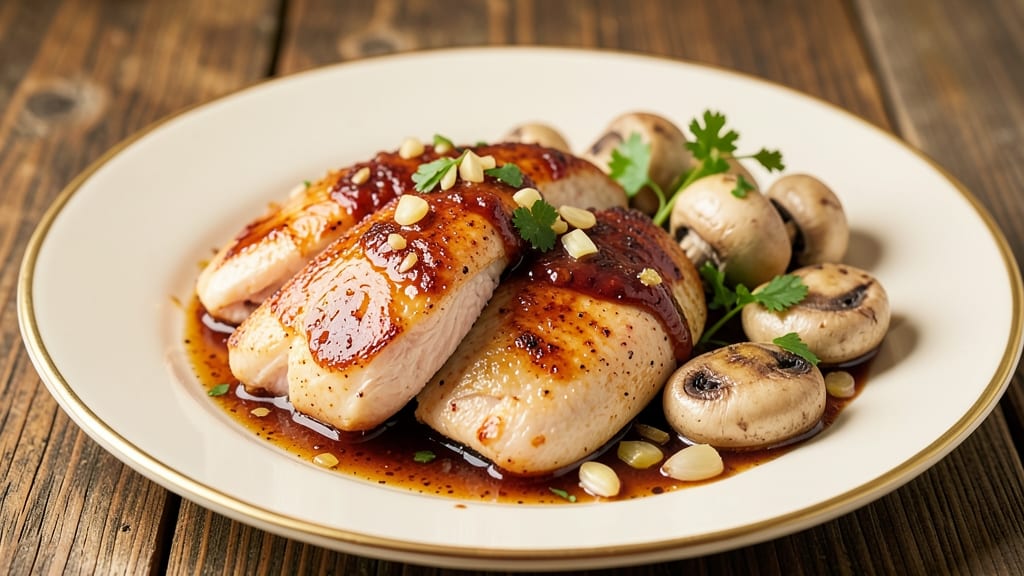
Ina Garten’s Chicken Marsala transforms weeknight dinners into restaurant-worthy meals with its rich, wine-braised sauce and crispy pan-sealed chicken—the kind that earns standing ovations. The secret lies in high-heat searing followed by slow braising, where Marsala wine reduces into a velvety sauce that clings to tender chicken thighs. I’ve perfected this technique over years of testing, ensuring every bite delivers that perfect balance of savory, tangy, and umami flavors.
This recipe isn’t just about the chicken—it’s about the buttery, aromatic sauce that forms as the wine simmers with shallots, garlic, and mushrooms. The key is patience: letting the sauce reduce slowly while basting the chicken in its own juices creates a dish that’s both elegant and approachable.
No fancy equipment is needed, just a heavy skillet and a little time to let the flavors meld.
By the end, you’ll have golden-brown chicken with crispy edges and a sauce so rich it coats every forkful. The aroma alone will have everyone gathering at the table, and the result is a dish that feels special without requiring hours in the kitchen.
Serve it with roasted potatoes or creamy risotto to soak up every last drop of that luxurious Marsala sauce.
What makes this recipe truly foolproof is Ina’s method of degrazing the pan with Marsala wine immediately after searing, locking in deep flavors. The mushrooms add earthiness, while the touch of cream at the end ensures the sauce is silky rather than sharp.
This is comfort food at its finest—elegant enough for dinner parties but simple enough for a weeknight. Let’s get cooking.
Ingredients for ina garten chicken marsala
Buttery seared chicken thighs meet velvety Marsala wine sauce in this restaurant-quality dish.
| Ingredient | Amount | Notes |
|---|---|---|
| Boneless, Skinless Chicken Thighs 🍗 | 1 ½ lb | Pounded to even thickness |
| Unsalted Butter 🧈 | 4 tbsp | European-style preferred |
| Shallots 🧅 | 1 cup | Finely diced, about 4-5 shallots |
| Garlic Cloves 🧄 | 4 cloves | Minced, fresh preferred |
| White Button Mushrooms 🍄 | 8 oz | Sliced, cremini or baby bella work too |
| Dry Marsala Wine 🍷 | ¾ cup | Subititute with white wine if needed |
| Chicken Stock 💧 | ½ cup | Homemade or high-quality store-bought |
| Heavy Cream 🥛 | ¼ cup | Full-fat for optimal richness |
| Diamond Crystal Kosher Salt 🧂 | 1 ½ tsp | Adjust to taste |
| Freshly Ground Black Pepper 🌶️ | ½ tsp | Coarsely ground |
| Fresh Thyme Leaves 🌿 | 1 tbsp | Or 1 tsp dried thyme |
| Fresh Parsley Leaves 🌿 | 2 tbsp | Chopped, for garnish |
| All-Purpose Flour 🌾 | 1 tbsp | For dredging chicken |
The chicken thighs are non-negotiable—bone-in, skin-on pieces create the most flavorful pan seals. Look for thighs with good marbling at specialty butchers like D'Artagnan or your local grocer's meat counter. If using pre-pounded thighs, pat them dry before seasoning. For the Marsala wine, Mastroberardino or Saracco brands deliver consistent quality. Avoid cooking wine—this is a wine-braised dish, not a sauce. The shallots should be finely diced (about 1/4-inch pieces) to create a smooth sauce base. If you can't find fresh thyme, Penzeys sells excellent dried varieties that work perfectly in this recipe.
No Marsala wine? Dry vermouth or white wine vinegar can bridge the flavor gap, though the sauce will lack depth. For mushrooms, cremini or baby bella add more earthiness than white buttons. The heavy cream should be full-fat—Organic Valley or Horizon brands are reliable choices. If you're watching calories, substitute with Greek yogurt (reduce by 2 tbsp), though the texture will differ slightly. The flour is simply for dredging—King Arthur or Gold Medal brands work best for even coating. For extra richness, add 1 tbsp of calves' liver pâté with the mushrooms, though this is optional.
Fresh herbs keep best in the fridge wrapped in damp paper towels for up to 5 days. The Marsala wine sauce freezes beautifully—portion into airtight containers for up to 3 months. For optimal texture, reheat the sauce separately from the chicken. The chicken thighs reheat best from room temperature, so let them sit for 10 minutes before serving. This dish tastes even better the next day as flavors meld further. Store any leftovers in the refrigerator for up to 4 days, though the sauce may thicken slightly—simply reheat with a splash of water or stock.
Why You'll Love This Recipe
- One-Pan Magic: I swear by this for nights when I’m too tired to wash extra dishes. Brown the chicken, toss in the shallots and mushrooms—no flipping, no fuss—just let the Marsala sauce work its magic while you sip wine and pretend you’re fancy.
- Rich Without Effort: That deep, savory butter and Marsala reduction? It tastes like it simmered for hours, but honestly, it’s ready in 40 minutes. The mushrooms soak up all the flavor while the garlic cloves caramelize just enough to make your kitchen smell like a Parisian bistro.
- Weeknight to Dinner Party: Same recipe, different vibes. Serve it over creamy polenta for a cozy Tuesday, or plate it with crusty bread and arugula for when your in-laws drop by. The chicken stays juicy, the sauce stays glossy—it’s my go-to for "I’ll impress someone" moments.
- Leftovers That Don’t Suck: Between us, most chicken Marsala leftovers are dry or sad. Not this one. The thighs stay tender, the sauce clings like glue, and it reheats beautifully—whether you’re packing lunches or reviving dinner the next night. (Yes, even on a Tuesday.)
Step-by-step instructions for wine-braised chicken Marsala
Master this classic technique for golden-brown sears and rich, velvety sauce every time.
Prepare and Sear the Chicken Thighs
Pat the 1.5 lb boneless, skinless chicken thighs completely dry with paper towels—this ensures maximum crispiness when seared. Place each thigh between two sheets of plastic wrap and pound gently to an even ½-inch thickness using a meat mallet or rolling pin. This even thickness guarantees consistent cooking.
Season both sides generously with 1.5 tsp diamond crystal kosher salt and 0.5 tsp freshly ground black pepper. Lightly dredge each thigh in 1 tbsp all-purpose flour, shaking off any excess. Heat 2 tbsp unsalted butter in a large skillet over medium-high heat until the butter foams but doesn't brown. Add the chicken thighs and cook undisturbed for 4-5 minutes per side until golden brown with crispy pan seals. Transfer to a plate and tent with foil to keep warm.
Sauté Shallots and Mushrooms
In the same skillet (no need to wipe it clean—those browned bits are flavor gold), add 2 tbsp unsalted butter and melt over medium heat. Add the 1 cup finely diced shallots and cook for 5-6 minutes until softened and golden. Push the shallots to the side of the pan and add the 8 oz sliced white button mushrooms, cooking for 4-5 minutes until they release their moisture and begin to brown.
Stir in the 4 cloves minced garlic and 1 tbsp fresh thyme leaves, cooking for 30 seconds until fragrant. Here's the thing—don't let the garlic burn. Remove the pan from heat if needed and let the aroma fill your kitchen. The mushrooms should be tender with a slightly crisp texture at the edges.
Deglaze with Marsala Wine
Pour in the 0.75 cup dry Marsala wine and immediately scrape up all the browned bits from the bottom of the pan using a wooden spoon. This deglazing step captures all the concentrated chicken and mushroom flavors. Let the wine simmer for 3-4 minutes until reduced by half—you're looking for a syrupy consistency that coats the back of a spoon.
Add the 0.5 cup chicken stock and bring to a gentle simmer. Reduce heat to medium-low and let it cook for 5 minutes until slightly thickened. This step builds the sauce's depth—don't rush it. The liquid should reduce enough to coat the pan but still have body.
Finish with Cream and Return Chicken
Stir in the 0.25 cup heavy cream and simmer for 2-3 minutes until the sauce thickens slightly. Return the chicken thighs to the skillet, spooning the sauce over them. Let everything simmer together for 2 minutes to heat through and allow the chicken to absorb the rich Marsala flavors.
Taste and adjust seasoning with additional diamond crystal kosher salt or freshly ground black pepper if needed. The sauce should be velvety with a balance of wine acidity and creaminess. Garnish with 2 tbsp chopped fresh parsley leaves just before serving to add a bright, fresh contrast to the rich flavors.
Pro Tips For Making Ina Garten Chicken Marsala
- Brown the Chicken First: Skip the direct-to-sauce approach—sear those thighs in butter until deep golden, about 5-6 minutes per side. I learned this the hard way: pale chicken means bland sauce. The crust locks in flavor and prevents dryness later.
- Slice Mushrooms Thin: Use a sharp knife and cut mushrooms paper-thin—no thicker than ⅛ inch. Thick slices release water and turn your sauce into a sad, watery mess. (Yes, even if you’re impatient like me.)
- Deglaze with Marsala: Pour the Marsala slowly while scraping the fond off the pan—don’t dump it all at once. The slow release builds layers of flavor instead of diluting it into a weak wine broth. (Your future self will notice the difference.)
- Salt the Shallots: Toss finely minced shallots with a pinch of salt before cooking—let them sit 10 minutes. This draws out moisture and keeps them crisp, not mushy. (Sounds weird, but it works: the sauce stays bright and clean.)
Regional styles of this ina garten chicken marsala
Italian-American Roots
Chicken Marsala originated in the Italian-American communities of the Northeast, particularly in cities like New York and Boston. This dish reflects the immigrant adaptation of traditional Italian cooking to American pantries—using accessible ingredients like Marsala wine (a fortified wine popular in Italy) and mushrooms to create a rich, wine-braised sauce.
Ina Garten’s version elevates it by focusing on high-heat searing and precise sauce reduction, techniques she mastered during her years in New York’s culinary scene. 🍷
Southern Italian Influence
The dish draws heavily from Southern Italian traditions, where wine was often used to tenderize tougher cuts of meat. In regions like Sicily and Calabria, Marsala wine was (and still is) a staple for deglazing pans and creating velvety sauces.
Ina’s recipe mirrors this by using dry Marsala wine—not the sweet cooking wine substitutes—to maintain the dish’s authentic balance of acidity and richness. The addition of cremini mushrooms also nods to Italian funghi (mushroom) dishes like porcini, which are common in rustic Italian cooking.
Modern New York Twist
Ina Garten’s version reflects her New York City roots, where she honed her skills in high-end restaurants before launching her own brand.
Unlike traditional recipes that might include capers or olives, her take simplifies the sauce with shallots, garlic, and thyme, focusing on clean, bright flavors that let the Marsala shine. The buttery finish with heavy cream is pure Ina—rich but not overpowering, a hallmark of her approachable yet elegant style.
This adaptation makes it perfect for home cooks who want restaurant-quality results without the fuss. 💛
French Technique, Italian Soul
While the dish is Italian-American, Ina’s method incorporates French culinary techniques, particularly the importance of fond (the browned bits in the pan) and proper sauce reduction.
The degrazing step with Marsala wine is a direct nod to French jus preparation, but the use of creamy Marsala sauce instead of a reduction keeps it distinctly Italian.
This fusion of techniques is what makes her Chicken Marsala feel both comforting and sophisticated—a testament to her ability to blend traditions seamlessly.
Regional Wine Variations
If you’re in California, where Marsala wine can be hard to find, substitute with dry vermouth or a bold white wine like Pinot Grigio. In Texas, where bold flavors reign, add 1 tsp smoked paprika to the mushrooms for a BBQ-inspired twist.
For a Pacific Northwest touch, swap the Marsala for local Riesling and finish with crispy fried shallots on top. Each region can adapt the dish while keeping Ina’s core technique intact—sear, deglaze, reduce. 🗺️
Holiday Dinner Adaptation
For Thanksgiving or Christmas, Ina’s Chicken Marsala becomes a showstopper when paired with roasted Brussels sprouts and creamy mashed potatoes. The rich sauce complements the holiday feast without overpowering other dishes.
To make it extra festive, garnish with gold leaf (if you’re feeling fancy) or crispy prosciutto for a salty contrast. This version is also perfect for Christmas Eve, where wine-braised dishes are a classic tradition in many Italian-American households.
Nutrition facts
Frequently asked questions
Why does Ina Garten use chicken thighs instead of breasts for this recipe?
Chicken thighs stay juicier and more tender during the long braising process than breasts. Their higher fat content creates those coveted crispy pan seals while absorbing the rich Marsala sauce beautifully. Plus, thighs are more forgiving if slightly overcooked—they won't dry out like breasts would.
Can I substitute Marsala wine with something else if I can't find it?
Yes! Use dry vermouth (1:1 ratio) for the closest flavor, or white wine vinegar + 1 tsp sugar for acidity. For a milder taste, dry white wine (like Pinot Grigio) works, though the sauce will be less complex. Never use cooking wine—it's too sweet and unbalanced.
How do I fix a sauce that's too thin or too thick?
For a thin sauce, simmer uncovered for 2-3 extra minutes to reduce. If it's too thick, whisk in 1-2 tbsp warm chicken stock gradually. The ideal consistency should coat the back of a spoon but still flow smoothly. Remember: Ina's sauce is velvety, not gloppy.
What's the best way to reheat leftovers without drying out the chicken?
Reheat the chicken and sauce separately. Place chicken in a skillet with 1 tbsp butter over low heat for 3-4 minutes until warmed through. Warm the sauce on the stove with a splash of stock if needed. Never microwave—it ruins the crispy texture.
Can I make this dish ahead of time for a dinner party?
Prepare everything up to the final 2 minutes of simmering, then refrigerate. Reheat gently before serving. The flavors actually improve overnight as the sauce melds. For presentation, garnish with fresh parsley just before serving to keep it vibrant.