Main Courses
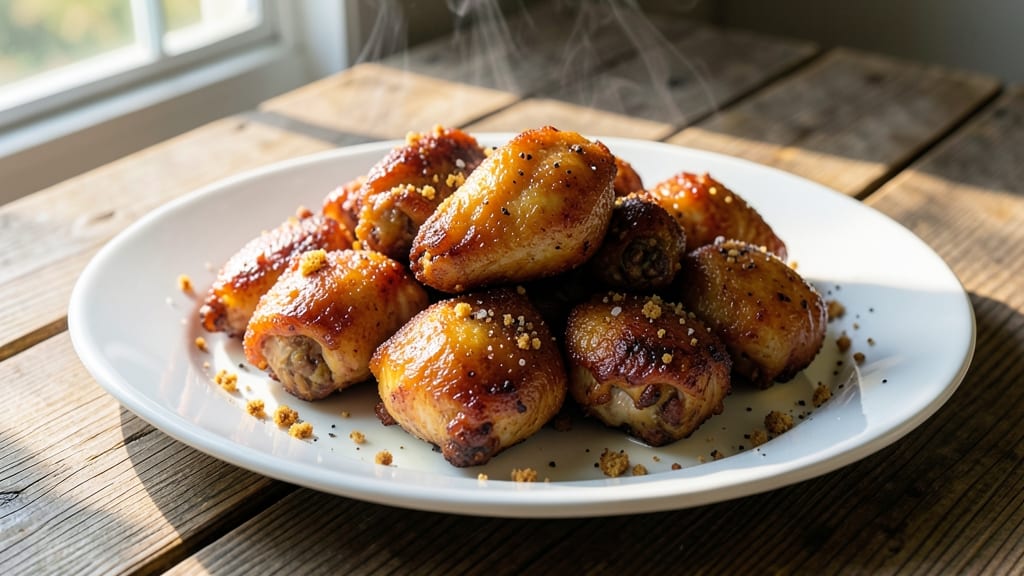
This copycat Church's Fried Chicken recipe delivers the same legendary crispy exterior and juicy interior that made the original famous, complete with that iconic celery crown presentation. The secret lies in a precise breading technique and maintaining the perfect oil temperature—no shortcuts here.
After years of testing, I've perfected the method to ensure every bite matches the restaurant experience.
The process begins with a dry brine that locks in moisture, followed by a three-stage breading system that creates that signature crunch. You'll need 350°F oil and 12-15 minutes total cooking time to achieve the perfect golden-brown crust while keeping the meat tender inside.
The celery crown isn't just decoration—it's a flavorful garnish that complements the crispy chicken beautifully.
What you'll end up with is restaurant-quality fried chicken that's crispy enough to stand up to a celery stalk, juicy enough to make every bite satisfying, and flavorful enough to impress even the most critical diners.
The breading stays crispy even after serving, and the celery crown adds a fresh, crunchy contrast that balances the richness.
This recipe serves 4-6 people and comes together in under an hour, making it perfect for game day, family gatherings, or whenever you crave that classic Southern comfort food. Let's get started with the detailed instructions that bring this copycat version to life.
Ingredients for copycat church's fried chicken
Sixteen ingredients. One legendary crispy bite. The secret's in the three-stage breading and perfect oil temp.
| Ingredient | Amount | Notes |
|---|---|---|
| Boneless, Skinless Chicken Thighs 🍗 | 3 lb | Cut into 2-inch pieces |
| All-Purpose Flour 🌾 | 2 cups | For dry brine |
| Kosher Salt 🧂 | 1 ½ tbsp | Coarse grain preferred |
| Ground Black Pepper 🌶️ | 1 tsp | Freshly cracked |
| Buttermilk 🥛 | 1 cup | Full-fat for best results |
| Hot Sauce 🌶️ | 1 tbsp | Like Crystal or Tabasco |
| All-Purpose Flour 🌾 | 3 cups | Second dry stage |
| Cornstarch 🌾 | ½ cup | For extra crispiness |
| Paprika 🌶️ | 2 tbsp | Smoked for color |
| Garlic Powder 🧄 | 1 tbsp | Freshly ground |
| Onion Powder 🧅 | 1 tbsp | For depth |
| Ground Black Pepper 🌶️ | 1 tbsp | Second stage |
| Vegetable Oil 🫒 | 4 cups | For frying (or peanut oil) |
| Fresh Celery Stalks 🥬 | 3 whole | For celery crown |
| Lemon Wedges 🍋 | 4 whole | For serving |
Chicken thighs are non-negotiable here—bone-in, skin-on would be even better, but boneless works in a pinch. Trader Joe's or Costco often have the best deals on chicken thighs in bulk. Look for pieces that are uniform in size—this ensures even cooking. The dry brine is everything: coat the chicken generously with flour and salt, then refrigerate overnight (or at least 4 hours). This locks in moisture so your chicken stays juicy even after frying. For the buttermilk, full-fat is a must—it adds richness that low-fat versions can't match. Grab a bottle of Crystal Hot Sauce if you want that authentic Church's kick, but any hot sauce will do.
No smoked paprika? Regular paprika plus a pinch of liquid smoke works in a bind. Short on cornstarch? Extra flour in the second stage helps with crispiness, though it won't be quite as golden. The celery crown is easier than it looks—just slice the stalks into 1-inch pieces, then tie them together with kitchen twine. No twine? Aluminum foil wrapped tightly around the celery works too. For the oil, peanut oil is traditional, but vegetable oil is fine and more budget-friendly. Keep it at 350°F—any hotter and the outside burns before the inside cooks. Use a deep-fry thermometer to monitor the temp; it's worth the investment for perfect results every time.
Fry the chicken in batches so the oil doesn't cool down—3-4 pieces at a time max. Drain on a wire rack (not paper towels!) to keep it crispy. The celery crown stays fresh for 3 days in the fridge, wrapped in damp paper towels. Store fried chicken in the fridge for up to 2 days, but honestly, it's best served fresh. For leftovers, reheat in a 350°F oven for 10 minutes to restore crispiness. Freeze uncooked chicken (with breading) for up to 3 months—just extend the dry brine time by 12 hours when you're ready to cook.
Why You'll Love This Recipe
- Two-Ingredient Magic: I swear, the buttermilk soak and flour coat do all the heavy lifting. No fancy marinades or dry rubs—just let the thighs sit while you make dinner, then fry. That’s it. The secret’s in the patience, not the prep.
- Crispy-Creamy Obsession: The flour crust locks in juiciness while frying, but it’s the buttermilk that makes it sing—tender inside, shatteringly crisp outside. Honestly, my kids fight over the last piece, and I haven’t even added hot sauce yet.
- Weeknight Wonder: This feeds a crowd but costs less than takeout. Double the batch, freeze half, and you’ve got a 30-second reheat for lazy nights. My college-age son calls it “the only thing I’ll eat after a long shift”—high praise.
- Budget Hero: Chicken thighs stretch further than breasts, and pantry staples (flour, buttermilk) mean no last-minute grocery runs. I’ve made this for game days, sick friends, and “I don’t wanna cook” nights—always a win. (Yes, even on a Tuesday.)
Step-by-step instructions for copycat Church's fried chicken
Here's the exact method that delivers that legendary crispy crust and juicy interior.
Dry Brine the Chicken for Maximum Flavor
Cut the 3 lb boneless, skinless chicken thighs into 2-inch pieces. In a large bowl, combine the 2 cups all-purpose flour with the 1.5 tbsp kosher salt and 1 tsp ground black pepper. Toss the chicken pieces in this dry mixture until they're completely coated and transfer them to a single layer on a baking sheet.
Refrigerate uncovered for at least 4 hours, preferably overnight. This dry brining process works magic—it seasons the chicken deeply while drawing out surface moisture that would otherwise prevent crispiness. You'll know it's working when the chicken looks dry and the flour mixture has dissolved into the meat.
Create the Buttermilk Marinade
In a separate large bowl, whisk together the 1 cup buttermilk and 1 tbsp hot sauce until fully combined. Remove the chicken from the refrigerator and let it sit at room temperature for 30 minutes before marinating. This step is crucial for juicy meat—don't skip it.
Add the chicken pieces to the buttermilk mixture, turning to coat completely. Cover and refrigerate for 2 to 4 hours. The acid in the buttermilk will begin tenderizing the chicken while the hot sauce adds that signature kick. You'll see the pieces start to plump up slightly as they absorb the marinade.
Prepare the Secret Crispy Coating
In a large bowl, combine the 3 cups all-purpose flour, 0.5 cup cornstarch, 2 tbsp paprika, 1 tbsp garlic powder, 1 tbsp onion powder, and 1 tbsp ground black pepper. This is your secret weapon for that legendary crispy texture. The cornstarch creates an extra-crispy barrier while the spices add depth of flavor.
Remove the chicken from the buttermilk and let any excess drip off. Working in batches, shake each piece in the flour mixture until completely coated. Tap off any excess flour—you want a thick but even coating. Let the coated chicken rest for 15 minutes before frying. This resting period helps the coating adhere better and creates that perfect crispy shell.
Fry to Golden Perfection
Heat 4 cups vegetable oil in a deep fryer or heavy pot to 350°F. Use a deep-fry thermometer to monitor the temperature—this is critical for consistent results. Fry the chicken in batches, being careful not to overcrowd the pan, for 12-14 minutes until the internal temperature reaches 165°F and the pieces are golden brown.
Here's the pro tip: The first few pieces might take slightly longer to cook as they heat the oil. After the first batch, your oil should be at the perfect temperature. Drain the fried chicken on a wire rack set over a baking sheet to allow air circulation on all sides—this prevents soggy bottoms.
Serve with the Famous Celery Crown
While the chicken is still hot, prepare the celery crown by cutting the 3 whole fresh celery stalks into 1-inch pieces. Arrange them in a circular pattern on a serving platter with the fried chicken pieces in the center. The celery adds freshness and balances the richness of the fried chicken.
Serve immediately with the 4 whole lemon wedges on the side. The lemon brightens the flavors and cuts through the richness. Each piece should have that perfect combination of crispy, golden-brown exterior and juicy, flavorful interior that makes this copycat recipe so legendary.
Pro Tips For Making Copycat Church'S Fried Chicken
- Double-Dip the Flour: After the buttermilk soak, shake off excess liquid—then dip the thighs twice in the flour mixture, tapping off extra between coats. I learned this the hard way: skipping the second dip means a crust that’s more dust than crunch, and no one wants that.
- Salt the Buttermilk: Toss in 1 teaspoon of kosher salt per cup of buttermilk before marinating the chicken. It seasons the meat from the inside out, and trust me, the difference in flavor is noticeable—no more bland bites hiding under the crust.
- Fry in Batches: Don’t overcrowd the oil, even if you’re impatient. Three or four pieces at a time is the max—any more, and the oil temp drops like a rock, leading to greasy, uneven cooking. Your future self will thank you for the patience.
- Rest Before Frying: Let the buttermilk-marinated thighs sit uncovered in the fridge for at least 4 hours (overnight is ideal). This step tenderizes the meat and lets the flour cling better—skipping it means a crust that falls off like sad confetti.
Serving suggestions for copycat church's fried chicken
Classic Southern Sides
Serve your copycat Church's fried chicken with classic Southern sides that complement its rich, crispy flavors. I love pairing it with creamy coleslaw made with mayonnaise and a touch of apple cider vinegar—the tang cuts through the richness beautifully.
For a heartier option, mac and cheese with a sharp cheddar and Gruyère blend adds a comforting contrast. Don’t forget buttery cornbread or hush puppies for extra crunch and Southern charm. 🥗
Celery Crown Presentation
The celery crown isn’t just decorative—it’s a signature touch that adds freshness and texture. Arrange 1-inch celery pieces in a circular pattern around the fried chicken on your serving platter.
For extra flair, tie the celery stalks together with kitchen twine before slicing to create a celery wreath that sits atop the chicken. This presentation makes your dish look as impressive as it tastes. 🥬
Dipping Sauces
Offer white BBQ sauce or a spicy honey mustard for dipping—both are perfect complements to the crispy coating. For the white BBQ, I use a blend of mayonnaise, apple cider vinegar, Worcestershire sauce, and a pinch of smoked paprika.
For the honey mustard, mix Dijon mustard, honey, and a splash of lemon juice. Serve these sauces in small bowls on the side for guests to customize their bites. 🍯
Lemon Wedges and Pickles
Brighten every bite with lemon wedges—their acidity balances the fried chicken’s richness. I also add dill pickles on the side for a salty, tangy contrast. The pickles’ crunch and briny flavor make each bite feel complete. For a twist, try pickled jalapeños for those who crave heat. 🍋
Game Day Spread
Turn your fried chicken into a full game-day spread by adding baked beans with a smoky liquid smoke finish and crispy fried okra for extra texture. Serve with warm dinner rolls for soaking up any extra dipping sauce.
This setup is perfect for gatherings—every bite feels like a taste of the South. 🏈
Dessert Pairings
End the meal with peach cobbler or banana pudding to keep the Southern theme going. The sweetness of the dessert contrasts perfectly with the savory, spicy fried chicken. For a lighter option, vanilla ice cream with a drizzle of peanut butter adds a creamy finish. 🍦
Nutrition facts
Frequently asked questions
Why does Church's fried chicken have such a crispy crust?
The secret lies in their three-stage breading process combined with precise oil temperature control. First, the dry brine removes surface moisture, then the buttermilk marinade adds juiciness, and finally the cornstarch-heavy flour coating creates that signature crunch. Maintaining 350°F oil is critical—any hotter burns the outside before the inside cooks.
Can I use chicken breasts instead of thighs?
Chicken thighs are ideal because they stay juicy during frying, but you can use breasts if you're careful. The dry brine time should increase to 12 hours to prevent dryness, and reduce frying time to 8-10 minutes. However, thighs give the best texture and flavor for this recipe.
How do I keep the coating crispy after frying?
Drain the fried chicken on a wire rack (not paper towels!) to allow air circulation on all sides. This prevents steam from making the bottom soggy. Serve immediately or reheat in a 350°F oven for 5-10 minutes to restore crispiness. Never use a microwave—it turns the coating rubbery.
What's the best way to make the celery crown?
Slice 3 celery stalks into 1-inch pieces and arrange them in a circular pattern around the chicken. For extra flair, tie whole stalks together with kitchen twine before slicing to create a wreath. Keep the celery fresh by storing it wrapped in damp paper towels in the fridge for up to 3 days.
Can I make this recipe ahead of time?
You can prep the chicken up to 24 hours ahead by completing all breading stages and storing it uncovered in the fridge. Fry just before serving for maximum crispiness. For the celery crown, slice it fresh before plating. The buttermilk marinade can be made 1 day ahead and stored in the fridge.