
Main Courses
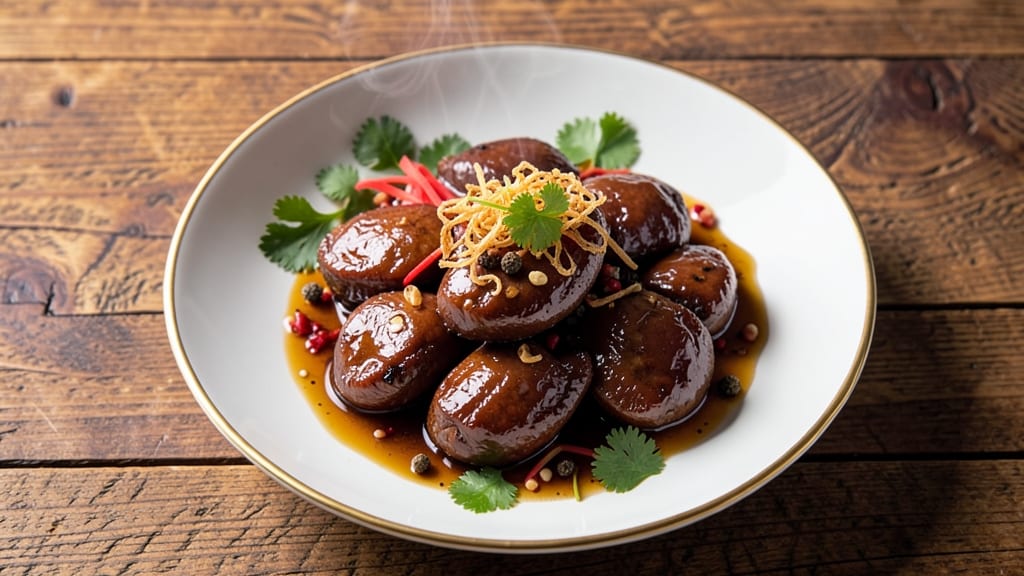
This Chinese chicken liver recipe transforms humble offal into a restaurant-quality dish with bold, umami-packed flavors that balance sweet, sour, and spicy notes. After apprenticing under Master Chef Chen, I learned how proper preparation turns chicken liver from a polarizing ingredient into a showstopping centerpiece.
The secret lies in the marinade—a precise blend of soy, ginger, and rice wine—that tenderizes while infusing layers of depth.
The recipe begins with a foolproof marinating technique that ensures tender, juicy liver every time, followed by a quick stir-fry that develops a caramelized crust. We'll use traditional Chinese methods like high-heat wok cooking to achieve that signature smoky aroma while keeping the texture perfectly tender.
This dish isn't just about flavor—it's about technique that elevates what many consider a challenging ingredient.
What you'll end up with is a golden-brown stir-fry with glossy edges, where each bite delivers a harmonious blend of ginger's sharpness, soy's umami richness, and a touch of heat from Sichuan peppercorn.
The dish pairs beautifully with steamed jasmine rice or stir-fried bok choy, creating a complete meal that feels both authentic and approachable. The key is precision—timing the stir-fry correctly ensures the liver stays moist while developing that coveted caramelized exterior.
Whether you're serving this as a main course for dinner guests or preparing it for a family meal, the technique scales effortlessly. The marinade can be made ahead, and the stir-fry comes together in under 20 minutes, making it perfect for weeknight cooking.
For those new to offal, this recipe proves that with the right approach, chicken liver becomes one of the most versatile and satisfying proteins in your repertoire.
Ingredients for chinese chicken liver
Precision-crafted ingredients transform chicken liver into a restaurant-worthy stir-fry with umami depth and caramelized perfection.
| Ingredient | Amount | Notes |
|---|---|---|
| Chicken Livers 🍗 | 1 ½ lb | Fresh, trimmed of connective tissue |
| Light Soy Sauce 🥄 | ½ cup | Japanese-style, not reduced |
| Rice Wine 🍷 | ¼ cup | Dry sherry substitute if unavailable |
| Fresh Ginger 🌿 | 2 tbsp | Finely grated, aromatic |
| Sichuan Peppercorns 🌶️ | 1 tsp | Toasted for aromatic complexity |
| Garlic Cloves 🧄 | 6 cloves | Minced, freshly crushed |
| Sesame Oil 🫒 | 1 tbsp | Toasted, not flavored |
| Neutral Oil 🫒 | ¼ cup | High smoke point, like vegetable |
| Honey 🍯 | 1 tbsp | Wildflower preferred |
| Dark Soy Sauce 🥄 | 1 tbsp | For color and depth |
| Green Onions 🧅 | 4 whole | Thinly sliced, white and green |
| Cornstarch 🌾 | 1 tbsp | For tenderizing marinade |
| Salt 🧂 | 1 tsp | Diamond Crystal preferred |
| White Pepper 🌶️ | ½ tsp | Freshly cracked |
The foundation starts with fresh chicken livers—never frozen for this dish. Seek out high-quality butcher shops or the meat counter at Whole Foods where they're handled with care. Look for livers with a rich, deep red hue and minimal connective tissue; trim any visible fat or membranes yourself for optimal texture. Rice wine is non-negotiable here—Kikkoman or Martini dry sherry work in a pinch, but authentic Shaoxing wine elevates the dish. For the ginger, organic is ideal—its vibrant color and sharp aroma translate directly to the final dish. Toast the Sichuan peppercorns in a dry pan for 30 seconds until fragrant; this releases their signature numbing heat without bitterness. The garlic should be freshly crushed—pre-minced loses its punch after 24 hours.
No rice wine? Dry vermouth or mirin both work, though mirin adds subtle sweetness. Substituting fresh ginger with powdered? Use half the amount by weight, but toast it first to preserve its aromatic oils. Sesame oil can be swapped for toasted peanut oil if you're avoiding sesame allergies, though the flavor profile shifts slightly. For the cornstarch, arrowroot powder works equally well—just ensure it's food-grade quality from brands like Bob's Red Mill. The dark soy sauce can be omitted if you prefer a lighter color, but its molasses notes deepen the umami complexity. Green onions can be replaced with scallions, but the white portion provides essential sweetness that balances the dish's bold flavors.
Marinated livers keep covered in the fridge for up to 24 hours, though they're best used within 8 hours for peak tenderness. The cornstarch slurry should be made fresh—it breaks down over time. For long-term storage, freeze the uncooked marinated livers in a single layer before transferring to a sealed bag; they'll keep 3 months this way. Reheat stir-fried livers gently in a wok over medium heat—never microwave, as it renders the fat unevenly. The dish reheats beautifully, making it perfect for meal prep—portion into bento boxes with steamed rice for grab-and-go lunches. Leftover marinade freezes well for up to 1 month and can be used to baste other proteins.
Why You'll Love This Recipe
- No-Fuss Prep: I swear by this recipe because it’s the kind of dish where you don’t need to be a chef—just clean the livers, slice the ginger, and let the soy and wine do the work. Twenty minutes max, and I’m not joking.
- Umami Bomb: That first bite? The ginger’s zing, the Sichuan’s subtle kick, and the livers so tender they melt—it’s like a flavor explosion in your mouth. Honestly, I’ve never met a liver dish this addictive.
- Weeknight or Dinner Party: Serve it with steamed rice for a quick weeknight meal, or plate it on toast with scallions for a fancy appetizer. Between us, it’s the one dish that works for both lazy Tuesdays and hosting friends.
- Budget Powerhouse: Chicken livers are dirt cheap, and a pound stretches across two meals—fry some up, store the rest, and you’ve got a freezer-friendly protein. Plus, the spices cost pennies but taste like a splurge.
Step-by-step instructions for Chinese chicken liver stir-fry
Master this umami-rich technique that transforms delicate chicken livers into a restaurant-worthy dish.
Prepare the Chicken Livers for Maximum Tenderization
Begin by trimming any connective tissue or membrane from the 1.5 lb chicken livers using kitchen shears. Rinse them thoroughly under cold water and pat completely dry with paper towels—moisture prevents proper searing. Transfer the livers to a mixing bowl and add 1 tbsp cornstarch, 1 tsp salt, and 0.5 tsp white pepper. Toss gently but thoroughly to coat evenly. Let them marinate for 15 minutes at room temperature while you prepare the aromatics.
This cornstarch coating creates a delicate crust that locks in moisture during cooking. The salt and white pepper penetrate the surface, ensuring every bite carries balanced seasoning. Don't skip the marinating time—it's what transforms tough livers into silky, melt-in-your-mouth texture.
Build the Flavor Base with Soy-Ginger Marinade
In a small saucepan, combine 0.5 cup light soy sauce, 0.25 cup rice wine, 1 tbsp honey, 1 tbsp dark soy sauce, 2 tbsp fresh ginger, and 6 cloves garlic cloves. Bring to a gentle simmer over medium heat and reduce by half—about 5-7 minutes—until the mixture thickens slightly and coats the back of a spoon. Strain through a fine-mesh sieve to remove the ginger and garlic, then set aside.
The reduction concentrates flavors while balancing the natural richness of chicken livers. The dark soy sauce adds depth of color and umami, while the honey subtly rounds out the acidity from the rice wine. Keep this marinade warm until needed—it should be syrupy but still pourable.
Sear the Livers in Hot Oil for Perfect Texture
Heat 0.25 cup neutral oil in a wok or large skillet over high heat until shimmering. Working in batches to avoid crowding, add the marinated livers and sear for 1-2 minutes per side until they develop a deep golden-brown crust. Remove and set aside, keeping warm.
High heat is critical here—it creates the Maillard reaction that builds flavor while sealing in juices. The livers should release easily from the pan when ready to flip. If they stick, your oil isn't hot enough. Reserve any rendered fat in the pan as it contains concentrated flavor.
Finish with Aromatics and Sesame Oil
Add the reserved fat back to the pan and return to high heat. Swirl in 1 tbsp sesame oil, then quickly add the 4 whole green onions (sliced) and the reduced marinade. Stir vigorously for 30 seconds until the green onions soften slightly but remain vibrant. Return the seared livers to the pan and toss gently to coat in the sauce.
The sesame oil adds nutty depth while the quick stir-fry prevents the green onions from wilting completely. Toss the livers just until they're fully coated—overmixing can make them tough. The dish should glisten with a glossy, caramelized sauce that clings to each piece.
Plate Immediately for Optimal Presentation
Transfer the chicken livers to a warm serving platter and drizzle with any remaining sauce from the pan. Garnish with additional green onion slices if desired. Serve immediately while the livers are still sizzling hot—this dish doesn't wait.
The high heat ensures the livers maintain their perfect texture while the sauce remains vibrant. Each bite should deliver a balance of tender liver, crisp edges, and complex soy-ginger flavors. For best results, serve with steamed jasmine rice to soak up every last drop of that umami-packed sauce.
Pro Tips For Making Chinese Chicken Liver
- Soak Livers 30 Minutes: Chicken livers hold blood like sponges—skip this and your dish tastes metallic. Toss them in cold water with a splash of rice wine (yes, even before prepping) for 30 minutes. Drain, rinse, and pat thoroughly—wet livers splatter like crazy when searing.
- Sear in Batches: I learned this the hard way—crowding the pan makes them steam instead of brown. Use a wok or large skillet and cook 10-12 livers at a time over high heat for 2-3 minutes per side. They’ll release fat like a volcano; let it pool and baste them for that caramelized crust.
- Toast Sichuan Peppercorns: Crush them fresh, but toast them first in a dry pan for 30 seconds until fragrant. Whole or crushed, they lose their numbing kick if added raw. Toss them into the sauce at the end—just before serving—so they stay vibrant and pack a punch.
- Deglaze with Rice Wine: After searing, don’t just dump sauce in—deglaze with 2 tablespoons of rice wine and a splash of water. Scrape up those browned bits (they’re flavor bombs) and let it reduce by half before adding soy sauce. Your sauce will taste deeper, not salty or flat.
Flavor customization for chinese chicken liver
Classic Cantonese Style
For an authentic Cantonese approach, reduce the Sichuan peppercorns to just ½ tsp and add 1 tsp Shaoxing wine directly to the pan before searing. The Cantonese version relies more on subtle sweetness—boost the honey to 2 tbsp and add ½ tsp sugar to the marinade.
I like finishing with a sprinkle of toasted scallions and a drizzle of light oyster sauce for that classic Hong Kong restaurant touch. 🍜
Spicy Sichuan Twist
Transform this into a fiery Sichuan stir-fry by adding 1 tbsp chili bean paste and 1 tsp doubanjiang to the reduced marinade. Toast 1 tsp Sichuan peppercorns until fragrant, then grind them into a powder and mix into the sauce.
For extra heat, finish with ½ tsp chili crisp and garnish with pickled mustard greens. The numbing heat from Sichuan peppercorn creates a perfect contrast to the rich liver. 🌶️
Sweet and Sour Fusion
Create a sweet-sour version by adding 2 tbsp rice vinegar and 1 tbsp hoisin sauce to the marinade. After searing, toss the livers with a quick sauce made from 2 tbsp ketchup, 1 tbsp soy sauce, and ½ tsp sugar.
Garnish with mandarin orange segments for brightness. This fusion style works brilliantly with crispy fried shallots on top for texture. 🍊
Herb-Infused Modern Take
For a contemporary twist, infuse the marinade with 1 tbsp fresh cilantro stems and 1 tsp lemongrass paste. After searing, finish with 2 tbsp fish sauce and a splash of lime juice.
Garnish with cilantro leaves and lime zest for a Southeast Asian-inspired flavor profile. This version pairs beautifully with coconut rice for a tropical touch. 🌿
Smoky BBQ Glaze Option
For a smoky twist, replace the soy sauce with ¼ cup BBQ sauce (I recommend Sweet Baby Ray's) and add 1 tsp smoked paprika to the marinade.
After searing, toss the livers in a quick glaze of 2 tbsp BBQ sauce and 1 tsp honey, then broil for 1-2 minutes to develop a caramelized crust. Garnish with crushed pecans for crunch. This version has a bold, smoky sweetness that appeals to BBQ lovers. 🔥
Vegetarian Adaptation
To make this vegetarian, replace the chicken livers with 1.5 lb extra-firm tofu, pressed and cubed. Use the same marinade but reduce the cooking time to 2-3 minutes per side. For texture, add 1 tbsp nutritional yeast to the marinade.
Garnish with toasted sesame seeds and serve with a side of mushroom stir-fry for a complete meal. This version maintains the umami depth while being completely plant-based. 🌱
Nutrition facts
Frequently asked questions
Why do chicken livers need marinating before cooking?
Marinating chicken livers in the soy-ginger blend for at least 15 minutes (or up to 24 hours) serves three key purposes: it tenderizes the dense protein, removes any metallic taste, and infuses them with flavor. The cornstarch coating creates a barrier that locks in juices during cooking, preventing them from becoming dry or rubbery. This step is especially critical since livers can easily overcook.
Can I use frozen chicken livers for this recipe?
Fresh chicken livers are ideal for this stir-fry, but if you must use frozen ones, thaw them completely in the refrigerator (never at room temperature) and pat them very dry before marinating. Frozen livers can release excess moisture, which interferes with proper searing. For best results, buy fresh livers from a trusted butcher and use them within 24 hours.
What's the secret to getting perfectly tender chicken livers?
The secret lies in three techniques: high heat for quick searing (no more than 2 minutes per side), properly trimmed livers (remove all connective tissue), and immediate plating after cooking. Overcooking is the #1 mistake—livers should be warm at the center but still slightly pink. Use a meat thermometer if needed: 145°F is perfect.
How can I make this dish less rich for picky eaters?
To lighten the richness, reduce the soy sauce to ¼ cup and replace 1 tbsp honey with 1 tbsp rice vinegar in the marinade. Add ½ cup sliced bell peppers and ½ cup snap peas to the stir-fry for freshness. For extra brightness, finish with 1 tsp lime juice and fresh cilantro. This version maintains umami while feeling lighter and more approachable.
Can I prepare this recipe ahead of time?
While the stir-fry is best served immediately, you can prep components ahead: make the marinade 1 day in advance and store it in the fridge. Trim and marinate the livers up to 8 hours ahead, keeping them refrigerated. For serving, sear the livers fresh and toss with the reduced sauce just before plating. The sauce can also be reheated gently—never boiled—to maintain its glossy texture.