Main Courses
Transforming humble chicken tongues into a restaurant-worthy centerpiece requires patience and precision—a process I’ve perfected over years of testing. The key lies in slow-cooking, which tenderizes the meat while developing deep, savory flavors that rival traditional braised cuts.
Unlike more common proteins, chicken tongues absorb marinades beautifully, creating a dish that’s both elegant and satisfying.
This recipe begins with thorough cleaning and marinating to remove any gamey taste, followed by a slow simmer that transforms tough connective tissue into melt-in-your-mouth richness.
The result is a dish with a velvety texture and layers of umami, perfect for serving at dinner parties or family gatherings where you want to impress. Unlike quick-cooked proteins, chicken tongues reward the time investment with an unmatched depth of flavor.
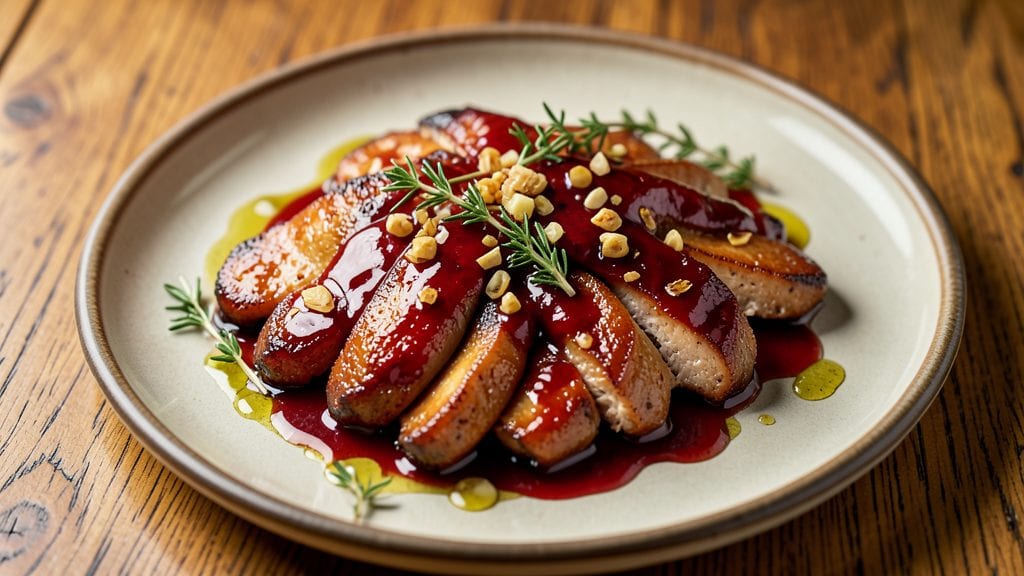
By the time you plate it, you’ll have a dish that looks as striking as it tastes—golden-brown and glossy, with a sauce that clings to every bite. The slow-cooking method ensures the meat stays moist while developing a caramelized crust that adds texture.
Whether you serve it with mashed potatoes, crusty bread, or a fresh salad, this recipe delivers a professional-quality result that feels special without requiring advanced skills.
For those new to chicken tongues, don’t let the preparation intimidate you—the process is straightforward once you know the steps. The marinade and slow cooking do most of the work, leaving you with a dish that’s foolproof and unforgettable. Let’s get started on creating something truly remarkable.
Ingredients for chicken tongue
Fifteen ingredients transform humble chicken tongues into velvety, restaurant-quality bites.
| Ingredient | Amount | Notes |
|---|---|---|
| Chicken Tongues 🐔 | 1 ½ lb | Fresh, cleaned, trimmed of excess fat |
| Red Wine Vinegar 🍷 | ½ cup | For marinade acidity |
| Olive Oil 🫒 | ½ cup | Extra-virgin for richness |
| Garlic Cloves 🧄 | 6 cloves | Peeled, smashed for infusion |
| Shallots 🧅 | 2 whole | Minced, for aromatic depth |
| Fresh Thyme 🌿 | ¼ cup | Leaves only, finely chopped |
| Bay Leaves 🍃 | 2 whole | For subtle earthy flavor |
| Black Peppercorns 🌶️ | 1 tbsp | Coarsely cracked, not ground |
| Kosher Salt 🧂 | 1 ½ tbsp | Diamond Crystal preferred |
| Chicken Stock 💧 | 4 cups | Homemade or high-quality store-bought |
| Tomato Paste 🍅 | 2 tbsp | For umami depth |
| Dried Porcini Mushrooms 🍄 | ½ oz | Rehydrated for earthy richness |
| Red Wine 🍷 | 1 cup | Bold dry red like Cabernet |
| Balsamic Vinegar 🍷 | 1 tbsp | For sauce complexity |
| Honey 🍯 | 1 tbsp | For subtle sweetness |
The chicken tongues are the star—look for plump, pale-pink tongues at specialty butchers or online meat suppliers like D'Artagnan. Freshness matters most; avoid any with a strong odor or grayish tint. If you can't find them fresh, frozen is fine—just thaw overnight in the fridge. The marinade does most of the work here, so don't skimp on the red wine vinegar and olive oil—they tenderize while building flavor. I always double-check my shallots for sandiness by rinsing them thoroughly before chopping.
No red wine vinegar? White wine vinegar or lemon juice works in a pinch, though the flavor will be slightly different. Fresh thyme is ideal, but dried thyme at one-third the amount gets you close. The porcini mushrooms add incredible depth—if you can't find dried, cremini mushrooms work but won't have the same earthy punch. For the chicken stock, homemade is best, but Pacific Foods or Kettle & Fire brands are solid store-bought options. The tomato paste can be the squeeze-tube kind from Trader Joe's—it's perfect for small amounts and keeps forever.
This dish rewards patience—slow cooking is non-negotiable. The sauce thickens beautifully, so you can easily double the recipe for leftovers. Store in airtight containers for up to 5 days, though it tastes even better the next day as flavors meld. The tongues keep well in the freezer for up to 3 months if you want to prep ahead. I always make extra sauce—it's perfect for drizzling over roasted vegetables or polenta.
Why You'll Love This Recipe
- No-Fuss Simmer: I swear by this recipe because it’s basically hands-off after the initial prep. While the tongues soak in red wine vinegar—removing that funky gamey taste—you’re free to chop shallots or even just sip your coffee. The real magic happens when you toss everything into one pot and let it braise; 45 minutes later, you’ve got tender, restaurant-quality bites with almost no effort.
- Umami Bomb: That first bite? Rich, deep, and satisfying. The red wine vinegar cuts through the richness of the chicken tongues while the garlic and shallots caramelize into something almost sweet—like a cross between a charcuterie board and a cozy stew. Honestly, it’s the kind of flavor that makes you close your eyes and think, “This is what home cooking should taste like.”
- Weeknight to Potluck: This dish works everywhere. Need a last-minute weeknight dinner? Done. Bringing something to a picnic or family gathering? Perfect. The leftovers actually improve over time—better the next day as the flavors meld. And between us, it’s one of those dishes that sounds fancy but costs way less than takeout.
- Budget Upgrade: Chicken tongues are a secret weapon for stretching a meal without sacrificing flavor. A pound goes a long way, and the vinegar marinade keeps them juicy without needing fancy cuts. I’ll be real: it’s my go-to when I want to feel like I’m treating myself without breaking the bank. Plus, the leftovers reheat like a dream—no dry, sad meat here.
Step-by-step instructions for slow-cooked chicken tongue
Here's how to transform simple ingredients into melt-in-your-mouth chicken tongue with deep, complex flavors.
Prepare and Marinate the Chicken Tongues
Start by rinsing the 1.5 lb chicken tongues under cold water and patting them completely dry with paper towels. This step is crucial—any moisture left on the tongues will prevent proper browning later. Using a sharp knife, trim away any excess fat or connective tissue, leaving the tongues clean and ready for cooking.
In a large bowl, combine the 0.5 cup red wine vinegar, 0.5 cup olive oil, 1.5 tbsp kosher salt, and 1 tbsp coarsely cracked black peppercorns. Add the prepared chicken tongues to the marinade, turning them to coat evenly. Cover the bowl and refrigerate for at least 4 hours, or preferably overnight. This long marinade breaks down the collagen in the tongues, ensuring they become fork-tender while infusing them with bright, acidic flavors. The acidity in the vinegar also helps tenderize the meat, making it melt-in-your-mouth tender.
Build the Aromatic Base and Sear the Tongues
Remove the chicken tongues from the marinade, reserving the liquid for later use. In a large Dutch oven or heavy pot, heat 0.5 cup olive oil over medium-high heat until shimmering. Add the tongues in a single layer, ensuring they don't overcrowd the pot. Sear for 3-4 minutes per side until deeply golden brown. You'll see the edges develop a rich, caramelized crust—this is your signal that the Maillard reaction is working its magic.
Once browned, remove the tongues and set them aside. In the same pot, add the 6 cloves smashed garlic cloves and 2 minced shallots, cooking for 1-2 minutes until fragrant. Stir in the 2 tbsp tomato paste and cook for another 30 seconds, allowing it to darken slightly. This step builds a flavorful foundation for your sauce, ensuring every bite of the finished dish carries depth and complexity.
Simmer the Tongues in Flavorful Liquid
Pour the reserved marinade into the pot with the garlic and shallots, scraping up any browned bits from the bottom. Add the 4 cups chicken stock, 1 cup red wine, 2 whole bay leaves, 0.25 cup fresh thyme leaves, and the seared chicken tongues. Bring the mixture to a gentle simmer, then reduce the heat to low and cover the pot. Let it cook for 2.5 to 3 hours, until the tongues are fork-tender and easily pull apart. The liquid should have reduced significantly, creating a rich, velvety sauce that clings to the meat.
Here's the thing—don't be tempted to rush this step. The slow cooking is what transforms tough collagen into silky, melt-in-your-mouth texture. You'll know it's done when a fork slides through the tongues with minimal resistance, and the sauce has thickened to a luxurious consistency. The bay leaves and thyme will infuse the liquid with subtle earthy notes, while the red wine adds a touch of brightness that balances the richness.
Finish with Porcini and Sweet-Savory Touches
While the tongues simmer, prepare the 0.5 oz dried porcini mushrooms by soaking them in 1 cup hot water for 20 minutes. Drain the mushrooms, reserving the soaking liquid, and finely chop them. Stir the chopped porcini and their soaking liquid into the pot with the chicken tongues. Add the 1 tbsp balsamic vinegar and 1 tbsp honey, then simmer uncovered for an additional 15-20 minutes until the sauce has thickened slightly and the flavors have melded together.
The porcini mushrooms add an unmistakable earthy depth, while the balsamic vinegar and honey create a beautiful balance of sweet and tangy notes. Taste the sauce and adjust the seasoning with additional kosher salt if needed. The finished dish should have a harmonious blend of savory, sweet, and slightly acidic flavors that make every bite irresistible.
Rest and Serve with Confidence
Remove the chicken tongues from the pot and let them rest for 10 minutes before serving. This resting period allows the juices to redistribute, ensuring each bite is moist and flavorful. Skim any excess fat from the surface of the sauce if desired, then ladle the rich, aromatic liquid over the tongues.
Serve the chicken tongues warm, accompanied by crusty bread to soak up every last drop of the luxurious sauce. The contrast of the tender, melt-in-your-mouth meat with the bold, complex sauce is what makes this dish truly special. Each bite should deliver layers of flavor—savory from the searing, umami from the porcini, and a touch of sweetness from the honey—that make it unforgettable.
Pro Tips For Making Chicken Tongue
- SCORE THE TONGUES: Use a sharp knife or kitchen mallet to make shallow cuts (about ¼-inch deep) along both sides of each tongue before cooking. This keeps them from curling up like a stubborn toddler during braising—so they stay flat and soak up all that garlic-shallot-wine magic.
- SOAK THEM FIRST: Toss raw chicken tongues in cold water for 30 minutes before searing—this removes any lingering blood and slimy residue. I learned this the hard way after biting into a chewy, iron-tinged mess. Trust me, the rinse saves your teeth.
- LOW AND SLOW: After searing, reduce heat to a gentle simmer (180°F/82°C) and cover the pot. Chicken tongues need 2–2.5 hours to tenderize—rushing it turns them into leather. Check occasionally and add water if the liquid drops below halfway up the tongues.
- DEGLAZE WITH VINEGAR: After browning the garlic and shallots, splash in 2 tablespoons of red wine vinegar before adding the wine. The acid cuts through the fat and lifts flavors off the pan—no sticky mess, just bright, layered taste. (Yes, even if you’re impatient like me.)
Troubleshooting this recipe
Gamey Taste Lingers
The most common issue with chicken tongues is an unpleasant, gamey flavor that can overpower the dish. This happens when tongues aren't properly cleaned or marinated long enough. I always recommend soaking the tongues in milk or buttermilk for 30 minutes before marinating to remove blood and impurities.
For extra insurance, add 1 tbsp baking soda to the marinade—it neutralizes any lingering gameiness while tenderizing the meat. 💡
Tough, Chewy Texture
If your chicken tongues remain tough after cooking, it’s likely due to insufficient cooking time or improper temperature control. The collagen needs 2.5-3 hours of slow simmering at 180-190°F to fully break down.
I use a meat thermometer to monitor internal temperature—aim for 195°F for perfect tenderness. Never rush this step; patience is key to achieving that melt-in-your-mouth texture.
Sauce Too Thin or Watery
A watery sauce usually means the liquid wasn’t reduced enough. To fix this, simmer the tongues uncovered for an additional 10-15 minutes to thicken the sauce naturally. If it’s still too thin, remove the tongues and reduce the sauce separately over medium-high heat until it reaches a syrupy consistency.
For extra richness, stir in 1 tbsp cold butter or a splash of heavy cream at the end. 🍲
Uneven Browning or Pale Color
Pale or unevenly browned chicken tongues often result from overcrowding the pan during searing. To avoid this, sear the tongues in batches if needed, ensuring they develop a deep golden crust. I use a 12-inch cast-iron skillet for even heat distribution and never exceed 3-4 minutes per side.
If the tongues look pale after searing, brush them with a little more olive oil and sear again until caramelized.
Dried-Out Meat
Dry chicken tongues typically happen when they’re cooked too long at high heat or not rested properly. Once the tongues reach 195°F internal temperature, remove them from the pot and tent loosely with foil.
Let them rest for 10-15 minutes before serving—this allows juices to redistribute. If they’re still dry, reheat them gently in the sauce over low heat for just 5 minutes to revive moisture.
Porcini Mushrooms Too Strong
If the porcini flavor overpowers the dish, reduce the amount to 0.25 oz (instead of 0.5 oz) or skip them entirely. For a milder earthy note, use cremini mushrooms instead, but soak them for 10 minutes (not 20) to avoid bitterness.
The key is balance—the porcini should enhance, not dominate, the savory profile of the tongues. Taste the sauce before serving and adjust with a pinch of salt or honey if needed. ✨
Nutrition facts
Frequently asked questions
Why do chicken tongues need such a long marinade?
The extended marinade (at least 4 hours, overnight is best) is essential for breaking down the dense collagen in chicken tongues. The acidity from red wine vinegar and olive oil tenderizes the meat while infusing it with flavor. This step transforms tough connective tissue into silky, melt-in-your-mouth texture that's impossible to achieve with quick cooking methods.
Can I substitute chicken tongues with other offal?
While chicken tongues are ideal for this recipe, you could try beef tongues (simmer for 4-5 hours) or pork tongues (simmer for 3 hours). However, the texture and flavor will differ slightly. For a poultry alternative, chicken livers or hearts work in some braised dishes, but they require different preparation techniques and won't have the same tenderizing process.
How do I know when chicken tongues are properly cooked?
Use a meat thermometer to check for 195°F internal temperature—this ensures the collagen has fully broken down. The tongues should also be fork-tender, easily pulling apart with minimal resistance. If they're still firm, return them to the pot and simmer for another 30-45 minutes. Never rely on visual cues alone, as the exterior can look cooked while the interior remains tough.
What are the best ways to serve this dish?
This rich, slow-cooked dish pairs beautifully with crusty bread for soaking up the sauce, creamy mashed potatoes, or roasted root vegetables. For a complete meal, serve with a crisp green salad or steamed greens to balance the richness. The sauce also makes an excellent drizzle over polenta or risotto for leftovers.
Can I make this recipe ahead of time?
This dish actually tastes better the next day as flavors meld together. Store in an airtight container in the refrigerator for up to 5 days. Reheat gently in the sauce over low heat for 10 minutes before serving. For longer storage, freeze the tongues and sauce together for up to 3 months, thawing overnight in the fridge before reheating.