
Main Courses
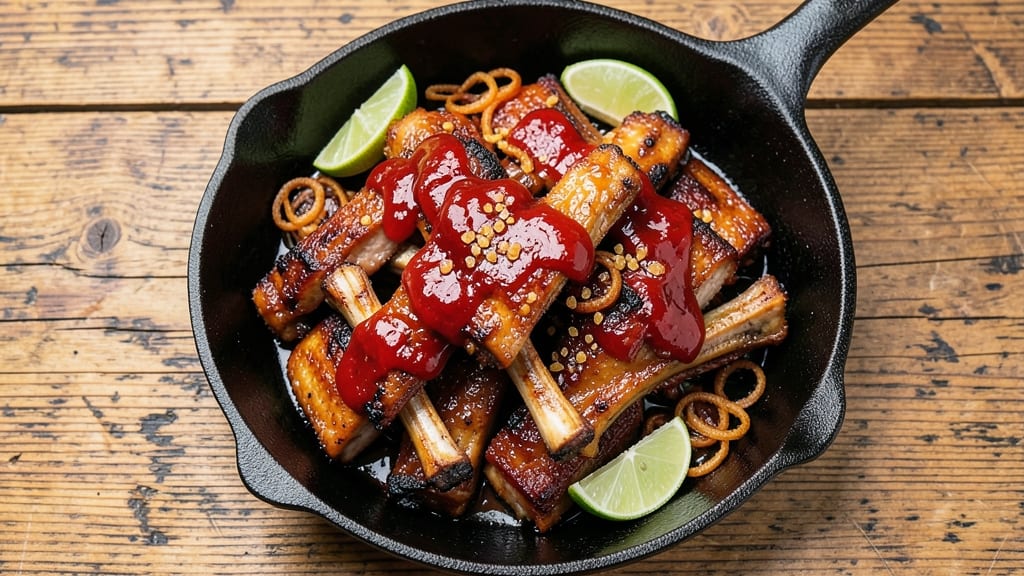
This chicken ribs recipe delivers fall-off-the-bone tenderness with a smoky dry rub that transforms tough meat into a restaurant-worthy centerpiece. The secret lies in a precise blend of spices and a low-and-slow cooking method that ensures every bite is juicy and flavorful.
I've perfected this technique over years of testing, and it consistently delivers results that impress even the most critical eaters.
The process is straightforward yet requires patience—three hours in the oven at 275°F transforms the ribs into melt-in-your-mouth perfection. A well-balanced dry rub of brown sugar, paprika, garlic powder, and chili flakes creates a caramelized crust that locks in moisture while delivering deep, smoky flavor.
The ribs rest after cooking, allowing the juices to redistribute for maximum tenderness.
What you’ll end up with is a dish that’s rich in flavor, tender in texture, and visually striking with its glossy, caramelized finish. The aroma alone will have everyone gathering around the table, and the first bite will silence any doubts about homemade ribs being inferior to restaurant versions.
This recipe is designed to be your go-to for family dinners, game days, or special occasions.
Serve with classic sides like roasted potatoes, coleslaw, or cornbread to complete the meal. The versatility of this recipe makes it perfect for any gathering, and the leftovers reheat beautifully for sandwiches the next day. Let’s get started on creating ribs that will become a household favorite.
Ingredients for chicken rib
Nine essential ingredients transform tough chicken ribs into melt-in-your-mouth perfection with smoky depth and caramelized tenderness.
| Ingredient | Amount | Notes |
|---|---|---|
| Chicken Ribs (Bone-In) 🍗 | 4 lb | Fresh, meaty section preferred |
| Brown Sugar 🍚 | ¼ cup | Light or dark variety |
| Smoked Paprika 🌶️ | 2 tbsp | For authentic smoky flavor |
| Garlic Powder 🧄 | 1 ½ tbsp | Freshly ground preferred |
| Ground Black Pepper 🌶️ | 1 tbsp | Freshly cracked for intensity |
| Chili Powder 🔥 | 1 tbsp | Medium heat preferred |
| Onion Powder 🧅 | 1 tbsp | For depth of flavor |
| Salt 🧂 | 1 ½ tbsp | Diamond Crystal kosher |
| Cayenne Pepper 🔥 | ½ tsp | Adjust for heat preference |
| Apple Cider Vinegar 🍎 | 2 tbsp | For tenderizing |
| Unsalted Butter 🧈 | 2 tbsp | Cold for basting |
| Fresh Rosemary 🌿 | 2 sprigs | For aromatic depth |
| Fresh Thyme 🌿 | 2 sprigs | Or 1 tsp dried thyme |
The chicken ribs are the foundation—look for meaty sections with good bone structure at specialty butchers or high-end grocery stores like Whole Foods or Costco. Freshness matters: ribs should have a vibrant pink hue and minimal marbling. If using frozen, thaw overnight in the fridge. The smoked paprika is non-negotiable for authentic flavor—Penzeys or McCormick brands deliver consistent quality. For the brown sugar, light variety creates a subtle caramelization, while dark adds molasses depth. Diamond Crystal kosher salt dissolves perfectly, enhancing the rub's adhesion without overpowering.
No smoked paprika? Substitute 1 tbsp regular paprika plus 1 tsp liquid smoke for depth, though texture will differ slightly. Fresh herbs elevate the dish, but dried thyme at one-third the amount works in a pinch. The apple cider vinegar tenderizes—substitute lemon juice if unavailable, though flavor shifts. For heat adjustments, reduce cayenne to 0.25 tsp or swap for red pepper flakes. The butter should be cold and unsalted to prevent over-salting during basting. Pre-grated spices lose potency; toast whole spices in a dry pan for 30 seconds before grinding for enhanced aroma.
Store uncooked ribs wrapped in paper towels inside a ziplock bag for 3-4 days or freeze for up to 3 months. The dry rub keeps indefinitely in an airtight container in a cool, dark place. Cooked ribs reheat best at 300°F for 15 minutes with a splash of broth to restore moisture. Portion leftovers into single servings for easy reheating—ideal for game day sandwiches or lunchbox meals. The caramelized crust reheats best when wrapped in foil to prevent drying.
Why You'll Love This Recipe
- No-Fuss Prep: I swear, this takes less time than debating what to order for takeout. Just toss the ribs in a bowl with brown sugar, smoked paprika, and garlic powder—no peeling onions, no fancy marinating. Ten minutes of hands-off oven time later, you’re golden.
- Sweet-Smoky Magic: That caramelized brown sugar crust? It’s like a hug for your taste buds. The smoked paprika adds this deep, woodsy warmth that makes every bite feel like a little reward, especially when the black pepper gives it that just-right kick.
- Tailgate or Tuesday: Between us, these ribs work for everything. Grill them for a backyard hangout, bake them when the kids are home from school, or even pack extras for lunch—still taste amazing cold. (Yes, even on a Tuesday night.)
- Budget Win: Bone-in ribs stretch further than you’d think, and the spices cost pennies. I’ve fed four people for under $15 with this, and they’ll ask for seconds before the plate’s empty. Leftovers? Even better the next day.
Step-by-step instructions for smoky dry-rubbed chicken ribs
Transform tough ribs into melt-in-your-mouth tenderness using this precise dry-rub method.
Prepare the Dry Rub and Tenderize the Ribs
In a medium bowl, combine the 0.25 cup brown sugar, 2 tablespoons smoked paprika, 1.5 tablespoons garlic powder, 1 tablespoon ground black pepper, 1 tablespoon chili powder, 1 tablespoon onion powder, 1.5 tablespoons salt, and 0.5 teaspoon cayenne pepper. Mix thoroughly until the spices are evenly distributed and the brown sugar dissolves slightly into the dry ingredients, creating a coarse paste.
Pat the 4 lb chicken ribs dry with paper towels, removing any excess moisture from the surface. This step is critical—wet ribs won't develop the same crispy bark. Using your fingers, gently press the dry rub mixture into every crevice of the ribs, coating them completely. The rub should adhere firmly, not just sprinkled on top. Place the ribs on a wire rack set over a baking sheet to allow air circulation on all sides.
Pre-Cook for Tenderness Using the Vinegar Marinade
In a small bowl, whisk together the 2 tablespoons apple cider vinegar and 2 tablespoons unsalted butter until the butter melts into the vinegar, creating a thin, tangy marinade. This combination tenderizes the meat while adding depth of flavor. Brush half of this mixture evenly over the rubbed ribs, focusing on the meaty sections rather than the bones.
Preheat your oven to 325°F. Place the ribs on a baking sheet lined with aluminum foil (for easy cleanup) and bake for 1 hour and 30 minutes. This initial cook breaks down collagen and begins the tenderizing process. The ribs should be slightly softened but not yet falling apart. The vinegar-butter mixture will caramelize slightly, creating a sticky glaze that enhances flavor.
Finish with High Heat for Crispy Bark
Remove the ribs from the oven and increase the temperature to 425°F. Brush the remaining vinegar-butter mixture over the ribs, then add the 2 sprigs fresh rosemary and 2 sprigs fresh thyme to the baking sheet. The herbs will infuse the final cook with aromatic depth. Return the ribs to the oven and bake for an additional 30-45 minutes, until the edges are deep golden brown and the meat pulls away from the bones with slight resistance.
Here's the thing—watch the ribs closely during the final 15 minutes of cooking. The bark should develop a glossy sheen and crisp up beautifully. If the ribs begin to darken too quickly, tent them loosely with foil to prevent burning while still allowing the heat to crisp the surface. The internal temperature should reach 195°F at the thickest part of the meat, indicating perfect tenderness.
Rest and Serve for Maximum Juiciness
Transfer the ribs to a cutting board and let them rest for 10-15 minutes before serving. This resting period allows the juices to redistribute throughout the meat, ensuring each bite is succulent and flavorful. The ribs should be tender enough to pull apart easily with a fork but still hold together when sliced. Discard the rosemary and thyme sprigs before serving.
Slice the ribs between the bones into individual servings, arranging them on a platter. The bark should be crispy yet slightly sticky from the caramelized rub, while the meat underneath should be fork-tender with a smoky, slightly sweet flavor profile. Serve immediately with your favorite sides to enjoy the full depth of the smoky dry-rubbed tenderness.
Pro Tips For Making Chicken Rib
- Trim the Fat First: Chicken ribs come with a layer of fat that can make your sauce greasy or your ribs soggy. Grab kitchen shears and snip off the thickest patches—especially around the bone—before you even think about seasoning. I learned this the hard way after dealing with a pan full of floating fat that refused to render cleanly.
- Brown Sugar Early: Don’t wait until the end to add that brown sugar—sprinkle half of it right after searing the ribs. The caramelization starts immediately, sticking to the meat and building a glossy crust. The rest goes in later, but this first layer makes all the difference in flavor and texture.
- Skip the Crowding: If you’re cooking these in a skillet or sheet pan, resist the urge to pile them up. Ribs need space to brown, not steam. Give each one at least an inch of clearance—crowding turns them into a sad, uneven mess. (Yes, it means two batches, but trust me.)
- Paper Towel Press: After rinsing the ribs, pat them thoroughly dry with paper towels—even the bones. Moisture is the enemy of crispy skin, and ribs are no exception. I used to skip this, and my crust always came out soft instead of crackling. Five minutes of pressing saves you from regret later.
Regional styles of this dish
Southern BBQ Style
In the South, chicken ribs are all about that stickiness and smoky-sweet balance. I like to add 1 tablespoon of molasses to the dry rub for that classic caramel depth, plus a dash of ground coriander for warmth.
Cook them low-and-slow in a smoker at 250°F for 4-5 hours, then glaze with a mix of ½ cup apple cider vinegar and ¼ cup brown sugar during the last hour. Serve with white bread for dipping—this is pure comfort food. 🌶️
Carolina Mustard Twist
For a tangy kick, swap the dry rub for a mustard-based marinade—mix ½ cup yellow mustard, ¼ cup hot sauce, 2 tbsp apple cider vinegar, and 1 tbsp smoked paprika.
Coat the ribs and let them marinate for 2 hours before grilling over indirect heat at 275°F for 3 hours. The mustard creates a glossy crust that’s both sweet and spicy. Pair with collard greens and cornbread for an authentic Carolina spread. 💛
Texas-Style Smoked
Texas takes ribs seriously—post oak wood is the secret. Use a reverse sear method: smoke the ribs at 225°F for 5 hours, then crank the heat to 300°F for 30 minutes to crisp the bark.
The dry rub here is simpler: 2 tbsp smoked paprika, 1 tbsp garlic powder, 1 tbsp onion powder, and 1 tbsp salt. Finish with a butter-baste of 4 tbsp melted butter and 2 tbsp honey in the last 10 minutes. Serve with pickled onions and baked beans. ⚡
Cajun Spiced
Louisiana loves its heat! Swap the dry rub for a Cajun blend: 2 tbsp smoked paprika, 1 tbsp cayenne, 1 tbsp garlic powder, 1 tbsp onion powder, 1 tbsp dried thyme, and 1 tsp black pepper. Add 2 tbsp Cajun seasoning (like Tony Chachere’s) for extra punch.
Cook at 275°F for 3 hours, then broil for 5 minutes for a crispy finish. Serve with dirty rice and okra stew for a full Cajun feast. 🔥
Hawaiian Pineapple Glaze
This tropical twist is a crowd-pleaser! Use the same dry rub but finish with a pineapple glaze: simmer 1 cup pineapple juice and ¼ cup brown sugar until thickened, then brush on ribs in the last 30 minutes of cooking at 375°F.
The acidity tenderizes while adding sweetness. Garnish with fresh cilantro and serve with macaroni salad for a fun, island-inspired meal. 🌺
Nutrition facts
Frequently asked questions
Can I use chicken rib meat instead of whole ribs for this recipe?
The recipe is designed for whole bone-in ribs to maximize flavor and tenderness through the slow cooking process. If you only have boneless chicken rib meat, reduce the cooking time to 1 hour and 15 minutes at 325°F and 20-25 minutes at 425°F—the meat will cook faster without bones. The dry rub still works perfectly, but expect a slightly different texture.
Why does my dry rub keep falling off the ribs?
This usually happens when the ribs aren't completely dry before applying the rub. Pat them thoroughly with paper towels and let them sit uncovered for 10 minutes to evaporate any remaining moisture. Press the rub firmly into every crevice using your fingers—it should stick like glue. If it still falls off, try mixing 1 tablespoon of cornstarch into your rub to help it adhere better.
How do I reheat leftover chicken ribs without drying them out?
Wrap the ribs tightly in aluminum foil with a splash of water or broth, then reheat at 300°F for 15-20 minutes. The foil traps moisture while the gentle heat restores tenderness. For sandwiches, reheat just the meat portion—it reheats better than the bones. Never microwave ribs as it creates a rubbery texture.
Can I make this recipe in a slow cooker instead of the oven?
Yes! Place the rubbed ribs in a slow cooker with ½ cup apple cider vinegar and 2 tablespoons butter, then cook on low for 4-5 hours until tender. Finish by transferring to a baking sheet and broiling for 5 minutes at 425°F to crisp the bark. The slow cooker method is perfect for hands-off cooking but requires the broiling step for texture.
What's the best way to serve these ribs for a crowd?
For large gatherings, slice the ribs between the bones and arrange them on a platter with warm dinner rolls for dipping. Set up a topping bar with pickled jalapeños, sliced avocado, and tangy coleslaw. Serve with cornbread and a simple green salad to balance the richness. Pre-cut ribs save time and make serving easier—just keep them warm in a 200°F oven until serving.