Main Courses
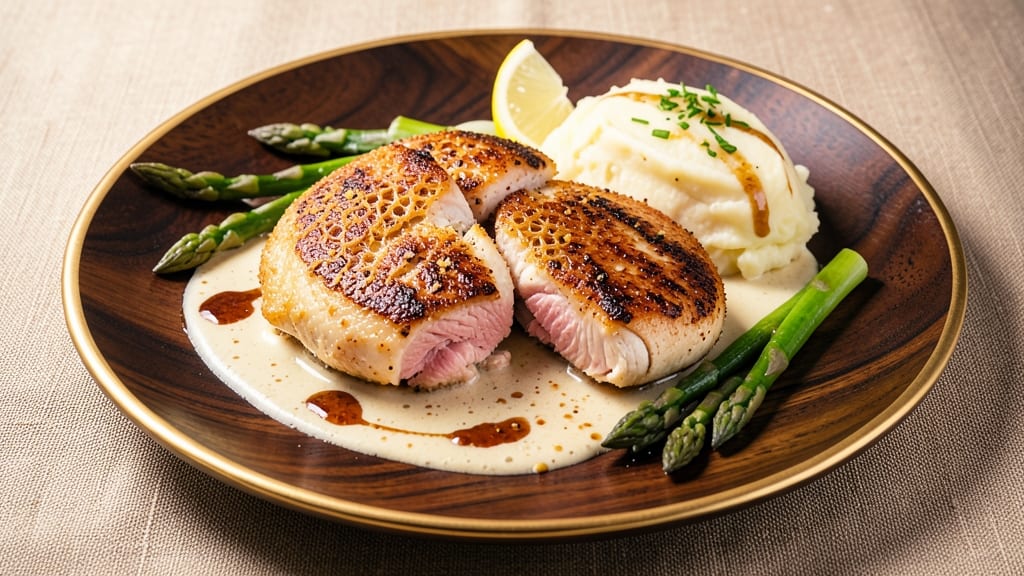
This chicken francese Maggiano’s recipe brings that iconic restaurant-style lemon butter crunch straight to your kitchen—no wait required. The secret lies in perfectly breaded chicken and a bright, herby white wine sauce that balances richness with acidity.
I’ve replicated the technique that makes this dish a staple on Italian-American menus, ensuring tender, golden-brown chicken with a sauce that’s both elegant and approachable.
This recipe focuses on three key elements: a crisp, even breading that stays intact during frying, a sauce that reduces to just the right consistency, and a touch of lemon that brightens every bite. The process is straightforward—no fancy equipment required—but the results are undeniably impressive.
The chicken stays juicy inside while developing a satisfying crunch, and the sauce clings beautifully, making it ideal for serving over pasta or with a side of roasted vegetables.
What sets this version apart is the balance of flavors: the buttery richness of the sauce is cut by the acidity of lemon and white wine, while fresh herbs add depth.
The breading, made with a mix of flour and cornstarch, ensures a crisp exterior that holds up even when sliced. It’s the kind of dish that feels special but is simple enough for a weeknight dinner, with a technique you can master in under an hour.
Whether you’re hosting a dinner party or treating yourself to a restaurant-worthy meal at home, this Chicken Francese delivers the same satisfaction as your favorite Italian-American spot.
The sauce can be made ahead and reheated, and the chicken cooks quickly, so you’ll have time to focus on plating—because presentation matters just as much as taste. Let’s get started on recreating that Maggiano’s magic in your own kitchen.
Ingredients for chicken francese maggiano's
Fourteen ingredients. Three key steps. Maggiano's magic at home.
| Ingredient | Amount | Notes |
|---|---|---|
| Boneless, Skinless Chicken Breasts 🍗 | 1 ½ lb | Pounded to even thickness |
| All-Purpose Flour 🌾 | 1 cup | For breading, sifted lightly |
| Cornstarch 🌾 | ¼ cup | For extra crispiness |
| Large Eggs 🥚 | 2 whole | Room temperature preferred |
| Unsalted Butter 🧈 | ½ cup | Cold, cubed for sauce |
| Dry White Wine 🍷 | ½ cup | Sauvignon Blanc preferred |
| Fresh Lemon Juice 🍋 | ¼ cup | From 2-3 fresh lemons |
| Chicken Broth 💧 | ½ cup | Low-sodium preferred |
| Fresh Parsley 🌿 | ¼ cup | Chopped, for garnish |
| Fresh Basil 🌿 | ⅛ cup | Chopped, for sauce |
| Garlic Cloves 🧄 | 4 cloves | Minced for sauce |
| Salt 🧂 | 1 ½ tsp | Kosher or sea salt |
| Ground Black Pepper 🌶️ | ½ tsp | Freshly ground |
| Vegetable Oil 🫒 | 2 cups | For frying, high smoke point |
The chicken breasts are non-negotiable here—look for plump, even-sized ones at the grocery store's seafood case (yes, they keep chicken there too). Pounding them to even thickness ensures perfect cooking. I grab mine from Whole Foods or Trader Joe's—they tend to have fresher cuts. For the wine, Sauvignon Blanc is ideal, but any dry white will work. The butter? Use European-style if you can—it's richer and browns better. Fresh herbs are a must for that restaurant-quality sauce, but dried parsley in a pinch works too (use half the amount).
No white wine? Chicken broth with a splash of lemon juice gets you close. The cornstarch is crucial for that crispy breading—don't skip it. For the herbs, if you're short on basil, Italian seasoning at half the amount works. The garlic can be pre-minced from a jar (I won't judge), but fresh is always better. Want extra flavor? Add a pinch of nutmeg or lemon zest to the sauce. And if you're frying the chicken, use a deep, heavy pan like cast iron—it holds heat better and gives you that perfect crunch.
The sauce reheats beautifully—just warm it gently on the stove. Store leftovers in the fridge for 3-4 days, covered with plastic wrap pressed right on the surface to keep it fresh. For the chicken, eat it within 2 days or freeze for up to 3 months. I like to portion the sauce into small containers—perfect for drizzling over pasta or roasted veggies later in the week. The breading stays crispy if you reheat the chicken in a skillet with a splash of butter for about 2 minutes per side.
Why You'll Love This Recipe
- Five-Ingredient Magic: I swear by this—just chicken, flour, cornstarch, eggs, and butter. That’s it. No fancy marinades or last-minute shopping runs. The secret’s in the double-dredge technique: the flour-cornstarch mix gives it that signature crispy crunch, while the egg wash locks in moisture. Honestly, it’s the kind of recipe that makes me feel like a chef without the stress.
- Restaurant Crunch at Home: Between us, Maggiano’s does this right—they nail that golden, shatter-prone crust with a creamy, juicy center. The butter in the flour mix isn’t just flavor; it’s the game-changer. Pan-sear it until it’s deep golden, and you’ll get that same satisfying snap you crave. (Yes, even on a Tuesday night.)
- Lunchbox Hero: Here’s what sold me—this keeps perfectly for days. Pack the leftovers cold for sandwiches, or reheat them in a skillet with a splash of water to revive that crisp. My kids actually eat their lunches now. Not the prettiest, but the taste makes up for it, and it’s my go-to for school lunches or office meals.
- Budget Boost: Chicken breasts are cheap, and this recipe stretches them further than grilling ever could. The flour and cornstarch are pantry staples, and you’ll use up those eggs before they go bad. I’ll be real: it’s my secret weapon for feeding a crowd without breaking the bank. Plus, the leftovers turn into next-day frittatas or salads—zero waste.
Step-by-step instructions for Maggiano's-style lemon butter crunch
This classic Italian-American dish delivers crispy golden chicken with a bright, tangy lemon butter sauce.
Prepare the Chicken and Breading Station
Place the 1.5 lb boneless, skinless chicken breasts between two sheets of plastic wrap and pound them to an even ½-inch thickness using a meat mallet. This ensures even cooking and prevents dryness. Season both sides generously with 1 teaspoon of the 1.5 tsp salt and ¼ teaspoon of the 0.5 tsp ground black pepper.
In a shallow dish, whisk together the 1 cup all-purpose flour and 0.25 cup cornstarch. This combination creates that signature crispy crust. Place the seasoned chicken in another shallow dish and crack the 2 whole large eggs into a third dish. Whisk the eggs lightly with a fork - they should be just beaten, not frothy.
Create the Crispy Breading
Heat the 2 cups vegetable oil in a large skillet to 350°F. You'll want to use a deep-fry or candy thermometer for accuracy - the oil should be hot but not smoking. Working in batches to avoid crowding, dip each chicken breast first into the egg mixture, letting excess drip off, then coat thoroughly in the flour mixture. Press gently to adhere the breading.
Carefully slide the breaded chicken into the hot oil. Cook for 4-5 minutes per side until golden brown and cooked through to an internal temperature of 165°F. Transfer to a wire rack set over a baking sheet to drain excess oil. Keep warm in a 200°F oven while you prepare the sauce.
Make the Lemon Butter Sauce
In the same skillet (no need to clean it - those browned bits add flavor), melt the 0.5 cup unsalted butter over medium heat. Add the 4 minced garlic cloves and cook for 30 seconds until fragrant. Pour in the 0.5 cup dry white wine and scrape up any browned bits from the bottom of the pan.
Simmer for 2-3 minutes until the wine reduces by half. Add the 0.5 cup chicken broth and remaining 0.5 teaspoon salt, then stir in the 0.25 cup fresh lemon juice. Bring to a gentle simmer and let cook for 3-4 minutes until slightly thickened. Remove from heat and whisk in the 0.25 cup fresh parsley and 0.125 cup fresh basil.
Combine and Serve
Return the chicken to the skillet with the sauce and spoon the sauce generously over each piece. Let it heat through for 1-2 minutes, basting the chicken with the sauce. The chicken should be coated in that glossy, tangy lemon butter mixture.
Transfer to serving plates immediately, garnished with additional fresh parsley if desired. Serve with your choice of pasta or crusty bread to soak up every last bit of that delicious sauce. The contrast of crispy chicken with the bright, buttery lemon sauce makes this dish truly special.
Pro Tips For Making Chicken Francese Maggiano'S
- Pound Chicken Evenly: Use a meat mallet or rolling pin to flatten breasts to a ¼-inch thickness—this ensures even cooking and a consistent crust. I learned the hard way when one side was overcooked and dry while the other stayed raw.
- Mix Flour-Cornstarch Dry: Whisk 1 cup flour + 2 tablespoons cornstarch together in a shallow dish before dredging—this prevents clumping and guarantees a light, crispy coating. I used to just dump them in and ended up with a gluey mess.
- Wait 30 Seconds After Dredging: Let the floured chicken sit 30 seconds before frying—this gives the coating time to adhere fully. Rushing it leads to chunks falling off, and nobody wants that in their crispy perfection.
- Use Cold Butter: Chill the butter for the pan sauce until it’s just firm before adding the chicken juices—this creates a silky, emulsified sauce instead of a greasy blob. I was skeptical until I tried it; now I never skip it.
Regional styles of these flavors
Italian-American Roots
This dish traces its origins to classic Italian-American cuisine, where chicken francese became a staple in restaurants like Maggiano's. The technique was inspired by French sauce française (a light white wine sauce), adapted with Italian flavors like lemon and herbs.
In the 1950s, Italian-American restaurants began serving it as a signature entrée, often paired with fettuccine Alfredo or garlic bread. The key difference from French cuisine is the double breading technique—flour, egg, and cornstarch—creating that iconic crunch. 💛
Florida-Style Adaptation
In Florida, Maggiano's introduced a slightly sweeter twist by adding a touch of honey (about 1 teaspoon) to the lemon butter sauce. This balances the acidity and complements the state's love for citrus. Locals often serve it with orange roughy or shrimp scampi as a seafood alternative.
The Florida version also tends to use heavier breading—sometimes including panko—for extra texture. I’ve found this works especially well if you’re frying the chicken in avocado oil (common in Florida kitchens).
New England Crispiness
Up north, particularly in New England, the focus shifts to an even crunchier breading using half cornstarch, half flour (like the original recipe) but with an extra step: dredging the chicken twice in the flour mixture before frying.
This creates a three-layer crust—egg, flour, and a final flour coat—that stays crispy even when reheated. The sauce here often includes a pinch of nutmeg (about ¼ teaspoon) for warmth, a nod to the region’s love of spiced dishes.
Serve with buttery lobster rolls for a coastal twist. ✨
California Fusion Twist
West Coast chefs, including those at Maggiano's in California, have experimented with lighter, fresher ingredients. The sauce might include avocado purée (about 2 tablespoons) for creaminess, or a splash of lime juice instead of lemon.
Some versions even swap white wine for dry Riesling, which adds a subtle floral note. For a California-style plate, pair the chicken with roasted asparagus and quinoa pilaf instead of traditional pasta. The key here is keeping the dish bright and vibrant, reflecting the region’s farm-to-table ethos.
Southern Comfort Version
In the South, the dish often gets a slightly richer sauce with heavy cream (about ¼ cup) whipped into the lemon butter mixture. The breading might also include paprika or cayenne (about ½ teaspoon) for a subtle kick.
Southern cooks love serving it with mac and cheese or collard greens on the side. The heat and humidity of the region mean the chicken is often fried slightly longer (up to 5-6 minutes per side) to ensure it stays crispy even when served family-style. 🔥
Restaurant vs. Home Kitchen
While Maggiano's uses industrial fryers and precise temperature controls, home cooks can achieve the same results with a cast-iron skillet and a thermometer.
The restaurant version often includes a final broil for extra browning, but I’ve found that basting the chicken with sauce while it rests in a 200°F oven for 5 minutes mimics the effect perfectly.
The sauce is also strain-finished in restaurants, but whisking in the herbs at the end works just as well at home. The secret? Patience—letting the sauce reduce slowly builds depth of flavor. 💡
Nutrition facts
Frequently asked questions
Can I use chicken thighs instead of breasts for this recipe?
While breasts are ideal for their tenderness, you can use thighs—but with adjustments. Pound them to ½-inch thickness and increase cooking time to 6-7 minutes per side to ensure they reach 165°F internally. The breading will stay crispy, but thighs stay juicier. For extra crispiness, broil for 2-3 minutes at the end.
What's the best way to keep the breading from getting soggy?
Three keys: hot oil (350°F), draining well on a wire rack, and low oven temp (200°F) while prepping sauce. Never stack chicken—it traps steam. For extra insurance, sprinkle breaded chicken with ½ teaspoon cornstarch before frying.
Can I make the sauce ahead of time?
Make it up to 2 days ahead and store covered in the fridge. Reheat gently on low heat, adding a splash of water or wine if it thickens too much. For best texture, whisk in fresh herbs just before serving. The sauce reheats beautifully—perfect for drizzling over pasta later.
What's the secret to getting that golden-brown crust?
Use cornstarch in the breading (it caramelizes better than flour alone) and maintain 350°F oil without smoking. Press breading firmly onto chicken and avoid overcrowding the pan. For extra shine, brush chicken with melted butter after frying but before adding sauce.
How do I adjust this for a gluten-free diet?
Replace flour with 1 cup gluten-free all-purpose blend and cornstarch with ½ cup arrowroot powder. Use gluten-free beer or white wine vinegar (same amount) in place of wine for the sauce. The breading will still crisp up beautifully—just press it extra firmly.