
Sauces & Condiments
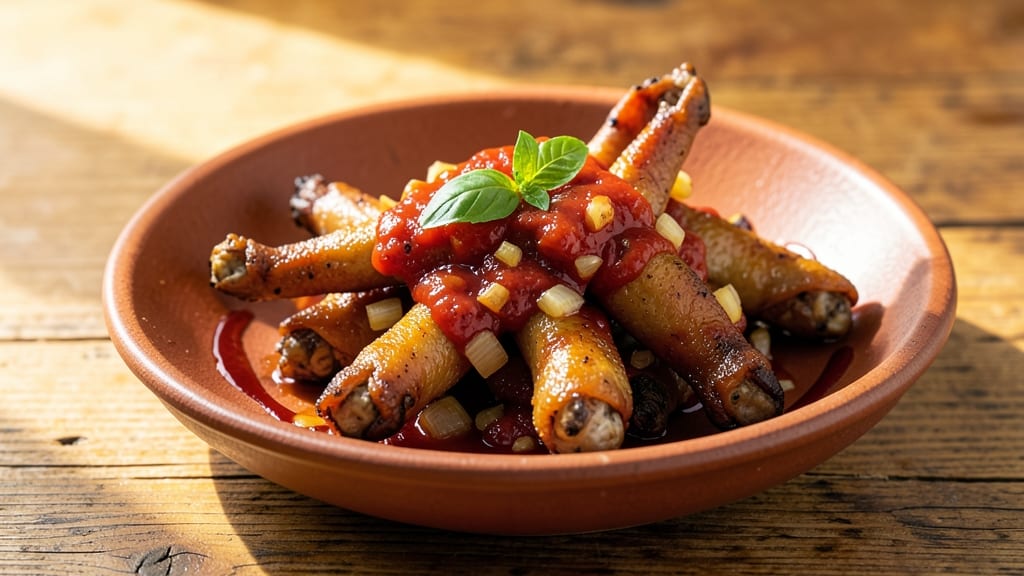
Transforming tough chicken feet into crispy, flavorful bites simmered in a rich tomato sauce is a culinary skill that elevates humble ingredients into a restaurant-worthy dish. This recipe draws from traditional techniques that tenderize the feet while building layers of umami and acidity in the sauce—balancing sweetness and tang perfectly.
The process requires patience, but the result is worth every minute of preparation.
The key to success lies in proper preparation: blanching the feet first to remove impurities, then simmering them low and slow until fork-tender. Meanwhile, the tomato sauce develops depth through caramelized aromatics and a touch of sweetness—just enough to complement the natural richness of the meat.
This method ensures the sauce clings to every crispy bite, creating a harmonious balance of textures and flavors.
By the end, you’ll have golden, crispy chicken feet with a sauce that’s velvety yet bright, offering a satisfying contrast between the crunchy exterior and tender interior. This dish pairs beautifully with steamed rice, pickled vegetables, or a simple green salad to round out the meal.
The aroma alone will draw everyone to the table—guaranteed to impress even the most skeptical eaters.
Whether you’re exploring traditional techniques or adapting this dish for modern tastes, the secret is in the slow cooking and careful seasoning. Let’s get started on creating a dish that’s both nostalgic and refined.
Ingredients for chicken feet with tomato sauce
Fourteen ingredients transform humble chicken feet into restaurant-quality Italian bites.
| Ingredient | Amount | Notes |
|---|---|---|
| Chicken Feet 🦆 | 1 ½ lb | Fresh or frozen, skin-on for crispiness |
| Extra-Virgin Olive Oil 🫒 | ½ cup | High-quality, fruity variety preferred |
| Yellow Onion 🧅 | 1 whole | Medium size, finely diced |
| Garlic Cloves 🧄 | 4 cloves | Fresh, minced for aromatic depth |
| Canned San Marzano Tomatoes 🍅 | 28 oz | Crushed, high-quality for sweetness |
| Tomato Paste 🍅 | 2 tbsp | Unsweetened, for concentrated flavor |
| Dried Oregano 🍃 | 1 tbsp | Italian variety for authentic taste |
| Dried Basil 🌿 | 1 tsp | Or substitute 1 tbsp fresh basil |
| Red Wine Vinegar 🍷 | 1 tbsp | For acidity balance |
| Granulated Sugar 🍬 | 1 tbsp | To offset acidity |
| Salt 🧂 | 1 ½ tsp | Diamond Crystal preferred |
| Black Peppercorns 🌶️ | ½ tsp | Freshly cracked for texture |
| Bay Leaves 🌿 | 2 whole | For subtle earthy flavor |
| Fresh Parsley 🌿 | ¼ cup | Chopped, for garnish |
The quality of chicken feet is non-negotiable for optimal texture. Whole Foods Market or specialty butchers offer the freshest cuts, though frozen feet from Costco work well if properly thawed. Look for feet with intact skin and minimal odor—this indicates freshness. The skin must remain crispy, so avoid pre-cooked or overly processed options. For best results, purchase organic or free-range feet, as they tend to have a cleaner flavor profile and better texture after cooking. If using frozen, thaw overnight in the refrigerator to maintain quality.
Substitutions should prioritize maintaining the sauce's balance of sweetness and acidity. San Marzano tomatoes are ideal, but any high-quality canned tomatoes work—just adjust sugar to taste. Red wine vinegar can be swapped for balsamic vinegar at half the amount, though it adds a slightly sweeter note. Dried herbs should be measured carefully: one-third the amount of fresh for basil and oregano. The tomato paste can be replaced with additional crushed tomatoes, though the sauce will be less concentrated. For a deeper umami profile, add 1 tsp fish sauce or soy sauce to the sauce. Avoid pre-made Italian seasoning blends, as they often contain salt and can disrupt the delicate balance.
Preparation efficiency is key to maintaining crispy skin and tender meat. Blanch the feet for exactly 5 minutes to remove impurities, then pat thoroughly dry before frying. The sauce can be made up to 3 days in advance, though it develops more complexity when reheated. Store cooked feet and sauce separately in airtight containers, with the sauce poured over the top before serving to preserve texture. For longer storage, freeze the sauce in ice cube trays—thaw and reheat gently for best results. The dish reheats beautifully, with the sauce clinging to the crispy feet when warmed through.
Why You'll Love This Recipe
- One-Pot Magic: I swear by this recipe when I’m too tired to wash a million dishes. Simmer the feet in olive oil until they’re golden, then toss in onions and garlic—no extra pans, no stress. The tomatoes take over after that, and by the time the sauce thickens, I’ve got a full meal with almost no cleanup.
- Umami Bomb: That first bite? Rich, meaty, and packed with depth thanks to the collagen in the feet. The San Marzano tomatoes add sweetness, while the garlic and onions caramelize into something ridiculously addictive. Honestly, it’s the kind of flavor that makes you want to eat it straight from the pot.
- Budget Win: Chicken feet are one of the most affordable protein sources out there, and this recipe stretches them into a meal that feeds four for under $10. The leftovers? Even better the next day—if they last that long. Between us, I’ve reheated this sauce three times and still crave it.
Step-by-step instructions for crispy chicken feet in tomato sauce
Mastering this technique transforms tough chicken feet into irresistibly crispy bites with rich, aromatic tomato sauce.
Prepare the Chicken Feet for Maximum Crispiness
Begin by thoroughly cleaning the 1.5 lb chicken feet under cold running water, scrubbing between the joints to remove any debris. This ensures a clean slate for crispy development. Pat them completely dry with paper towels—moisture is the enemy of crispiness. For extra insurance, place them on a wire rack set over a baking sheet and refrigerate uncovered for 30 minutes to evaporate any remaining dampness.
While they dry, heat 0.5 cup extra-virgin olive oil in a large, heavy-bottomed pot over medium heat. The oil should shimmer but not smoke—this is your signal to add the chicken feet. Arrange them skin-side down in a single layer, leaving space between each piece. Cook undisturbed for 8-10 minutes until the skin becomes deep golden brown and crispy. This initial searing locks in moisture while building that essential texture contrast between crisp exterior and tender interior.
Develop the Flavor Base with Aromatics
Remove the chicken feet and set aside. In the same pot, add 1 whole yellow onion, finely diced, and cook over medium heat for 5-6 minutes until softened and translucent. Add the 4 cloves garlic cloves, minced, and cook for an additional 30 seconds until fragrant—this prevents the garlic from burning, which would impart bitterness to your sauce.
Stir in the 2 tbsp tomato paste and cook for 1-2 minutes, allowing it to deepen in color and release its concentrated flavor. This step creates the flavor foundation that will carry through the entire dish. The tomato paste's caramelization is crucial for developing the sauce's depth and complexity.
Build the Tomato Sauce with Precision
Pour in the 28 oz canned San Marzano tomatoes, crushing any large chunks with your hands or a wooden spoon. Add the 1 tbsp dried oregano, 1 tsp dried basil, 1 tbsp red wine vinegar, 1 tbsp granulated sugar, 1.5 tsp salt, and 0.5 tsp black peppercorns. The vinegar and sugar balance the acidity of the tomatoes, while the herbs provide authentic Italian flavor. Stir well to combine all ingredients.
Bring the sauce to a gentle simmer over medium-low heat, then reduce heat to maintain a barely perceptible bubble at the surface. Add the 2 whole bay leaves and return the chicken feet to the pot, skin-side up. The bay leaves infuse subtle earthy notes, while the feet continue cooking in their own rendered juices and sauce. Simmer uncovered for 45-50 minutes, stirring occasionally to prevent sticking, until the chicken feet are tender when pierced with a fork and the sauce has thickened to a rich consistency.
Achieve Perfect Texture and Finish
Once the chicken feet are fork-tender, remove them from the pot and transfer to a serving platter. Strain the sauce through a fine-mesh sieve to remove any impurities, then return it to the pot. Simmer the strained sauce uncovered over medium heat for 5-7 minutes to reduce it slightly and intensify the flavors. The sauce should coat the back of a spoon with a velvety texture.
Return the chicken feet to the pot, skin-side up, and heat through for 2-3 minutes to allow them to absorb the final flavor of the sauce. Garnish with 0.25 cup fresh parsley, chopped, just before serving. The parsley adds a fresh contrast to the rich, savory sauce and brightens the presentation. Serve immediately while the chicken feet are crispy and the sauce is at its peak flavor.
Pro Tips For Making Chicken Feet With Tomato Sauce
- Parboil First: Skip the raw sear—drop cleaned chicken feet in boiling salted water for 10 minutes first. This softens the skin just enough so it crisps properly later without turning rubbery, and it washes away any grit from the joints. (Yes, even if you’re impatient like me, this step makes all the difference.)
- Sear in Batches: Crowd the pan and you’ll steam instead of brown. Work in two batches over medium-high heat, giving each side 4-5 minutes until deep golden. The skin needs direct heat to crisp, not a sad, greasy bath. Use tongs—don’t stab the feet, or you’ll lose that precious rendered fat.
- Crush Garlic Coarsely: Minced garlic burns fast in olive oil, and you’ll taste it. Smash 3-4 cloves with the flat of your knife instead—just enough to break the skins. Let them sit in the oil for 30 seconds until fragrant but not browned. (Your sauce will thank you later.)
- Simmer Tomatoes Low: After adding the San Marzanos, drop heat to the lowest setting you can tolerate. Chicken feet release collagen slowly, and you want that sauce to thicken without reducing the tomatoes into a jam. Stir occasionally—ignore the pot, and you’ll end up with a gloppy mess. (I learned this the hard way.)
Flavor customization for this dish
Sweet Heat Balance
Adjust the sauce’s sweetness by tweaking the 1 tbsp granulated sugar—reduce to ½ tbsp if your tomatoes are naturally sweet, or increase to 1.5 tbsp for tart varieties. For heat, add ½ tsp red pepper flakes or 1 tsp gochujang for a Korean-inspired twist.
I find ½ tsp fish sauce enhances umami without overpowering the tomato base. 🌶️
Herb Variations
Swap dried oregano for 1 tbsp fresh thyme or 1 tsp smoked paprika for a smoky depth. A pinch of crushed fennel seeds (about ¼ tsp) adds an anise-like complexity that pairs beautifully with the tomato’s acidity.
For a Mediterranean touch, blend 1 tsp dried rosemary into the sauce during the final simmer.
Umami Boosters
Deepening the umami profile transforms the sauce from good to extraordinary. Stir in 1 tbsp soy sauce or 1 tsp miso paste during the last 10 minutes of simmering. For a richer texture, add 2 tbsp tomato paste (total 4 tbsp) and reduce the sauce longer.
I also love a splash of 1 tbsp coconut aminos for a gluten-free, savory kick. 💡
Texture Contrast
For extra crunch, broil the chicken feet for 2-3 minutes at the end, skin-side up, until edges darken. Alternatively, toss cooked feet in 1 tbsp cornstarch before frying for a lighter, crispier texture. A sprinkle of toasted sesame seeds or crushed pistachios adds unexpected crunch and visual appeal.
Regional Twists
For an Italian-inspired version, add ½ cup chicken stock to the sauce and finish with 1 tbsp balsamic vinegar. A Vietnamese adaptation calls for 1 tbsp fish sauce, 1 tsp sugar, and fresh cilantro instead of parsley.
For a spicy Thai twist, stir in 1 tbsp tamarind paste and 1 tsp chili flakes during the final simmer. 🗺️
Finishing Touches
Brighten the sauce with a squeeze of lemon juice (about 1 tbsp) or a splash of white wine (about ¼ cup) during the last 5 minutes of cooking.
Garnish with toasted breadcrumbs for texture or a drizzle of high-quality olive oil to elevate the dish. The right finishing touch can turn a great sauce into a showstopper.
Nutrition facts
Frequently asked questions
Why do I need to blanch chicken feet before cooking?
Blanching removes impurities and surface bacteria that can affect flavor and texture. The 5-minute boil in salted water also helps relax the connective tissues, making them more tender during the slow simmer. Skipping this step can leave your dish tasting bitter or rubbery.
Can I use frozen chicken feet in this recipe?
Yes, but thaw them completely in the refrigerator for 24 hours before cooking. Never use partially thawed feet, as uneven cooking can leave some pieces undercooked. Pat them thoroughly dry after thawing to ensure maximum crispiness when frying.
How do I prevent the sauce from becoming too acidic?
Balance the acidity by adjusting the sugar (start with 1 tbsp) and adding a pinch of baking soda (¼ tsp) only if needed. Simmering the sauce longer also helps mellow the acidity. Taste as you go—don't be afraid to add a splash of water or a tiny bit of honey if it's too sharp.
What's the best way to reheat leftovers?
Reheat only the sauce separately over low heat until warm, then toss the chicken feet in it for 2-3 minutes to restore crispiness. Microwaving will make the skin soggy. For extra crunch, broil for 1-2 minutes after reheating. Store components separately to preserve texture.
Can I make this dish in a slow cooker?
While possible, it's challenging to achieve crispy skin in a slow cooker. Instead, sear the feet first in a skillet, then transfer them to the slow cooker with the sauce on low for 3-4 hours. Finish by crisping them again in a hot pan before serving. The sauce may need thickening with cornstarch if it becomes too thin.