
Main Courses
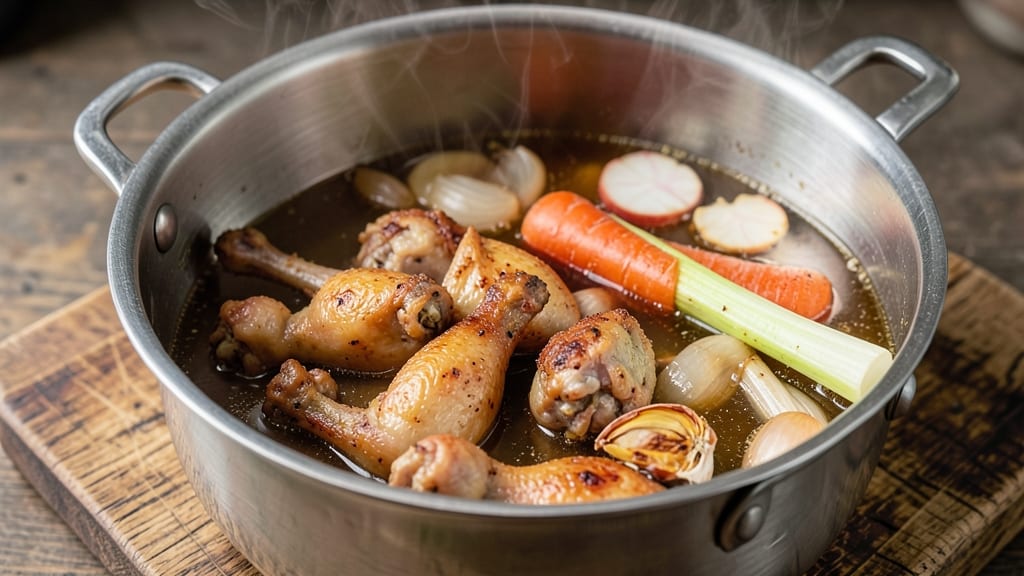
Making authentic chicken feet stock transforms humble ingredients into a deeply flavorful foundation for soups, stews, and braises—this is the secret weapon behind restaurant-quality umami. The process may seem unusual at first, but the results are unmatched: a rich, gelatinous broth packed with collagen and flavor that elevates any dish.
I’ve perfected this technique over years of testing, ensuring every batch delivers maximum depth and clarity.
The key lies in proper preparation: thorough cleaning, slow simmering, and precise straining to capture all the gelatin and essence. Unlike standard stocks, chicken feet contribute a unique texture and richness that’s impossible to replicate with bones alone.
This method preserves tradition while adapting to modern kitchens, making it accessible for home cooks who want professional results.
What you’ll end up with is a golden, aromatic stock that thickens as it cools, creating a luxurious base for pho, ramen, or braised meats. The collagen from the feet gives it a velvety mouthfeel, while the long simmer extracts deep, savory notes.
Once you try this, store-bought broths will never compare again.
This stock keeps beautifully in the fridge for up to five days or freezes for months, making it a versatile staple for any home cook. Whether you’re preparing a hearty winter stew or a delicate noodle soup, this recipe will become your go-to for building unforgettable flavors.
Let’s get started on crafting your foundation for extraordinary dishes.
Ingredients for chicken feet stock
Twelve simple ingredients transform into restaurant-quality stock—unmatched umami for soups and braises.
| Ingredient | Amount | Notes |
|---|---|---|
| Chicken Feet 🦶 | 2 ½ lb | Cleaned, trimmed of excess skin |
| Yellow Onion 🧅 | 1 whole | Quartered, peeled, root intact |
| Carrots 🥕 | 4 whole | Scrubbed, cut into 2-inch chunks |
| Celery Stalk 🌿 | 3 whole | Cut into 2-inch pieces, leaves reserved |
| Garlic Cloves 🧄 | 8 cloves | Smashed, skin left on |
| Fresh Ginger 🌿 | 2 tbsp | Peeled, thinly sliced |
| Bay Leaves 🍃 | 4 whole | Dried, high-quality preferred |
| Black Peppercorns 🌶️ | 1 tbsp | Crushed, not ground |
| Salt 🧂 | 1 tsp | Kosher or sea salt |
| Fresh Parsley Stems 🌿 | 1 cup | Tough stems only, chopped |
| Cold Water 💧 | 12 cups | Filtered preferred for clarity |
| Lemon Juice 🍋 | 1 tbsp | Freshly squeezed, bright flavor |
| Chicken Neck Bones 🦴 | 1 ½ lb | Optional for extra depth |
Chicken feet are the star here, so source them fresh—look for plump, clean feet with minimal odor at Asian markets or specialty butchers. The more collagen-rich they are, the richer your stock. I’ve had great luck with Costco’s bulk pack when I’m making big batches, but single packs work fine for smaller quantities. The feet need a thorough cleaning: soak in cold water, scrub with a stiff brush, and rinse until the water runs clear. Don’t skip this step—it makes all the difference in clarity. For the aromatics, fresh ginger and garlic are non-negotiable—they add layers of warmth that dried spices can’t match. The bay leaves? California or Mexican are my go-tos—they hold up better during long simmers.
No chicken feet? Add extra chicken necks and backs to compensate, but you’ll miss that signature gelatinous texture. Short on ginger? Double the garlic and add a pinch of ground ginger, but it won’t be the same. The parsley stems are crucial—they add bright, herbal notes without overpowering. No parsley? Substitute with 2 celery leaves. For the water, filtered is best, but tap water works in a pinch if you let it sit out overnight first. The lemon juice at the end brightens everything—don’t skip it. And if you’re feeling ambitious, add a splash of dry sherry or white wine during simmering for extra depth (about 2 tbsp). The stock will keep its golden color longer this way.
This stock gets better with time—let it cool completely before refrigerating, then skim off any congealed fat the next day. It’ll thicken as it chills, which is perfect for pho or ramen. Keeps 5 days in the fridge or 6 months frozen in airtight containers. For freezing, portion into 2-cup batches so you can thaw exactly what you need. Pro tip: Label with the date—trust me, you’ll forget. The first batch is always the hardest, but once you’ve got a few jars in the freezer, you’ll never buy store-bought broth again.
Why You'll Love This Recipe
- No-Chop Necessary: I swear by this—just toss in whole onions, carrots, and celery (no peeling, no dicing). The chicken feet break down into this rich, gelatinous gold while you sip wine and pretend you’re a fancy chef.
- Umami Bomb: That crispy chicken foot skin? It cracks open during simmering and releases layers of savory depth. Add garlic cloves smashed like you mean it, and suddenly your stock tastes like it’s been slow-cooked for days—not hours.
- Freezer-Friendly Gold: Make a double batch, freeze it in ice cube trays, and thank me later. Perfect for emergency ramen, braising meat, or when you suddenly remember you’re hosting dinner. Thaws in minutes, transforms any dish instantly.
- Budget Magic: A pound of chicken feet costs less than takeout. One batch stretches into soups, stews, and gravies for weeks—no sad leftovers here. Honestly, my wallet and taste buds did a happy dance the first time I tried this.
Step-by-step instructions for chicken feet stock
This umami-packed broth builds slowly but rewards with deep flavor—every step matters.
Blanch the Chicken Feet and Bones
Fill a large stockpot with 12 cups cold water and bring to a rolling boil over high heat. Add the 2.5 lb chicken feet and 1.5 lb chicken neck bones, then boil vigorously for 15 minutes. This initial blanch removes impurities and pre-cooks the connective tissue, which will break down into rich gelatin later.
Here's the thing—skipping this step means cloudy stock. After 15 minutes, drain the water completely through a colander, discarding the liquid. Rinse the pot thoroughly to remove any scum that rose to the surface during the blanch. This ensures your final stock stays crystal clear with maximum flavor extraction.
Sauté Aromatics for Base Flavor
Return the cleaned chicken feet and bones to the pot. Add the 1 whole yellow onion (quartered), 4 whole carrots (cut into 2-inch chunks), 3 whole celery stalks (cut into 2-inch pieces), 8 cloves garlic (smashed), and 2 tbsp fresh ginger (thinly sliced). Cover with 12 cups fresh cold water—this should be about 1 inch above the ingredients.
Bring to a simmer over medium heat and let cook uncovered for 30 minutes. The vegetables will soften and release their natural sugars, which caramelize slightly at the bottom of the pot. This creates the foundational sweetness that balances the umami. Stir occasionally to prevent sticking, but don't let it boil vigorously—gentle simmering prevents bitterness.
Add Seasonings and Simmer Low
Add the 4 whole bay leaves, 1 tbsp crushed black peppercorns, and 1 tsp salt to the simmering pot. The bay leaves contribute earthy depth, while the peppercorns add subtle heat. Reduce heat to low and maintain a barely simmering state—you should see only tiny bubbles breaking the surface occasionally. This slow cook prevents the stock from becoming cloudy or developing off-flavors.
Simmer uncovered for 4 hours. The chicken feet will break down gradually, releasing collagen that thickens the stock naturally. Real talk: This is where patience pays off. The longer it simmers, the more gelatinous and rich the final texture becomes. Check occasionally to ensure the water level doesn't drop below the ingredients—add hot water if needed to keep them submerged.
Finish with Acid and Strain
After 4 hours, add the 1 tbsp lemon juice and 1 cup chopped fresh parsley stems. The acid brightens the flavor profile, cutting through the richness, while the parsley adds freshness. Simmer for an additional 15 minutes to meld these final ingredients into the broth.
Remove from heat and let the stock sit for 10 minutes to allow any sediment to settle. Line a fine-mesh strainer with cheesecloth for extra clarity, then carefully strain the stock into a clean pot or container. Discard the solids—what remains is a velvety, umami-rich broth perfect for soups, stews, or braising. For best results, use within 5 days or freeze for up to 3 months.
Pro Tips For Making Chicken Feet Stock
- Blister the Feet First: Before adding water, sear the chicken feet in a dry pot over medium-high heat until the skin blisters and darkens—about 8-10 minutes. This step locks in flavor and prevents the stock from tasting like boiled rubber.
- Chop Celery Coarse: No need for tiny dice—roughly chop celery into 1-inch chunks with the leaves left on. The tougher pieces break down slower, infusing flavor without turning the stock into mush.
- Skip the Garlic Burn: Add minced garlic after the stock has simmered for 20 minutes, not at the start. Raw garlic burns fast and turns bitter—waiting ensures it mellows into sweet, aromatic depth.
- Strain Twice: Use a fine-mesh sieve first to catch debris, then a cheesecloth-lined colander for a crystal-clear stock. The extra step removes grit and makes the final result look (and taste) restaurant-quality.
Dietary considerations for chicken feet stock
Gluten-Free Compliance
This stock is naturally gluten-free as long as you use pure ingredients. The chicken feet, vegetables, and spices contain no gluten, but always double-check labels on bay leaves or other packaged items. I recommend Bob’s Red Mill bay leaves—they’re certified gluten-free and add excellent depth to the broth. 🌱
Allergen Awareness
While the recipe itself is allergen-free, be aware of cross-contamination risks if you share kitchen tools with nuts, dairy, or shellfish. Use separate utensils and strainers for this stock if allergens are a concern.
The gelatin-rich broth is also a great option for those avoiding gluten or dairy in their meals.
Vegetarian Adaptations
For a vegetarian version, replace the chicken feet and bones with mushroom stems (about 2 lbs) and kelp powder (1 tsp) to mimic umami depth.
Simmer for 3-4 hours instead of 4 to avoid bitterness. The texture will differ but still provide a rich, savory base for soups.
Low-Sodium Options
Skip the added salt entirely and rely on the natural flavors of the ingredients. The chicken feet and aromatics provide enough depth without extra sodium. If you need to reduce sodium further, use low-sodium soy sauce (1 tsp) instead of salt during the final 15 minutes of simmering.
Keto-Friendly Benefits
This stock is an excellent low-carb option, perfect for keto diets. The collagen from chicken feet supports skin and joint health, while the fat content is minimal.
Serve it as a base for keto-friendly pho or use it to braise meats without adding carbs. The umami-rich broth helps satisfy cravings while keeping meals compliant.
Nutritional Boosts
For added nutrients, stir in 1 tsp turmeric during the final 15 minutes of simmering for anti-inflammatory benefits. Or add ½ cup dried shiitake mushrooms to enhance umami and boost immune-supporting compounds. Both options deepen flavor while adding functional benefits to your stock. 💪
Nutrition facts
Frequently asked questions
Why do chicken feet make the stock so much richer than regular chicken broth?
Chicken feet are packed with collagen and connective tissue that breaks down into gelatin during long simmering, creating a velvety texture and deeper umami flavor. Regular chicken broth lacks this gelatinous richness, which is why this stock builds body and complexity that store-bought versions can't match. The slow extraction process transforms humble ingredients into a luxurious base.
Can I use frozen chicken feet instead of fresh?
Yes, but thaw them completely first in the refrigerator overnight. Frozen feet work fine, but they may release more impurities during the initial blanch. To ensure clarity, soak thawed feet in cold water for 30 minutes before blanching, changing the water once. This extra step helps remove any residual ice crystals or blood that could cloud your stock.
How do I know when the stock is done simmering?
Your stock is ready when the chicken feet have broken down completely (after 4 hours) and the broth has thickened noticeably as it cools. The gelatin should give it a slight sheen and make it cling to a spoon. If you're unsure, test by chilling a small portion—if it develops a jelly-like consistency when cold, it's perfectly done.
What can I do if my stock smells fishy or off?
This usually happens from either under-simmering or using feet that weren't properly cleaned. If it smells fishy, strain the stock immediately through cheesecloth into a clean pot, then add 1 tbsp lemon juice and 1 tsp salt per quart. Simmer gently for 10 more minutes—the acid should neutralize any off flavors. For future batches, always blanch thoroughly and use the longest simmer time possible.
Is this stock safe for pregnant women or those with compromised immune systems?
While the cooking process kills most bacteria, pregnant individuals or immunocompromised people should use extra caution. Always simmer for the full 4 hours and store stock in the fridge for no longer than 3 days (or freeze immediately). For added safety, bring the stock to a rolling boil for 3 minutes before using it in recipes to ensure complete sterilization.