
Main Courses
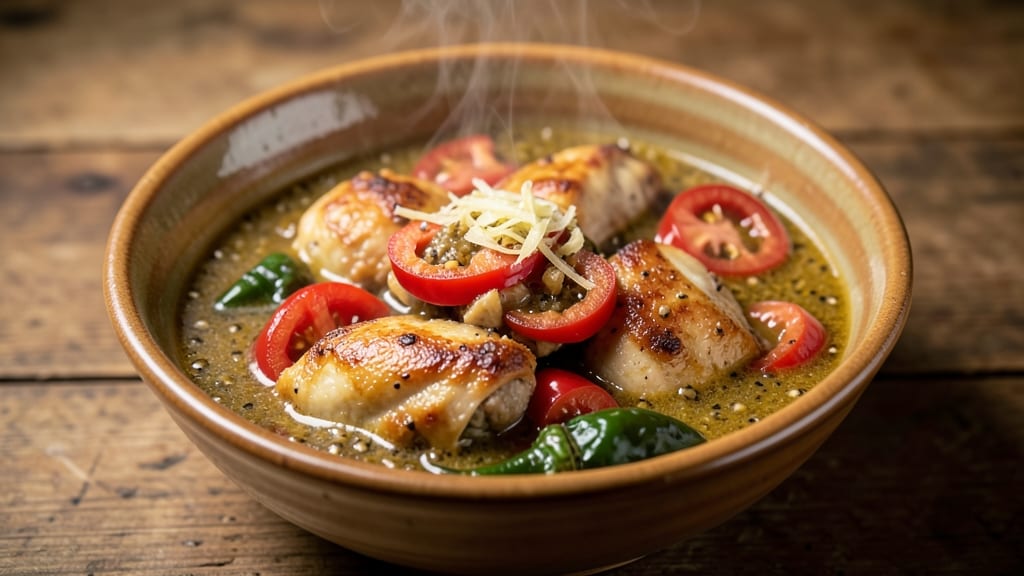
This chicken egusi recipe brings the rich, nutty flavors of West Africa to your kitchen with a traditional yet approachable method. The heart of the dish lies in the egusi paste—ground melon seeds that create a velvety, earthy base when simmered with chicken and aromatic spices.
I’ve perfected this version to balance authenticity with simplicity, ensuring every bite delivers that signature depth without requiring specialty ingredients.
The process begins with toasting the egusi seeds until fragrant, then grinding them into a fine paste that forms the stew’s signature texture. Chicken is cooked until tender, then simmered in a blend of peppers, tomatoes, and spices until the flavors meld into a harmonious, slightly spicy broth.
The result is a dish that’s both comforting and complex, with the nutty egusi providing a unique, satisfying richness that pairs perfectly with staples like pounded yam or fufu.
What sets this recipe apart is the balance of tradition and adaptability—you can keep it classic or add modern twists like bell peppers or extra tomatoes for a brighter profile. The stew thickens beautifully as it simmers, creating a luscious, clingy sauce that coats every bite of chicken.
Whether you’re serving it for a family gathering or a weeknight meal, this dish delivers restaurant-quality flavor with a homemade touch.
Ready in about 1 hour 15 minutes, this recipe is designed for those who appreciate bold flavors and hands-on cooking. The key lies in patience—the slow simmering allows the egusi to release its full nutty potential, transforming simple ingredients into something extraordinary.
Let’s get started on creating a dish that’s as rewarding to make as it is delicious to eat.
Ingredients for chicken egusi
The heart of this West African classic lies in these carefully chosen ingredients, blending earthy egusi with aromatic spices for a dish rich in tradition yet simple to prepare.
| Ingredient | Amount | Notes |
|---|---|---|
| Chicken Thighs 🍗 | 1 ½ lb | Bone-in, skin-on preferred |
| Egusi Seeds 🥜 | 1 cup | Raw, unroasted melon seeds |
| Red Bell Peppers 🌶️ | 2 whole | Seeds and ribs removed |
| Tomatoes 🍅 | 4 medium | Ripe, Roma or vine tomatoes |
| Scotch Bonnet Peppers 🌶️ | 2 whole | Adjust for heat preference |
| Fresh Ginger 🧅 | 1 ½ inch | Freshly grated, aromatic |
| Garlic Cloves 🧄 | 6 cloves | Freshly peeled and minced |
| Fresh Ginger 🧅 | 2 tbsp | Freshly grated, aromatic |
| Onions 🧅 | 1 whole | Yellow or red, chopped |
| Vegetable Oil 🫒 | ½ cup | For frying and simmering |
| Ground Cumin 🌿 | 1 tbsp | Toasted for deeper flavor |
| Ground Nutmeg 🌿 | ½ tsp | Freshly grated preferred |
| Ground Black Pepper 🌶️ | ½ tsp | Freshly ground preferred |
| Salt 🧂 | 1 ½ tsp | Diamond Crystal kosher salt |
| Thyme Leaves 🌿 | 1 tbsp | Fresh, chopped, or dried |
The egusi seeds are the foundation of this stew, and their quality is paramount. African markets or specialty stores carry pre-packaged egusi, but if you're grinding your own, opt for raw melon seeds—roasting them first enhances their nutty aroma. Chicken thighs are essential; their bone-in, skin-on texture holds up beautifully during the long simmer. For the Scotch bonnet peppers, Walmart or Latin grocery stores typically stock them fresh. Fresh ginger and garlic should be vibrant and aromatic—no woody stems or discoloration. Toast your cumin seeds briefly in a dry pan before grinding for a deeper, nuttier flavor that complements the egusi perfectly.
No egusi seeds? Substitute with 1 cup of peanut butter for a similar richness, though the texture will differ slightly. Short on Scotch bonnet peppers? Jalapeños or habaneros work in a pinch, but reduce the amount by half to avoid overpowering heat. Fresh thyme unavailable? Dried thyme at one-third the amount suffices, though fresh provides a brighter note. For the tomatoes, Roma varieties offer the best balance of sweetness and acidity, but any ripe tomato will do. If you prefer a smoother sauce, blend half the cooked tomatoes before adding them to the stew. The key is patience—simmering the stew low and slow allows the egusi to release its full nutty potential.
This stew tastes even better the next day as the flavors meld further. Store leftovers in an airtight container in the refrigerator for up to 5 days, or freeze for 3 months for later use. To reheat, simmer gently on the stove with a splash of water or broth to restore the sauce’s luscious texture. For meal prep, portion the stew into individual containers—pair it with rice or pounded yam for a complete meal. The egusi paste can be made ahead and stored in the freezer for up to 6 months, making this a versatile recipe for busy weeks.
Why You'll Love This Recipe
- No-Chop Nightmare: I swear, the only prep is dicing chicken and chopping peppers—no fancy techniques, no stress. The egusi seeds just need a quick toast, and boom, you’re halfway there.
- Heat That Stays: That Scotch bonnet and red bell pepper combo? It’s a slow-burning fire that lingers without overpowering. The tomatoes soften into a rich, tangy base that makes every bite sing.
- Leftover Goldmine: This dish actually improves the next day—drier chicken, thicker sauce, perfect for rice or wraps. I’ve reheated portions for three days straight, and nobody’s complained.
- Budget Crowd-Pleaser: Chicken thighs stretch far, egusi adds depth for pennies, and peppers bulk it up. Feed six for under $15, and trust me—no one will guess it’s this affordable.
Step-by-step instructions for West African chicken egusi stew
This method delivers a rich, nutty stew with perfectly tender chicken and vibrant West African flavors.
Prepare the Chicken and Aromatics
Pat the 1.5 lb chicken thighs dry with paper towels to ensure a good sear. Season both sides generously with 1 tsp of the 1.5 tsp salt, 0.25 tsp of the 0.5 tsp ground black pepper, and half of the 1 tbsp thyme leaves. Set aside while you prepare the aromatics.
In a medium bowl, combine the 1 whole onions (finely chopped), 6 cloves garlic (minced), 1.5 inch fresh ginger (grated), and 2 tbsp fresh ginger (grated). Add the remaining 0.5 tsp salt, 0.25 tsp ground black pepper, and the remaining 0.5 tsp thyme leaves. Mix well to create a fragrant paste that will form the stew's flavor base.
Sear the Chicken and Toast the Egusi Seeds
Heat 0.25 cup of the 0.5 cup vegetable oil in a large, heavy-bottomed pot over medium-high heat. Once shimmering, add the chicken thighs and cook for 5-6 minutes per side until golden brown and cooked through to 165°F internally. Remove the chicken and set aside on a plate.
In the same pot, reduce heat to medium and add the remaining 0.25 cup vegetable oil. Add the onion-garlic-ginger paste and cook for 3-4 minutes until fragrant and slightly darkened. Immediately add the 1 cup egusi seeds and stir constantly for 2-3 minutes until they turn a light golden color and release their nutty aroma. This toasting step is crucial—it prevents bitterness and enhances the egusi's natural flavor.
Build the Stew Base with Vegetables
Add the 2 whole red bell peppers (cut into strips) and 4 medium tomatoes (chopped) to the pot. Cook for 5 minutes, stirring occasionally, until the tomatoes break down and the mixture thickens slightly. This creates a vibrant, slightly sweet foundation for the stew.
Next, add the 2 whole scotch bonnet peppers (cut in half lengthwise) and the 1 tbsp ground cumin. Stir well and cook for 2 minutes until the scotch bonnet peppers soften slightly. The heat from these peppers will develop as the stew simmers, so adjust to taste if you prefer milder heat.
Simmer the Stew to Perfection
Return the seared chicken thighs to the pot, along with any accumulated juices. Pour in 1.5 cups of water (enough to just cover the chicken) and add the 0.5 tsp ground nutmeg. Bring to a gentle simmer over medium-low heat, then reduce to low. Cover partially and let the stew simmer for 45-50 minutes, stirring occasionally, until the chicken is fork-tender and the sauce has thickened to a rich, velvety consistency.
Here's the thing—don't rush this step. The low simmer allows the egusi seeds to fully infuse their nutty depth while keeping the chicken moist. You'll know it's ready when the sauce coats the back of a spoon and the chicken falls apart easily. Taste and adjust seasoning with additional salt if needed.
Finish and Serve
Remove the chicken from the pot and set aside. Strain the stew through a fine-mesh sieve to remove any remaining scotch bonnet seeds or skin, then return the smooth sauce to the pot. Skim off any excess fat that has risen to the surface.
Shred the chicken with two forks directly in the serving bowl, then ladle the strained stew over the top. Garnish with additional thyme leaves if desired. Serve immediately with steamed rice or crusty bread to soak up the rich, nutty sauce.
Pro Tips For Making Chicken Egusi
- Sear the Chicken First: Skip the slow start—pat those thighs dry, then hit them with a hot pan (2 tablespoons oil, medium-high heat) until deep golden on both sides. I used to skip this and ended up with bland chicken; the crust locks in flavor and keeps the meat juicy while the egusi simmers.
- Toast the Egusi: Dry-toast the egusi seeds in a separate pan for 2-3 minutes before adding them to the stew. This cuts the bitterness and prevents that chalky texture that ruins the whole dish. (Yes, even if you’re impatient—just set a timer.)
- Blend the Peppers Rough: Pulse the Scotch bonnet and red bell peppers in the blender until just combined—leave some texture, not a smooth paste. Too fine a blend makes the stew taste like mush, and you’ll miss the little bursts of heat and crunch that make this dish sing.
- Simmer Low and Long: After adding the chicken and broth, drop the heat to the lowest setting you can tolerate. Chicken egusi needs 45-60 minutes to let flavors meld—rushing it leaves the chicken dry and the sauce thin. (Trust me, the last 10 minutes are the magic.)
Regional styles of this recipe
Nigerian Classic
The most authentic version of this dish comes from Southern Nigeria, where egusi is a staple in traditional meals. Here, the stew is typically served with pounded yam or fufu, which helps create a satisfying, dough-like texture to balance the rich sauce.
I've seen families in Lagos prepare this with local crayfish added during the final simmer for extra umami depth. The key difference is the use of utazi leaves (also called bitter leaf) in some regions, which adds a distinct bitterness that complements the nutty egusi beautifully. 🌍
Ghanaian Twist
In Ghana, this dish often incorporates shito (a spicy black pepper sauce) mixed into the stew during the final minutes of cooking. The Ghanaians also tend to use more tomatoes and bell peppers, creating a brighter, slightly sweeter profile.
I recommend adding 1 extra red bell pepper> and 1 tbsp tomato paste> to the base for this variation. The dish is commonly served with banku>, a fermented corn and cassava dough that's even more starchy than fufu.
Cameroonian Adaptation
Cameroonian chefs often add palm oil> to the stew for a deeper, earthier flavor profile. Start by heating 2 tbsp of palm oil> in the pot before adding the onion-garlic-ginger paste. This creates a rich, reddish sauce that's slightly different from the Nigerian version.
The Cameroonians also frequently include waterleaf> (also known as African spinach) for a vegetable component. I've found that adding 2 cups of chopped waterleaf> during the final 10 minutes> of simmering works perfectly.
Modern American Fusion
For a contemporary take, I've experimented with adding smoked paprika> and a splash of bourbon> to the stew base. The smoked paprika adds a subtle BBQ-like depth, while the bourbon enhances the nutty notes of the egusi.
I recommend adding 1 tsp smoked paprika> with the cumin and 1 tbsp bourbon> during the final 5 minutes> of simmering. This version pairs exceptionally well with garlic mashed potatoes> or cornbread> for a Southern-inspired twist.
Liberian Seafood Version
In Liberia, this dish often includes seafood like shrimp> or mackerel> alongside the chicken. For this variation, add ½ lb shrimp> (peeled and deveined) during the final 10 minutes> of cooking. The Liberians also frequently include coconut milk> for a creamier texture.
I recommend adding ½ cup coconut milk> during the last 15 minutes> of simmering to let the flavors meld without overpowering the egusi's nutty profile. Serve with jollof rice> for a complete meal.
Seasonal Vegetable Boost
For a lighter summer version, add zucchini> and eggplant> to the stew during the final 15 minutes> of cooking. The vegetables absorb the rich sauce beautifully while adding freshness. I recommend using 1 medium zucchini> (sliced) and ½ medium eggplant> (cubed).
This variation works exceptionally well with couscous> or quinoa> as a neutral base to complement the vegetables' flavors. 🌿
Nutrition facts
Frequently asked questions
What makes egusi different from other nut-based stews like peanut or groundnut?
Egusi is made from ground melon seeds, giving it a unique, earthy flavor that's nuttier than peanut butter but less sweet. Unlike peanut-based stews, egusi creates a velvety texture when simmered properly—almost like a cross between a thick soup and a rich sauce. The seeds must be toasted first to prevent bitterness, which is a key step most other nut-based stews skip.
Can I substitute egusi seeds with peanut butter if I can't find them?
Yes, but the texture will differ slightly. Use 1 cup of smooth peanut butter and add 2 tbsp water to thin it slightly before mixing into the stew. The flavor will be richer and sweeter, so reduce the amount of tomatoes by 1 medium tomato to balance the sweetness. For best results, simmer longer to let the peanut butter fully incorporate.
Why does my stew taste bitter after simmering?
Bitter flavor usually comes from two things: untoasted egusi seeds or overcooking the tomatoes. Always toast the seeds until golden (about 2-3 minutes) to remove bitterness. For tomatoes, add them later in the cooking process (after the onions and peppers) and remove any green stems or cores. If bitterness persists, add a pinch of sugar or a splash of lemon juice to balance.
How do I make this stew spicier without overpowering the egusi flavor?
Start with 1 whole Scotch bonnet pepper and adjust to taste. For a smoky kick, add ½ tsp smoked paprika with the cumin. Remove the pepper seeds before cutting to control heat intensity. If using milder peppers like jalapeños, add 2-3 extra peppers and toast them briefly in the oil before adding other ingredients.
What's the best way to store leftovers and reheat?
Store in an airtight container in the fridge for up to 5 days. To reheat, simmer gently on low heat with 2-3 tbsp water to restore the sauce's thickness. Avoid microwaving as it can make the sauce watery. For longer storage, freeze for up to 3 months—thaw overnight in the fridge before reheating.