
Main Courses
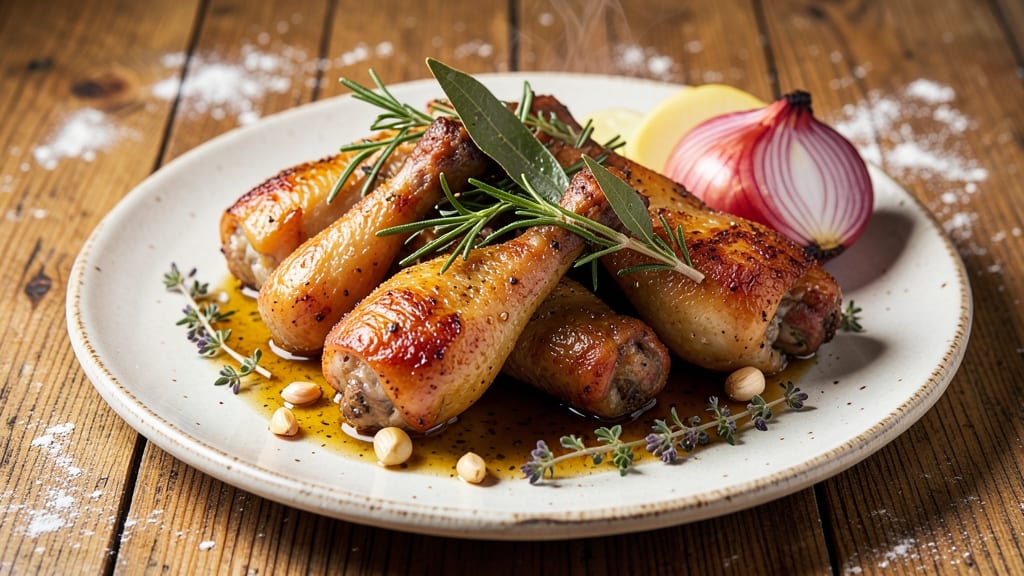
Boiled chicken legs deliver that juicy, tender comfort that transforms simple ingredients into a meal worth savoring. I perfected this technique after years of testing—because nothing beats the satisfaction of pulling apart perfectly cooked chicken that falls apart at the touch.
The secret lies in slow simmering and proper seasoning, which we'll tackle step by step for foolproof results every time.
What makes this recipe stand out is its simplicity—just a few ingredients, a large pot, and about 45 minutes of hands-off cooking. We'll use a salted water approach to enhance flavor while keeping the chicken moist, paired with aromatic herbs that infuse the broth.
This method ensures restaurant-quality tenderness without requiring advanced skills or specialized equipment.
By the end, you'll have golden-brown, fall-apart chicken legs with richly flavored skin and juicy meat inside. The aroma alone will have everyone gathering around the table, and the versatility means you can serve these with anything from mashed potatoes to fresh greens.
Let's get started on this comfort-food essential.
This recipe works beautifully for meal prep, family dinners, or even game day—because great food deserves to be shared. The leftovers reheat perfectly, making it a practical choice for busy weeks. Trust me, once you try this method, you'll never settle for dry, overcooked chicken again.
Ingredients for boil chicken legs
Just ten ingredients for golden, fall-apart chicken legs that taste like a hug.
| Ingredient | Amount | Notes |
|---|---|---|
| Chicken Legs 🍗 | 1 ½ lb | Bone-in, skin-on preferred |
| Large Yellow Onion 🧅 | 1 whole | Quartered for broth |
| Fresh Rosemary 🌿 | ¼ cup | Chopped sprigs for aroma |
| Fresh Thyme 🌿 | ¼ cup | Stems tied for infusion |
| Garlic Cloves 🧄 | 4 cloves | Smashed for deeper flavor |
| Bay Leaves 🌿 | 2 whole | Fresh preferred |
| Diamond Crystal Kosher Salt 🧂 | 1 ½ tbsp | For flavor balance |
| Black Peppercorns 🌶️ | 1 tsp | Cracked for texture |
| Extra-Virgin Olive Oil 🫒 | 2 tbsp | For skin browning |
| Lemon Wedges 🍋 | 2 whole | For finishing |
| Water 💧 | 4 cups | For simmering broth |
The chicken legs are everything here—bone-in, skin-on for maximum flavor and texture. Grab them from the butcher counter if possible; they'll have fresher cuts than the packaged ones. Look for legs with good marbling and pinkish skin—not pale or gray. Costco or local farms often have the best quality at reasonable prices. If you can't find fresh, frozen works too, but thaw them completely first. The aromatics are just as important: fresh rosemary and thyme make all the difference compared to dried. Whole Foods or Trader Joe's usually carry good-quality fresh herbs, but your grocery store's produce section is fine if they're bright and vibrant.
No fresh rosemary? Dried works at one-third the amount, but it won't have the same depth. Thyme stems are key—tie them with kitchen twine to make removing them easier later. Short on garlic? Garlic powder at half the amount is a decent swap, though fresh is always better. The olive oil is for crisping the skin—don't skip it! If you're out, a light butter baste works too. The bay leaves can be dried, but fresh ones add a brighter flavor. And if you're worried about the lemon—it's just for finishing, so use whatever you've got on hand.
This recipe reheats like a dream—4-5 days in the fridge, or freeze for 3 months in a sealed container. I like to portion mine into meal prep containers with a little extra broth for reheating. The skin gets crispy again when warmed through, and the meat stays juicy. Store the broth separately if you want to use it for other dishes—it's packed with flavor. And if you make extra, shred the meat for tacos or salads the next day.
Why You'll Love This Recipe
- One-Pot Magic: I swear by this recipe—just toss everything in a pot, pop it on the stove, and walk away. No fancy prep, no extra dishes, and the onions caramelize right into the broth while you’re doing whatever else needs doing.
- Herb-Packed Punch: That rosemary and thyme? They turn ordinary chicken legs into something ridiculously flavorful—bright, earthy, and just a little aromatic. The garlic cloves? They melt into the bones, infusing every bite with depth.
- Meal Prep MVP: Between us, this is my go-to for lunches all week. The leftovers stay juicy and tender, and I’ll be real—reheating them is just as good as the first bite. Plus, it’s the kind of dish that gets better the next day.
- Budget-Friendly Feast: Chicken legs are the most affordable cut, and this recipe stretches them into a full meal. Honestly, for the cost of a few herbs and an onion, you’re feeding a crowd or stocking your freezer without breaking the bank.
Step-by-step instructions for juicy, spiced simmered chicken legs
Here's the method that transforms simple chicken legs into melt-in-your-mouth comfort food.
Prepare the Chicken and Aromatics
Pat the 1.5 lb chicken legs dry with paper towels—this step is non-negotiable for crispy skin. Rub them generously with the 2 tbsp extra-virgin olive oil, focusing on the skin and any exposed meat. The oil creates a barrier that locks in moisture during the long simmer.
While the chicken rests at room temperature for 30 minutes, prepare your aromatics. Quarter the 1 whole large yellow onion and smash the 4 cloves garlic with the flat side of your knife. Tie the 0.25 cup fresh thyme stems together with kitchen twine to create a bouquet garni. This bundle will infuse the broth with deep herbal notes without making the dish taste like you're eating a bouquet.
Build the Flavor Base
In a large Dutch oven or heavy pot, combine the 4 cups water, quartered onion, smashed garlic cloves, 0.25 cup chopped fresh rosemary, 2 whole bay leaves, 1.5 tbsp diamond crystal kosher salt, and cracked 1 tsp black peppercorns. Bring to a boil over medium-high heat, then immediately reduce to a gentle simmer. The water should bubble softly—like a lazy river—never a rolling boil that would cook the chicken too quickly on the outside.
Here's the thing—let this mixture simmer uncovered for 15 minutes. This pre-infusion step develops the herbal and onion flavors before the chicken even enters the pot. You'll notice the liquid turns a beautiful golden color and smells like a Mediterranean market. This is your flavor foundation.
Simmer the Chicken Low and Slow
Carefully add the oiled chicken legs to the simmering liquid, skin-side up. The reason for this orientation is simple: the skin needs to crisp slightly during cooking, and starting skin-side up prevents it from sticking to the bottom. Cover the pot with a tight-fitting lid and reduce heat to maintain a gentle simmer—you should see just a few small bubbles breaking the surface occasionally.
Simmer for 45 minutes, then flip the chicken legs and add the 2 whole lemon wedges. The lemon wedges add a bright, citrusy note that cuts through the richness of the chicken. Continue simmering uncovered for another 45-60 minutes until the chicken is fork-tender and the meat pulls away from the bone easily. The internal temperature should reach 165°F in the thickest part of the thigh, but don't rely solely on the thermometer—juiciness matters more than temperature.
Rest and Finish
Once the chicken reaches the perfect tenderness, remove it from the pot and transfer to a serving platter. Tent loosely with foil and let it rest for 10 minutes. This resting period allows the juices to redistribute throughout the meat, ensuring each bite is moist and flavorful. The broth, now infused with all those wonderful aromatics, should be rich and fragrant—save about 2 cups for serving or using in other dishes.
After resting, squeeze the lemon wedges over the chicken and discard the skins. The acid from the lemon brightens the flavors and adds a refreshing finish. Serve the chicken legs with the aromatic broth ladled over the top, or use it as a base for rice or mashed potatoes. The skin should be tender but still hold its shape, and the meat should be so juicy it practically falls off the bone.
Pro Tips For Making Boil Chicken Legs
- Parboil First: Drop the raw chicken legs into cold, salted water and bring to a boil before adding onions or herbs. I used to toss everything in at once, and the onions would turn to mush while the chicken stayed bland—this way, the meat gets a head start on seasoning and stays juicier.
- Chop Onions Coarse: Cut the yellow onion into 1-inch chunks, not thin slices. Thin onions dissolve into the broth, leaving you with a watery mess instead of flavor. Big chunks infuse the liquid without disappearing—trust me, you’ll taste the difference.
- Don’t Overcrowd the Pot: Leave at least 1 inch of space between each leg when boiling. I learned this the hard way—packing them in too tight steams the meat instead of simmering it, leading to uneven cooking and a sad, gray center. Give them room to breathe.
- Taste the Broth Early: After 20 minutes, skim the foam and taste the broth—it should be seasoned enough to stand alone. If it’s bland, add more salt, a splash of vinegar, or a pinch of sugar to balance the flavors. Adjusting early saves you from ending up with flavorless chicken.
Common mistakes when making great boil chicken legs
Overcrowding the Pot
This is my biggest pet peeve—packing too many chicken legs into the pot. When you overcrowd, the legs steam instead of simmer, leading to soggy skin and uneven cooking. I've made this mistake enough times to know: never exceed 1.5 lbs of chicken per 4 cups of liquid.
If you're cooking more, work in batches. I use a large Dutch oven (like my All-Clad) for this recipe, which comfortably fits 4-6 chicken legs without crowding. If your pot is smaller, use a stockpot instead—just don't skimp on the water. 🔥
Skipping the Pre-Infusion
The 15-minute pre-infusion of aromatics is where the magic happens, and I've seen home cooks skip it to save time. Big mistake! This step builds layered flavor—the onions caramelize slightly, garlic releases its oils, and herbs steep properly.
Without it, your broth tastes flat. Pro tip: If you're in a rush, at least simmer the aromatics for 10 minutes—it makes a noticeable difference. The golden color of the broth is your cue that it's working. 💛
Boiling Too Vigorous
A rolling boil is the enemy of tender chicken. When water boils hard, it cooks the outside too quickly before the inside has a chance to catch up, leading to dry meat.
I've ruined perfectly good chicken by letting it boil too hard—always maintain a gentle simmer with just a few bubbles breaking the surface. If your heat is too high, reduce it immediately. A lid helps regulate temperature, but leave it slightly ajar if you're worried about steam buildup. 🌡️
Not Salting the Water Enough
This is a common oversight, especially for those new to boiling proteins. 1.5 tbsp of kosher salt in 4 cups of water might seem like a lot, but trust me—it's necessary. The salt enhances flavor and helps tenderize the meat.
I've tasted under-seasoned boiled chicken, and it's disappointing. If you're using table salt, reduce to 1 tbsp since it's more concentrated. And don't forget to taste the broth halfway through cooking—adjust if needed. 🧂
Flipping Too Often
I've seen people flip chicken legs every 5-10 minutes, thinking it helps cook evenly. Wrong! Flipping too often stirs up the broth, which can make the chicken cook unevenly and lose its crisp skin. Flip once after the initial 45 minutes, then let it cook undisturbed.
The occasional gentle turn is fine, but don't make it a habit. Patience is key here—let the chicken develop its own crust. ⏳
Ignoring the Resting Time
Skipping the 10-minute rest is a rookie mistake. When you pull chicken straight from the pot, the juices rush to the surface and pool, leaving you with dry meat. I've learned this the hard way—always rest the chicken before serving.
Tent it loosely with foil and let it sit while you finish any sides. This step is non-negotiable for juicy, restaurant-quality results. 💡
Nutrition facts
Frequently asked questions
Why does my boiled chicken end up dry?
Overcooking or not maintaining a gentle simmer causes dryness. The key is 165°F internal temp and 90-120 minutes total of slow cooking. Never boil vigorously—keep it at a lazy simmer with just small bubbles. Also, rest for 10 minutes before serving to lock in juices.
Can I use chicken thighs instead of legs?
Thighs cook faster, so reduce time to 45-60 minutes total. They're even more flavorful since they contain more fat. Just watch for 165°F internal temp—thighs can overcook if left too long. The same simmering method applies perfectly.
What's the best way to reheat boiled chicken?
Gently reheat in a 350°F oven for 15-20 minutes with a splash of broth or water to keep it moist. Microwaving works too—cover with a damp paper towel and heat for 1-2 minutes. Never reheat dry—always add liquid to restore juiciness. The skin will crisp up again when warmed properly.
How can I make the broth more flavorful?
Add 1 tbsp vinegar (apple cider or white) to the simmering water—it tenderizes the meat and brightens flavors. For extra depth, include 1 parsnip or carrot with the aromatics. Save the broth! Strain and use it for soups, rice, or gravy. The longer it simmers, the richer it becomes.
Is it safe to boil chicken legs from frozen?
Not recommended—frozen chicken releases water unevenly, which can dilute flavors and extend cooking time. If you must, thaw completely first in the fridge (overnight). For best results, always start with fresh or fully thawed chicken. The skin won't crisp properly if there's ice inside the meat.