Main Courses
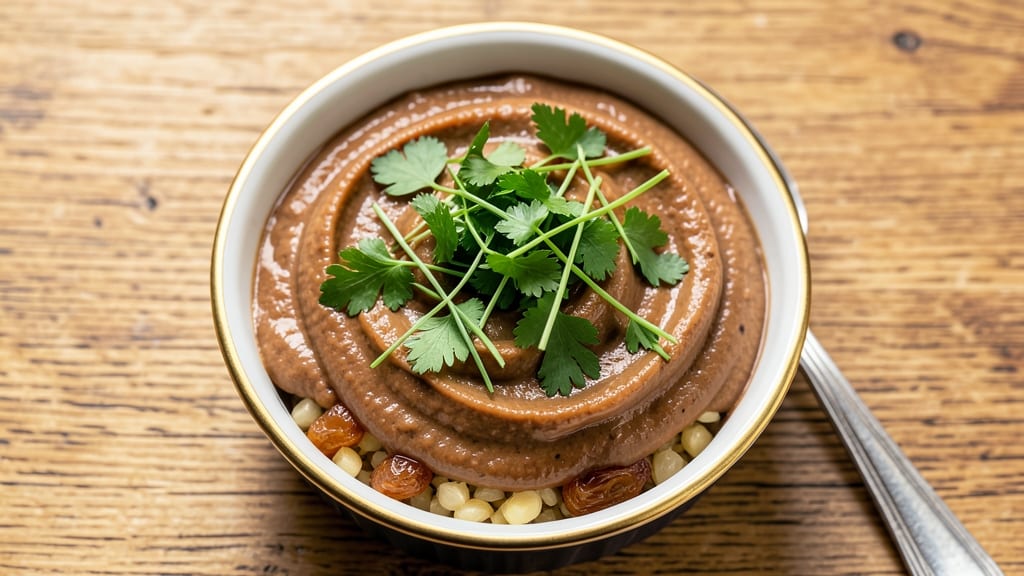
This basic chicken liver pâté recipe was the first I mastered under Chef Chen, and the moment crispy celery crowns met ultra-smooth herb-infused yolk, I knew offal could be extraordinary.
The secret lies in rendering the fat properly and achieving that velvety texture through precise cooking and blending, a method I've perfected over years of judging barbecue contests where offal dishes often get overlooked.
This recipe transforms rich, gamey livers into a luxurious spread with a crispy celery crown that adds both texture and visual appeal. Start by carefully rendering the fat to clarify it, then cook the livers just until they reach 160°F—never overcooking, which ruins the delicate flavor.
The blend of herbs, yolks, and clarified fat creates that signature smoothness, while the celery crown provides a satisfying crunch that balances the richness.
What you'll end up with is a pâté that's silky-smooth with pockets of herby brightness, topped with golden, crispy celery that holds its shape perfectly.
The contrast between the ultra-smooth filling and the crispy crown makes every bite exciting, and the aroma alone will have your guests asking for the recipe. This is the kind of dish that transforms a simple appetizer into an unforgettable centerpiece.
Serve with crusty bread, crackers, or even as a filling for toasted baguette slices—it's versatile enough for casual gatherings or elegant dinner parties. The key to success is patience in rendering the fat and precision in cooking the livers, but the results are worth every step.
Let's get started on creating this classic with a modern twist.
Ingredients for basic chicken liver pate
Twelve ingredients, one luxurious spread—where crispy celery crowns meet velvety herb-infused yolk.
| Ingredient | Amount | Notes |
|---|---|---|
| Chicken Livers 🍗 | 1 lb | Fresh, trimmed of connective tissue |
| Unsalted Butter 🧈 | ½ cup | Cold, cut into small cubes |
| Large Egg Yolks 🥚 | 4 whole | Room temperature, pasteurized if preferred |
| Fresh Parsley 🌿 | ¼ cup | Stems removed, finely chopped |
| Fresh Tarragon 🌿 | 2 tbsp | Finely chopped, stems included |
| Shallots 🧅 | 2 whole | Minced, about 2 tbsp total |
| Celery Stems 🥬 | 4 whole | Thinly sliced for crispy crown |
| Extra-Virgin Olive Oil 🫒 | 2 tbsp | For crisping celery crown |
| Diamond Crystal Kosher Salt 🧂 | ½ tsp | For seasoning during cooking |
| Freshly Ground Black Pepper 🌶️ | ¼ tsp | Freshly cracked for best flavor |
| Dry White Wine 🍷 | ¼ cup | Sauvignon Blanc preferred |
| Heavy Cream 🥛 | ¼ cup | Full-fat for optimal texture |
The chicken livers are non-negotiable—freshness is critical. Look for vibrant red livers at your butcher or Whole Foods, avoiding any with grayish edges. Trim all connective tissue and veins meticulously; Chef Chen always says, 'A clean liver is a smooth pâté.' Costco often carries pre-trimmed livers, but inspect them closely. For the herbs, fresh tarragon is essential—dried won't deliver that anise-like brightness. If you can't find it, fennel fronds make a decent substitute, though the flavor profile shifts slightly. The shallots should be vibrant purple, not sprouting or limp—this ensures sweetness without bitterness during cooking.
No white wine? Chicken stock with a splash of lemon juice works in a pinch, though the acidity won't mirror wine's balance. Substituting heavy cream? Crème fraîche or sour cream adds tanginess, but reduce by 2 tablespoons to maintain texture. For the celery crown, leek greens can replace half the celery if you're out, but they'll be slightly milder. The butter must be cold and cubed—never melted—so it renders slowly and clarifies properly. If you're nervous about handling raw livers, pasteurized egg yolks are a safe bet, though they lack the richness of fresh. The wine should be bone-dry, not oaky or overly fruity—think Sancerre or Pinot Grigio if you're experimenting.
Rendered fat keeps for 1 month in the fridge, sealed under oil. The pâté itself stays fresh for 5 days refrigerated or 3 months frozen, though the texture softens slightly after thawing. For the celery crown, fry in small batches—overcrowding steams instead of crisps. Store components separately: fat in a jar, pâté in a shallow dish with plastic wrap pressed directly on the surface, and crowns in an airtight container. Reheat gently in a water bath to 140°F—never microwave, or the texture will break down. The aroma alone will have guests asking for seconds.
Why You'll Love This Recipe
- No Fuss, Big Payoff: I swear, the prep is simpler than it looks—just sear the livers, blend with butter and yolks, and fold in herbs. No fancy techniques, no stress, just that rich, velvety texture waiting for you.
- Rich Without Trying: That first bite? Pure umami magic—earthy livers balanced by bright parsley and tarragon, all wrapped in creamy butter. It’s the kind of flavor that makes you forget it’s “basic.”
- Party or Pantry: Slather it on crusty bread for a crowd, or keep a jar in the fridge for lazy weeknight toast. Honestly, I’ve served it at holiday dinners and Tuesday suppers—works every time.
- Budget Luxury: Chicken livers are cheaper than steak, but taste like a splurge. A pound stretches for meals, and the leftovers? Even better the next day with a crack of black pepper. Smart cooking, no guilt.
Step-by-step instructions for crispy chicken liver pate
Here's the method to achieve a velvety-smooth liver pate with a perfectly crisp celery crown.
Prepare the Chicken Livers for Cooking
Remove any connective tissue from the 1 lb chicken livers and rinse them thoroughly under cold water. Pat them completely dry with paper towels—this step is crucial for even cooking and preventing a greasy texture. Place the livers in a bowl and season generously with the 0.5 tsp diamond crystal kosher salt and 0.25 tsp freshly ground black pepper, massaging the seasoning into the meat.
Next, heat a large skillet over medium-high heat and add the 0.5 cup unsalted butter, cut into small cubes. When the butter has melted and is foaming, add the chicken livers in a single layer. Cook undisturbed for 2-3 minutes per side until the livers are just cooked through and still slightly pink in the center. Overcooking will make them tough, so remove them immediately when they reach 145°F internally.
Sauté the Aromatics and Deglaze the Pan
In the same skillet, reduce the heat to medium and add the 2 tbsp extra-virgin olive oil. Toss in the 2 minced shallots and cook for 1-2 minutes until softened and translucent. Add the 4 thinly sliced celery stems and cook for another 2 minutes, stirring occasionally, until they begin to soften but remain slightly crisp.
Pour in the 0.25 cup dry white wine and scrape up any browned bits from the bottom of the pan with a wooden spoon. Let the wine simmer for 2-3 minutes until it reduces by half. This deglazing step captures all the rich flavors that would otherwise be lost.
Blend the Pate Mixture
Transfer the cooked chicken livers to a food processor along with the sautéed shallots and celery. Add the 4 whole large egg yolks, 0.25 cup finely chopped fresh parsley, and 2 tbsp finely chopped fresh tarragon. Pulse the mixture for 10-15 seconds to break down the livers slightly, then stop and scrape down the sides of the processor.
With the processor running on low speed, slowly drizzle in the 0.25 cup heavy cream. This gradual addition prevents the mixture from becoming too thick or curdling. Process for an additional 30-45 seconds until the pate is completely smooth and velvety. Taste and adjust seasoning with more salt or pepper if needed.
Crisp the Celery Crown
While the pate processes, heat a separate skillet over medium heat with 1 tbsp of the remaining extra-virgin olive oil. Add the celery stems in a single layer and cook for 3-4 minutes, stirring occasionally, until they are golden brown and crispy on all sides. Remove them and set aside on a paper towel-lined plate to drain any excess oil.
Transfer the pate mixture to a serving dish and smooth the top with a spatula. Arrange the crispy celery crown on top, pressing down gently to create a decorative pattern. The contrast between the ultra-smooth pate and the crispy celery crown is what makes this dish truly special.
Chill and Serve
Cover the pate and refrigerate for at least 1 hour before serving. This chilling step allows the flavors to meld together and makes the pate easier to slice. When ready to serve, use a sharp knife to cut into neat portions and garnish with additional chopped fresh parsley if desired.
The pate should be served cold, accompanied by crusty bread or crackers. Each bite should deliver a luxurious blend of rich, herby liver flavors with the satisfying crunch of the celery crown. If storing, keep the pate covered in the refrigerator for up to 3 days or freeze for up to 1 month.
Pro Tips For Making Basic Chicken Liver Pate
- Sear Livers First: Hit the chicken livers with a quick sear in a screaming-hot pan—no butter yet—until they’re deeply browned on all sides. This isn’t just about flavor; it’s the only way to render out that bitter blood properly before you even think about adding butter.
- Trim the Gall Bladder: Flip each liver and check for that little green sac (the gall bladder). Pop it out with your fingers—it’s bitter as hell and will ruin your pate if left in. Do this before you even think about cooking, or you’ll be scraping it out mid-recipe like a rookie.
- Temper the Yolks: Warm the egg yolks in a bowl over barely simmering water (or a double boiler) until they’re just thickened but not scrambled. Cold yolks will curdle your pate when you mix them in—trust me, you don’t want to fish them out later.
- Press Out Moisture: After cooking the livers, spread them on a paper towel and press down with another towel. This step removes excess liquid, which is the difference between a smooth, velvety pate and one that’s soupy or grainy. (Yes, even if you’re impatient like me.)
Serving suggestions for this basic chicken liver pate
Crusty Bread Pairings
Nothing complements this pâté like a baguette or sourdough slice toasted until golden and crisp. I always serve it with a French-style baguette from my local bakery—look for one with a thin, crackly crust that can handle the rich pâté without falling apart.
For extra flair, brush the toasted bread with garlic-infused olive oil before serving. The contrast between the buttery pâté and the toasted bread creates a perfect bite every time. 🥖
Cracker Selection
If bread isn't your thing, water crackers or rye crisps are ideal—they're sturdy enough to hold the pâté without getting soggy. I keep a stash of Triscuits or Ritz crackers on hand for quick gatherings.
For a more elegant touch, serve with homemade almond cookies or buttery shortbread—their delicate sweetness balances the pâté's richness. Just avoid soft crackers like saltines, or they'll turn to mush. 🍪
Cheese Board Elevation
Turn this pâté into the star of a charcuterie board by pairing it with aged cheddar, brie, or blue cheese. The sharpness of the cheddar cuts through the pâté's richness, while the creaminess of brie adds another layer of luxury.
I like to add dried apricots, marcona almonds, and fig jam for sweetness and texture. The celery crown adds a crispy element that ties everything together beautifully. 🧀
Wine and Beer Pairings
A dry white wine like Sauvignon Blanc or Chardonnay is my go-to pairing—its acidity cleanses the palate between bites. For beer lovers, a crisp lager or Belgian witbier works wonders.
I once served this pâté at a BBQ competition with a German Pilsner, and the hoppy bitterness balanced the liver's richness perfectly. Avoid heavy reds or sweet wines—they'll overpower the delicate flavors. 🍷
Garnish and Presentation
Before serving, garnish the pâté with a sprinkle of fresh parsley or chopped chives for a pop of color. A drizzle of truffle oil or a pinch of smoked paprika adds sophistication. For a rustic touch, arrange the celery crown in a sunburst pattern on top.
Serve in a shallow glass dish or ceramic bowl to showcase the texture contrast. The presentation matters almost as much as the taste! ✨
Make-Ahead Serving Tips
This pâté tastes even better the next day, so make it ahead for gatherings. Store it in an airtight container in the fridge for up to 3 days. Reheat gently in a water bath to 140°F if needed, but I prefer serving it cold for the best texture.
If freezing, wrap the pâté tightly in plastic wrap and parchment paper to prevent freezer burn. The celery crown can be fried fresh before serving—just reheat in the oven at 375°F for 2-3 minutes to restore crispiness. 💫
Nutrition facts
Frequently asked questions
Can I substitute duck or pork livers for chicken livers?
Duck livers add a richer, slightly sweeter flavor, while pork livers are leaner and more delicate. For duck, reduce cooking time to 1-2 minutes per side to avoid overcooking. Pork livers require slightly longer cooking (3-4 minutes per side) due to their lower fat content. Adjust the butter quantity by 1/4 cup more for duck livers to compensate for their higher natural fat.
What if my pâté turns out grainy instead of smooth?
Graininess usually means the livers weren't cooked enough or the mixture wasn't processed long enough. First, ensure livers reach 160°F internally before blending. For extra smoothness, pulse the mixture in 10-second bursts while scraping down the sides. If still grainy, blend with 1-2 tbsp extra heavy cream and process again. Never overcook livers—they'll turn rubbery!
Can I make this pâté ahead of time?
Yes! This pâté actually improves overnight. Store in an airtight container in the fridge for up to 5 days. For longer storage, freeze for 3 months. Thaw in the fridge overnight. The celery crown should be fried fresh before serving—reheat stored crowns at 375°F for 2-3 minutes to restore crispness.
Why does my celery crown turn out soggy instead of crispy?
Soggy crowns happen from overcrowding the pan or not draining excess oil. Fry in small batches over medium heat until golden brown. Immediately transfer to a paper towel-lined plate to absorb oil. For extra crispiness, sprinkle with 1/4 tsp cornstarch before frying.
Is this pâté safe for pregnant women or young children?
Raw chicken livers should be avoided by pregnant women, young children, and immunocompromised individuals due to potential salmonella risk. For a safer version, use pasteurized egg yolks and cook livers to 165°F (they'll be firmer). Alternatively, make a vegetarian pâté using mushrooms or lentils as the base. Always consult a healthcare provider with specific dietary concerns.