
Soups & Stews
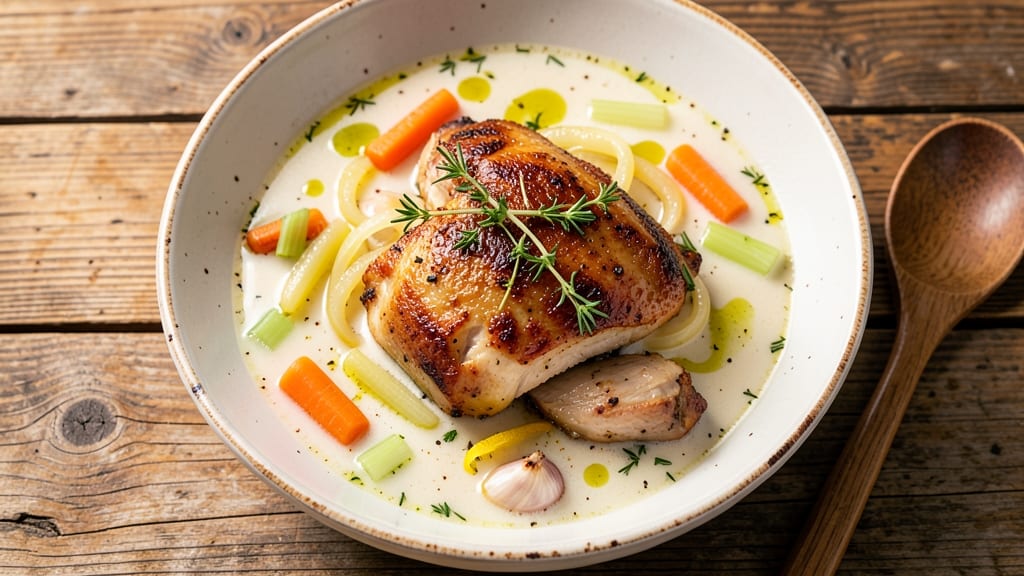
Ina Garten’s Barefoot Contessa chicken soup recipe delivers the kind of comforting, restaurant-quality meal that feels like a warm hug in a bowl. The secret lies in tender chicken thighs simmered low and slow, aromatic vegetables, and a velvety yogurt-herb cream that elevates ordinary soup to something extraordinary.
This isn’t your grandmother’s chicken noodle—it’s refined, elegant, and packed with layers of flavor that make every spoonful worth savoring.
The recipe begins with a rich broth built from onions, carrots, and celery, the classic mirepoix that forms the flavor base. Chicken thighs—richer and more forgiving than breasts—simmer until fork-tender, while herbs like thyme and bay leaf infuse the broth with subtle depth.
The yogurt cream, stirred in at the end, adds a luxurious touch without overpowering the dish, balancing richness with brightness.
What sets this apart is the attention to detail: proper seasoning, careful simmering, and the right texture—creamy yet light, with just enough body to coat the spoon.
The result is a soup that’s hearty enough for a cold evening but refined enough for company, where each bite delivers tender chicken, silky broth, and a hint of herby freshness. It’s the kind of recipe that makes you want to linger over a second bowl.
Perfect for weeknights or special occasions, this soup scales beautifully and reheats even better the next day. The techniques are approachable, but the result feels like a labor of love—just as Ina Garten would make it. Let’s get cooking.
Ingredients for barefoot contessa chicken soup
The heart of Ina Garten's iconic chicken soup: tender chicken, aromatic vegetables, and velvety yogurt cream.
| Ingredient | Amount | Notes |
|---|---|---|
| Chicken Thighs 🍗 | 1 ½ lb | Bone-in, skin-on preferred |
| Yellow Onion 🧅 | 1 whole | Medium size, chopped |
| Carrots 🥕 | 3 medium | Peeled, cut into chunks |
| Celery Stalks 🧄 | 3 whole | Trimmed, chopped |
| Garlic Cloves 🧄 | 4 cloves | Peeled, minced |
| Fresh Thyme 🌿 | ½ ounce | Or 1 tbsp dried |
| Bay Leaves 🌿 | 2 whole | Dried, standard size |
| Chicken Broth 💧 | 4 cups | Low-sodium preferred |
| Plain Yogurt 🥛 | ½ cup | Full-fat for creaminess |
| Fresh Dill 🌿 | ¼ cup | Chopped, stems removed |
| Lemon Juice 🍋 | 1 tbsp | Freshly squeezed |
| Salt 🧂 | 1 ½ tsp | Kosher or sea salt |
| Black Pepper 🌶️ | ½ tsp | Freshly ground |
| Egg Noodles 🍝 | 8 oz | Fresh or dried |
| Olive Oil 🫒 | 2 tbsp | Extra-virgin preferred |
The chicken thighs are non-negotiable here—bone-in, skin-on for maximum flavor and tenderness. Trader Joe’s or Whole Foods carry excellent cuts, but any grocery store’s fresh chicken section will work. Look for thighs with good marbling and vibrant color. The carrots and celery should be crisp and fresh; Wilting means flavor loss. For the broth, low-sodium is key—you’ll season it yourself. Fresh thyme and dill elevate this beyond basic soup, but dried works in a pinch at one-third the amount. Bay leaves add subtle depth without overpowering.
No fresh dill? Dried dill at one-quarter the amount works, though it lacks brightness. Swap the yogurt for Greek yogurt or sour cream if you prefer tangier creaminess. The egg noodles can be fresh or dried—just adjust cooking time. For a gluten-free version, use rice noodles. The olive oil matters here; extra-virgin adds fruity notes, while regular olive oil keeps it neutral. If you’re short on time, pre-chopped mirepoix from the freezer section saves steps without sacrificing flavor.
This soup tastes even better the next day as flavors meld. Store in an airtight container for 4-5 days in the fridge or freeze for 3 months. The yogurt cream separates when chilled—just stir before serving. For meal prep, cook the broth and chicken separately, then assemble when ready to eat. The noodles can be cooked ahead and reheated in broth. Double the batch—leftovers make the best lunch the next day.
Why You'll Love This Recipe
- Pantry-Friendly Staples: I swear by this soup because it uses ingredients I always have—no fancy shopping required. The onion, carrots, and celery (that classic mirepoix) get tossed in raw, then simmered until tender, while the chicken thighs add richness without fuss. No last-minute grocery runs needed.
- Deep, Savory Umami: Between the browned chicken thighs and crushed garlic cloves, this soup has layers of flavor. The slow simmer lets the carrots caramelize just enough to add natural sweetness, while the celery keeps it bright. It’s the kind of taste that makes you forget it’s "just" soup.
- Weeknight to Weekend: I make this for tired evenings, but it’s also my go-to for potlucks or when friends drop by. The broth is hearty enough for a crowd, and the leftovers (which, let’s be honest, are even better the next day) turn into a quick lunch. Add a sprinkle of parsley, and suddenly it’s fancier than it looks.
- Budget Meal, Big Payoff: Chicken thighs are cheaper than breasts, and they stay juicy while the veggies soften. A single batch feeds four for dinner and two more for lunch—no waste, just satisfaction. Plus, the flavors get richer as it sits, so it’s basically free money in taste.
Step-by-step instructions for herbed yogurt chicken soup
Here's the method that delivers melt-in-your-mouth chicken and velvety yogurt creaminess every time.
Sear the Chicken Thighs for Deep Flavor
Pat the 1.5 lb chicken thighs completely dry with paper towels. Heat 2 tablespoons olive oil in a large pot over medium-high heat until shimmering. Working in batches if needed, add the chicken thighs skin-side down and cook for 5-6 minutes until the skin is golden brown and crispy.
Flip the chicken and cook for another 4-5 minutes until the internal temperature reaches 165°F and the meat is no longer pink. Remove the chicken from the pot and set aside on a plate. You'll notice the skin is beautifully browned and the meat is already beginning to pull away slightly from the bone—a sign of perfect tenderness.
Build the Aromatic Vegetable Base
In the same pot, add the chopped 1 whole yellow onion, 3 medium carrots, and 3 whole celery stalks. Cook for 5 minutes until the vegetables begin to soften and release their sweet, earthy aromas. Add the 4 cloves minced garlic, 0.5 ounce fresh thyme, and 2 whole bay leaves, stirring for 30 seconds until fragrant.
Pour in the 4 cups chicken broth and bring to a gentle simmer. The broth should just barely bubble at the edges—this ensures the vegetables cook through without turning mushy. Skim off any foam that rises to the surface for a cleaner soup. This aromatic base forms the flavor foundation for the entire dish.
Simmer Chicken and Vegetables Until Tender
Return the chicken thighs to the pot, skin-side up, and add 1.5 teaspoons salt and 0.5 teaspoon black pepper. Bring to a gentle simmer, then reduce heat to low. Cover partially and cook for 20-25 minutes until the chicken is fork-tender and the vegetables are completely soft.
Here's the key: the chicken should pull apart easily with a fork, but still hold together enough to create satisfying bites. If the broth reduces too much before the chicken is tender, add a splash of water or more broth to maintain the right consistency. The soup should have a rich, golden color with visible vegetable pieces.
Finish with Yogurt and Fresh Herbs
Remove the chicken from the pot and let it rest on a cutting board for 5 minutes. Strain the broth through a fine-mesh sieve into a clean pot, pressing on the vegetables to extract all their flavor. Discard the solids. Return the broth to medium-low heat and stir in the 0.5 cup plain yogurt and 1 tablespoon lemon juice until smooth.
Shred the chicken using two forks, discarding any large bones. Return the shredded chicken to the pot and stir in the 0.25 cup chopped fresh dill. Taste and adjust seasoning with additional salt or pepper if needed. The soup should be creamy from the yogurt but still light enough to let the chicken and vegetable flavors shine.
Cook and Serve with Perfect Noodles
Bring the soup back to a gentle simmer and add the 8 oz egg noodles. Cook for 8-10 minutes until the noodles are al dente and floating to the surface. The soup should coat the back of a spoon with a velvety consistency but remain light enough to sip easily.
Ladle the soup into bowls, making sure each serving gets an even distribution of chicken, vegetables, and noodles. Garnish with additional fresh dill if desired. Serve immediately while hot—this soup tastes best fresh from the pot when the noodles are still warm and the yogurt is perfectly creamy.
Pro Tips For Making Barefoot Contessa Chicken Soup
- CRISP THE THYME: Brown the chicken thighs in batches—don’t crowd the pan. I used to rush this and ended up with pale, bland meat. High heat for 5-6 minutes per side until golden, then pull them out. That crust makes all the difference when they rejoin the pot later.
- CHOP ONIONS LIKE A PRO: Slice the yellow onion into ¼-inch semi-circles, not dice. The Barefoot Contessa recipe relies on those layers melting into the broth, not disappearing into a mush. A sharp knife and quick cross-chops keep them intact—no one wants onion dust in their soup.
- SALT THE BROTH LIKE THE SEA: Add the chicken broth first, then season with salt and pepper before adding the chicken. I learned this the hard way—salting after the chicken goes in means you’re guessing how much to add. Start with 1½ teaspoons salt per quart of broth, then adjust. Taste as you go.
- STIR THE VEGETABLES: Once the onions are translucent, toss in the carrots, celery, and garlic all at once, then stir vigorously for 2 minutes. This isn’t just about cooking—it’s about coating those veggies in the onion’s sweetness. Skip this, and you’ll end up with bland, separate piles of celery and carrots. (Yes, even if you’re impatient like me.)
Dietary considerations for this barefoot contessa chicken soup
Gluten-Free Adaptations
Swap the 8 oz egg noodles for 8 oz gluten-free egg noodles (brands like Barilla or King Arthur make excellent options). These noodles cook just like traditional egg noodles, absorbing the rich broth beautifully. For extra insurance, check labels for cross-contamination warnings if you have severe gluten sensitivity. 🌾
If you prefer a completely gluten-free broth base, use gluten-free chicken broth (like Pacific Foods or Imagine brands). These are specifically formulated without wheat or barley derivatives. The yogurt cream and other ingredients remain unchanged, so the flavor stays authentic while accommodating dietary needs.
Dairy-Free Options
For a dairy-free version, replace the ½ cup plain yogurt with ½ cup coconut yogurt (like So Delicious brand) or cashew cream (blend ½ cup soaked cashews with ¼ cup water until smooth).
The tangy brightness remains, though the texture will be slightly lighter. Add 1 teaspoon lemon juice to enhance creaminess.
If you're avoiding dairy but want to keep the richness, use ½ cup unsweetened almond milk mixed with 1 tablespoon cornstarch to thicken, then stir in 1 teaspoon lemon juice. This creates a silky, dairy-free alternative that still coats the spoon beautifully.
Low-Carb Modifications
Skip the noodles entirely and serve the soup as-is for a low-carb version. The tender chicken, vegetables, and creamy broth provide satisfying heartiness without the starch. For extra fiber, stir in ½ cup finely chopped zucchini or cauliflower florets during the final simmer—they soften beautifully and add texture.
If you miss the noodle element, try shirataki noodles (like Miracle Noodles), which are nearly zero-carb and absorb flavors well. Rinse them thoroughly first to remove any funky aftertaste, then cook according to package instructions and add to the soup in the last 2 minutes of cooking.
Vegetarian Swaps
Replace the chicken thighs with 1.5 lb firm tofu (pressed and cubed) or chickpeas (for a heartier texture). Sear the tofu or chickpeas first in 2 tablespoons olive oil until golden, then proceed with the recipe as written.
The broth and vegetables will carry the dish, with the chickpeas adding protein and a slightly earthy depth.
For a more substantial vegetarian option, add ½ cup cooked lentils or mushrooms (like shiitake or cremini) to the vegetable base. These ingredients mimic the meaty texture while keeping the soup hearty and satisfying. The yogurt cream remains a key component for richness.
Allergen-Friendly Notes
This recipe is naturally egg-free (assuming you use egg-free noodles) and nut-free, making it safe for common allergies. Always double-check labels on broths, noodles, and yogurt for hidden allergens—some brands process products in facilities that handle nuts or dairy.
For soy-free needs, ensure your broth is soy-free (like Imagine or Pacific Foods brands) and avoid soy-based noodles. The recipe’s core ingredients are already allergen-friendly, so modifications are minimal and focused on safe substitutions.
Nutrition facts
Frequently asked questions
Why does the Barefoot Contessa recipe use chicken thighs instead of breasts?
The thighs stay juicier and more tender during long simmering because they contain more fat and connective tissue. Breasts can dry out in broth, but thighs develop rich, melt-in-your-mouth texture while infusing the soup with deeper flavor. Plus, the skin adds crispy texture when seared!
Can I make this soup ahead of time?
This soup actually tastes better the next day as flavors meld. Store in an airtight container in the fridge for 4-5 days or freeze for 3 months. Just stir the yogurt cream before reheating to restore its silky texture.
What if I don't have fresh dill or thyme?
Use dried herbs at one-third the amount (e.g., ⅛ tsp dried dill instead of ¼ cup fresh). For thyme, 1 tsp dried replaces ½ oz fresh. The flavor will be slightly less bright but still delicious. If you're missing both, parsley works in a pinch.
How do I keep the yogurt from breaking when heating?
Always stir the yogurt into the broth off the heat—never let it boil. Add it when the soup is at medium-low heat and stir constantly for 1-2 minutes until smooth. For extra insurance, whisk the yogurt with 1 tbsp lemon juice first to stabilize it.
Can I add vegetables after cooking?
Yes! Add delicate veggies like spinach, peas, or green beans in the last 2-3 minutes of cooking. Harder vegetables (like potatoes or corn) should go in with the initial vegetable base. The key is timing—you want them tender but still vibrant.