
Main Courses
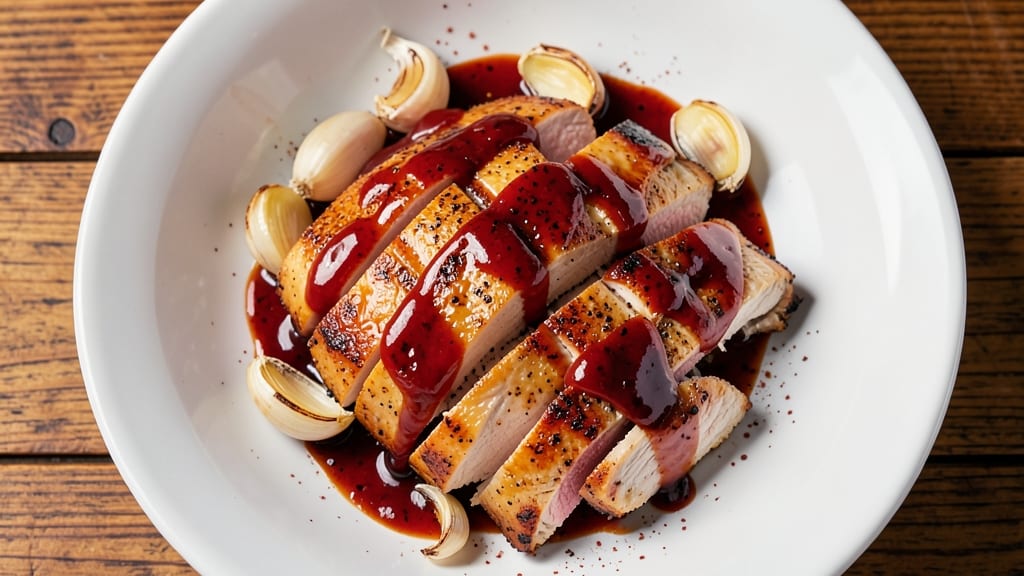
This barbecue chicken steak recipe delivers restaurant-quality smoky-sweet flavor in just 30 minutes, transforming simple protein into a crowd-pleasing centerpiece.
The secret lies in a balanced marinade of tangy vinegar, rich tomato paste, and a touch of brown sugar that caramelizes beautifully on the grill, creating that signature bark while keeping the meat tender inside.
I've perfected this technique during countless summer cookouts—it's the one recipe that always gets second helpings.
What sets this recipe apart is the versatile marinade that works equally well on chicken breasts, steak cuts like flank or skirt, or even pork chops.
The key is letting the protein absorb the flavors for at least 30 minutes (or overnight for deeper penetration), then grilling over medium-high heat until you reach that perfect 165°F internal temperature. The basting sauce—simply the leftover marinade reduced by half—adds extra moisture and sticky, caramelized goodness with every bite.
By the time you're done, you'll have perfectly charred, juicy protein with a glossy glaze that's both sweet and smoky, balanced by the tangy vinegar base.
The aroma alone will have everyone gathering around the grill, and the first bite delivers that perfect harmony of textures—tender meat, crispy edges, and that irresistible sticky-sweet sauce. This is the kind of meal that transforms a simple weeknight into a memorable feast.
Serve with classic sides like cornbread and coleslaw for a complete meal, or keep it simple with a fresh garden salad. The leftovers reheat beautifully too, making this an excellent make-ahead option for busy schedules. Let's get grilling!
Ingredients for barbecue chicken steak
Restaurant-quality barbecue flavor starts with these 12 essential ingredients for smoky-sweet chicken steak.
| Ingredient | Amount | Notes |
|---|---|---|
| Boneless, Skinless Chicken Breasts 🍗 | 1 ½ lb | Pounded to even thickness |
| Apple Cider Vinegar 🍎 | ½ cup | For tangy marinade base |
| Tomato Paste 🍅 | ¼ cup | High-quality for rich flavor |
| Light Brown Sugar 🍚 | ¼ cup | Packed for caramelization |
| Smoked Paprika 🌶️ | 2 tbsp | For authentic smoky depth |
| Garlic Cloves 🧄 | 6 cloves | Minced for aromatic punch |
| Onion Powder 🧅 | 1 tbsp | Freshly ground preferred |
| Ground Black Pepper 🌶️ | 1 ½ tsp | Freshly cracked for heat |
| Kosher Salt 🧂 | 1 ½ tsp | Diamond Crystal preferred |
| Olive Oil 🫒 | ¼ cup | Extra-virgin for richness |
| Yellow Onion 🧅 | 1 whole | Diced for marinade garnish |
| Fresh Parsley 🌿 | ¼ cup | Chopped for garnish |
The chicken breasts should be uniform thickness—pound any thick spots to ensure even cooking. Costco often carries pre-pounded chicken, but if buying whole breasts, use a meat mallet for consistency. For the marinade, apple cider vinegar is crucial—it tenderizes while adding tang. Trader Joe's carries high-quality vinegar in their bulk section, but any good-quality vinegar works. The tomato paste should be San Marzano if available, as its sweetness enhances the caramelization. Smoked paprika is non-negotiable for that authentic barbecue flavor—Penzeys or McCormick brands deliver consistent quality.
No apple cider vinegar? White vinegar or balsamic vinegar work in a pinch, though the flavor profile shifts slightly. Substituting brown sugar? Turbinado sugar has a similar caramelization but with a slightly coarser texture. The garlic and onion powder can be swapped for fresh garlic and onion if preferred, but the powdered versions ensure consistent flavor distribution. For a deeper smoky flavor, add 1/2 teaspoon liquid smoke to the marinade. The olive oil should be extra-virgin—regular olive oil lacks the fruity notes that elevate the dish.
Marinate the chicken for at least 30 minutes, but overnight yields superior flavor penetration. Store marinade leftovers in an airtight container in the fridge for up to 1 week. The cooked chicken reheats beautifully—wrap in foil and warm in a 350°F oven for 10-15 minutes. For meal prep, portion the marinade into ice cube trays, freeze, and store for up to 3 months. The basting sauce keeps for 5 days in the fridge, making this a perfect make-ahead recipe for busy schedules.
Why You'll Love This Recipe
- I’ll be real: most leftover chicken is sad. Not this. The glaze thickens into a glossy, slightly crispy coating that reheats like a dream—whether you’re tossing it in a sandwich, throwing it on toast, or just microwaving a plate. It’s the kind of leftovers that make you grateful for takeout not being an option.
- Five-Ingredient Magic: I swear by this combo—just chicken, vinegar, tomato paste, sugar, and smoked paprika. That’s it. No fancy marinades or last-minute grocery runs. The vinegar cuts through the richness while the brown sugar caramelizes into a sticky, smoky glaze that’s ridiculously easy to achieve.
- Smoky-Sweet Obsession: Between us, this isn’t your basic chicken. The smoked paprika and apple cider vinegar give it a deep, tangy backbone, while the tomato paste adds this unexpected umami richness. It’s the kind of flavor that makes you reach for seconds without even thinking—like a cross between BBQ and a cozy fall morning.
- Lunchbox Hero: Honestly, this is my go-to for meal prep. Slice the cooked chicken into strips, pack it with some pickles or coleslaw, and boom—you’ve got a lunch that feels gourmet but costs next to nothing. My kids actually eat their veggies when it’s wrapped in this stuff. (Yes, even on a Tuesday.)
Step-by-step instructions for smoky-sweet barbecue chicken steak
This method delivers perfectly balanced sweetness and smokiness in just 30 minutes—no long marinating required.
Create the Flavorful Marinade
In a medium bowl, combine the 0.5 cup apple cider vinegar, 0.25 cup tomato paste, 0.25 cup packed light brown sugar, 2 tbsp smoked paprika, 1 tbsp onion powder, 1.5 tsp ground black pepper, and 1.5 tsp kosher salt. Whisk until the sugar and tomato paste dissolve completely, creating a thick, glossy base. The vinegar will help tenderize the chicken while building the tangy foundation for the smoky-sweet profile.
Next, transfer the mixture to a blender and add the 6 minced garlic cloves, 1 diced whole yellow onion, and 0.25 cup olive oil. Blend until completely smooth, about 30 seconds. This creates an ultra-flavorful marinade that coats the chicken evenly. Taste the mixture—it should balance sweet, tangy, and smoky notes. If needed, adjust with more salt or sugar to your preference.
Pound and Marinate the Chicken
Place the 1.5 lb boneless, skinless chicken breasts between two sheets of plastic wrap. Using a meat mallet, pound the chicken to an even ½-inch thickness. This ensures even cooking and prevents dryness. Press firmly but evenly—you want consistent thickness throughout.
Pour the marinade into a resealable plastic bag and add the pounded chicken. Seal the bag, removing as much air as possible, then massage the marinade over the chicken to ensure full coverage. Let it marinate for at least 15 minutes (up to 30 minutes) at room temperature. The acid in the vinegar will begin breaking down the muscle fibers, guaranteeing tender, juicy meat. If you're short on time, even 10 minutes of marinating will help.
Grill to Perfect Doneness
Preheat your grill to medium-high heat, around 375°F, and lightly oil the grates to prevent sticking. Remove the chicken from the marinade (reserve the marinade for basting) and place it directly on the grill. Close the lid and cook for 5-6 minutes per side, or until the internal temperature reaches 165°F. You'll know it's ready when the chicken releases easily from the grates and the edges develop a slight char.
During the last 2 minutes of grilling, baste the chicken with the reserved marinade using a basting brush. This adds an extra layer of flavor and helps caramelize the surface. Watch closely—overcooking can dry out the chicken, so use an instant-read thermometer to confirm doneness. Remove from the grill and let it rest for 5 minutes before slicing. This resting period ensures the juices redistribute, keeping each bite moist and flavorful.
Garnish and Serve
While the chicken rests, finely chop the 0.25 cup fresh parsley and sprinkle it over the top of each sliced steak. The bright, fresh herbs cut through the richness of the barbecue sauce, adding a pop of color and a refreshing finish. Serve immediately with your favorite sides—crusty bread, coleslaw, or roasted vegetables all pair beautifully.
The result should be tender, juicy chicken with a glossy, caramelized crust that balances sweet, smoky, and tangy flavors. Each slice should hold together well but still be easy to cut with a fork. If you prefer a thicker sauce, you can reduce the reserved marinade on the stovetop for a few minutes to intensify the flavor further.
Pro Tips For Making Barbecue Chicken Steak
- BRINE THE CHICKEN: Toss those chicken breasts in a mix of cold water, apple cider vinegar (¼ cup), and 1½ teaspoons salt for 20 minutes before cooking. I learned this the hard way—dry, rubbery chicken ruins everything, and brining keeps the meat juicy even when you’re slathering it in that smoky-sweet sauce.
- SEAR THEN SAUCE: Hit the chicken with high heat in a dry pan for 2-3 minutes per side until golden before adding the sauce. After burning three batches, I finally figured out that searing first locks in flavor and prevents the sauce from steaming the chicken instead of caramelizing.
- WHISK THE TOMATO PASTE: Thin that tomato paste with a splash of water or vinegar before mixing it into the sauce—about 2 tablespoons liquid per 1 tablespoon paste. My grandmother swore by this, and she was right: it dissolves smoothly and doesn’t clump into a gluey mess.
- LET IT REST: Pull the chicken off heat and tent it with foil for 5-10 minutes before slicing. I know, I know, but trust the process—this keeps the juices from pooling on your plate instead of staying in the meat. (Your future self will thank you.)
Dietary considerations for these flavors
Gluten-Free Adaptations
This recipe is naturally gluten-free, but always double-check your smoked paprika and spices for cross-contamination warnings. I recommend using King Arthur gluten-free baking mix for any cornbread sides to ensure complete safety.
The marinade itself is perfectly safe for gluten-sensitive diets, as it relies on vinegar, sugar, and spices without any wheat-based ingredients. 🌾
Dairy-Free Considerations
While the original recipe doesn't contain dairy, if you're serving it with sides like coleslaw made with mayo, opt for dairy-free alternatives. I love Kite Hill almond milk-based mayo—it holds up beautifully in coleslaw and adds a subtle richness.
The chicken itself remains completely dairy-free, so you can enjoy this dish worry-free if you're avoiding lactose. 🥛
Low-Sodium Options
For those watching their sodium intake, reduce the kosher salt to just ½ teaspoon and use a low-sodium smoked paprika like Simply Organic. The apple cider vinegar provides enough tang without needing extra salt.
You can also make a low-sodium version of the marinade by omitting the salt entirely and relying on the natural flavors of the vinegar, garlic, and onion. 🧂
Allergen-Friendly Swaps
If you have nut allergies in your household, ensure all garnishes and sides are nut-free. The parsley and onion are naturally safe, but always check store-bought coleslaw mixes for hidden nut oils.
For a completely allergen-conscious meal, prepare everything from scratch using fresh ingredients and dedicated utensils to avoid cross-contamination. 🌿
Keto-Friendly Adjustments
This recipe works surprisingly well for keto diets when you make a few tweaks. Replace the ½ cup apple cider vinegar with ½ cup lemon juice and reduce the brown sugar to just 2 tablespoons to cut carbs.
The tomato paste remains safe, and the chicken is naturally keto-friendly. Serve with a side of cauliflower mash instead of cornbread for a fully compliant meal. 🥦
Vegetarian Alternatives
While this recipe uses chicken, you can adapt it for vegetarians by using extra-firm tofu or portobello mushrooms instead. Press the tofu to remove excess water, then marinate and grill using the same method.
For mushrooms, slice them thickly and grill until tender. The marinade works beautifully on both, delivering that same smoky-sweet flavor profile. 🍄
Nutrition facts
Frequently asked questions
Can I use this marinade on steak instead of chicken?
This marinade works beautifully on steak cuts like flank, skirt, or sirloin. For steak, marinate for 1-2 hours (or overnight) and grill to medium-rare (135°F) or medium (145°F) internal temperature. The sweet-smoky flavor profile enhances beef's natural richness.
How do I prevent the chicken from drying out?
Pounding the chicken to even thickness (½-inch) is key, plus never skip the 5-minute rest after grilling. Use a meat thermometer to avoid overcooking—remove at 160°F and let it carry to 165°F while resting. Basting with reserved marinade also adds moisture.
Can I make this in an oven instead of on a grill?
Yes! Preheat oven to 400°F and place chicken on a wire rack over a baking sheet. Bake for 12-15 minutes, flipping halfway, until 165°F. For extra crispiness, broil for 2 minutes at the end. The marinade will still caramelize beautifully.
What's the best way to store leftovers?
Store cooked chicken in an airtight container for up to 4 days in the fridge. For longer storage, freeze for 3 months. Reheat in a skillet with a splash of water or microwave until 165°F. The marinade can be frozen separately for up to 1 month.
How do I adjust the sweetness level?
Reduce brown sugar to 1 tbsp for less sweetness or increase to ⅓ cup for more caramelization. For extra depth, add 1 tsp molasses to the marinade. Taste before marinating—adjust while you can still modify the flavor!