
Sauces & Condiments
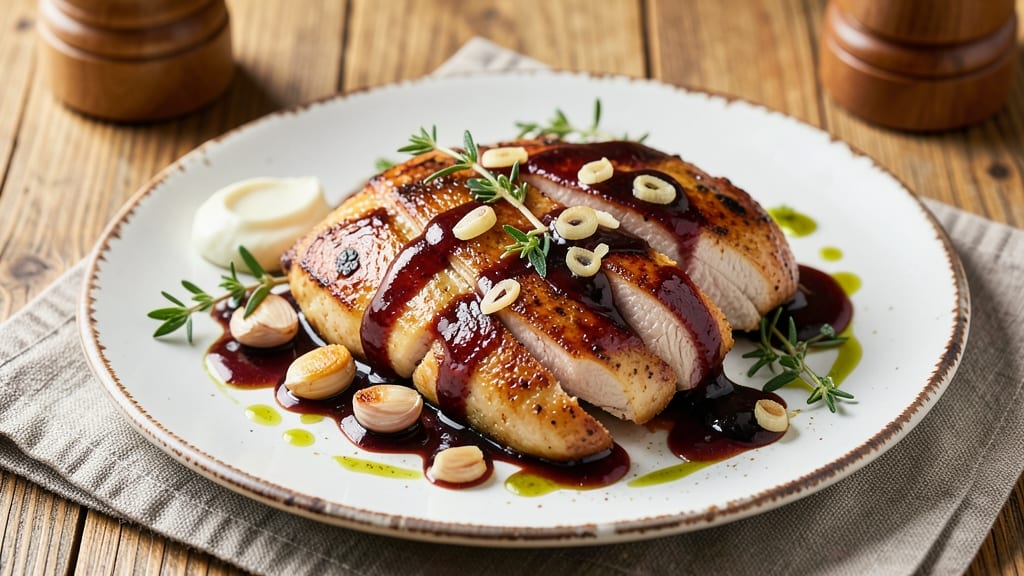
This balsamic chicken sauce recipe transforms simple pantry ingredients into a rich, velvety reduction with deep caramelized notes that elevate any dish. The secret lies in slow simmering chicken stock with balsamic vinegar until it thickens into a glossy, tangy-sweet sauce that clings beautifully to proteins and vegetables.
I developed this sauce after years of refining restaurant-style reductions at home—now you can recreate that same professional depth without the fuss.
The process is straightforward but requires patience: chicken stock and vinegar combine to form the base, while garlic, thyme, and butter add layers of complexity.
As it reduces, the sauce transforms from a simple mixture into something luxurious and restaurant-worthy, with a balance of sweetness and acidity that cuts through rich flavors. This versatile sauce works equally well drizzled over grilled chicken, tossed with pasta, or spooned alongside roasted vegetables.
What sets this recipe apart is its adaptability—it can be made in 30 minutes or simmered for hours for even deeper flavor. The key technique is controlled reduction, which intensifies the balsamic's natural sweetness while concentrating the chicken stock's savory depth.
Once complete, the sauce has a glossy sheen and a velvety texture that makes it irresistible.
Store leftovers in the refrigerator for up to 5 days or freeze for 3 months, making it perfect for meal prep. Whether you're preparing a weeknight dinner or hosting a dinner party, this sauce will become your go-to for adding restaurant-quality richness to any dish.
Ingredients for balsamic chicken sauce
Nine essential ingredients create this luxurious balsamic reduction with restaurant-quality depth.
| Ingredient | Amount | Notes |
|---|---|---|
| Chicken Stock 🍲 | 4 cups | Homemade or high-quality store-bought |
| Balsamic Vinegar 🍷 | ½ cup | Aged 10+ years for depth |
| Unsalted Butter 🧈 | 4 tbsp | Cold cut into small cubes |
| Garlic Cloves 🧄 | 4 cloves | Minced for even distribution |
| Fresh Thyme Leaves 🌿 | 1 tbsp | Or 1 tsp dried thyme |
| Shallots 🧅 | 2 whole | Finely minced, 2 tbsp total |
| Granulated Sugar 🍚 | 1 tbsp | Balances acidity |
| Salt 🧂 | ½ tsp | Diamond Crystal preferred |
| Black Peppercorns 🌶️ | ¼ tsp | Freshly cracked |
The foundation begins with chicken stock—homemade yields the deepest flavor, but Kirkland Signature or Pacific Foods brands deliver consistent quality. For balsamic vinegar, aged 10+ years is non-negotiable; Aceta or Giovanni Rossi labels guarantee that caramelized complexity. Fresh thyme leaves should be bright green and fragrant—dried works but lacks the same aromatic punch. Shallots add subtle sweetness; peeling and mincing them finely prevents bitterness. The butter must be cold-cut to create the signature glossy finish during reduction. Whole Foods or specialty grocers carry the highest-quality aged balsamic, but even mid-range options like Trader Joe's perform admirably for weeknight cooking.
No aged balsamic? Red wine vinegar plus 1 tbsp brown sugar mimics the depth, though true aged balsamic's complexity remains unmatched. Substitute shallots with 1/4 cup finely diced red onion if unavailable, but taste first—onions can overpower. Fresh thyme unavailable? Dried at one-third the amount suffices, but toast it briefly in a dry pan to release oils. The sugar acts as a flavor enhancer; honey or maple syrup work in a pinch (reduce other liquids slightly). For a quicker version, start with 2 tbsp balsamic glaze instead of vinegar, though it lacks the same depth. Always taste as you reduce—adjust sugar or vinegar to balance sweetness and acidity precisely.
This sauce thickens as it reduces, so stir frequently to prevent scorching. Store in a clean, dry glass jar with a tight seal; the sauce will continue developing flavor over 5 days in the fridge. For freezing, portion into ice cube trays—thaw quickly in warm water before using. The sauce's velvety texture comes from incorporating cold butter at the end, so always add it off the heat. Portion into small containers for easy reheating; a splash of water or stock revives it beautifully if it thickens too much during storage. Leftovers keep their restaurant-worthy quality for 3 months frozen.
Why You'll Love This Recipe
- Pantry Magic: I swear by this sauce because it pulls together what I already have—just stock, vinegar, butter, and a few cloves of garlic. No specialty shopping, no stress. The balsamic and thyme alone make it taste like I slaved over it, even though I didn’t.
- Umami Bomb: That first spoonful of reduced stock and butter with garlic sizzling? Rich and tangy all at once. The balsamic caramelizes into a glossy finish that clings to everything—pasta, chicken, even toast. It’s the kind of flavor that makes you pause mid-bite.
- Weeknight Swiss Army: Dinner ready in 20 minutes? Check. Leftovers that taste just as good reheated? Double check. Drizzle it over roasted veggies, toss it with grains, or serve it as a dip. I’ve even used it to deglaze a pan after cooking chicken—zero waste, maximum flavor.
- Budget Stretch: A splash of vinegar and a pat of butter turn cheap stock into something luxurious. I make a big batch and freeze it—perfect for when I’m low on time or cash. Honestly, this sauce is my secret for making simple meals feel like a splurge without the price tag.
Step-by-step instructions for balsamic chicken sauce
Master this velvety reduction with caramelized shallots and aromatic thyme for a sauce that elevates any protein.
Sauté Shallots and Garlic Until Translucent
Melt the 4 tablespoons unsalted butter in a heavy-bottomed saucepan over medium heat. Add the 2 whole shallots that have been finely minced and cook for 5-6 minutes, stirring occasionally, until they become soft and translucent. This step builds the sauce's sweet foundation.
Add the 4 cloves minced garlic and 1 tablespoon fresh thyme leaves to the pan. Cook for an additional 1-2 minutes until the garlic is fragrant but not browned. The thyme will release its essential oils, infusing the sauce with depth. Remove from heat immediately to prevent burning.
Deglaze with Balsamic Vinegar and Reduce
Return the pan to medium heat and carefully pour in the ½ cup aged balsamic vinegar. The vinegar will sizzle as it hits the hot pan, so use a wooden spoon to scrape up any browned bits from the bottom—these contain concentrated flavor. Let the mixture simmer for 3-4 minutes until reduced by half.
Add the 1 tablespoon granulated sugar and ½ teaspoon salt to the pan. Stir well to dissolve the sugar completely. The sugar helps balance the acidity of the balsamic while adding a subtle caramel note. The sauce should begin to thicken slightly as it reduces further.
Incorporate Chicken Stock and Simmer
Pour in the 4 cups chicken stock and bring the mixture to a gentle simmer. Reduce heat to low and let it cook uncovered for 20-25 minutes, stirring occasionally. You're looking for a sauce that coats the back of a spoon and has thickened to a syrupy consistency.
During this time, the balsamic will continue to caramelize, deepening its rich color and complex flavor profile. Stir in the ¼ teaspoon freshly cracked black peppercorns during the last 5 minutes of cooking to infuse the sauce with subtle heat.
Finish and Adjust Consistency
Once the sauce has reduced to your desired consistency, taste and adjust seasoning. You may need to add a pinch more salt or a splash of water if the sauce is too thick. The final texture should be velvety yet still coat the back of a spoon without being gluey.
For an extra touch of elegance, strain the sauce through a fine-mesh sieve to remove any thyme stems or shallot bits. Serve immediately over grilled chicken, roasted vegetables, or pasta for a restaurant-quality finish. This sauce keeps well in the refrigerator for up to 5 days and can be reheated gently on the stovetop.
Pro Tips For Making Balsamic Chicken Sauce
- Simmer Slow and Low: This sauce isn’t a race—reduce the heat to a bare simmer once the balsamic vinegar joins the stock. I used to rush it, and the sauce would turn sharp and vinegary. Let it bubble gently for at least 15 minutes, stirring occasionally, so the flavors meld instead of fight.
- Toast the Garlic: Lightly fry the minced garlic in butter until it’s just golden—about 30 seconds—before adding stock. Raw garlic can taste harsh in this sauce, and toasting deepens its sweetness. (Yes, even if you’re impatient like me.)
- Strain the Stock: If your chicken stock has bits floating, strain it before using—unless you’re okay with a chewier texture. I learned this the hard way after serving a sauce with visible cartilage. A fine-mesh sieve takes 30 seconds and makes a smoother finish.
- Deglaze the Butter: After cooking the garlic in butter, pour in a splash of balsamic vinegar before adding stock. Let it bubble for 30 seconds to lift those browned bits from the pan—this adds depth the recipe might skip. (Your future self will notice the difference.)
Perfect pairings for this balsamic chicken sauce
Grilled Chicken Pairing
This sauce is absolutely made for grilled chicken—its rich, tangy-sweet profile clings perfectly to charred skin. I love brushing it over bone-in thighs during the last 2 minutes of grilling on medium-high heat so it caramelizes slightly.
For extra drama, finish with crispy prosciutto and a sprinkle of flaky sea salt. The sauce's acidity cuts through the smoky flavors beautifully. 🔥
Pasta Perfection
Toss ½ cup sauce per serving with 8 oz fettuccine or tagliatelle after cooking al dente. The sauce's velvety texture coats each strand without making it soggy. For a heartier dish, add sautéed mushrooms and crispy pancetta.
I always finish with fresh basil leaves for brightness and a drizzle of extra virgin olive oil to enhance the sauce's richness.
Roasted Vegetable Elevation
Drizzle this sauce over roasted Brussels sprouts or carrots> after roasting at 400°F for 25 minutes. The sauce's depth complements the caramelized edges of vegetables.
For a complete meal, pair with crispy polenta or garlic bread. The contrast between the sauce's tang and the vegetables' natural sweetness is unbeatable. 🌟
Breakfast Twist
Yes, really! Use this sauce as a glaze for fried chicken or drizzle over scrambled eggs with crispy bacon. The balsamic's complexity adds sophistication to breakfast.
I like to add a pinch of red pepper flakes for a subtle kick. This works surprisingly well with avocado toast for brunch. 💛
Cheese Board Companion
Warm the sauce slightly and serve it in a small bowl alongside aged cheddar, pecorino romano, and dried apricots on a cheese board. The sauce's sweetness balances the saltiness of the cheese while the balsamic's acidity cuts through the richness.
Add crusty bread for dipping and marinated olives for contrast. It's a crowd-pleasing appetizer that feels luxurious. ✨
Wine Pairings
A Chianti Classico from Tuscany complements this sauce perfectly—their shared Italian roots create harmony. For white wine lovers, a dry Vermentino from Sardinia balances the sauce's richness with crisp acidity.
Avoid heavy reds like Cabernet Sauvignon, which can overpower the delicate balsamic notes. A glass of sparkling water with lemon also works beautifully for a lighter option. 🍷
Nutrition facts
Frequently asked questions
Can I make this balsamic reduction without aged balsamic vinegar?
Yes, but the flavor will be less complex. Use ½ cup red wine vinegar plus 1 tablespoon brown sugar to mimic the depth. For best results, simmer the vinegar mixture for an extra 5 minutes to caramelize the sugar slightly. This won't replicate aged balsamic's layers, but it works in a pinch.
How do I fix a sauce that's too thick or too thin?
For a thick sauce, whisk in 1 teaspoon warm water or stock at a time until it reaches a glossy, spoon-coating consistency. If too thin, simmer uncovered for 5-10 minutes longer, stirring occasionally. The key is patience—rushing causes scorching. For instant fixes, a ½ teaspoon cornstarch slurry (mixed with water) thickens quickly.
Can I substitute chicken stock with another type of stock?
For a vegetarian version, use mushroom or vegetable stock (add 1 chicken bouillon cube for depth). White wine stock works beautifully for a richer flavor profile. Just reduce the cooking time by 5 minutes since these stocks concentrate differently. The sauce's umami base will still shine through.
Why does my sauce taste too acidic?
This happens when the balsamic vinegar overpowers the other flavors. Balance it by adding ½ teaspoon sugar or 1 teaspoon honey to sweeten, or a pinch more salt to round out the flavors. For a quicker fix, stir in 1 teaspoon unsalted butter—it coats the palate and mellows the acidity. Taste as you go to avoid overcorrecting.
How can I use leftovers creatively?
Transform leftover sauce into a quick marinade for chicken or shrimp (add 1 tablespoon olive oil), or use it as a glaze for roasted vegetables. Thin with a splash of water and brush over toasted bread for crostini. The sauce also makes an excellent dipping sauce for fried mozzarella or crispy arancini. Freeze extras in ice cube trays for easy portioning later.