Sauces & Condiments
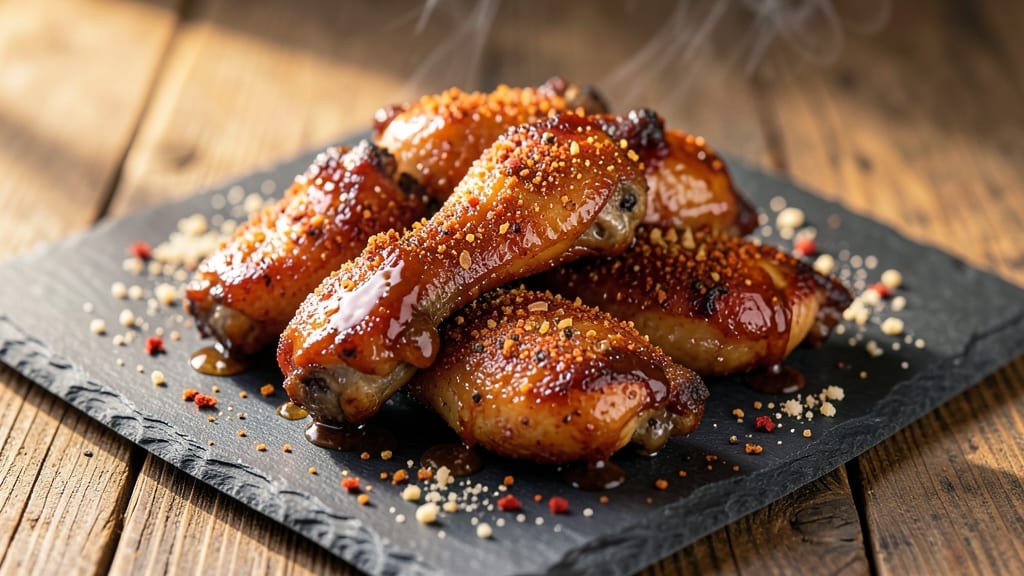
This baked chicken wing dry rub recipe transforms ordinary wings into finger-licking, crispy, smoky masterpieces without a single drop of oil. 🔥 The secret lies in a carefully balanced blend of spices that creates a deep, aromatic crust while keeping the meat tender inside—no deep frying required.
I developed this mix after years of experimenting with different combinations, and it consistently delivers restaurant-quality flavor with minimal effort.
The beauty of this dry rub is its versatility and simplicity. With just six essential spices—paprika, garlic powder, onion powder, cayenne, brown sugar, and black pepper—you can create a flavor profile that's bold, slightly sweet, and perfectly smoky.
The blend is designed to cling to the wings, forming a flavorful bark that crisps beautifully in the oven while keeping the meat juicy. It's the kind of seasoning mix that elevates any dish, but it truly shines on baked wings.
What makes this recipe stand out is its foolproof application—just pat the dry rub onto your wings before baking, and let the oven work its magic. The spices caramelize into a rich, aromatic crust that adds depth and complexity without overpowering the natural taste of the chicken.
Whether you're hosting a game day gathering or craving a quick weeknight snack, this dry rub ensures every bite is packed with flavor and texture.
Once you've made this blend, you'll want to keep it on hand for future wing nights. Store it in an airtight container for up to three months, and trust me, you'll reach for it again and again.
The best part? It’s not just for wings—this versatile seasoning works beautifully on roasted chicken, meatballs, or even as a finishing touch for grilled meats. Let’s get started!
Ingredients for baked chicken wing dry rub
Six spices, one magical blend that turns wings into crispy, smoky masterpieces.
| Ingredient | Amount | Notes |
|---|---|---|
| Smoked Paprika 🌶️ | 3 tbsp | Smoked for deep winghouse aroma |
| Garlic Powder 🧄 | 2 tsp | Freshly ground preferred |
| Onion Powder 🧅 | 2 tsp | Diamond Crystal preferred |
| Cayenne Pepper 🔥 | 1 tsp | Adjust for heat preference |
| Light Brown Sugar 🍚 | 1 tbsp | Packed measurement |
| Freshly Ground Black Pepper 🌶️ | 1 tsp | Cracked peppercorns preferred |
| Kosher Salt 🧂 | 1 tsp | Diamond Crystal preferred |
| Ground Cumin 🌿 | ½ tsp | Toasted for deeper flavor |
The smoked paprika is non-negotiable here—it's what gives those wings that authentic winghouse aroma. Penzeys or bulk bins at Whole Foods carry the best quality, but honestly, any reputable grocery store's smoked paprika will work. Look for vibrant color and a fresh date on the package. The brown sugar might seem like a weird addition, but trust me, it caramelizes beautifully during baking, adding that perfect sweet-savory balance. For the garlic and onion powders, Diamond Crystal is my go-to—they're finely ground and consistent, which is key for even flavor distribution. If you're feeling fancy, toast your cumin seeds in a dry pan for 30 seconds before grinding them—it intensifies the earthy notes dramatically.
No smoked paprika? Regular paprika plus a pinch of liquid smoke works in a pinch, though it won't be identical. Short on cayenne? Red pepper flakes at half the amount gives you heat without the same smoky kick. The cumin is optional but adds wonderful depth—if you skip it, add an extra pinch of garlic powder. For the brown sugar, coconut sugar works perfectly if you're avoiding refined sugar. And if you're worried about the salt level, taste your wings before baking—you can always add more salt later, but you can't take it out. The key is to mix everything thoroughly in a bowl before applying, so each wing gets that perfect balance of flavors.
This blend keeps beautifully in an airtight container for up to three months—though I've been known to use mine up faster than that. Store it in a cool, dark place, and give it a quick shake before each use to redistribute any settled spices. You'll want to make at least a double batch—this stuff disappears fast during game season. Pro tip: Freeze extra portions in ice cube trays for single-use applications. It's amazing on roasted chicken thighs, meatballs, or even as a dry brine for steaks. Just remember, the fresher the spices, the better the flavor—so if your blend starts to smell dull, it's time for a refresh.
Why You'll Love This Recipe
- No-Measurement Math: I just eyeball the spices—no scale, no fuss—and still get that perfect smoky-sweet balance. The smoked paprika and cayenne do all the heavy lifting while the brown sugar caramelizes into crispy little shards.
- Weeknight Hero: Between us, this is the only recipe I can pull off when I’m exhausted but need something ridiculously good. Toss wings in the rub, pop them in the oven, and suddenly you’ve got dinner.
- Game for Any Gathering: Serve them at a tailgate with beer, pair them with a salad for lunch, or let the kids snack on them after soccer practice. The rub’s heat and sweetness hit different crowds—no awkward leftovers here.
- Budget Crunch-Saver: A pound of chicken thighs costs half what wings do, and this rub stretches to coat way more than store-bought packets. Plus, the spices last forever, so I’m always stocked for the next craving.
Step-by-step instructions for smoky-spiced baked chicken wings
Here's how to create wings with crispy skin and bold flavor—no deep fryer required.
👨🍳 Step 1: Combine the Dry Rub Ingredients
In a medium bowl, whisk together all the dry rub ingredients: the 3 tbsp smoked paprika, 2 tsp garlic powder, 2 tsp onion powder, 1 tsp cayenne pepper, 1 tbsp light brown sugar, 1 tsp freshly ground black pepper, 1 tsp kosher salt, and 0.5 tsp ground cumin. The smoked paprika gives that signature winghouse aroma, while the brown sugar adds just enough caramelization to balance the heat.
Here's the thing—don't skip the whisking. Those spices need to blend evenly so every wing gets the same flavor punch. If you're sensitive to heat, reduce the cayenne to ½ tsp now. The mixture should look like coarse, rust-colored sand with tiny flecks of black pepper and cumin.
🍳 Step 2: Prep and Coat the Chicken Wings
Pat 4 pounds of chicken wings (about 20-24 pieces) completely dry with paper towels. Moisture is the enemy of crispy skin—you want those wings to develop that perfect crunch. Arrange them on a baking sheet in a single layer, making sure none are touching.
Now for the coating: Working in batches if needed, toss the wings in the dry rub mixture. I like to use my hands for this—press the rub firmly into the skin and crevices so it sticks. You'll need about 2 tablespoons of rub per pound of wings. The wings should look uniformly coated with a dark, spicy film.
🔥 Step 3: Bake for Maximum Crispiness
Preheat your oven to 425°F with a wire rack placed in the middle position. This high heat is crucial for crispy skin. Arrange the rubbed wings on the rack in a single layer—again, no crowding. Bake for 35 minutes, then flip each wing and rotate the pan for even browning.
After another 25 minutes, the wings should be deep golden brown with crispy skin that crackles when you touch it. The internal temperature should reach 165°F when measured in the thickest part of the meat. If they're browning too quickly, tent loosely with foil for the last 10 minutes to prevent burning.
⏰ Step 4: Rest and Serve
Transfer the wings to a clean cutting board or platter. Let them rest for 5 minutes before serving—this allows the juices to redistribute so every bite stays tender. The resting also helps the rub set and the flavors meld together.
Serve immediately with your favorite dipping sauce or a cool beer. The wings should have a perfect balance of smoky, spicy, and slightly sweet flavors with skin that's crispy enough to stand up to a toothpick. If you made extra rub, store it in an airtight container for up to 3 months—it's perfect for future batches!
Pro Tips For Making Baked Chicken Wing Dry Rub
- CRANK THE OVEN TO 425°F: The recipe might say "high heat," but 425°F is the sweet spot for crispy wings without burning the sugar—especially when using cayenne. I learned this the hard way after walking away to check my phone and coming back to charred edges.
- GRIND THE BROWN SUGAR FINE: Store-bought sugar lumps can clump under the wings, leaving dry spots. Pulse it in a spice grinder or crush it with a rolling pin—this ensures even coating and caramelization. (Yes, even if you’re impatient like me.)
- PAT DRY WITH PAPER TOWELS: Wet wings steam instead of crisp. After trimming, blot them thoroughly—this isn’t just about moisture, it’s about letting that smoked paprika stick. Skip this, and your rub will slide off like a bad date.
- REST WINGS 10 MINUTES BEFORE EATING: The crust softens fast once out of the oven. Tent them loosely with foil and let them sit—this keeps the edges crisp while the meat stays juicy. I know, I know, but trust the process.
Pro cooking tips for this dish
Spice Blending Mastery
Whisk your spices together in a medium bowl until completely uniform—this ensures every wing gets that perfect balance of smoky, spicy, and slightly sweet flavors.
I use a whisk because it breaks up any clumps in the smoked paprika and brown sugar, which can happen if you just stir with a spoon. For extra even distribution, I recommend sifting the mixture through a fine-mesh strainer before applying it to the wings.
This removes any large particles that might not stick well. 🌶️
Don’t underestimate the importance of freshly ground spices. Pre-ground garlic and onion powders lose potency quickly, so if yours is more than 3 months old, toast them in a dry pan for 30 seconds before mixing.
The heat intensifies their flavors dramatically. For the cayenne, I always use Penzeys brand—it’s consistent and not too dusty, which makes it easier to measure accurately.
Coating Like a Pro
Pat your wings completely dry with paper towels before coating—this is the single most important step for crispy skin. Any moisture trapped under the rub will steam instead of crisp, leading to soggy results.
I like to work in batches if I’m doing a big group, so I can focus on pressing the rub firmly into every crevice. Use your fingers to massage the mixture into the skin, especially around the joints where flavor tends to concentrate.
For even coverage, I recommend using 2 tablespoons of rub per pound of wings. This might seem like a lot, but trust me, it’s worth it. The extra rub ensures maximum flavor transfer and that beautiful caramelized crust.
If you’re worried about waste, save the leftover rub—it’s perfect for seasoning roasted potatoes or corn on the cob later. 🍗
Oven Temperature Secrets
Preheat your oven to 425°F for at least 15 minutes before baking—this ensures even heat distribution right from the start. I use a wire rack in my baking sheet because it allows air to circulate around the wings, promoting even browning and crispiness.
If you don’t have a rack, elevate the wings on a parchment-lined sheet pan with a baking sheet underneath to catch any drips.
The high heat is crucial for developing that Maillard reaction—the chemical process that creates deep, complex flavors in the crust. If your oven runs hot, reduce the temperature to 400°F and add 5-10 extra minutes to the baking time.
I always check the wings at 35 minutes and flip them to ensure even cooking. A meat thermometer is your best friend here—aim for 165°F in the thickest part of the meat.
Resting for Perfection
Never skip the 5-minute rest after baking—this allows the juices to redistribute, ensuring every bite is tender and flavorful. I place my wings on a wire rack to keep them elevated while they rest, which also helps maintain that crispy texture.
The resting time also lets the spices meld together, creating a more cohesive flavor profile. If you’re serving a crowd, use this time to warm your dipping sauce or set out plates.
For extra crispiness, I sometimes broil the wings for 1-2 minutes at the very end, but only if they’re already well-browned. Watch them closely—they can go from perfect to burnt in seconds.
The goal is to enhance the texture, not overcook the meat. Serve immediately with your favorite sauce, and enjoy the restaurant-quality results! 🔥
Nutrition facts
Frequently asked questions
Can I use this dry rub on other meats besides chicken wings?
This versatile blend works beautifully on roasted chicken thighs, pork chops, or even corned beef. For larger cuts, increase the rub quantity by 1-2 tablespoons per pound of meat. The smoky-sweet profile shines especially well on ribs or brisket when slow-cooked. Just adjust cooking times based on the meat type.
How do I adjust the heat level in this dry rub?
For milder wings, reduce the cayenne pepper to ½ teaspoon or replace it with ½ teaspoon red pepper flakes. If you want extra heat, add ½ teaspoon chipotle powder or ¼ teaspoon cayenne. Always taste the rub before applying—you can't take out heat once it's on the wings! The brown sugar helps balance the spice, so keep that measurement consistent.
Can I make this dry rub ahead of time and store it?
Yes! Store the dry rub in an airtight container (like a mason jar) in a cool, dark place for up to 3 months. For longer storage, freeze portions in ice cube trays—just thaw at room temperature before using. Shake the container well before each use to redistribute spices. The fresher the spices, the better the flavor, so check for potency by smelling before your next wing night.
Why did my wings turn out soggy instead of crispy?
Soggy wings usually happen from moisture trapped under the rub or overcrowding in the oven. Always pat wings completely dry before applying the rub, and arrange them in a single layer on a wire rack. Bake at 425°F for maximum crispiness—lower temps won't develop that perfect crust. If your oven runs hot, reduce to 400°F and bake 10-15 minutes longer.
What's the best way to reheat leftover seasoned wings?
Reheat wings in a 400°F oven for 8-10 minutes on a wire rack to restore crispiness. For the air fryer, use 375°F for 4-5 minutes—shake halfway through. Avoid microwaving, as it makes the skin rubbery. If reheating for serving, sprinkle with a pinch of smoked paprika before warming to refresh the flavor profile.