Sauces & Condiments
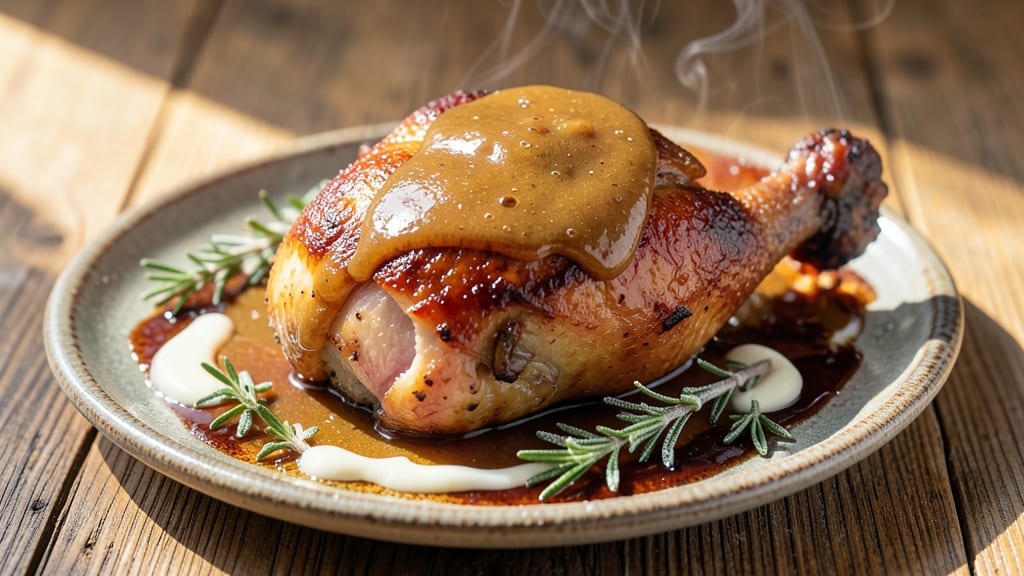
This baked chicken thigh sauce recipe transforms simple baked chicken thighs into a restaurant-worthy meal with just a few pantry staples and 15 minutes of effort.
The secret lies in capturing every last drop of flavor from the roasting pan, then enriching it with aromatic herbs, a splash of wine, and a touch of cream—creating a sauce that's velvety yet bright, savory yet subtle.
What sets this sauce apart is its versatile richness—it clings perfectly to tender chicken thighs while adding depth to roasted vegetables or mashed potatoes.
The technique is straightforward: deglaze the pan with wine to lift those caramelized browned bits, then simmer with herbs, butter, and cream until thickened just enough to coat a spoon. No fancy equipment or complicated steps required.
The result is a golden, aromatic sauce with layers of herbaceous notes and a velvety finish that elevates any baked chicken dish. It’s the kind of sauce that makes weeknight dinners feel special without requiring hours in the kitchen.
Serve it immediately over your roasted chicken, or store leftovers in the fridge for up to 3 days—it only gets better as the flavors meld.
For extra richness, stir in a spoonful of Dijon mustard or a splash of chicken stock while simmering. The possibilities are endless, but the foundation remains the same: a foolproof method that turns pan drippings into something extraordinary. Let’s get started.
Ingredients for baked chicken thigh sauce
Transform pan drippings into golden, aromatic sauce with just ten ingredients and expert technique.
| Ingredient | Amount | Notes |
|---|---|---|
| Chicken Thigh Pan Drippings 🍗 | 1 cup | From roasted chicken thighs |
| Dry White Wine 🍷 | ½ cup | Bold variety preferred |
| Unsalted Butter 🧈 | 2 tbsp | Cold, cubed for richness |
| Heavy Cream 🥛 | ¼ cup | Full-fat for velvety texture |
| Fresh Thyme Leaves 🌿 | ½ tsp | Finely chopped, stems removed |
| Fresh Rosemary 🌿 | ¼ tsp | Finely chopped, fresh preferred |
| Garlic Cloves 🧄 | 2 cloves | Minced, for aromatic depth |
| Diamond Crystal Kosher Salt 🧂 | ¼ tsp | Adjust to taste |
| Freshly Ground Black Pepper 🌶️ | ⅛ tsp | Freshly cracked preferred |
| Dijon Mustard 🍯 | ½ tsp | Optional, for tangy depth |
The foundation of this sauce begins with chicken thigh pan drippings—never discard them, as they carry the concentrated flavor of roasted meat. For optimal results, use bone-in, skin-on thighs roasted until golden brown, then deglaze the pan immediately while the drippings are still warm. Whole Foods or local butcher shops often sell high-quality bone-in cuts ideal for this purpose. The white wine should be dry and bold—think Sauvignon Blanc or Pinot Grigio—avoiding sweet varieties that can overpower the sauce's savory profile. If you prefer not to use alcohol, substitute with an equal amount of chicken stock and a splash of lemon juice for brightness.
No fresh herbs? Dried thyme and rosemary work at one-third the amount, though fresh yields superior flavor. The garlic can be pre-minced from a jar in a pinch, but freshly minced adds a more robust aroma. For extra richness, consider adding 1 tablespoon of chicken fat alongside the butter—simply render it from the chicken skin during roasting. The Dijon mustard is optional but recommended for a subtle tang that balances the sauce's creaminess. If unavailable, a pinch of lemon zest provides a similar brightening effect. For those avoiding dairy, substitute the heavy cream with full-fat coconut milk, though the texture will be slightly lighter.
This sauce reaches peak flavor when served immediately, but leftovers can be stored in an airtight container in the refrigerator for up to 3 days, with flavors deepening over time. For longer storage, freeze in 1-tablespoon portions—perfect for quick reheating over individual servings. When reheating, warm gently on the stove over low heat, adding a splash of water or stock if the sauce thickens too much. The sauce freezes beautifully for up to 3 months, making it an excellent make-ahead option for entertaining. Always reheat thoroughly to maintain its velvety consistency.
Why You'll Love This Recipe
- I swear by this trick: no extra sauce needed. Just bake the thighs, deglaze the pan with that dry white wine, and—boom—you’ve got a silky, herby sauce with zero effort. The wine cuts through the richness, and the thyme leaves infuse just enough aroma to make it feel fancy.
- Pan Drippings Magic: I swear by this trick: no extra sauce needed. Just bake the thighs, deglaze the pan with that dry white wine, and—boom—you’ve got a silky, herby sauce with zero effort. The wine cuts through the richness, and the thyme leaves infuse just enough aroma to make it feel fancy.
- Weeknight Crutch: Between us, this is my go-to when I’m too tired to think. Toss the thighs in the oven, then simmer the pan drippings with butter and cream while I chop veggies. By the time the chicken’s done, the sauce is already thick and velvety—no waiting, no stress.
- Leftovers That Shine: Honestly, the sauce gets better the next day. The flavors meld into something deeper, and it reheats like a dream—drizzle it over pasta, spoon it onto toast, or even toss it with rice. I’ve fed a crowd with just this one pan’s worth of magic.
Step-by-step instructions for herb-infused pan gravy magic
Transform simple pan drippings into a velvety, herb-infused sauce that elevates every bite.
Deglaze the Pan with Wine
Immediately after removing the roasted chicken thighs from the pan, place the skillet over medium-high heat. Add the 0.5 cup dry white wine and scrape up all the browned bits from the bottom with a wooden spoon. These fond bits contain concentrated flavor that forms the base of your sauce.
Let the wine simmer for 3-4 minutes until it reduces by about half and the alcohol smell dissipates completely. You'll see the liquid turn from pale to a deeper golden color—this indicates the alcohol has cooked off safely. If the mixture starts to stick, add 1-2 tablespoons of water to help dissolve the fond without thinning the sauce too much.
Build the Herb and Butter Base
Add the 2 tablespoons cold cubed unsalted butter to the simmering wine mixture. Stir until the butter melts completely, then add the 2 minced garlic cloves, 0.5 teaspoon finely chopped fresh thyme leaves, and 0.25 teaspoon finely chopped fresh rosemary. Cook for 1-2 minutes until the garlic becomes fragrant but doesn't brown.
Here's where the magic happens: the herbs infuse their aromatic oils into the butter, creating layers of flavor. Keep the heat at medium-low to prevent burning—herbs burn quickly and turn bitter. If the mixture smells too strong, reduce the heat further or remove the pan from heat temporarily.
Incorporate the Cream and Mustard
Pour in the 0.25 cup heavy cream and 0.5 teaspoon Dijon mustard, stirring constantly to combine. The mustard adds a subtle tang that balances the richness of the cream. Let the mixture simmer gently for 2-3 minutes until it thickens slightly but remains silky rather than clumpy.
If the sauce becomes too thick, whisk in 1 tablespoon at a time of the 1 cup chicken thigh pan drippings until you reach a velvety consistency that coats the back of a spoon. The sauce should be thick enough to cling to chicken but still flow smoothly when poured. Taste and adjust seasoning with 0.25 teaspoon Diamond Crystal kosher salt and 0.125 teaspoon freshly ground black pepper.
Finish with Pan Drippings and Strain
Return the pan to medium heat and slowly whisk in the 1 cup chicken thigh pan drippings while stirring constantly. The drippings will help emulsify the sauce, creating a luxurious texture. Let the sauce simmer for an additional 1-2 minutes to meld all the flavors together.
For a perfectly smooth sauce, strain it through a fine-mesh sieve into a clean saucepan. This removes any herb stems or butter solids, leaving you with an elegant, velvety gravy. If you prefer a rustic texture with visible herb flecks, skip the straining step. The sauce should now have a rich, golden color and a complex aroma combining roasted chicken, white wine, and fresh herbs.
Pro Tips For Making Baked Chicken Thigh Sauce
- Deglaze Immediately: As soon as you pull the chicken thighs from the oven, pour in that white wine while the pan is still piping hot—don’t let those drippings cool or they’ll turn into a stubborn, unyielding paste. A quick 2-minute deglaze with a wooden spoon will loosen everything up, and you’ll end up with a glossier, richer sauce instead of scraping burnt bits off later.
- Whisk the Cream Cold: Heavy cream straight from the fridge tempers the alcohol in the wine and prevents curdling when you add it later. I used to add it warm, and the sauce would split like a bad soufflé—now I just let it sit in the fridge for 10 minutes before whisking it in. Sounds silly, but it makes a real difference.
- Strain the Thyme: Fresh thyme leaves are fantastic, but stems? They turn to mush and muddy the sauce. Tear the leaves off the stems with your fingers (yes, even if you’re impatient like me) and reserve them—then strain the finished sauce if you’re feeling fancy. Or just skip the stems entirely and save yourself the cleanup.
- Simmer Low and Slow: After adding the cream, reduce the heat to a gentle simmer—no boiling, no rushing. I learned this the hard way when I turned the sauce into a skinny, grainy mess. Five minutes of steady, low heat is all it needs to thicken properly, and you’ll avoid that sad, separated look.
Perfect pairings for baked chicken thigh sauce
Herb-Infused Pan Gravy
This sauce is the perfect complement to your baked chicken thighs, but it also pairs beautifully with roasted root vegetables like carrots, parsnips, and potatoes. The velvety texture and herbaceous notes make it an ideal match for creamy mashed potatoes or buttery egg noodles.
I love serving it alongside garlic sautéed green beans for a balanced plate that highlights both savory and fresh flavors. 🥗
Wine Pairings
A crisp Sauvignon Blanc from New Zealand or a Pinot Grigio from Italy enhances the sauce's bright, herbal qualities without overpowering them. The wine's acidity cuts through the richness of the cream, creating a refreshing contrast.
If you prefer red wine, a light Pinot Noir works surprisingly well, especially if you reduce it slightly to concentrate the flavors. 🍷
Beer Pairings
For beer lovers, a Belgian witbier like Hoegaarden or Stella Artois complements the sauce's creamy texture and herbal notes. The citrusy undertones in these beers mirror the lemony brightness you can add to the sauce with a pinch of zest.
If you enjoy hoppier beers, a pale ale with subtle caramel notes provides a nice contrast to the sauce's richness. 🍺
Cheese Pairings
Add a sprinkle of crumbled feta or shaved Parmesan on top of the sauce just before serving for an extra layer of flavor. The salty tang of feta balances the creaminess, while the umami depth of Parmesan adds complexity.
I also love pairing this sauce with goat cheese crostini for an elegant appetizer that lets the sauce shine. 🧀
Bread Pairings
Serve the sauce with crusty sourdough bread or garlic bread to soak up every last drop of the velvety gravy. For a more refined touch, try baguette slices toasted with herb butter—the combination of buttery bread and herbed sauce is pure comfort food magic. 🥖
Extra Flavor Boosters
Brighten the sauce with a squeeze of lemon juice or a sprinkle of lemon zest right before serving. For a touch of heat, add a pinch of red pepper flakes or a few drops of hot honey.
If you love umami, stir in a spoonful of soy sauce or fish sauce while simmering—just a ½ teaspoon adds depth without overpowering. 💫
Nutrition facts
Frequently asked questions
Can I make this sauce without wine?
Replace the 0.5 cup dry white wine with an equal amount of chicken stock or apple cider vinegar for acidity. For brightness, add a splash of lemon juice (about 1 teaspoon) to mimic wine's tang. The sauce will still develop rich, savory notes without alcohol.
How do I fix a sauce that's too thick or too thin?
For a thick sauce, whisk in 1 tablespoon at a time of warm water, stock, or even a splash of milk until smooth. If it's too thin, simmer uncovered for 2-3 extra minutes to reduce, or stir in 1 teaspoon cornstarch mixed with 1 tablespoon water until thickened. Always adjust gradually to avoid clumping.
Can I prepare this sauce ahead of time?
Yes! Store the sauce in an airtight container in the fridge for up to 3 days—it actually tastes better as flavors meld. For longer storage, freeze in 1-tablespoon portions (great for single servings). Thaw overnight in the fridge, then reheat gently on low heat, stirring occasionally. Add a splash of water if needed to restore creaminess.
What's the best way to reuse leftover sauce?
Use it as a dipping sauce for crusty bread or roasted veggies. Stir into mashed potatoes or pasta dishes for instant flavor. For a quick upgrade, add a pinch of smoked paprika or fresh herbs when reheating. It also makes an excellent gravy base for meatloaf or meatballs!
Why does my sauce look separated?
This happens when fat and liquid separate during cooling. Whisk vigorously over low heat and add 1 teaspoon cold water to emulsify. For a smoother texture, strain through a fine-mesh sieve before serving. To prevent separation, avoid boiling the sauce—keep heat at medium-low throughout cooking.