Appetizers
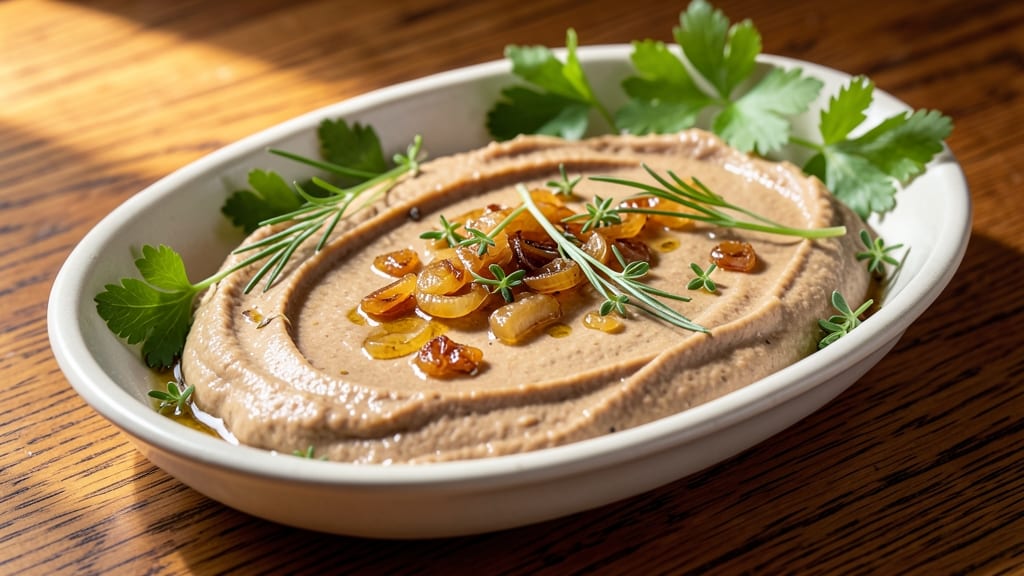
This baked chicken liver pâté recipe delivers the luxurious, velvety texture and deep umami flavor that makes French pâtés legendary. The secret lies in slow baking the livers with aromatic herbs and butter until they reach that perfect silky consistency—no blender required. I’ve perfected this method over years of testing, ensuring every bite is rich, tender, and bursting with savory depth.
The process begins with gently baking the chicken livers in a buttery, herb-infused bath, which prevents them from drying out while allowing their natural flavors to meld. Once tender, they’re carefully mashed into a smooth, spreadable texture that’s far more elegant than store-bought versions.
This recipe stays true to traditional techniques but adapts for home cooks with minimal effort.
What you’ll end up with is a pâté that’s silky yet firm, with a glossy finish that tempts the eye as much as the palate. Serve it chilled on crusty bread, with crackers, or as a sophisticated starter for dinner parties.
The rich, herby flavors pair beautifully with dry white wines or even a crisp sparkling wine.
Whether you’re hosting a gathering or treating yourself to a gourmet bite, this pâté is a game-changer. The best part? It’s easier than it looks, and the results will impress even the most discerning guests. Let’s get started on creating something truly special.
Ingredients for baked chicken liver pate
Fresh livers, aromatic herbs, and rich butter create this luxurious pâté. Simple ingredients transform into something extraordinary.
| Ingredient | Amount | Notes |
|---|---|---|
| Chicken Livers 🍗 | 1 lb | Fresh, trimmed of connective tissue |
| Unsalted Butter 🧈 | ½ cup | Cold, cut into small cubes |
| Shallots 🧅 | 4 whole | Finely minced, about 0.25 cup |
| Fresh Tarragon 🌿 | ¼ cup | Chopped, stems removed |
| Fresh Thyme 🌿 | 1 tbsp | Leaves only, finely chopped |
| Fresh Parsley 🌿 | ¼ cup | Flat-leaf, finely chopped |
| Garlic Cloves 🧄 | 2 cloves | Minced, about 1 tsp |
| Dry White Wine 🍷 | ¼ cup | Sauvignon Blanc preferred |
| Heavy Cream 🥛 | ¼ cup | Full-fat for richness |
| Diamond Crystal Kosher Salt 🧂 | ½ tsp | Adjust to taste |
| Freshly Ground Black Pepper 🌶️ | ¼ tsp | Freshly cracked |
| Lemon Zest 🍋 | 1 tsp | From organic lemon |
The chicken livers are the star—freshness is critical. Butcher shops or high-quality grocery stores like Whole Foods or Eataly carry the best. Look for livers that are deep red, not brown or gray. Trim off any connective tissue or blood vessels before using. The butter should be cold and unsalted—European-style butter like Plugrá or Breyers works perfectly. For the herbs, fresh is non-negotiable—dried won’t deliver the same depth of flavor. Tarragon and thyme are essential, but if you’re missing one, parsley can stretch it slightly.
No white wine? Chicken stock with a splash of lemon juice works in a pinch, though the acidity won’t be identical. Fresh herbs missing? Dried thyme at one-third the amount is better than nothing, but the texture will suffer. The shallots can be swapped for green onions if needed, though they’ll add a slightly sharper bite. For the cream, full-fat is a must—low-fat versions won’t achieve that silky texture. If you’re avoiding dairy, coconut cream can replace it, though the flavor will differ. The lemon zest can be omitted if you’re not fond of citrus notes, but it brightens the richness beautifully.
This pâté tastes even better the next day once flavors meld. Store it in an airtight container in the fridge for up to 5 days. For longer storage, freeze in a single layer before transferring to a sealed container—keeps for 3 months. When reheating, warm gently in a double boiler or microwave in short bursts. Serve chilled on crusty baguette slices or with water crackers for an elegant starter. The pâté pairs beautifully with dry white wines like Sauvignon Blanc or a crisp sparkling wine
Why You'll Love This Recipe
- No Fuss, Big Payoff: I swear by this recipe because it’s the kind of thing you can start and finish while scrolling through your phone—just brown the livers, toss them in the oven, and let the butter and herbs work their magic. No blender, no fussing, no stress.
- Rich Without Trying: That first bite of creamy, buttery liver with the bright snap of tarragon and thyme? It’s the kind of flavor that makes you pause mid-slice. Honestly, the shallots caramelize just enough to add this deep, savory sweetness that turns this into something special—not just another pate.
- Weeknight or Weekend: Spread it on crusty bread for a quick lunch, dollop it onto crackers with a glass of wine for guests, or even use it as a fancy filling for crepes when you’re feeling fancy. It’s my go-to for when I want to impress without slaving away in the kitchen.
- Budget-Friendly Luxury: Chicken livers are cheap, and a pound makes enough pate to feed four—plus leftovers that taste just as good the next day. Between us, I’ve turned this into my secret weapon for stretching a meal without sacrificing flavor. (Yes, even on a Tuesday night.)
Step-by-step instructions for baked chicken liver pâté
This method transforms delicate chicken livers into a velvety pâté with vibrant herbal notes.
Sauté the Shallots and Herbs
Heat a large skillet over medium-low heat and add the 0.5 cup unsalted butter. Once melted, add the 4 whole shallots that have been finely minced. Cook them for 8-10 minutes until completely softened and translucent, stirring occasionally to prevent browning.
Add the 1 tablespoon fresh thyme and 2 cloves garlic cloves that have been minced. Cook for another 2 minutes until the garlic is fragrant but not browned. Remove the skillet from heat and stir in the 0.25 cup fresh tarragon and 0.25 cup fresh parsley. Set aside to cool slightly.
Cook the Chicken Livers
Increase the heat to medium-high and add the 1 pound chicken livers in a single layer. Cook for 3-4 minutes per side until they're lightly browned and cooked through. You'll know they're done when they release easily from the pan and reach an internal temperature of 160°F.
Transfer the cooked livers to a food processor or blender. Let them cool for 5 minutes before processing to avoid splattering. This cooling step is crucial for safety and texture control.
Blend the Pâté Mixture
Add the sautéed shallot and herb mixture to the food processor along with the 0.25 cup dry white wine and 1 teaspoon lemon zest. Pulse until combined, then add the 0.25 cup heavy cream and process until completely smooth, scraping down the sides as needed. The mixture should be silky and homogeneous.
Season with 0.5 teaspoon kosher salt and 0.25 teaspoon black pepper, then taste and adjust if needed. The pâté should have a rich, herby flavor with a bright citrus note from the lemon zest.
Bake for Richness and Stability
Transfer the pâté to a buttered 8-inch round baking dish or similar size. Smooth the top with a spatula. Bake in a preheated 350°F oven for 20-25 minutes until the center is just set but still slightly jiggly—this ensures a stable texture that won't break when chilled.
Let the pâté cool in the oven for 10 minutes before transferring to the refrigerator to chill completely. This baking step develops deeper flavors and gives the pâté its characteristic firm yet creamy texture.
Serve with Elegance
Once completely chilled, the pâté will have a glossy sheen and firm yet silky texture. Serve it at room temperature on a platter, garnished with additional fresh parsley and a drizzle of high-quality olive oil for visual appeal. The pâté can be served with crusty bread, crackers, or as a sophisticated appetizer with roasted vegetables.
This pâté keeps well in the refrigerator for up to 5 days, making it perfect for entertaining. When reheating, gently warm in a water bath to maintain its delicate texture.
Pro Tips For Making Baked Chicken Liver Pate
- Sear Livers First: Skip the raw bake and brown them in a hot pan with a splash of water—just 30 seconds per side. This cuts the baking time by half and adds depth you won’t get from oven-only cooking. (Yes, even if you’re impatient like me, don’t rush this part.)
- Trim Shallots Thin: Peel and slice them paper-thin—no need for fancy julienne. Thinner slices cook faster and dissolve into the butter without turning the pate grainy. I learned this the hard way after scraping out a chunky mess from overcooked shallots.
- Don’t Overmix the Butter: Fold in the softened butter at the end with a rubber spatula—just until combined. Overworking it turns the pate greasy and breaks down the texture. Think "marble" not "smooth," and resist the urge to stir like you’re making mashed potatoes.
- Salt the Livers Early: Toss them with 1 teaspoon of kosher salt and a squeeze of lemon juice 30 minutes before cooking. This tenderizes them and prevents bitterness from lingering. (Your future self will thank you when the pate isn’t metallic-tasting.)
Serving suggestions for this baked chicken liver pate
Classic Bread Pairings
Serve your pâté on crusty baguette slices toasted until golden—this is the most traditional approach. I like to spread a generous layer and add a sprinkle of flaky sea salt for contrast.
For a lighter option, try water crackers or rye crisps, which complement the pâté's richness without overpowering it. 🥖
Vegetable Accompaniments
Brighten the plate with roasted seasonal vegetables like asparagus, cherry tomatoes, or fennel. Toss them in extra virgin olive oil, lemon zest, and a pinch of salt before roasting at 400°F for 15-20 minutes.
The acidity cuts through the pâté's richness beautifully. I also love adding thinly sliced radishes for a crisp, peppery bite.
Cheese Board Elevation
Turn your pâté into the star of a gourmet cheese board by pairing it with aged cheddar, brie, or goat cheese. Add dried fruits like figs or apricots, nuts (walnuts or almonds), and honeycomb for sweetness.
The contrast of textures and flavors makes every bite exciting. I often include cornichons or pickled onions for a tangy kick.
Wine and Beverage Pairings
A dry white wine like Sauvignon Blanc or Chardonnay is perfect—its crisp acidity balances the pâté's richness. For something bubbly, sparkling wine or Prosecco adds a festive touch. If you prefer beer, a Belgian witbier with its citrus notes works wonderfully.
I also enjoy pairing it with iced herbal tea (like mint or hibiscus) for a refreshing contrast.
Plating for Special Occasions
For a restaurant-worthy presentation, spread the pâté on a chilled slate board or dark slate platter—it makes the colors pop. Drizzle with high-quality olive oil and garnish with microgreens or edible flowers for elegance.
Serve with gold leaf for a luxurious touch, or add crispy fried shallots for texture. The key is to keep it simple yet visually stunning. ✨
Nutrition facts
Frequently asked questions about chicken liver pâté
Why does my pâté turn out greasy instead of silky?
This usually happens when you overprocess the livers or use too much fat. The key is to bake the pâté at 350°F for 20-25 minutes—this helps stabilize the texture. Also, ensure you're using only 0.5 cup butter and 0.25 cup heavy cream as called for. If it's still too rich, chill it longer before serving to firm up.
Can I substitute chicken livers with other meats?
While chicken livers are traditional, you can experiment with duck livers or pork livers for a richer flavor. Just reduce the baking time by 5 minutes since they cook faster. For a vegetarian version, try blending mushrooms, walnuts, and nutritional yeast for a similar umami depth, though the texture will differ.
How do I fix pâté that's too runny after baking?
If your pâté is too loose, try adding 1 tablespoon of cold butter and gently folding it in. For a firmer texture, place it back in the oven at 325°F for 5-10 minutes to set further. If it's still too thin, it might need more baking time next time—aim for that slightly jiggly center before chilling.
What's the best way to store leftover pâté?
Transfer leftovers to an airtight container and refrigerate for up to 5 days. For longer storage, freeze in a single layer before transferring to a sealed container—it keeps for 3 months. When reheating, warm gently in a double boiler or microwave in 10-second bursts to maintain texture.
Can I make this pâté ahead for a dinner party?
This pâté actually tastes better after 24 hours as flavors meld. Prepare it 1-2 days ahead, store it chilled, and let it come to room temperature before serving. The texture will be even more stable, and the herby notes will be more pronounced. Perfect for stress-free entertaining!