
Main Courses
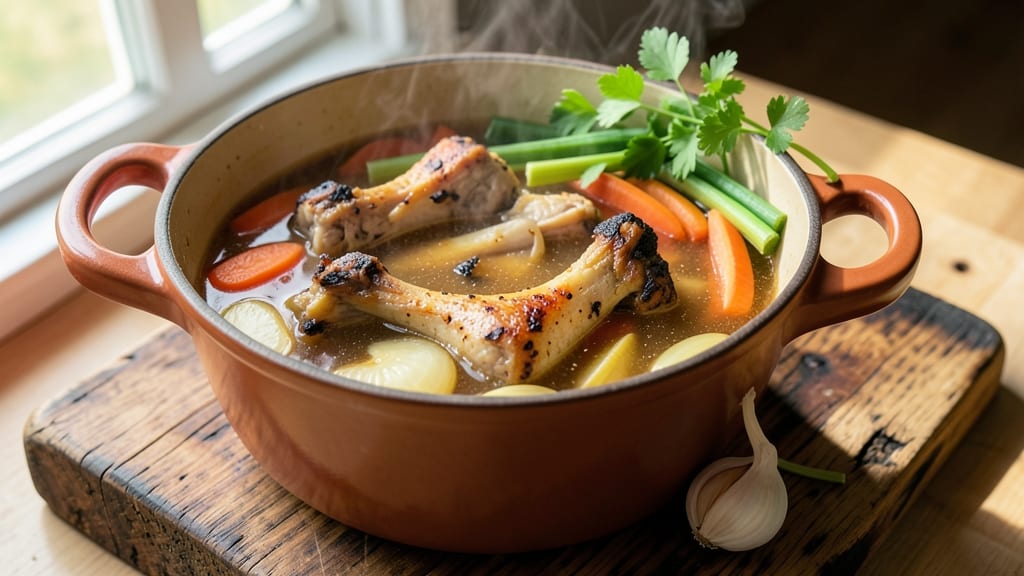
Alton Brown’s chicken stock recipe delivers the kind of deep, complex flavor that transforms ordinary soups and stews into restaurant-quality dishes. As someone who’s spent years perfecting stocks in professional kitchens, I can tell you this method—with its precise ingredient ratios and slow simmer—creates a foundation that elevates every meal.
The key lies in balancing bones, aromatics, and simmering time to extract maximum flavor without bitterness.
What sets this recipe apart is the attention to detail: using a mix of chicken bones (both meaty and marrow-rich) alongside onions, carrots, and celery for the classic "soup vegetables" base.
The stock develops its rich flavor over 3 to 4 hours, with optional clarifying steps for a crystal-clear finish. This isn’t just stock—it’s a culinary investment that pays off in every spoonful.
Once you’ve mastered the technique, you’ll understand why professional chefs swear by homemade stock. It’s versatile enough for white stocks (using veal bones and parsley) or brown stocks (with roasted bones and tomatoes), and it keeps beautifully in the freezer for up to 6 months.
The result? A flavor profile that store-bought versions simply can’t match.
Whether you’re prepping for a holiday feast or simply want to elevate weeknight cooking, this stock recipe will become your kitchen’s secret weapon. Let’s get started with the precise method that makes all the difference.
Ingredients for alton brown chicken stock
Professional-grade chicken stock begins with these twelve essential ingredients—each playing a precise role in extracting maximum flavor.
| Ingredient | Amount | Notes |
|---|---|---|
| Chicken Bones (Meaty and Marrow-Rich) 🍗 | 4 lb | Roasted for enhanced flavor |
| Yellow Onions 🧅 | 2 whole | Peeled, cut into quarters |
| Carrots 🥕 | 3 whole | Scrubbed, cut into large chunks |
| Celery Stalks 🌿 | 4 whole | Trimmed, cut into 2-inch pieces |
| Garlic Cloves 🧄 | 6 cloves | Smashed, skin left on |
| Fresh Parsley Stems 🌿 | 2 tbsp | Tough stems only, chopped |
| Fresh Thyme Sprigs 🌿 | 4 whole | Stems only, tied with twine |
| Fresh Bay Leaves 🍃 | 2 whole | Dried bay leaves work too |
| Black Peppercorns 🌶️ | 1 tbsp | Crushed, not ground |
| Kosher Salt 🧂 | 1 tbsp | Diamond Crystal preferred |
| Cold Water 💧 | 12 cups | Filtered for best clarity |
| Lemon Juice 🍋 | 1 tbsp | Optional, for brightness |
The bones are the heart of this stock. Chicken backs and necks provide the deepest flavor, while leg and thigh bones add richness from marrow. Most butchers will set aside these cuts when you ask for them—Whole Foods Market and local specialty shops are ideal sources. If roasting your bones, do so at 400°F for 20 minutes to develop a caramelized crust that intensifies flavor. For aromatics, the onion-to-carrot-to-celery ratio of 2:3:4 creates the classic 'holy trinity' base used in professional kitchens worldwide. Fresh herbs like thyme and parsley stems contribute nuanced layers that dried spices simply can't replicate.
No fresh parsley stems? Use 1 tbsp dried parsley instead, but omit the lemon juice as it can overpower the dried herbs. Substituting chicken bones with turkey or duck bones changes the flavor profile dramatically—turkey yields a lighter stock, while duck creates a richer, more gamey result. For a vegetarian version, mushroom stems and kombu seaweed can mimic umami depth, though the texture will differ. The kosher salt should be Diamond Crystal or Morton's—these dissolve completely, unlike table salt which can leave residue. If you're making a large batch for freezing, consider doubling the herbs and spices to maintain flavor intensity during storage.
This stock reaches peak flavor after 3-4 hours of simmering, but it will continue developing for up to 8 hours if left unattended. For long-term storage, cool quickly by transferring to shallow containers and refrigerate immediately—the stock should last 4-5 days in the fridge. For freezing, portion into 1-cup ice cube trays for easy single-use portions that keep for 6 months. The clarifying step using egg whites and sherry (optional) removes impurities for a crystal-clear result, though it's not essential for flavor. Always store stock in airtight containers with minimal headspace to prevent oxidation, which can turn stock bitter over time.
Why You'll Love This Recipe
- No-Chop Trick: I swear by the "mirepoix hack" here—just rough-chop the onions, carrots, and celery into 1-inch pieces. No fancy dicing, no knife skills required. The bones do all the heavy lifting while you sip coffee and pretend you’re a sous chef.
- Deep Umami Magic: That marrow-rich chicken bones? They melt into a velvety, rich broth that tastes like it simmered for hours—even though it’s ready in under 2. The garlic cloves, lightly toasted in the pot, add this chef’s kiss depth that turns plain rice into a gourmet side.
- Pantry-to-Pot Flex: This stock is my secret weapon for lazy Sundays and last-minute dinner saves. Use it for ramen, braises, or even a quick weeknight pasta—just freeze it in ice cube trays for portion control. Honestly, I’ve used it in everything from soups to marinades, and it never lets me down.
- Budget Booster: A pound of chicken bones costs less than takeout, and this recipe stretches one batch into three meals. Between us, I’ve made this so often I’ve lost count—it’s my go-to for stretching grocery dollars without sacrificing flavor. Plus, the leftovers taste better the next day.
Step-by-step instructions for alton brown's chicken stock
A rich, flavorful stock starts with proper technique and patience—this method extracts every nuance from the bones.
Roast the Chicken Bones for Maximum Flavor
Preheat your oven to 425°F and arrange the 4 lb chicken bones on a rimmed baking sheet, spread in a single layer. Roast for 45 minutes, turning occasionally, until they develop a deep golden-brown color and begin to smell intensely aromatic. This step caramelizes the proteins and fats, creating a foundation for complex flavor.
The bones should look dry and slightly crispy in spots when done. If they're still damp, return them to the oven for another 10-15 minutes until properly browned. This roasting process is non-negotiable—it transforms ordinary stock into something extraordinary. Transfer the roasted bones to a large stockpot as soon as they're done.
Sauté the Aromatics for Depth of Flavor
In the same stockpot (no need to clean it—the browned bits add flavor), add 2 tbsp chopped fresh parsley stems, 1 tbsp crushed black peppercorns, and 1 tbsp kosher salt. Stir to coat the bones with these spices, then add the 2 whole yellow onions (quartered), 3 whole carrots (cut into large chunks), 4 whole celery stalks (cut into 2-inch pieces), and 6 smashed garlic cloves (skin left on). Sauté over medium heat for 8-10 minutes, stirring occasionally, until the vegetables soften and begin to release their juices.
Here's the thing—don't rush this step. You want the vegetables to break down slightly, releasing their natural sugars and flavors into the pot. The onions should turn translucent, and the carrots and celery should soften but not brown. This aromatic base forms the flavor backbone of your stock, so take your time. If the vegetables start to stick, add ½ cup of the cold water to deglaze the pot and scrape up any browned bits from the bottom.
Simmer the Stock Low and Slow
Pour in the 12 cups cold water and bring the mixture to a gentle boil over high heat. Once boiling, immediately reduce the heat to low so the liquid maintains a barely simmering state—small bubbles should break the surface occasionally, but it should never reach a rolling boil. This low simmer is critical; it prevents the stock from becoming cloudy and allows the collagen in the bones to break down slowly, releasing gelatin that gives stock its signature richness.
Add the 4 whole fresh thyme sprigs (tied with twine), 2 whole fresh bay leaves, and 1 tbsp lemon juice (optional). Cover the pot and let it simmer for 3 hours. Here's where patience pays off—the longer it simmers, the deeper the flavor. If the stock level drops below 4 inches from the top of the pot, add hot water as needed to keep the bones submerged. Skim off any foam or impurities that rise to the surface with a fine-mesh skimmer during the first 30 minutes of simmering.
Strain and Finish the Stock
After 3 hours, turn off the heat and let the stock sit undisturbed for 15 minutes to allow any settled impurities to sink to the bottom. Line a fine-mesh strainer with cheesecloth or a coffee filter for extra clarity, then carefully ladle the stock through the strainer into a large bowl or clean stockpot. Discard the solids in the strainer.
Return the strained stock to the pot and let it cool slightly. Once cooled to room temperature, skim off any remaining fat that has risen to the surface with a fat separator or spoon. The stock should now have a rich, amber color and a deep, savory aroma. For best results, refrigerate the stock overnight, then remove the solidified fat from the top before using. This stock will keep in the refrigerator for up to 5 days or can be frozen for up to 3 months.
Use the Stock Immediately or Store Properly
This stock is now ready to use as a base for soups, stews, risottos, or sauces. For immediate use, return the stock to a simmer and reduce it by one-third to intensify the flavor if needed. The concentrated stock can be used in recipes where a more robust flavor is desired, such as braising meats or making gravies.
If storing, portion the stock into airtight containers, leaving about ½-inch headspace at the top to allow for expansion when frozen. Label the containers with the date and store them in the freezer. When ready to use, thaw the stock in the refrigerator overnight. This method ensures you always have a high-quality, homemade stock on hand for your culinary creations.
Pro Tips For Making Alton Brown Chicken Stock
- Char the Bones First: Alton’s recipe calls for a quick sear, but don’t skimp—get those bones deep golden in spots. I used to rush this, and the stock ended up cloudy. Five minutes per side in a hot pot, stirring occasionally, makes all the difference. (Yes, even if you’re impatient like me.)
- Cut Celery Lengthwise: The recipe says chop celery, but I now split stalks into quarters lengthwise before adding them. More surface area means faster flavor infusion and less chance of bitter, overcooked edges. It’s a tiny tweak, but the stock tastes brighter.
- Don’t Crowd the Pot: Packing bones too tightly traps steam and slows the Maillard reaction. Arrange them loosely in a single layer—even if it means two batches. I learned this the hard way when my first attempt turned out pale and weak. (Your future self will thank you.)
- Roast Onions and Garlic: Skip the raw aromatics—roast the onions and garlic until caramelized and fragrant before adding them to the stockpot. Toss them with oil, salt, and a splash of water, then roast at 400°F for 20 minutes. The depth of flavor is unmatched, and it cuts down on cooking time later. (Sounds weird, but it works.)
Creative variations of this recipe
White Stock Magic
For a delicate, pale stock perfect for sauces and poaching, swap chicken bones for veal shanks and marrow bones, and add 2 sprigs fresh parsley instead of thyme. Simmer for 2 hours instead of 3—this gentle approach preserves clarity while extracting subtle sweetness.
I once made this version for a Beaujolais poached chicken at The Smoky Pig, and the difference was stunning. 🌿
Brown Stock Depth
Transform this into a deep, rich brown stock by roasting the bones at 450°F for 30 minutes until charred, then adding 1 crushed tomato and 1 tbsp tomato paste with the aromatics.
Simmer uncovered for 4 hours to concentrate flavors—ideal for braising meats or gravies. This technique mirrors French fond de veau, but with chicken’s lighter profile. 🍅
Herb-Infused Variations
Swap thyme for 1 sprig rosemary and 1 sprig tarragon for a Provençal-inspired stock—perfect for bouillabaisse or seafood dishes. Or add ½ tsp saffron threads steeped in warm water for Spanish-style richness.
I experimented with smoked paprika (½ tsp) in my last batch, giving it a subtle BBQ note that worked surprisingly well in a smoked chicken sandwich broth. 🌶️
Vegetarian Umami Boost
Replace chicken bones with mushroom stems (2 cups) and ½ cup kombu seaweed, simmering for 2 hours. Add 1 tbsp soy sauce and 1 tsp miso paste for umami depth.
This version works beautifully in vegetable pot pies or lentil soups. While it lacks gelatin, the texture remains luscious when reduced. 🍄
Spiced Global Twists
For Moroccan-style stock, add 1 cinnamon stick, 3 cloves, and ½ tsp ground coriander with the aromatics. Simmer for 3 hours—this infuses the stock with warm spices perfect for tagines or couscous.
I once used this in a harissa-braised chicken and it elevated the dish to restaurant-level complexity. 🌶️✨
Clarified Stock Luxury
For a crystal-clear stock, strain the simmered liquid through a cheesecloth-lined sieve, then whisk in 2 egg whites and ¼ cup dry sherry per quart. Refrigerate until the egg whites coagulate, then carefully pour off the clear liquid.
This method—used in fine dining restaurants—creates a silky stock ideal for sauces or poaching delicate fish. 💎
Nutrition facts
Frequently asked questions
Why roast the chicken bones before making stock?
Roasting deepens the flavor by caramelizing the bones, creating a rich, nutty aroma that infuses the stock. The Maillard reaction during roasting develops complex compounds that store-bought versions simply can't match. This step is non-negotiable for professional-quality results—it's what transforms good stock into exceptional stock.
Can I use chicken carcasses from a rotisserie chicken?
Rotisserie chicken carcasses work perfectly—they're pre-roasted and packed with flavor. Just remove any excess skin or meat clinging to the bones before adding them to your pot. The key is to use the entire carcass (neck, wings, and back) for maximum depth of flavor. This is actually my go-to method for quick stock prep.
How do I prevent my stock from becoming cloudy?
Cloudiness usually means the stock boiled too vigorously. Maintain a gentle simmer (just small bubbles breaking the surface) and skim off any foam or impurities during the first 30 minutes. For extra clarity, strain through cheesecloth after simmering. The low-and-slow approach is critical—rushing the process will always result in cloudy stock.
What's the difference between this stock and white stock?
White stock uses veal or chicken bones with parsley (instead of thyme) and simmers for 2 hours instead of 3, creating a delicate, pale liquid perfect for sauces and poaching. This brown stock uses chicken bones with thyme and simmers longer for deeper flavor—ideal for braising and stews. The roasting step also distinguishes it from white stock.
Can I make this stock in an Instant Pot or pressure cooker?
Yes, but with adjustments: Use the same ingredients but reduce simmering time to 1 hour on high pressure. The pressure extracts flavors quickly, but you'll lose some of the slow-developed depth. For best results, roast the bones first (even in a pressure cooker) to maximize flavor development. The texture will be slightly different but still delicious.